

Warehouse Fulfillment China to India: Ultimate 2026 Logistics Guide
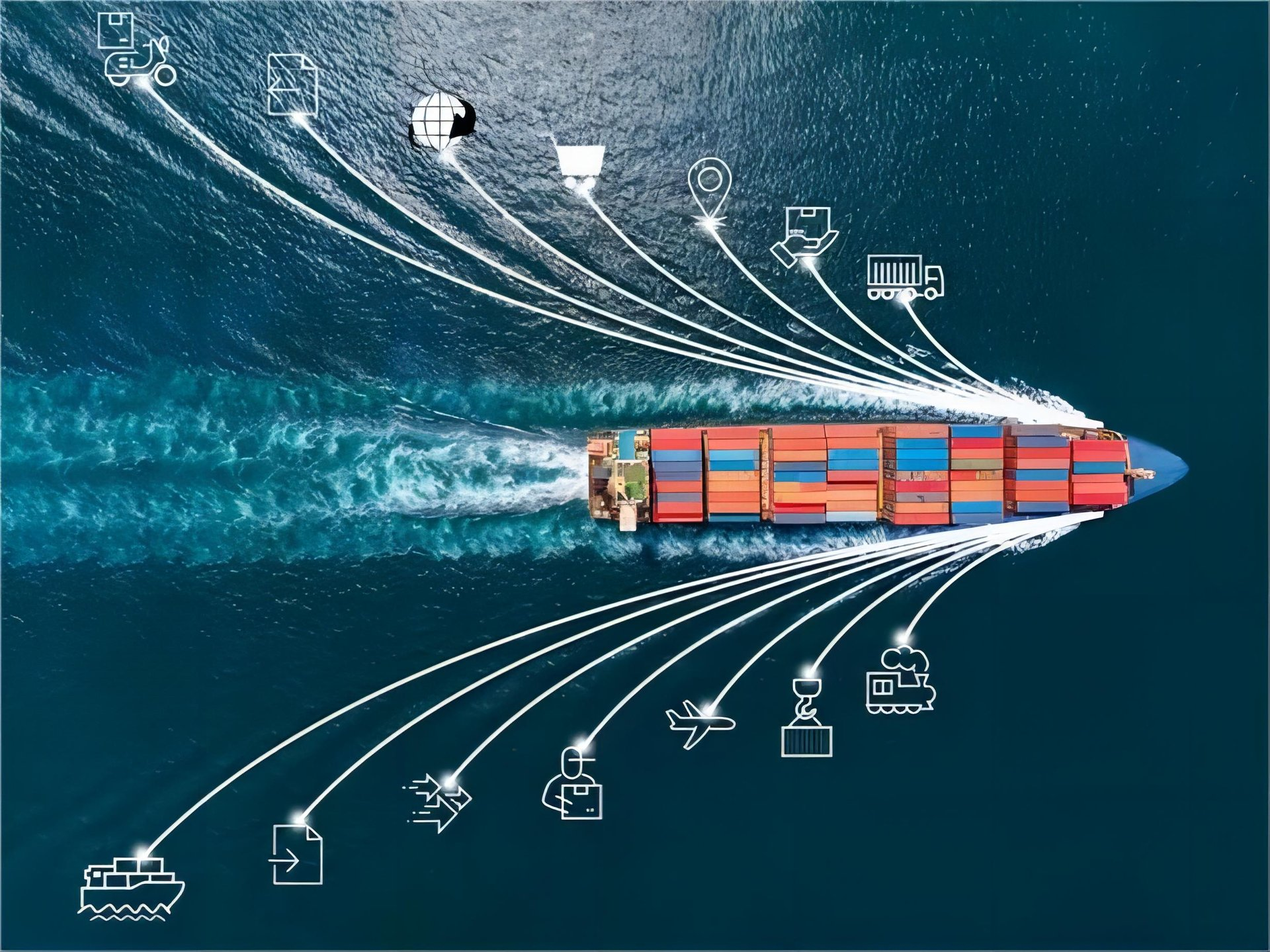
Managing warehouse fulfillment China to India requires a strategic approach to navigate complex customs regulations and volatile logistics networks. Many businesses struggle with inventory management and high shipping costs when importing goods into the rapidly expanding Indian market. By partnering with Top China Logistics, you can optimize your supply chain and ensure timely delivery to your customers. In the current 2026 landscape, efficiency is the primary driver of profitability for cross-border sellers.
What is Warehouse Fulfillment China to India?
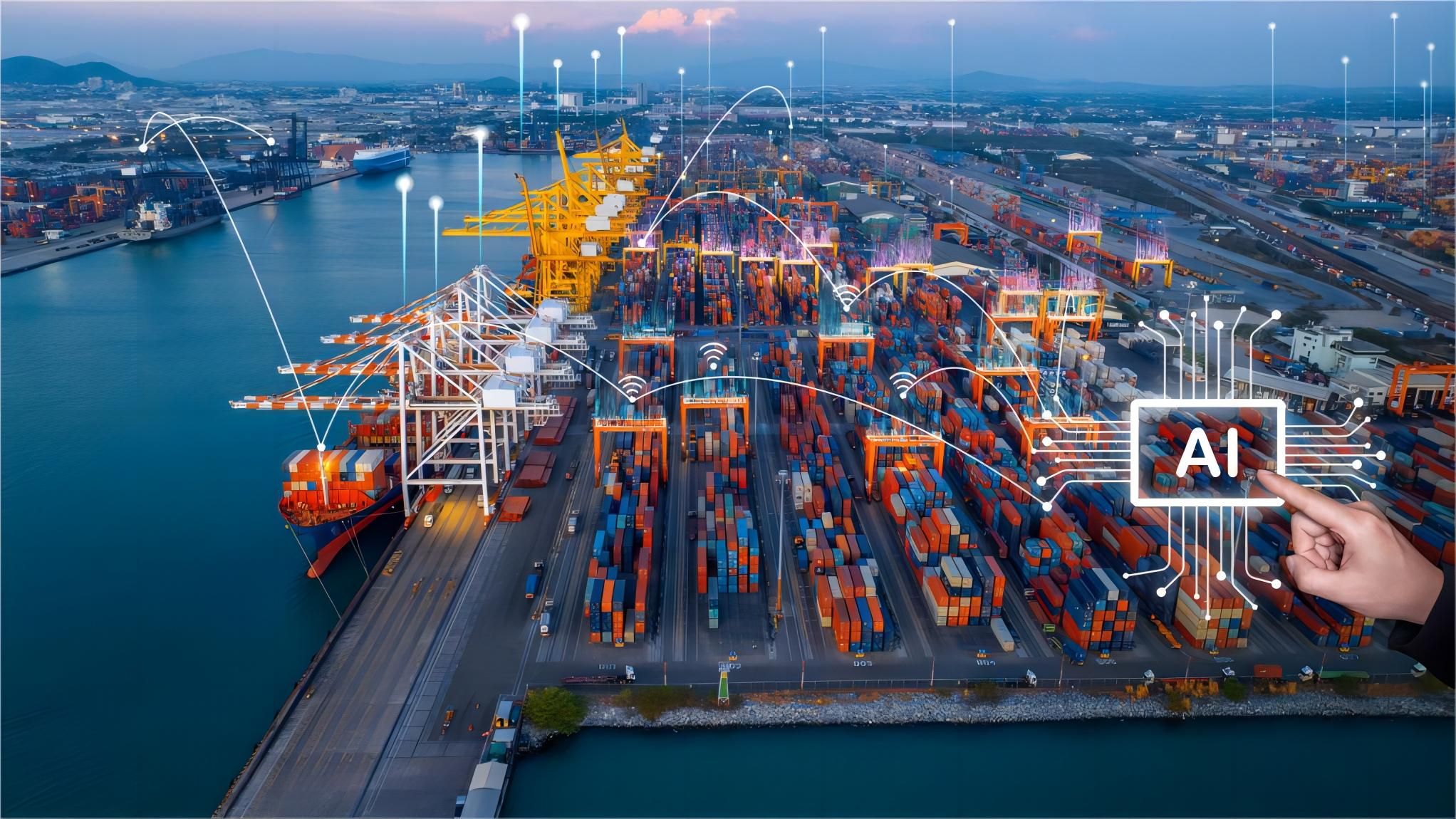
Warehouse fulfillment China to India involves the end-to-end process of receiving, processing, and delivering orders from Chinese manufacturing hubs to Indian consumers. This encompasses storage in specialized facilities, rigorous quality control, and the final dispatch through various international transit channels. Specifically, the 2026 market demands a high level of integration between inventory management systems and local Indian distribution networks.
Furthermore, this logistics model allows sellers to maintain stock closer to the source of production while leveraging cost-effective shipping lanes. Consequently, businesses can reduce overhead costs associated with domestic Indian warehousing until the product is ready for final sale. Indeed, the ability to scale operations quickly depends on how well these fulfillment centers handle peak season surges during major Indian festivals.
How Does Warehouse Fulfillment China to India Compare to Other Shipping Options?
Choosing the right logistics strategy requires a detailed comparison of available methods based on budget and urgency. While direct shipping from factories is common, centralized fulfillment offers better consolidation and quality oversight. In contrast, local Indian warehousing provides faster last-mile delivery but involves higher initial capital expenditure for stock holding.
Moreover, the 2026 freight market has introduced hybrid solutions that combine the speed of air with the cost-efficiency of sea transport. Sellers must evaluate these options against their specific product margins and customer expectations. To illustrate the differences, we have compiled a comparison of the most viable methods used this year.
| Shipping Method | Cost Range | Transit Time | Best For |
|---|---|---|---|
| Sea Freight (FCL) | $1,200 – $2,100 | 18-25 Days | Bulk Inventory |
| Air Freight | $3.50 – $6.00/kg | 4-7 Days | High-Value Goods |
| Express Service | $7.00 – $12.00/kg | 3-5 Days | Samples/Urgent |
| LCL Sea Freight | $60 – $110/CBM | 22-30 Days | Small Batches |
Key Benefits of Professional Warehouse Fulfillment
Implementing a professional warehouse fulfillment China to India strategy provides significant competitive advantages. First, it enables bulk consolidation, which drastically reduces the per-unit shipping cost. Additionally, having a dedicated team in China ensures that products are inspected before they cross international borders, minimizing the risk of returns.
Sellers often utilize an express service for small, time-sensitive parcels that require immediate dispatch. However, for larger operations, the focus shifts toward long-term inventory stability and predictable delivery schedules. Consequently, the integration of advanced tracking technology allows Indian importers to monitor their cargo in real-time throughout the entire journey.
Optimizing Transit Times with Sea Freight
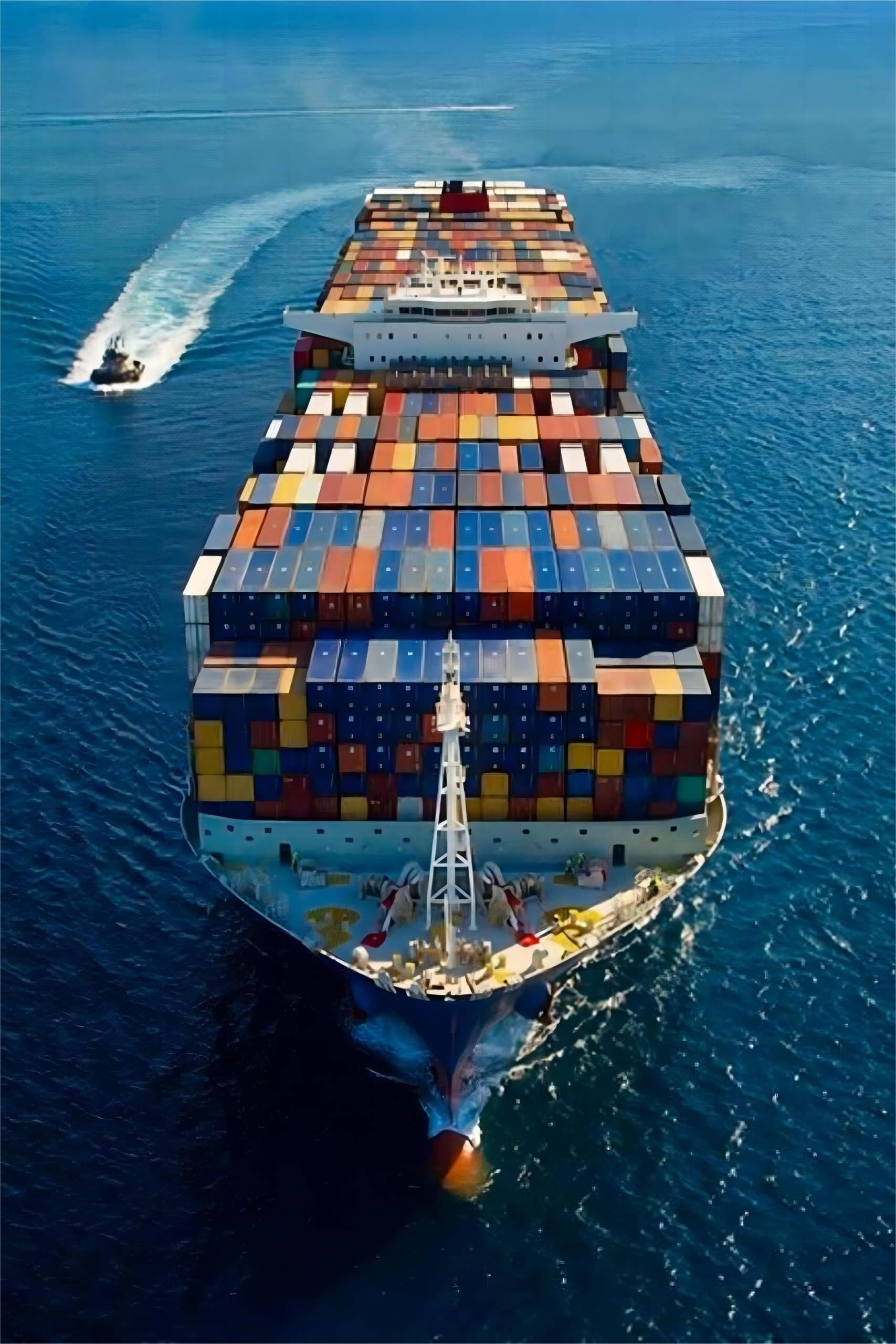
Utilizing sea freight remains the most popular choice for high-volume warehouse fulfillment China to India. Most shipments originate from major ports like Shenzhen, Ningbo, or Shanghai and arrive at Indian gateways such as Nhava Sheva or Mundra. Although sea transit is slower than air, the cost savings for heavy or bulky items are indispensable for maintaining healthy profit margins.
Specifically, the 2026 transit schedules have become more reliable due to improved port infrastructure in both nations. Nevertheless, seasonal weather patterns and port congestion can still influence total door-to-door timelines. Therefore, planning inventory cycles at least 45 days in advance is highly recommended for Indian e-commerce businesses.
When to Choose Air Freight for India
High-demand electronics and fashion items often require the speed of air freight to meet consumer expectations. When stock levels in India run low, air transport serves as a critical bridge to prevent stockouts and lost revenue. In addition, the reduced handling time associated with air travel significantly lowers the risk of damage for fragile components.
Market data suggests that while air rates are higher, the reduction in insurance premiums and warehousing costs can offset the initial price gap. Furthermore, the 2026 logistics trends show an increase in dedicated cargo flights between Guangzhou and Delhi. As a result, many premium brands now utilize a 70/30 split between sea and air freight to balance cost and speed.
Navigating Customs Clearance and Documentation
Success in warehouse fulfillment China to India hinges on a deep understanding of Indian customs regulations. Importers must ensure all products comply with Bureau of Indian Standards (BIS) requirements and carry the correct HSN codes. Failure to provide accurate documentation often leads to expensive demurrage charges and lengthy delivery delays at the port of entry.
Partnering with a specialist in customs brokerage can simplify this daunting process. These experts handle the filing of Bills of Entry and ensure that GST and Basic Customs Duty (BCD) are calculated correctly. Notably, the 2026 digital customs portal in India has streamlined many procedures, yet manual inspections remain common for first-time importers.
| Document Type | Purpose | Required For | Origin |
|---|---|---|---|
| Commercial Invoice | Valuation | All Shipments | China |
| Packing List | Cargo Verification | All Shipments | China |
| Bill of Lading | Title of Goods | Sea Freight | Carrier |
| BIS Certificate | Quality Compliance | Electronics/Toys | India |
Real-World Case Studies of China-India Logistics
Examining real-world scenarios provides valuable insights into the practical challenges and costs associated with warehouse fulfillment China to India. These cases reflect typical market conditions in early 2026 and illustrate how different shipping methods impact the bottom line.
Case Study 1: Consumer Electronics. Route: Shenzhen to Mumbai. Cargo: 500 units of smart home devices, 8 CBM, 1,200 kg. Method: LCL Sea Freight. Ocean Freight: $850. Origin Charges: $200. Destination Charges: $350. Customs and Duties: $1,400. Total Landed Cost: $2,800. Timeline: Booking to Loading: 3 days. Sea Transit: 20 days. Customs Clearance: 4 days. Total Door-to-Door: 27 days. Key Insight: Consolidating multiple small orders into one LCL shipment saved the client 35 percent compared to individual courier shipments.
Case Study 2: Industrial Spare Parts. Route: Ningbo to Delhi. Cargo: Precision machinery components, 2 CBM, 450 kg. Method: Air Freight. Air Freight: $2,250. Origin Charges: $150. Destination Charges: $250. Customs and Duties: $900. Total Landed Cost: $3,550. Timeline: Booking to Loading: 2 days. Air Transit: 2 days. Customs Clearance: 2 days. Total Door-to-Door: 6 days. Key Insight: Using air freight allowed the factory in India to resume production within a week, avoiding massive downtime losses.
Which Fulfillment Option Should You Choose?
Determining the best warehouse fulfillment China to India strategy depends on your specific business goals and product characteristics. If your priority is minimizing costs and you have high-volume inventory, sea freight is the logical choice. On the other hand, if you are launching a new product or handling high-value electronics, the speed of air freight or express services is more appropriate.
A comprehensive door to door solution is often the most efficient for small to medium enterprises. This approach removes the burden of managing multiple vendors and ensures a single point of accountability. Ultimately, the decision should be based on a careful analysis of your lead times, profit margins, and the specific demands of the Indian consumer market.
Mastering Your China to India Supply Chain
Successfully managing warehouse fulfillment China to India is a vital component of scaling a cross-border business in 2026. By understanding the nuances of sea and air freight, navigating customs with professional help, and choosing the right fulfillment partners, you can significantly improve your operational efficiency. Transitioning to a structured logistics model not only reduces costs but also enhances customer satisfaction through faster delivery times.
Furthermore, as the trade relationship between China and India continues to evolve, staying informed about the latest logistics trends and regulatory changes is essential. Whether you are shipping bulk commodities or high-tech gadgets, a robust fulfillment strategy will serve as the backbone of your international growth. Start optimizing your warehouse fulfillment China to India today to secure your position in the competitive Indian marketplace.
Get Your Shipping Quote Today
Streamline your warehouse fulfillment China to India with our expert logistics solutions. Contact Top China Logistics today to receive a customized quote and optimize your 2026 supply chain. Visit our website to learn more about our comprehensive shipping services. Send Inquiry: https://topchinalogistics.com/
Request Quote