
Import Shipping China to India: The Complete 2026 Logistics Guide
Navigating the complexities of import shipping china to India requires a deep understanding of modern supply chain dynamics and evolving regulatory frameworks. As trade volumes between these two economic powerhouses continue to surge in 2026, businesses must optimize their logistics strategies to maintain a competitive edge. This comprehensive guide provides the essential data and strategies needed to manage your cargo effectively across international borders while minimizing costs and delays.
✦
Understanding the Logistics Landscape for India in 2026
Current market intelligence suggests that trade between China and India has reached new heights, driven by electronics, machinery, and pharmaceutical raw materials. Consequently, the demand for reliable logistics services has prompted carriers to introduce more direct routes and specialized handling facilities at major hubs. Modern shippers must adapt to these changes by utilizing data-driven insights to select the most efficient transport modes available today.
Furthermore, the infrastructure developments under India’s Gati Shakti plan have significantly improved port-to-hinterland connectivity, reducing the overall time for inland transit. Therefore, importers can now expect faster turnaround times once their cargo reaches Indian shores, provided they have managed the documentation correctly. Nevertheless, seasonal fluctuations and geopolitical shifts still influence freight rates, making it vital to stay informed about current market trends.
Specifically, the stabilization of fuel surcharges in early 2026 has provided a more predictable environment for long-term supply chain planning. Meanwhile, the integration of digital tracking technologies allows for real-time visibility, giving businesses better control over their inventory during the long journey from Chinese factories. Indeed, choosing the right logistics partner is more critical than ever to navigate these technological and structural advancements successfully.
How Does Sea Freight Compare to Other Shipping Options?
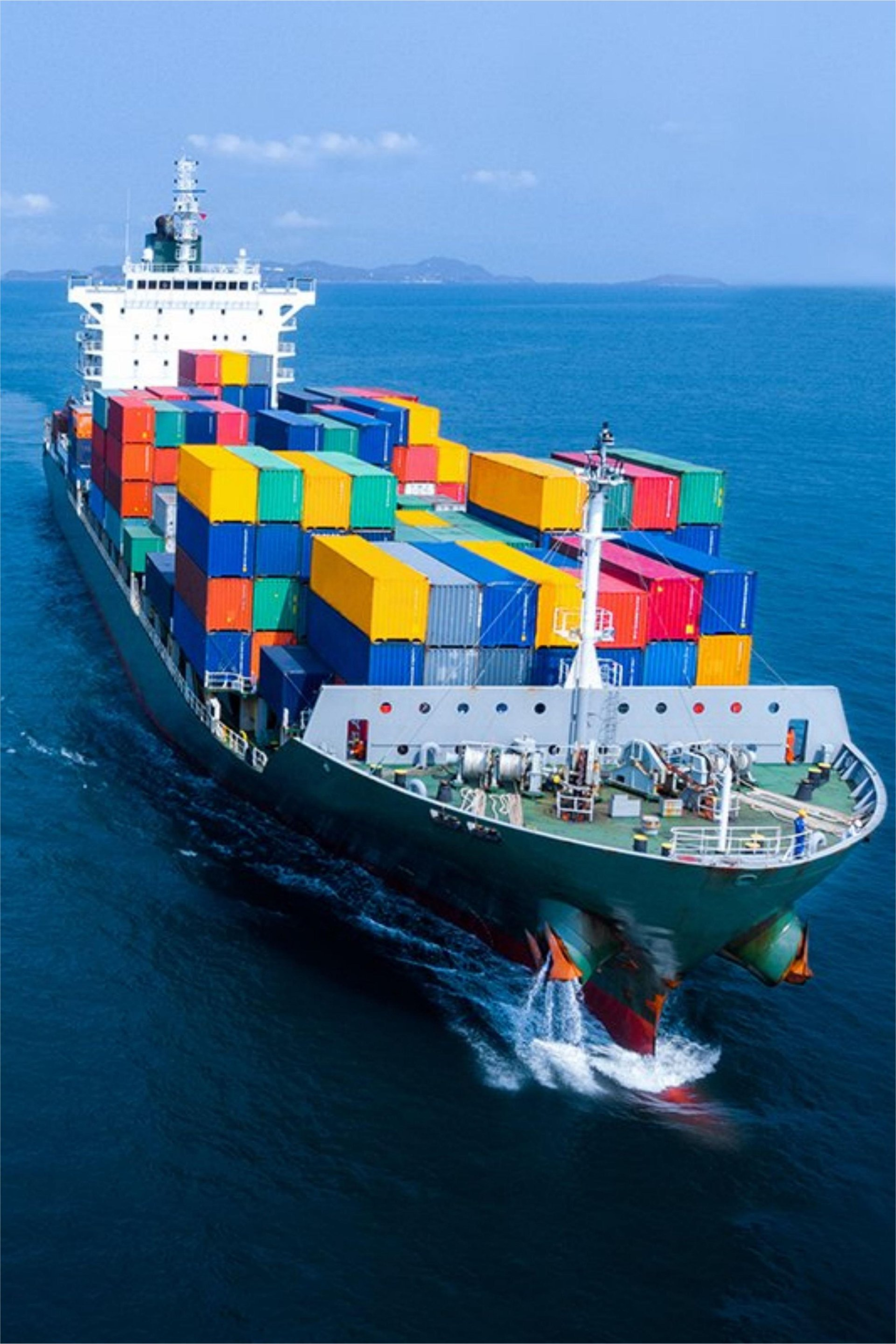
Selecting sea freight remains the most popular choice for businesses moving large volumes of goods due to its cost-effectiveness. In contrast to air transport, ocean shipping allows for the movement of heavy and bulky items that would otherwise be prohibitively expensive. However, the trade-off for these lower costs is a significantly longer transit time, which requires careful inventory management and lead-time planning.
Notably, shippers can choose between Full Container Load (FCL) and Less than Container Load (LCL) depending on their specific volume requirements. For shipments exceeding 15 cubic meters, FCL is generally the more economical and secure option as it provides exclusive use of a container. On the other hand, LCL serves smaller businesses well by allowing them to share container space and only pay for the volume they occupy.
According to industry benchmarks for 2026, sea freight rates have remained competitive, although peak season surcharges still apply during the late summer months. To summarize, while sea freight is the backbone of global trade, it must be balanced against the need for speed in certain high-demand market segments.
| Shipping Method | Cost Range (2026) | Transit Time | Best For |
|---|---|---|---|
| Sea Freight FCL | $1,800 – $2,600 | 15 – 25 Days | Bulk & Heavy Goods |
| Sea Freight LCL | $40 – $75 per CBM | 20 – 30 Days | Small Shipments |
| Air Freight | $4.50 – $7.50/kg | 3 – 6 Days | High-Value Items |
| Express Service | $8.00 – $13.00/kg | 2 – 4 Days | Samples & Documents |
Air Freight vs Sea Freight: Speed vs Cost Analysis
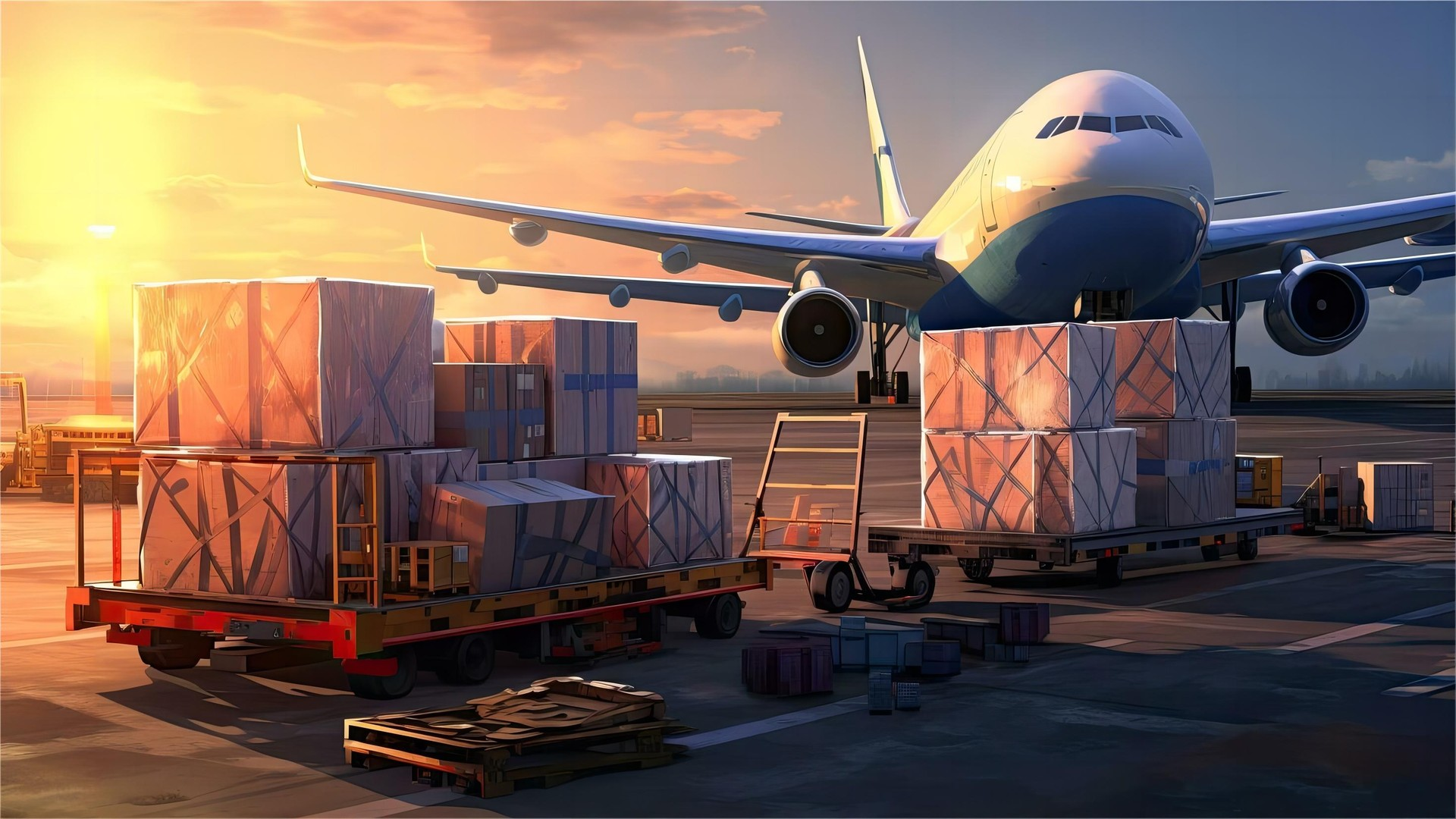
When time is the primary constraint, air freight offers the fastest connection between Chinese manufacturing hubs and Indian commercial centers. For instance, a shipment from Shanghai to Delhi can be delivered in as little as three days, which is crucial for perishable goods or urgent electronics. Consequently, the higher price point of air cargo is often justified by the reduction in inventory holding costs and the ability to meet strict market deadlines.
Moreover, air transport provides a higher level of security and a lower risk of damage compared to the multiple handling points involved in sea transit. Therefore, high-value items like specialized machinery parts or high-end fashion items are typically moved via air to ensure they arrive in pristine condition. Nevertheless, businesses must account for the strict weight and volume restrictions that apply to air shipments, which can limit the types of cargo feasible for this mode.
Additionally, the environmental impact of air freight is significantly higher than sea freight, leading some companies to adopt hybrid solutions to balance speed and sustainability. For example, a sea-air combination via a transshipment hub like Singapore can offer a middle ground in terms of both cost and transit time. Ultimately, the choice between air and sea depends on the specific priorities of the shipment, whether it be budget, speed, or cargo safety.
Utilizing Express Service for Small Imports
For small parcels and urgent samples, an express service provides a seamless door-to-door solution that bypasses many of the complexities of traditional freight. This method is particularly effective for e-commerce sellers and businesses that need to test new products in the Indian market without committing to large volumes. Consequently, the convenience of integrated customs clearance and final-mile delivery makes express shipping a vital tool for agile supply chains.
Furthermore, express carriers offer robust tracking systems that provide end-to-end visibility, which is essential for maintaining customer trust in a digital-first economy. However, because costs are calculated based on either actual weight or volumetric weight, businesses must be mindful of packaging efficiency to avoid unnecessary expenses. Thus, optimizing the dimensions of your parcels can lead to significant savings over multiple shipments.
In addition, express services often handle the payment of duties and taxes on behalf of the importer, streamlining the administrative burden of international trade. Meanwhile, the transit time for these services usually ranges from two to five days, depending on the specific origin and destination cities. Accordingly, while more expensive per kilogram, the total value provided by express shipping makes it a preferred choice for low-volume, high-urgency requirements.
Essential Customs Documentation for India Import Clearance
Navigating the customs brokerage process in India is often cited as the most challenging aspect of the import journey. Since the Indian Customs EDI System (ICES) requires precise data entry, any discrepancy in documentation can lead to significant delays and additional storage charges at the port. Therefore, ensuring that all paperwork is accurate and complete before the cargo departs China is a fundamental requirement for success.
Specifically, the Bill of Entry, Commercial Invoice, and Packing List are the primary documents required for every shipment. Additionally, certain products may require specialized certificates, such as a Certificate of Origin or a BIS (Bureau of Indian Standards) certification for electronic goods. Consequently, failure to provide these documents can result in the cargo being detained or even sent back to the origin at the shipper’s expense.
Notably, the implementation of the Faceless Assessment system in India has aimed to standardize the clearance process and reduce human intervention. However, this also means that the documentation must be self-explanatory and comply strictly with the Harmonized System (HS) codes. Indeed, working with an experienced broker who understands the local nuances of Indian customs can prevent costly errors and ensure a smooth flow of goods.
Customs Documents Checklist
1. Bill of Lading or Airway Bill: Issued by the carrier as a receipt of cargo.
2. Commercial Invoice: Detailing the value, description, and parties involved.
3. Packing List: Itemizing the contents of each package or container.
4. Import License: Required for specific categories of restricted goods.
5. Insurance Certificate: Proving the cargo is covered against transit risks.
6. GATT/DGFT Declarations: Necessary for valuation and trade compliance.
Case Studies: Real-World Import Scenarios
Examining real-world examples helps illustrate the practical challenges and costs associated with import shipping china to India in 2026. These cases reflect typical market conditions and provide a benchmark for your own logistics planning.
Case Study 1: Electronics from Shenzhen to Mumbai. Route: Shenzhen Port to Nhava Sheva. Cargo: 5,000kg smartphone components. Container: 20GP Full Container Load. Shipping Details: Carrier: COSCO, Direct Route. Cost Breakdown: Ocean Freight: $2,150; Origin Charges: $350; Destination Charges: $450; Customs and Duties: $1,200. Timeline: Booking to Loading: 3 days; Sea Transit: 16 days; Customs Clearance: 3 days; Total Door-to-Door: 22 days. Key Insight: Choosing a direct route to Nhava Sheva saved 5 days compared to transshipment via Colombo.
Case Study 2: Industrial Machinery from Ningbo to Chennai. Route: Ningbo Port to Chennai Port. Cargo: 12 CBM specialized textile machinery. Container: LCL (Less than Container Load). Shipping Details: Major carrier via Singapore transshipment. Cost Breakdown: Ocean Freight: $840; Origin Charges: $280; Destination Charges: $320; Customs and Duties: $2,500. Timeline: Booking to Loading: 5 days; Sea Transit: 22 days; Customs Clearance: 4 days; Total Door-to-Door: 31 days. Key Insight: LCL was the most cost-effective method for this volume, despite the longer transit time due to transshipment.
Case Study 3: Urgent Fashion Samples from Guangzhou to Delhi. Route: Guangzhou Airport to IGI Airport Delhi. Cargo: 150kg luxury garments. Method: Air Freight. Shipping Details: Direct flight service. Cost Breakdown: Air Freight: $1,050; Origin/Destination Fees: $200; Customs and Duties: $450. Timeline: Total Door-to-Door: 4 days. Key Insight: Air freight was essential to meet the seasonal launch deadline, justifying the higher cost per kilogram.
Note: Freight rates are subject to change based on fuel costs, carrier capacity, and seasonal demand. Contact us for a current quote tailored to your specific shipment.
Which Shipping Option Should You Choose?
Deciding on the best shipping method requires a careful evaluation of your budget, timeline, and the nature of your cargo. If your primary goal is to minimize costs and you are moving large volumes, sea freight is undoubtedly the most suitable choice. On the other hand, if you are dealing with high-value items or urgent deadlines, the speed of air freight or express services will provide the necessary agility for your business.
Furthermore, businesses should consider a door to door service to simplify their operations and reduce the number of touchpoints in the supply chain. This approach allows the logistics provider to manage every aspect of the journey, from factory pickup in China to final delivery at your warehouse in India. Consequently, this reduces the administrative burden on your team and ensures that accountability remains with a single partner.
Additionally, the volume of your shipment will dictate whether FCL or LCL is more appropriate for your sea freight needs. For shipments between 10 and 15 CBM, it is often worth comparing the cost of a full 20GP container against the LCL rates, as FCL can sometimes be cheaper and faster. To summarize, a balanced logistics strategy often involves a mix of different shipping modes to optimize for both cost and efficiency throughout the year.
Final Thoughts on Importing from China to India
Successfully managing import shipping china to India involves a strategic blend of mode selection, accurate documentation, and proactive communication. By understanding the differences between sea and air freight, businesses can make informed decisions that align with their financial and operational goals. Moreover, staying abreast of the 2026 market trends and regulatory changes in India will help you avoid common pitfalls and delays.
In conclusion, the partnership between your business and a reliable freight forwarder is the foundation of a resilient supply chain. Whether you are moving bulk industrial goods or urgent consumer electronics, the right logistics strategy will ensure your products reach the Indian market efficiently. Start optimizing your import processes today to capitalize on the vast opportunities within the China-India trade corridor.