

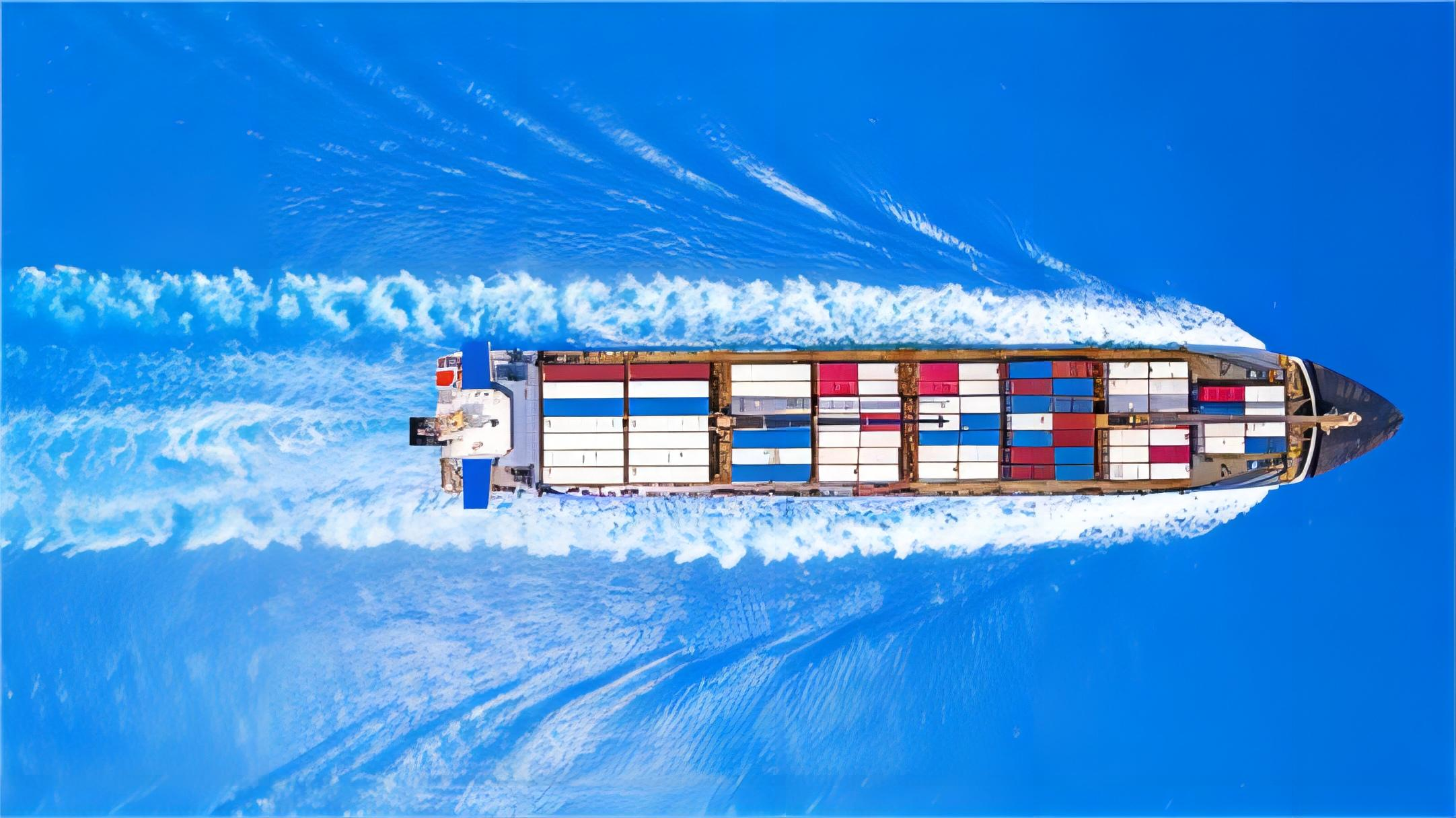
FCL Shipping China to France: The Ultimate 2026 Logistics Guide
Navigating the complexities of international trade requires a robust strategy for FCL shipping China to France. At Top China Logistics, we simplify the process by offering end-to-end management for your full container loads. Consequently, you can focus on scaling your business while we handle the heavy lifting of global ocean transport. This guide provides the most current market data for 2026 to ensure your supply chain remains efficient and cost-effective.

What is FCL Shipping China to France and Why Choose It?
FCL, or Full Container Load, refers to a shipment where one importer occupies an entire shipping container. This method is the primary choice for businesses moving large volumes of goods between China and France. Furthermore, FCL offers superior security since the container remains sealed from the point of origin until it reaches your warehouse.
Choosing FCL shipping China to France provides significant cost advantages for shipments exceeding 15 cubic meters. Additionally, the risk of damage decreases because your cargo does not share space with other shippers’ goods. Consequently, many high-value or fragile shipments utilize this dedicated method to ensure safety.
Moreover, FCL provides faster transit times compared to Less than Container Load (LCL) options. Because the carrier does not need to consolidate or de-consolidate multiple shipments, the container moves directly from the port to your door. Therefore, businesses with strict delivery schedules often prefer the predictability of FCL services.
Advantages of Using a Full Container
Stability in pricing is a major benefit for long-term planning. While freight rates fluctuate, FCL provides a clearer cost-per-unit ratio for large inventories. Specifically, the 40HQ container offers the best value for lightweight, high-volume products.
How Does FCL Shipping China to France Compare to Other Shipping Options?
Understanding the logistics landscape requires an objective look at all available transport modes. While sea freight remains the most popular, alternatives like rail freight and air transport serve specific market niches. For instance, rail offers a middle ground between the speed of air and the economy of the sea.
However, FCL sea freight remains the undisputed leader for bulk commodities and heavy industrial equipment. In contrast, air freight is reserved for emergency restocks or high-value perishables due to its extreme cost. Meanwhile, LCL is better suited for small startups testing the French market with limited inventory.
As of early 2026, many shippers are exploring hybrid solutions to balance costs. Nevertheless, the volume capacity of a 40-foot container is hard to beat for established retailers. Below is a detailed comparison of the primary methods used for this route.
| Shipping Method | Cost Range (USD) | Transit Time | Best For | Limitations |
|---|---|---|---|---|
| FCL Sea Freight | $2,200 – $4,500 | 30 – 40 Days | Bulk goods/Regular stock | Longer transit time |
| LCL Sea Freight | $50 – $120/CBM | 35 – 45 Days | Small shipments | Higher risk of damage |
| Rail Freight | $4,000 – $6,500 | 18 – 24 Days | Time-sensitive cargo | Limited to rail hubs |
| Air Freight | $4.50 – $9.00/kg | 5 – 8 Days | Urgent/Perishable | Very high cost |

Which Option Should You Choose for Your French Imports?
Selecting the right method depends on your specific business priorities and budget constraints. If your primary goal is cost reduction, sea freight in a full container is the most logical choice. This method allows you to maximize your margin by lowering the landed cost per unit.
On the other hand, if you are launching a new product and need it in Paris within three weeks, rail might be the better alternative. For those managing complex distributions, a door-to-door service simplifies the entire process. Consider the following decision framework to guide your choice.
Decision Framework for Importers
Budget Priority: Choose FCL Sea Freight for the lowest rates. Speed Priority: Choose Air Freight or Rail Freight depending on the urgency. Volume Thresholds: If your cargo is over 15 CBM, always choose FCL over LCL. For shipments between 10-15 CBM, compare the price of a 20GP container against LCL rates, as FCL is often cheaper in this range.
Key Ports and Routes for FCL Shipping China to France
China’s massive coastline features several world-class ports that handle the majority of France-bound cargo. Most shipments originate from the East and South, where manufacturing hubs are concentrated. Specifically, Shanghai and Ningbo are the top choices for northern and central French destinations.
In France, the choice of port depends on the final delivery location of your goods. Le Havre is the primary gateway for Paris and the northern regions, while Marseille serves the southern Mediterranean coast. Selecting the correct port of discharge can significantly reduce inland trucking costs.
Moreover, direct routes are available but may command a premium price. Transshipment via hubs like Singapore or Tangier can offer lower rates but add several days to the schedule. Shippers should evaluate the trade-off between transit speed and budget.
| Origin Port (China) | Destination Port (France) | Transit Time (Days) | Route Type |
|---|---|---|---|
| Shanghai | Le Havre | 32 – 35 | Direct |
| Shenzhen | Marseille | 28 – 30 | Direct |
| Ningbo | Le Havre | 34 – 38 | Transshipment |
| Qingdao | Fos-sur-Mer | 35 – 40 | Direct |
Understanding 2026 Shipping Costs and Pricing Factors
As of Q1 2026, freight rates from China to Europe have stabilized following the logistical shifts of previous years. However, several factors still influence the final price you pay for FCL shipping China to France. Fuel surcharges and seasonal demand spikes remain the most volatile components of your quote.
Typically, rates increase by 15-25% during the peak season from August to October as retailers prepare for the holiday rush. Additionally, the type of container you choose—20GP, 40GP, or 40HQ—will dictate the base ocean freight rate. Consequently, early booking is highly recommended to secure space and lock in better pricing.
Market data suggests that the average cost for a 40HQ container from Shenzhen to Le Havre currently ranges between $3,200 and $4,200. Note: Freight rates are subject to change based on fuel costs, carrier capacity, and seasonal demand. Contact us for a current quote tailored to your specific shipment.
Cost-Saving Strategies for French Importers
To save money, try to avoid shipping during the two weeks before Chinese New Year. Furthermore, optimizing your packaging to fit more units into a single container can lower your per-unit cost. Indeed, many successful importers use ‘off-peak’ windows to restock their inventories at a lower rate.

The Role of Customs Brokerage and Documentation
Navigating French customs is often the most challenging part of the import process. France has strict regulations regarding product safety, environmental standards, and tax compliance. Therefore, engaging a professional customs brokerage service is vital for avoiding costly delays.
You must provide a comprehensive set of documents for every FCL shipment. This includes the Bill of Lading, Commercial Invoice, and Packing List. Additionally, certain products may require a Certificate of Origin or CE marking to enter the European market. Failure to provide these documents can result in container detention and high port storage fees.
Moreover, the French VAT system requires careful handling to ensure you are not overpaying on your imports. Many businesses now use postponed VAT accounting to improve cash flow. Understanding these fiscal nuances is just as important as the physical transport of your goods.
Real-World Case Studies: FCL Shipping Success
Examining real scenarios helps illustrate the practical application of these logistics strategies. Below are two examples based on actual shipments managed during the 2025-2026 period. These cases highlight the importance of port selection and timing.
Case Study 1: Electronics Distribution. Route: Shenzhen to Le Havre. Cargo: Consumer electronics, 65 CBM. Container: 40HQ. Carrier: Major carrier. Port of Loading: Shenzhen (Yantian). Port of Discharge: Le Havre. Route: Direct. Ocean Freight: $3,850. Origin Charges: $450. Destination Charges: $550. Customs and Duties: $4,200. Total Landed Cost: $9,050. Timeline: Booking to Loading: 4 days. Sea Transit: 33 days. Customs Clearance: 2 days. Total Door-to-Door: 42 days. Key Insight: Direct routing saved 6 days compared to transshipment, allowing the client to meet a product launch deadline.
Case Study 2: Furniture Import. Route: Ningbo to Marseille. Cargo: Wooden furniture, 28 CBM. Container: 20GP. Carrier: Major carrier. Port of Loading: Ningbo. Port of Discharge: Marseille (Fos-sur-Mer). Route: Transshipment via Singapore. Ocean Freight: $2,100. Origin Charges: $380. Destination Charges: $480. Customs and Duties: $1,200. Total Landed Cost: $4,160. Timeline: Booking to Loading: 5 days. Sea Transit: 30 days. Customs Clearance: 3 days. Total Door-to-Door: 45 days. Key Insight: Choosing a southern port saved the client $800 in inland trucking costs to their Lyon warehouse.
Trends Affecting FCL Shipping China to France in 2026
The logistics industry is undergoing a digital transformation that benefits shippers worldwide. Real-time tracking and automated documentation are now standard features for high-quality shipping to Europe. Consequently, importers have better visibility into their supply chains than ever before.
Sustainability is another major trend influencing carrier choices in 2026. Many French companies now prioritize carriers that use LNG-powered vessels or offer carbon offset programs. While these ‘green’ options may cost slightly more, they help businesses meet their environmental targets and appeal to eco-conscious consumers.
Furthermore, port automation in both Shanghai and Le Havre has improved container handling efficiency. This has led to a slight reduction in port dwell times, which were a major bottleneck in previous years. Staying informed about these trends allows you to adapt your strategy and maintain a competitive edge.
Mastering Your FCL Logistics Strategy
In summary, FCL shipping China to France remains the most efficient way to transport large volumes of goods across the globe. By understanding the costs, transit times, and documentation requirements, you can build a more resilient supply chain. Whether you are shipping electronics, furniture, or industrial machinery, the right logistics partner makes all the difference.
As we move through 2026, staying flexible and informed will be your greatest asset. We encourage you to use the data and case studies provided here to optimize your next shipment. For personalized assistance with your FCL shipping China to France, our team is always ready to help you navigate the waves of international trade.
Need a tailored shipping solution?
Streamline your supply chain today with professional FCL shipping China to France services. Contact Top China Logistics for a custom quote and let our experts handle your container logistics from port to door. Visit topchinalogistics.com to start your inquiry.