

Air Freight China to France: 2026 Shipping Guide and Costs
Navigating the complexities of international trade requires a reliable logistics partner to ensure your goods arrive safely and on time. If you are looking to optimize your supply chain, Top China Logistics provides comprehensive solutions for air freight china to France that cater to various business needs. Consequently, understanding the nuances of this route will help you make informed decisions regarding speed, cost, and efficiency in the 2026 market.

How Does Air Freight China to France Compare to Other Shipping Options?
Choosing the right transportation mode is a critical decision for any importer or exporter. While air freight is often the fastest method, you must weigh its benefits against other available options like sea or rail transport. Moreover, the choice often depends on your specific cargo type, budget constraints, and delivery deadlines.
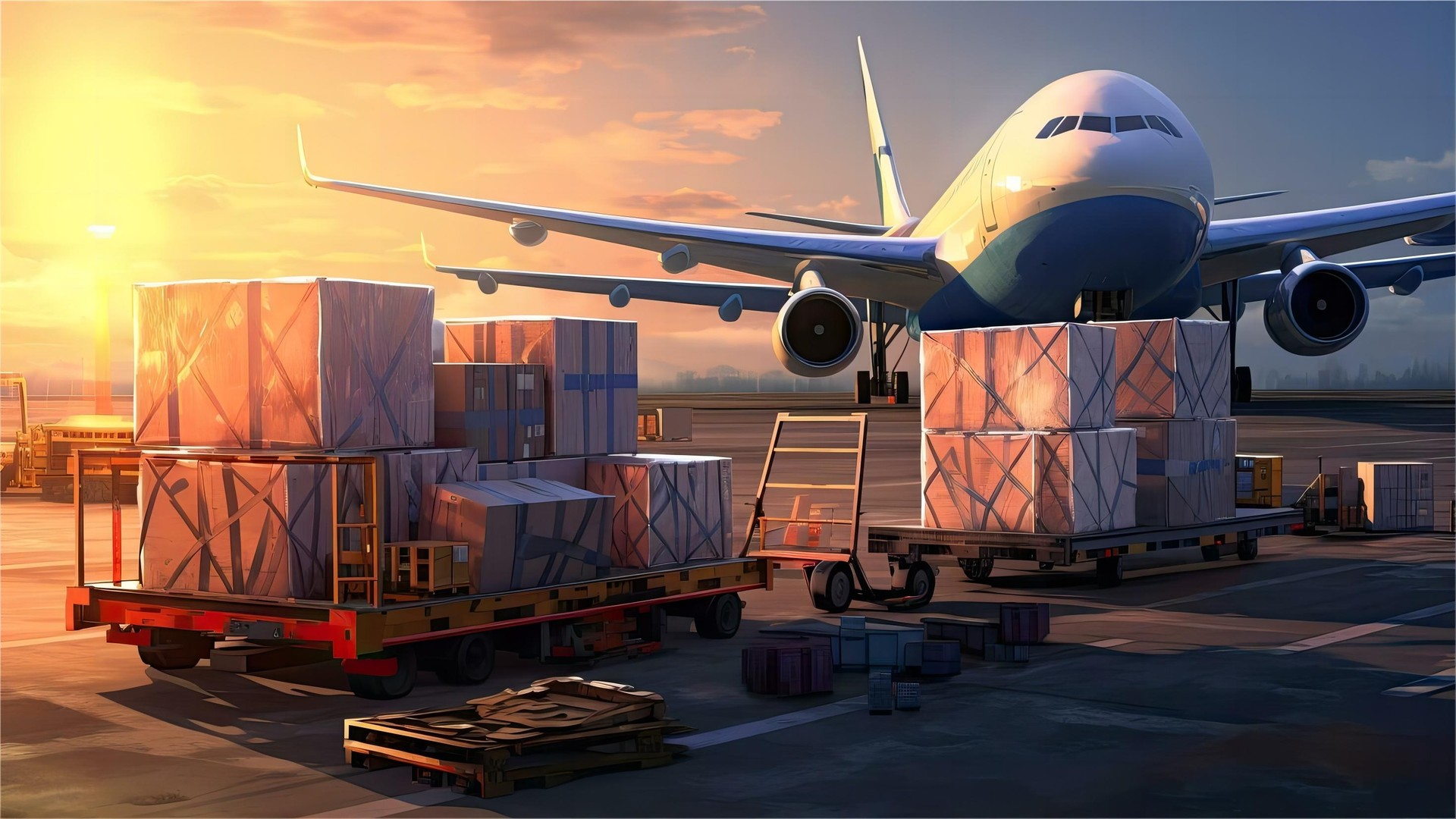
Air freight offers unparalleled speed, typically delivering goods within a week. Furthermore, it provides higher security and lower risk of damage compared to other modes. However, the cost per kilogram is significantly higher than sea freight, making it more suitable for high-value or time-sensitive items.
Sea freight remains the most economical choice for large volumes. Consequently, businesses moving heavy machinery or bulk raw materials often prefer this method despite the longer transit times. Meanwhile, rail freight has emerged as a middle-ground solution, offering faster delivery than the ocean but at a lower cost than the air.
Specifically, the 2026 market has seen a stabilization in rates across all modes. Nevertheless, air freight remains the primary choice for electronics, fashion, and perishable goods. Indeed, the reliability of flight schedules makes it the preferred option for maintaining lean inventory levels.
| Shipping Method | Cost Range | Transit Time | Best For |
|---|---|---|---|
| Air Freight | $4.50 – $8.50/kg | 3 – 7 Days | Urgent & High-Value |
| Sea Freight | $150 – $350/CBM | 30 – 45 Days | Bulk & Heavy Cargo |
| Rail Freight | $1.50 – $3.20/kg | 15 – 22 Days | Balanced Cost/Speed |
| Express | $7.00 – $12.00/kg | 2 – 4 Days | Small Parcels |
Understanding Air Freight China to France Costs in 2026
Calculating the total cost of your shipment involves more than just the base freight rate. For instance, you must account for fuel surcharges, security fees, and handling charges at both the origin and destination. Additionally, the chargeable weight is determined by either the actual weight or the volumetric weight of the cargo.
Freight rates fluctuate based on seasonal demand and carrier capacity. During the peak season from August to October, prices typically increase by 15-25% due to higher volumes. Therefore, booking your air freight services in advance can help secure better rates and guaranteed space.
Market data from early 2026 suggests that average rates for the China-France route have stabilized. Currently, shippers can expect to pay between $4.50 and $8.50 per kilogram for standard cargo. However, specialized shipments like lithium batteries or dangerous goods will incur additional surcharges.
Note: Freight rates are subject to change based on fuel costs, carrier capacity, and seasonal demand. Contact us for a current quote tailored to your specific shipment.
Transit Times and Schedules for Air Cargo to France
Speed is the primary advantage of utilizing air freight for your logistics needs. Generally, a direct flight from major Chinese hubs like Shanghai or Shenzhen to Paris takes about 11 to 13 hours. Nevertheless, the total door-to-door transit time includes customs clearance and local trucking.
Standard air service usually takes 5 to 7 days from warehouse to warehouse. If you require even faster delivery, express service options can reduce this to 3 or 4 days. Consequently, air freight is the ideal solution for meeting tight production deadlines or responding to sudden market changes.
Transit times can also be affected by the choice of airport and the frequency of flights. Major French airports like Charles de Gaulle (CDG) receive multiple daily flights from China, ensuring a consistent delivery schedule. Meanwhile, regional airports may have fewer connections, potentially adding a day or two to the total timeline.
| Origin City | Destination City | Service Type | Transit Time |
|---|---|---|---|
| Shanghai | Paris (CDG) | Direct Air | 3 – 5 Days |
| Shenzhen | Lyon (LYS) | Standard Air | 5 – 7 Days |
| Guangzhou | Marseille (MRS) | Economy Air | 7 – 9 Days |
| Beijing | Paris (CDG) | Express | 2 – 4 Days |
Major Airports and Logistics Hubs for Air Freight China to France
Identifying the most efficient departure and arrival points can significantly impact your logistics efficiency. China boasts several world-class airports that serve as major gateways for international trade. For example, Shanghai Pudong (PVG) is the busiest cargo hub in the country, offering extensive connections to Europe.
Shenzhen Bao’an (SZX) and Guangzhou Baiyun (CAN) are also vital for shipments originating in Southern China’s manufacturing zones. These airports provide specialized handling for electronics and high-tech equipment. Furthermore, Beijing Capital (PEK) serves as a primary hub for Northern China cargo.
France features a well-developed aviation infrastructure that facilitates smooth cargo handling. Paris Charles de Gaulle (CDG) is the leading cargo airport in France and one of the largest in Europe. Additionally, airports in Lyon and Marseille provide excellent access to regional markets and industrial centers.
Utilizing a reliable door to door service ensures that your goods move seamlessly from these hubs to their final destination. Indeed, efficient ground transportation from the airport is just as important as the flight itself.
Essential Documentation for Customs Clearance in France
Navigating the regulatory environment is one of the most challenging aspects of international shipping. To ensure a smooth process, you must provide accurate and complete documentation to the authorities. Moreover, failure to comply with French customs regulations can lead to delays and additional storage costs.
Standard documents include the commercial invoice, packing list, and the Air Waybill (AWB). Furthermore, certain products may require specific certificates, such as a Certificate of Origin or a CE declaration for electronics. Consequently, working with an experienced customs brokerage professional is highly recommended.
French customs operate under the European Union’s Union Customs Code (UCC). Therefore, your goods must be correctly classified using the Harmonized System (HS) code to determine the applicable duties and taxes. In addition, ensure that your EORI number is valid and correctly stated on all paperwork.
| Document Name | Required For | Key Information | Source |
|---|---|---|---|
| Commercial Invoice | All Shipments | Value, Description | Seller/Exporter |
| Packing List | All Shipments | Weight, Dimensions | Seller/Exporter |
| Air Waybill (AWB) | Air Freight | Tracking, Route | Freight Forwarder |
| Certificate of Origin | Specific Goods | Manufacturing Site | Chamber of Commerce |
Which Option Should You Choose for Your Specific Needs?
Determining the best shipping method requires a careful analysis of your business priorities. If your primary goal is speed and reliability, air freight china to France is undoubtedly the top choice. However, for those focused strictly on cost reduction, other methods might be more appropriate.
Budget priority: Recommend sea freight for shipments where timing is flexible and volume is high. This approach minimizes the cost per unit, although it requires longer lead times. On the other hand, for shipments under 100kg, express air courier is often the most cost-effective.
Speed priority: Recommend air freight for urgent orders or seasonal product launches. For instance, fashion brands often use air transport to quickly restock popular items. Without a doubt, the ability to respond to market trends in real-time provides a significant competitive advantage.
Cargo type considerations: Recommend air freight for perishable goods, pharmaceuticals, or high-value electronics. These items require fast transit and specialized handling to maintain their integrity. Conversely, bulky or hazardous materials that are restricted on aircraft may be better suited for sea or rail transport.
Real-World Case Studies of China to France Shipments
Case Study 1: Urgent Electronics Delivery. Route: Shenzhen to Paris. Cargo: 500kg of high-end smartphones. Method: Direct Air Freight. Carrier: Air France Cargo. Port of Loading: SZX. Port of Discharge: CDG. Total Cost: $3,250. Transit Time: 4 days. Key Insight: Choosing a direct flight prevented delays during the Q4 peak season.
Case Study 2: Industrial Spare Parts. Route: Shanghai to Lyon. Cargo: 1,200kg of precision machinery components. Method: Standard Air Freight. Carrier: China Cargo Airlines. Route Type: Transshipment via Frankfurt. Total Cost: $6,800. Transit Time: 7 days. Key Insight: Using a transshipment route saved 15% on freight costs compared to a direct flight.
Case Study 3: Fashion Apparel Restock. Route: Guangzhou to Marseille. Cargo: 300kg of seasonal clothing. Method: Express Service. Carrier: DHL. Total Cost: $2,700. Transit Time: 3 days. Key Insight: Fast delivery allowed the retailer to capitalize on a sudden trend, maximizing their profit margins.
Alternative Strategies and Hybrid Solutions
Implementing hybrid logistics solutions can often provide a balance between speed and cost. For example, sea-air combinations involve shipping goods by sea to a hub like Dubai or Singapore and then flying them to France. This method can save up to 40% compared to pure air freight while being much faster than pure sea freight.
Rail-sea combinations are another alternative, especially for goods originating in inland China. Additionally, consolidated shipping (LCL) within air freight allows small businesses to share cargo space and reduce individual costs. Consequently, exploring these alternative approaches can lead to significant savings.
Cost-saving strategies also include optimizing your packaging to reduce volumetric weight. Furthermore, consolidating multiple small shipments into one larger air freight booking can lower the rate per kilogram. Ultimately, a flexible logistics strategy allows you to adapt to changing market conditions and budget requirements.
Summary of Air Freight Logistics for 2026
To summarize, air freight china to France remains the gold standard for speed and reliability in international trade. While the costs are higher than other modes, the benefits of fast delivery and secure handling are invaluable for many industries. By understanding the market trends of 2026 and choosing the right logistics partner, you can ensure your goods reach the French market efficiently.
Moreover, the key to success lies in careful planning and accurate documentation. Consequently, businesses that prioritize their shipping strategy will find themselves better positioned to compete in the global marketplace. Indeed, air freight is more than just a transportation method; it is a vital component of a modern, agile supply chain.
Get Your Shipping Quote Today
Optimizing your logistics for air freight china to France has never been easier with our expert team at Top China Logistics. Whether you are shipping urgent electronics or high-value fashion, we provide the reliable service your business deserves. Visit our website today to request a personalized quote and see how we can streamline your international supply chain. Visit: https://topchinalogistics.com/
Request Quote