


FCL Shipping China to Australia: The Complete 2026 Logistics Guide
FCL shipping China to Australia remains the primary choice for businesses importing large volumes of commercial goods across the Pacific. Navigating the complexities of international logistics requires a reliable partner like Top China Logistics to ensure your supply chain remains efficient and cost-effective. As we move through 2026, understanding the nuances of full container load logistics is essential for maintaining a competitive edge in the Australian market.
What is FCL Shipping China to Australia?
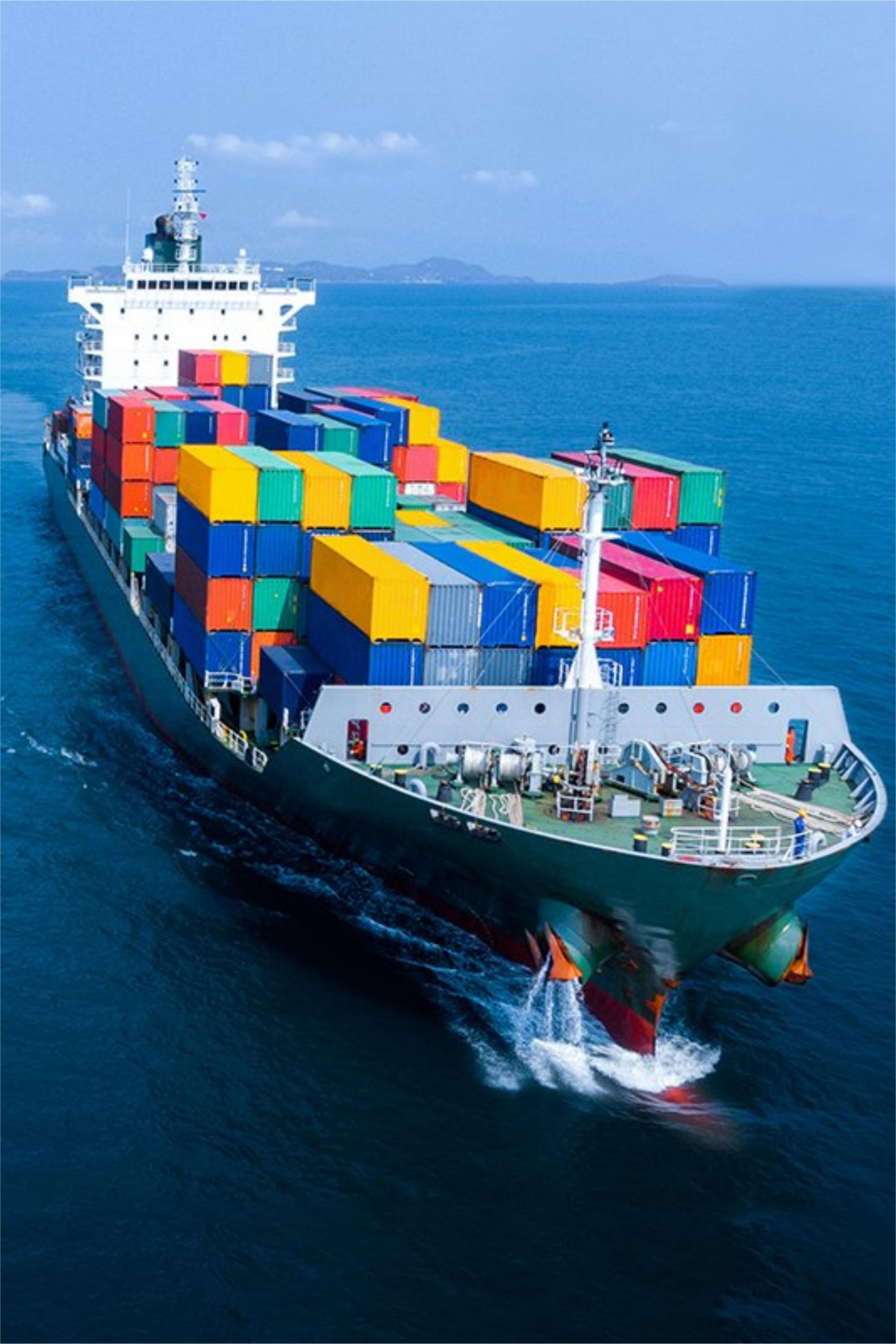
Full Container Load shipping, commonly known as FCL, involves renting an entire shipping container for your exclusive use. This method is particularly beneficial for businesses importing large quantities of goods through the Australia trade route. Unlike shared container services, FCL provides a dedicated space that ensures your cargo remains undisturbed throughout the journey.
Moreover, FCL shipping offers enhanced security for sensitive or high-value items because the container is sealed at the point of origin. Consequently, the risk of damage or loss during handling is significantly reduced compared to other ocean freight methods. Therefore, many Australian importers prefer this strategy for bulk inventory shipments and heavy machinery.
Additionally, the process is streamlined because there is no need to wait for other shippers to fill the container. Furthermore, transit times are generally more predictable, allowing for better inventory management and warehouse planning. As a result, businesses can maintain a steady flow of products to meet consumer demand in Sydney, Melbourne, and Brisbane.
Benefits of Choosing FCL for Your Logistics Strategy
Choosing FCL for your sea freight needs provides several distinct advantages over smaller shipment methods. Firstly, the cost per unit is typically much lower when you fill a 20-foot or 40-foot container. This economy of scale is vital for businesses looking to maximize their profit margins on imported goods.
In addition, FCL shipments are handled fewer times than LCL shipments, which reduces the likelihood of logistical errors. For instance, once the cargo is loaded in China, it usually stays in the same container until it reaches your warehouse in Australia. Indeed, this simplified handling process is a major factor in the reliability of the FCL model.
Meanwhile, the flexibility of container sizes allows you to tailor your shipping volume to your specific inventory needs. Whether you require a standard 20GP or a high-cube 40HQ container, FCL provides the capacity necessary for diverse cargo types. Consequently, it supports a wide range of industries from retail to industrial manufacturing.
How Does FCL Shipping Compare to Other Shipping Options?
While FCL is highly efficient for large volumes, it is important to consider how it stacks up against alternatives like LCL or air freight. For example, if you are shipping less than 15 cubic meters, LCL might be more cost-effective despite the longer handling times. However, for anything above that threshold, FCL almost always wins on price and speed.
On the other hand, air freight offers unmatched speed for urgent deliveries but comes at a significantly higher price point. Therefore, businesses must weigh the urgency of their shipment against their overall logistics budget. To illustrate these differences, we have compiled a comparison of the most common shipping methods used in 2026.
Specifically, hybrid solutions like sea-air freight have gained popularity for those seeking a middle ground between cost and speed. Nevertheless, for the majority of bulk trade between China and Australia, FCL remains the gold standard for reliability and value.
| Shipping Method | Cost Range | Transit Time | Best For |
|---|---|---|---|
| FCL (20GP) | $900 – $1,300 | 12-18 Days | Bulk Commercial Goods |
| LCL (Per CBM) | $60 – $160 | 18-25 Days | Small Inventories |
| Air Freight | $5 – $9 /kg | 3-7 Days | Urgent/High Value |
| Sea-Air | $3 – $5 /kg | 10-14 Days | Medium Urgency |
Transit Times and Major Ports for China-Australia Routes
The transit time for FCL shipping China to Australia varies depending on the specific port of loading and the final destination. Typically, shipments from southern China ports like Shenzhen or Guangzhou reach Australian ports faster than those from northern ports like Qingdao. For instance, a direct route from Shenzhen to Sydney can take as little as 12 days.
Furthermore, choosing door to door services can simplify the entire process by managing the final mile delivery. This approach ensures that once the container is unloaded at the port, it is quickly transported to your facility. Consequently, businesses can avoid the logistical headaches of coordinating multiple transport providers.
Additionally, port congestion and seasonal demand can influence the total delivery schedule. During peak seasons, such as the lead-up to the Australian Christmas period, it is wise to book shipments at least 3-4 weeks in advance. As a result, you can secure space on the vessel and avoid potential delays in the supply chain.
| Origin Port | Destination Port | Avg. Sea Transit | Total Door-to-Door |
|---|---|---|---|
| Shenzhen | Sydney | 12-14 Days | 18-22 Days |
| Shanghai | Melbourne | 15-18 Days | 22-26 Days |
| Ningbo | Brisbane | 14-17 Days | 20-25 Days |
| Qingdao | Perth | 18-22 Days | 25-30 Days |
Understanding FCL Shipping Costs and 2026 Pricing Trends
As of early 2026, freight rates for FCL shipping China to Australia have stabilized following the volatility of previous years. Currently, the market reflects a balanced supply of container capacity and steady demand for Australian exports. However, factors such as fuel surcharges and seasonal peaks still play a role in final pricing.
Moreover, it is important to distinguish between the base ocean freight and the total landed cost. The total cost includes origin charges, destination fees, and customs duties that must be accounted for in your budget. For example, port handling charges in Australia can be significant, especially in major hubs like Melbourne or Sydney.
Consequently, importers should always request a comprehensive quote that breaks down every expense. This transparency allows for better financial planning and prevents unexpected costs from arising during the shipping process. Indeed, working with an experienced freight forwarder is the best way to navigate these pricing structures effectively.
2026 Market Price Estimates
Based on Q1 2026 market data, a 20GP container from China to Australia typically ranges from $900 to $1,200. For larger volumes, a 40HQ container generally costs between $1,500 and $2,000 depending on the specific carrier and route. These rates are subject to change based on global economic conditions and fuel price fluctuations.
Note: Freight rates are subject to change based on fuel costs, carrier capacity, and seasonal demand. Contact us for a current quote tailored to your specific shipment.
Essential Documentation and Customs Brokerage
Navigating Australian customs requires meticulous attention to detail and accurate documentation to avoid costly delays. Utilizing a professional customs brokerage service is highly recommended for FCL shipments. This ensures that all paperwork, such as the Bill of Lading and Commercial Invoice, complies with Australian Border Force regulations.
In addition, certain goods may require specific permits or treatments, such as fumigation for timber products. Failure to provide the correct certificates can result in the container being held at the port or even returned to China. Therefore, preparing your documentation well in advance of the vessel’s arrival is a critical step in the logistics chain.
Furthermore, understanding the Free Trade Agreement between China and Australia can help you minimize import duties. Many products qualify for reduced or zero tariffs, provided the correct Origin Certificates are presented. Consequently, staying informed about trade policies can lead to significant cost savings for your business.
Real-World Case Studies for FCL Shipping
To better understand how FCL shipping China to Australia works in practice, let us examine some realistic scenarios from 2026. These examples illustrate the costs, timelines, and logistical considerations involved in different types of shipments. Specifically, they highlight how various factors influence the final outcome of the delivery process.
Case Study 1: Electronics from Shenzhen to Sydney. A retail business imported 25 CBM of consumer electronics using a 20GP container. The total ocean freight was $1,050, with a transit time of 13 days from port to port. Including customs clearance and local delivery, the total door-to-door time was 19 days, allowing the business to restock their shelves ahead of a major sale.
Case Study 2: Furniture from Ningbo to Melbourne. A furniture wholesaler utilized a 40HQ container to transport 65 CBM of home office equipment. The ocean freight cost was $1,850, and the shipment faced minor delays due to port congestion in Melbourne. Despite this, the total landed cost remained within budget, and the goods arrived in 24 days, demonstrating the reliability of large-scale FCL logistics.
Which Option Should You Choose?
Deciding on the best shipping method depends on your specific business priorities and the nature of your cargo. If your primary concern is budget and you have a high volume of goods, FCL shipping is almost certainly the best choice. On the other hand, if you are shipping small batches for Amazon FBA, LCL might be more appropriate initially.
For speed-sensitive items, air freight remains the top option despite the premium cost involved in the service. However, for most general merchandise, the 12-18 day transit time of FCL provides a perfect balance of speed and affordability. Therefore, analyzing your inventory turnover and lead times is essential for making the right decision.
Ultimately, the best strategy often involves a mix of methods depending on the season and product demand. For instance, you might use FCL for your main stock and air freight for urgent top-ups during peak sales periods. This diversified approach ensures that your supply chain remains resilient and responsive to market changes.
Final Thoughts on FCL Logistics
FCL shipping China to Australia continues to be the backbone of trade between these two major economic partners. By choosing a full container load, businesses benefit from lower costs, increased security, and faster transit times compared to shared shipping methods. As we have seen, the stability of the 2026 market makes this an ideal time to refine your import strategies.
Success in international trade requires more than just moving goods; it requires a strategic approach to documentation, port selection, and cost management. By leveraging the expertise of professional logistics providers, you can ensure that your cargo arrives safely and on schedule. Start planning your next FCL shipment today to take advantage of current market rates and efficient shipping routes.

Need a tailored shipping solution?
Ready to optimize your supply chain with FCL shipping China to Australia? Contact our expert team today to receive a customized quote and streamline your international logistics. Visit Top China Logistics to get started on your next shipment. Send Inquiry: https://topchinalogistics.com/contact-us/