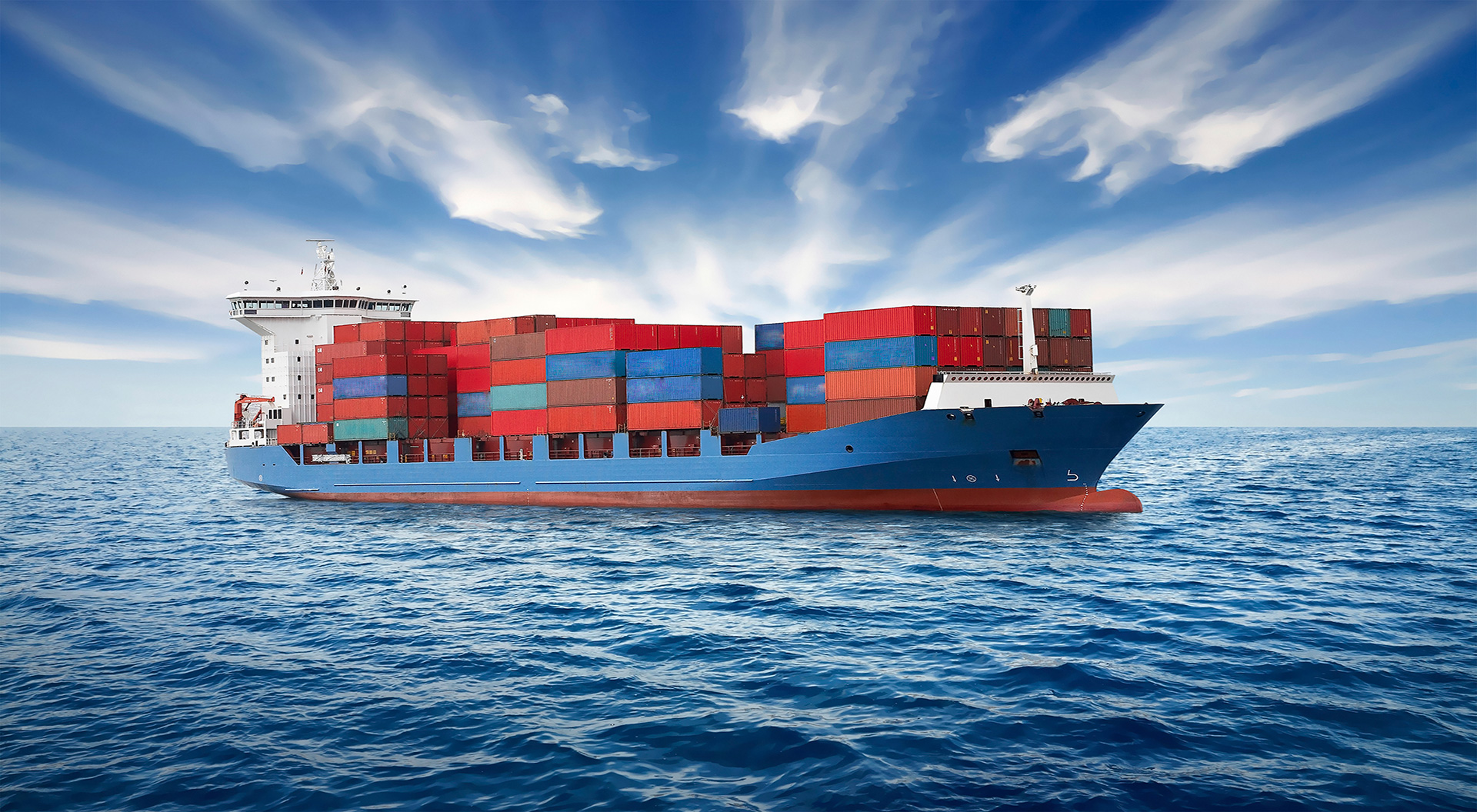
TopChinaLogistics provides reliable and fully integrated logistics solutions for shipping from China to Australia, covering sea freight, air freight, and professionally managed door-to-door delivery services. With extensive experience on China–Australia trade routes and strong carrier partnerships, we help importers achieve stable transit times, optimized freight costs, and clear shipment coordination across every logistics stage.
From export documentation and cargo handling in China to customs coordination and inland delivery across Australia, our experienced team manages each step with precision. Whether shipping machinery, electronics, construction materials, consumer goods, or general commercial cargo, TopChinaLogistics delivers secure, efficient, and well-organized logistics solutions tailored to Australia-bound shipments.
Our sea freight service from China to Australia supports both FCL and LCL shipments, with frequent departures from major Chinese ports such as Shenzhen, Shanghai, Ningbo, Qingdao, and Xiamen. Cargo is mainly discharged at Sydney, Melbourne, Brisbane, or Fremantle, followed by coordinated inland transportation nationwide. Sea freight is a cost-effective solution for large-volume and non-urgent cargo, offering stable sailing schedules, flexible capacity, and reliable transit planning on China–Australia routes.

TopChinaLogistics offers structured and reliable air freight services from China to Australia for urgent or high-value shipments. We arrange departures from Shenzhen, Guangzhou, Shanghai, Beijing, and Hong Kong, with direct or connecting flights to Sydney (SYD), Melbourne (MEL), Brisbane (BNE), and Perth (PER). This service is suitable for time-sensitive cargo such as electronics, spare parts, medical supplies, and priority commercial goods, ensuring accurate documentation and predictable handling.
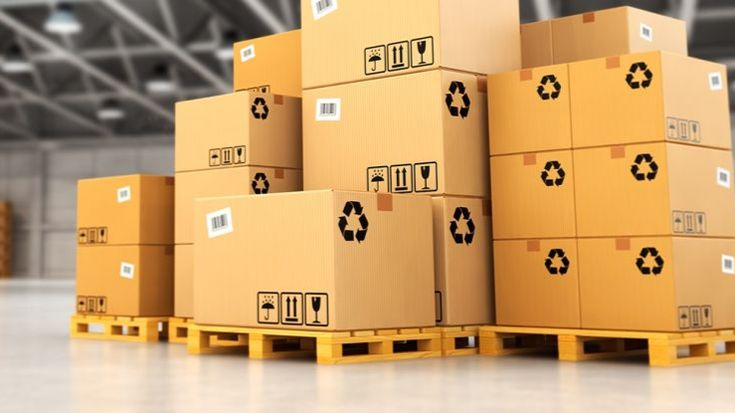
Our door-to-door shipping service from China to Australia provides a fully managed logistics solution from factory pickup to final delivery. TopChinaLogistics handles export clearance in China, international transportation, Australia import customs clearance, duties & GST coordination, quarantine support, and last-mile delivery to your warehouse, distribution center, or business address. This service reduces coordination workload, improves shipment control, and ensures smooth cargo movement from origin to destination.

TopChinaLogistics provides professional Full Container Load (FCL) shipping from China to Australia for shippers with medium to large cargo volumes. We support 20GP, 40GP, and 40HQ containers, offering exclusive container use, reduced cargo handling, and enhanced shipment security.
FCL shipping is well suited for machinery, construction materials, industrial equipment, furniture, and bulk commercial goods, with stable routing and organized delivery.
For smaller shipments, our Less than Container Load (LCL) service from China to Australia allows you to ship efficiently without booking a full container. Cargo is consolidated at our China warehouses, professionally packed and labeled, and shipped to Australia with coordinated deconsolidation and inland delivery.
LCL is a cost-effective option for SMEs, spare parts, samples, and small commercial consignments, providing professional handling and dependable logistics support.
Top China Logistics will provide most fuel efficient pickup service China
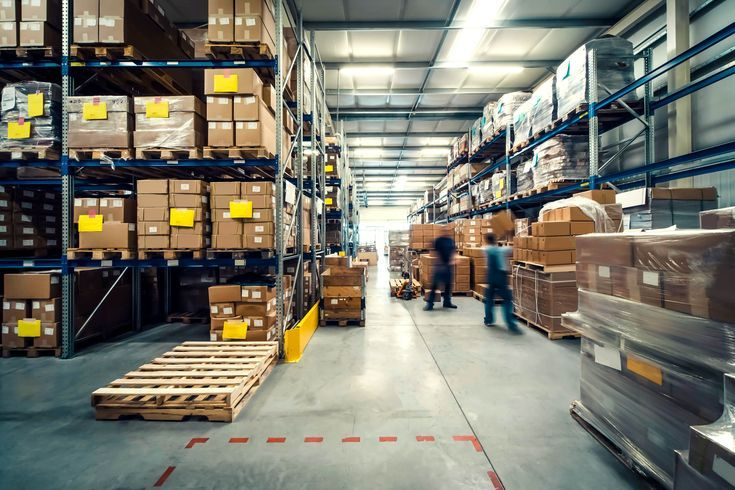
We provide free warehousing services for any of your goods.

The cargo insurance protects your goods all the way to any Any FBA Warehouse
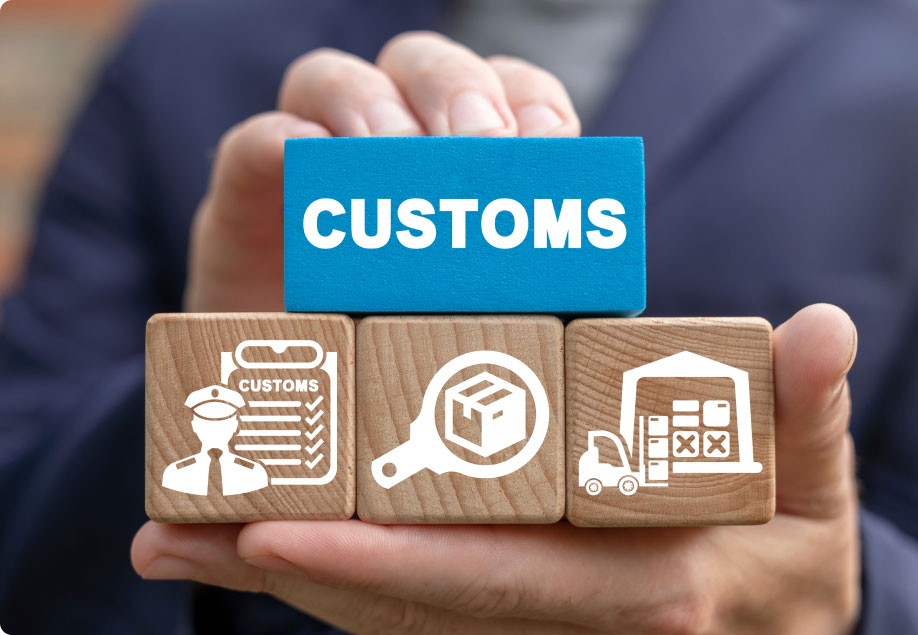
We handle all paperwork and other details for you.

Ensure safe packaging and loading of goods in your suppliers' factory.

Customs regulations can impact shipping times due to inspections, documentation requirements, and compliance checks. Specifically, incomplete or incorrect paperwork often causes delays. To prevent such issues, ensuring accurate documentation and compliance with Australian import regulations minimizes hold-ups at customs.
Challenges include navigating customs regulations, managing transit delays, dealing with packaging and handling issues, and fluctuating shipping costs. Additionally, weather conditions and geopolitical factors can affect delivery times. Proper planning, choosing reliable shipping partners, and understanding the regulations can help mitigate these challenges.
Freight forwarders offer expertise in logistics, helping clients navigate complex customs regulations and providing access to global carrier networks. Moreover, they optimize shipping routes, handle documentation, and offer consolidated options to reduce costs. By leveraging their experience, they ensure smoother, more efficient processes from origin to destination.
Seasonal factors like peak holidays or monsoon seasons often disrupt shipping schedules. For instance, increased demand during peak seasons may extend processing times and cause port congestion. Additionally, extreme weather—such as storms or heavy rains—can halt maritime/air operations. To mitigate these risks, plan shipments during off-peak periods and monitor weather forecasts to avoid delays.
To ensure safe delivery, use durable packaging materials appropriate for the type of goods being shipped. Fragile items should be well-padded, and heavy or bulky items should be securely packed to prevent damage. Proper labeling and adherence to international shipping standards also help in smooth handling and delivery.
The shipping route significantly impacts delivery time, primarily due to distance and logistical efficiency. For instance, direct routes bypass intermediate stops, reducing transit times compared to multi-port routes. To optimize delivery speed, choose routes with fewer transshipments and avoid congested ports like Sydney or Buenos Aires, where delays are common.
Operations deal with the way the vehicles are operated, and the procedures set for this purpose, and policies. In the transport industry, operat ions and ownership of infrastructure can be either country.