

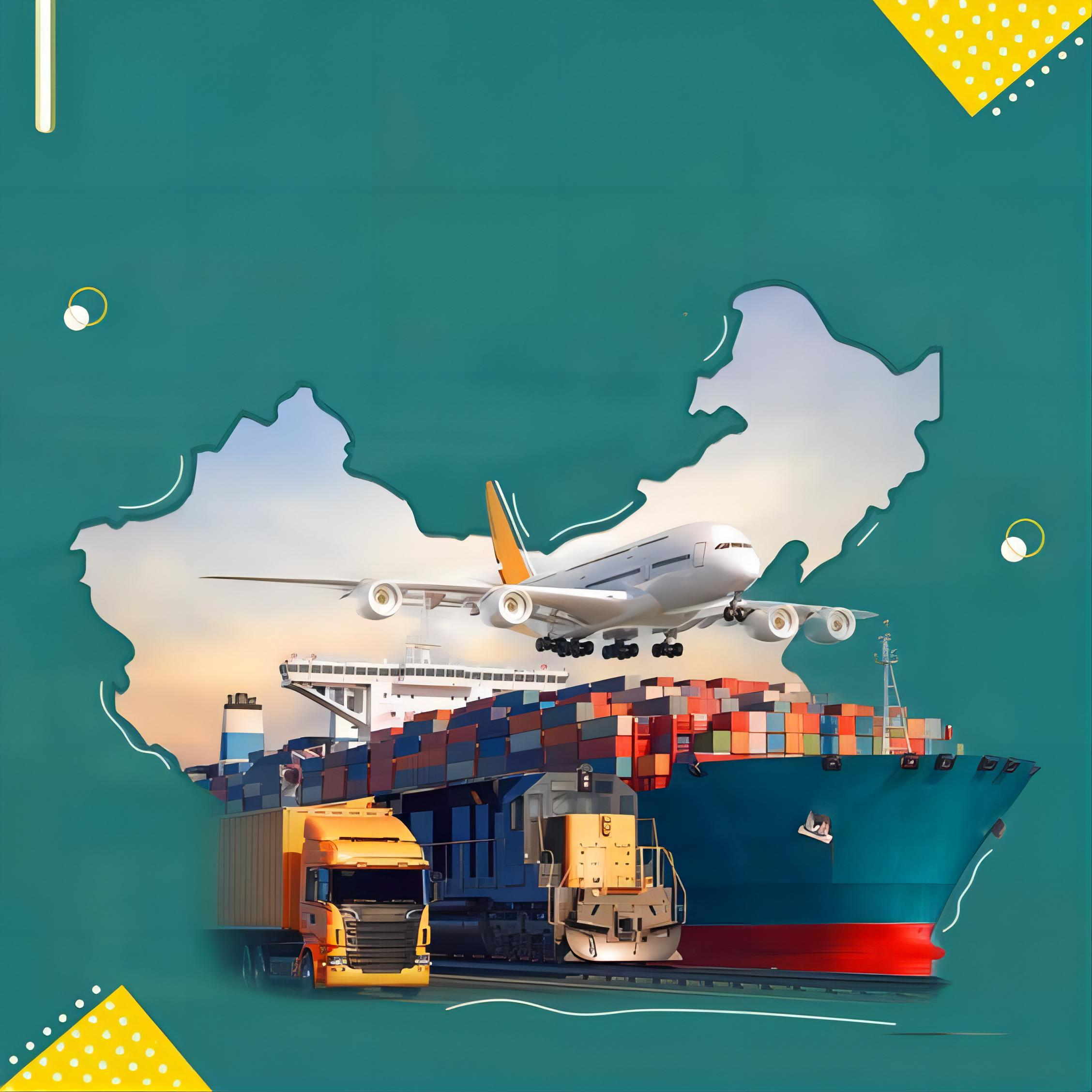
Door to Door Shipping China to Italy: 2026 Logistics Guide
“Navigating the complexities of international trade requires a reliable partner to manage every step of the journey. For businesses looking for seamless door to door shipping China to Italy, Top China Logistics provides comprehensive solutions that bridge the gap between Asian manufacturers and European markets. This guide explores the most efficient ways to streamline your supply chain while ensuring your cargo arrives safely and on time in 2026.”
How Door to Door Shipping China to Italy Works in 2026
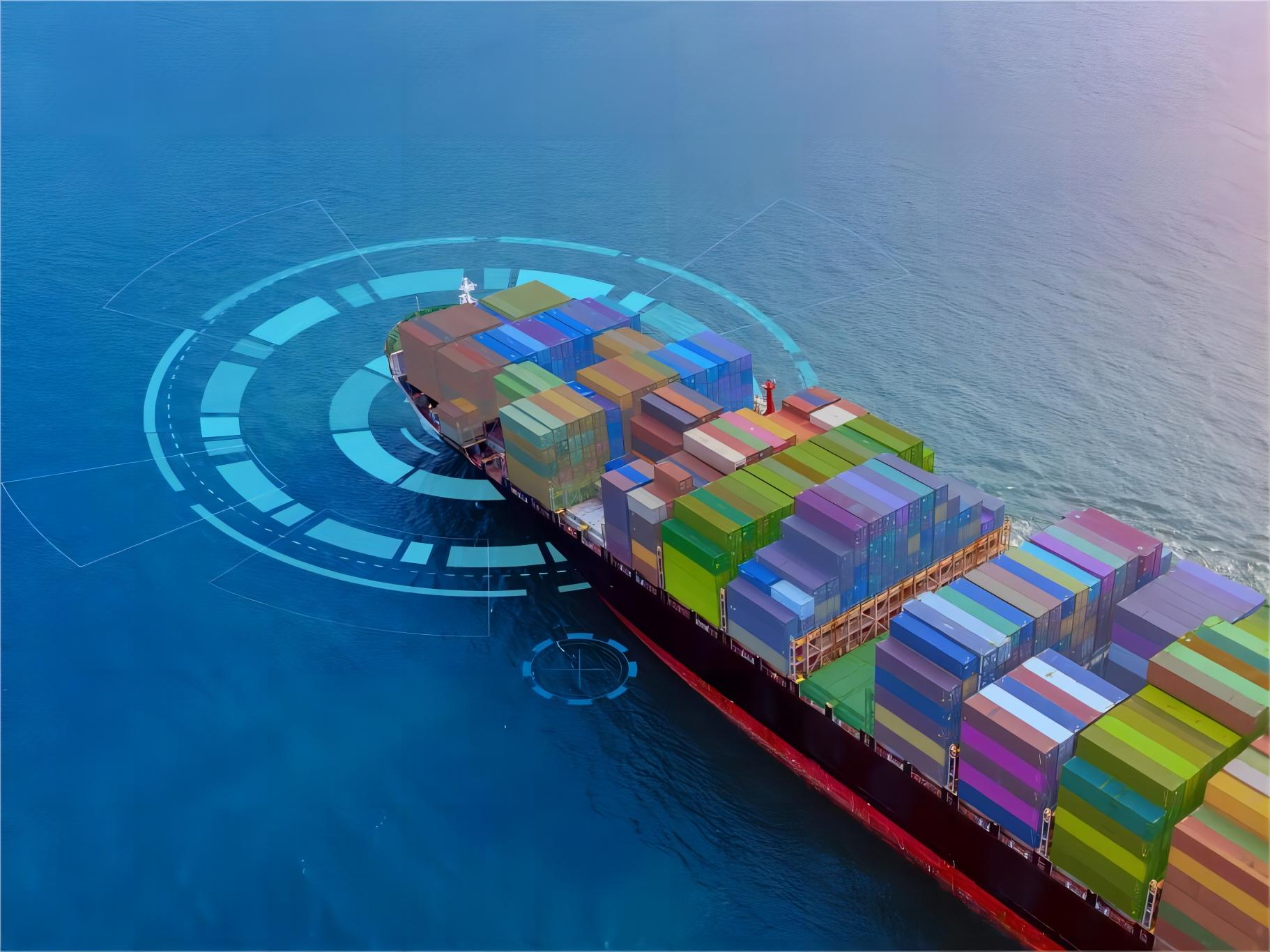
❖Door to door shipping simplifies the entire logistics process by handling the cargo from the supplier’s warehouse in China directly to the final destination in Italy. Consequently, importers do not need to worry about managing multiple carriers or coordinating between different ports.
The process begins with the collection of goods from various manufacturing hubs like Shenzhen, Ningbo, or Shanghai. Afterward, the freight forwarder manages the export documentation and inland transportation to the departure terminal.
Once the goods reach Italy, the logistics provider handles the customs clearance process and the final mile delivery to cities such as Milan, Rome, or Naples. This end-to-end service is particularly beneficial for businesses that lack an in-house logistics department.
Why Choose Door to Door Shipping for Your Italy Imports?
❖Choosing a door to door service offers unparalleled convenience and reduces the risk of communication errors between different parties. Moreover, it often results in more predictable pricing since most costs are bundled into a single quote.
Efficiency is a primary driver for this choice, as the logistics provider optimizes the route and handling times. Indeed, having a single point of contact makes tracking shipments much easier for the Italian importer.
Furthermore, professional freight forwarders can navigate the specific regulatory requirements of the Italian customs office. As a result, businesses can focus on their core operations while the logistics experts manage the transit challenges.
Comparing Shipping Methods: Air, Sea, and Rail
❖Selecting the right transportation mode depends on your budget, cargo volume, and urgency. For instance, sea freight remains the most cost-effective solution for large-scale shipments and bulky items.
On the other hand, air freight is the preferred choice for high-value electronics or urgent fashion inventory. Meanwhile, rail freight offers a middle-ground solution, balancing cost and speed for shipments across the Eurasian land bridge.
| Method | Transit Time | Cost Level | Best For |
|---|---|---|---|
| Air Freight | 5-8 Days | High | Urgent, high-value goods |
| Sea Freight (FCL) | 30-40 Days | Low | Large volumes, machinery |
| Sea Freight (LCL) | 35-45 Days | Medium | Smaller palletized loads |
| Rail Freight | 18-25 Days | Medium | Balance of speed and cost |
How Does Door to Door Compare to Other Shipping Options?
❖While traditional port-to-port shipping might seem cheaper at first glance, it often involves hidden costs and complex coordination. In contrast, door to door services include the inland haulage and local handling fees that often surprise new importers.
For example, a port-to-port sea freight quote might exclude the cost of trucking from the Port of Genoa to a warehouse in Florence. Therefore, the door to door model provides a more transparent total landed cost for your inventory.
Additionally, hybrid solutions like sea-air combinations are gaining popularity in 2026. These strategies allow businesses to save money compared to pure air freight while maintaining faster speeds than traditional ocean routes.
| Shipping Method | Cost Range (2026) | Transit Time | Best For | Limitations |
|---|---|---|---|---|
| Door to Door Sea | $2,500 – $4,500 (40HQ) | 35-45 Days | Bulk inventory | Slowest transit |
| Door to Door Air | $4.50 – $7.50 / kg | 6-10 Days | E-commerce, Tech | Very expensive |
| Door to Door Rail | $150 – $250 / CBM | 20-28 Days | Industrial parts | Limited to rail hubs |
| Express Courier | $8.00 – $12.00 / kg | 3-5 Days | Samples, Documents | Weight limits |
Cost Analysis of Door to Door Shipping China to Italy
❖Shipping costs in early 2026 have stabilized, but they remain sensitive to fuel prices and seasonal demand. Generally, ocean freight rates for a 40HQ container from Shanghai to Italy range between $3,000 and $4,200 depending on the specific carrier.
In addition to the base freight rate, importers must account for origin charges, destination handling, and customs duties. Consequently, it is vital to request an all-in quote to avoid unexpected expenses upon arrival.
Note: Freight rates are subject to change based on fuel costs, carrier capacity, and seasonal demand. Contact us for a current quote tailored to your specific shipment.
Which Option Should You Choose?
❖The decision framework for shipping to Italy should prioritize your specific business needs and cargo characteristics. If budget is your primary concern, sea freight is undoubtedly the superior choice for large volumes.
However, if you are launching a new product and need it in Italian stores quickly, air freight is the most reliable method. For mid-range shipments where speed matters but the air freight budget is too high, rail freight serves as an excellent alternative.
Consider the volume of your cargo as well; shipments under 15 CBM are typically better suited for LCL (Less than Container Load) sea freight. Conversely, once you exceed 15-20 CBM, booking a full 20GP container becomes more economical.
Customs Clearance and Documentation in Italy
❖Navigating Italian customs requires precise documentation to avoid delays and additional storage fees at the port. Professional customs brokerage services are essential for ensuring compliance with EU regulations.
Essential documents include the Commercial Invoice, Packing List, and Bill of Lading or Air Waybill. Furthermore, some specific products may require a CE certificate or other safety documentation to enter the European market.
Indeed, errors in paperwork can lead to significant fines or even the seizure of goods. Therefore, working with a freight forwarder who understands the nuances of the Italian Customs Agency (Agenzia delle Dogane) is a critical success factor.
Case Studies: Real-World Shipping Examples
❖Case Study 1: Electronics from Shenzhen to Rome
Route: Shenzhen, China to Rome, Italy. Cargo: High-end tablets, 450 kg, 2.5 CBM. Method: Door to Door Air Freight. Carrier: Major Airline. Port of Loading: Shenzhen Baoan. Port of Discharge: Rome Fiumicino.
Cost Breakdown: Air Freight: $2,900. Origin Charges: $150. Destination Charges: $200. Customs and Duties: $850. Total Landed Cost: $4,100. Timeline: Booking to Loading: 2 days. Air Transit: 2 days. Customs Clearance: 1 day. Total Door-to-Door: 6 days.
Key Insight: Using air freight allowed the client to meet a product launch deadline despite manufacturing delays in China. Based on Q1 2026 market rates.
Case Study 2: Home Furniture from Ningbo to Milan
Route: Ningbo, China to Milan, Italy. Cargo: Designer sofas, 28 CBM. Container: 40GP. Method: Door to Door Sea Freight. Carrier: COSCO. Port of Loading: Ningbo-Zhoushan. Port of Discharge: Genoa.
Cost Breakdown: Ocean Freight: $3,200. Origin Charges: $350. Destination Charges: $450. Customs and Duties: $1,200. Total Landed Cost: $5,200. Timeline: Booking to Loading: 5 days. Sea Transit: 32 days. Customs Clearance: 3 days. Total Door-to-Door: 45 days.
Key Insight: Choosing sea freight kept the per-unit cost low enough to maintain competitive retail pricing in Milan. Typical rates as of early 2026.
Strategies to Reduce Your Shipping Costs
❖To minimize expenses, consider consolidating multiple small shipments into a single LCL or FCL booking. Moreover, planning your shipments outside of peak seasons, such as the weeks leading up to Chinese New Year, can save you up to 20% in freight costs.
Additionally, optimizing your packaging to reduce wasted space can significantly lower your chargeable weight for air freight. For example, using stackable crates instead of irregular boxes can maximize container utilization.
Finally, negotiating long-term contracts with your freight forwarder can provide more stable rates throughout the year. As a result, your business can better predict logistics costs and improve overall profit margins.
Final Thoughts on Shipping from China to Italy
Mastering door to door shipping China to Italy is essential for any business looking to thrive in the competitive European market of 2026. By choosing the right transport mode and a reliable logistics partner, you can ensure your goods move efficiently across the globe.
Remember that while cost is important, reliability and transit time often play a more significant role in long-term success. Whether you choose air, sea, or rail, the end-to-end convenience of door to door service remains the gold standard for modern importers.
Ultimately, staying informed about market trends and maintaining clear communication with your freight forwarder will help you navigate any logistics challenges. Start optimizing your Italy-bound shipments today for a more profitable tomorrow.

Ready to streamline your logistics?
Streamline your supply chain today with professional door to door shipping China to Italy solutions. Contact the experts at Top China Logistics for a personalized quote and experience hassle-free international trade. Visit our website to get started: Visit https://topchinalogistics.com/ Send Inquiry:
Request Quote