

Customs Clearance China to Italy: The Complete 2026 Shipping Guide
Navigating the complexities of international trade requires a deep understanding of regulatory frameworks and logistics efficiency. Managing your customs clearance China to Italy effectively ensures that your goods arrive on time without unexpected costs or legal hurdles. At Top China Logistics, we provide the expertise needed to streamline your supply chain and handle every detail of the import process. This guide explores the essential steps, costs, and strategies for successful shipping in the current 2026 market environment.

How Does Customs Clearance China to Italy Work in 2026?
The process of importing goods into Italy involves a series of mandatory steps designed to ensure compliance with European Union regulations. Initially, your chosen freight forwarder will help you prepare the necessary digital declarations required by the Italian Customs Agency. Consequently, this digital-first approach in 2026 has significantly reduced the time cargo spends at the port of entry.
Furthermore, every shipment must undergo a classification process based on the Harmonized System codes. This classification determines the specific duty rates and VAT percentages applicable to your products. Therefore, accuracy in documentation is the most critical factor in avoiding lengthy delays or expensive fines during the inspection phase.
Meanwhile, the Italian authorities may select certain containers for physical or X-ray inspections based on risk assessment profiles. If your paperwork is in order, these checks typically conclude within 24 to 48 hours. Indeed, working with a professional customs brokerage service can expedite this entire sequence by ensuring all pre-clearance requirements are met.
Essential Documentation for Seamless Italian Imports
Preparing the correct paperwork is the foundation of a successful shipping strategy from China to Europe. Without a doubt, the Commercial Invoice and Packing List are the two most vital documents you must provide. These documents must clearly state the value, origin, and detailed description of every item within your shipment.
Additionally, you will need a Bill of Lading for sea shipments or an Air Waybill for air transport. These serve as both a receipt for the cargo and a contract of carriage between the shipper and the carrier. Moreover, a Certificate of Origin might be required to benefit from specific trade agreements or to comply with EU anti-dumping regulations.
In 2026, many importers are also required to provide an EORI number, which identifies the economic operator throughout the European Union. Consequently, failing to have a valid EORI number can lead to an immediate halt in the customs clearance China to Italy process. To stay organized, refer to the checklist provided below for your next shipment.
| Document Name | Purpose | Required By | Digital Format |
|---|---|---|---|
| Commercial Invoice | Value Declaration | Customs Agency | Mandatory |
| Packing List | Cargo Description | Port Authorities | Mandatory |
| Bill of Lading | Title of Goods | Carrier/Customs | Electronic |
| EORI Number | Entity ID | EU Authorities | Mandatory |
How Does Sea Freight Compare to Other Shipping Options?
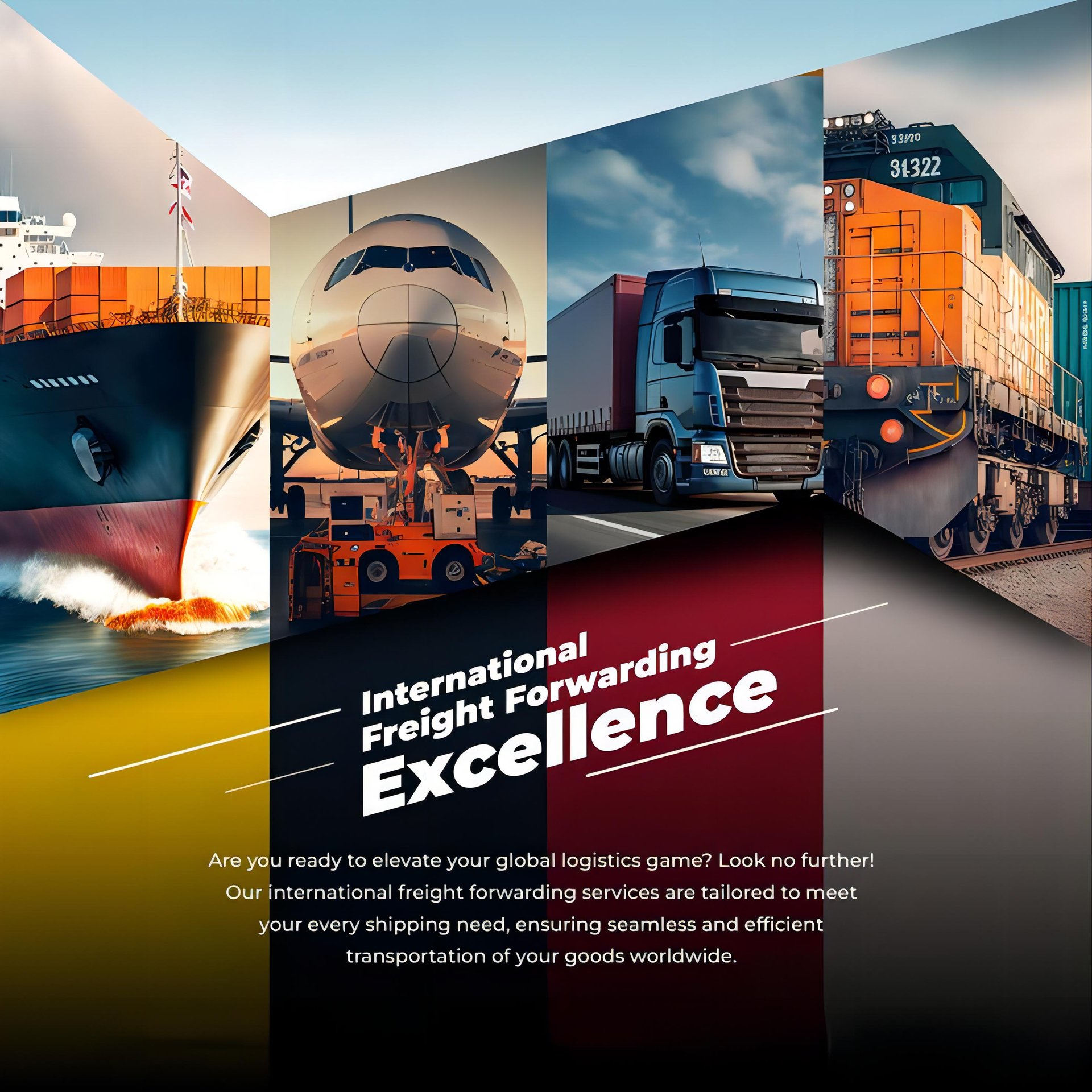
Choosing between different transportation modes involves a careful balance of budget, speed, and cargo volume. While sea freight remains the most popular choice for large volumes, it is not always the most efficient for urgent needs. In contrast, air freight offers unmatched speed but comes at a significantly higher price point per kilogram.
Rail freight has emerged as a compelling middle ground for many businesses operating between China and Italy. Nevertheless, current geopolitical trends in 2026 have influenced the reliability of certain rail corridors, making sea routes more stable for high-capacity needs. For small, high-value items, express service provides a door-to-door solution that simplifies the entire customs clearance China to Italy experience.
As a result, many logistics managers now utilize a hybrid approach to manage their inventory levels effectively. For example, they might ship the bulk of their goods via sea while using air freight for emergency restocks. This strategy minimizes the risk of stockouts while keeping the overall landed cost of goods within a manageable range.
| Method | Cost Range | Transit Time | Best For |
|---|---|---|---|
| Sea Freight | $1,800 – $4,200 | 28 – 35 Days | Bulk / FCL |
| Air Freight | $5,000 – $12,000 | 3 – 7 Days | High Value |
| Rail Freight | $2,500 – $5,500 | 18 – 24 Days | Mid-sized |
| Express | $150 – $500 | 2 – 5 Days | Samples |
Real Case Studies for Shipping to Italy
Examining real-world scenarios provides valuable insight into the practical costs and timelines associated with modern logistics. These cases reflect actual market conditions as of early 2026, highlighting the variables that impact the customs clearance China to Italy process. Each example demonstrates a different strategy tailored to specific business requirements.
Case Study 1: Large Scale Electronics Import. Route: Shanghai to Genoa. Cargo: Consumer Electronics, 28 CBM. Container: 40GP. Carrier: COSCO. Ocean Freight: $3,200. Origin Charges: $450. Destination Charges: $600. Total Door-to-Door: 38 days. Key Insight: Early booking saved 15 percent on freight rates during the Q1 peak.
Case Study 2: Urgent Fashion Inventory. Route: Shenzhen to Milan. Cargo: Clothing, 450 kg. Method: air freight. Port of Loading: Shenzhen Baoan. Port of Discharge: Milan Malpensa. Cost: $4,100. Customs Clearance: 1 day. Total Door-to-Door: 6 days. Key Insight: Pre-clearing documents allowed for immediate delivery upon arrival.
Note: Freight rates are subject to change based on fuel costs, carrier capacity, and seasonal demand. Contact us for a current quote tailored to your specific shipment.
What are the Costs and Trends for 2026?
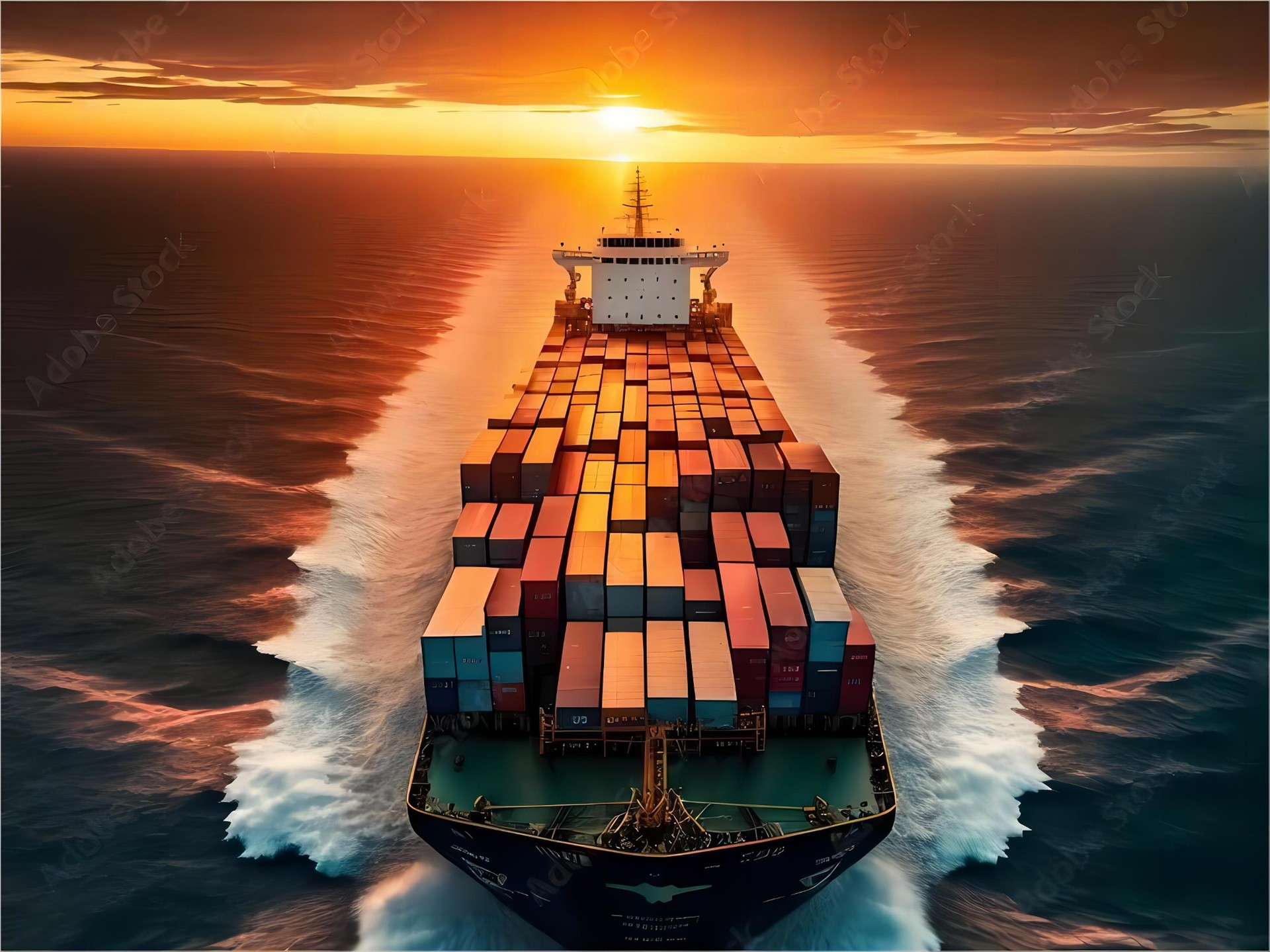
Market intelligence suggests that freight rates from China to Europe have stabilized after the disruptions observed in previous years. However, seasonal patterns still play a major role in pricing, with rates typically increasing by 20 percent between August and October. Consequently, planning your shipments well in advance is the most effective way to secure lower rates and guaranteed space on vessels.
According to industry benchmarks, the average cost for a 20GP container currently ranges between $1,800 and $2,500 depending on the specific port of loading. For those utilizing Amazon FBA, specialized services now offer bundled pricing that includes both shipping and final-mile delivery in Italy. This integrated approach reduces the administrative burden on the seller and ensures faster processing at Italian warehouses.
Meanwhile, logistics trends are shifting toward greener shipping solutions to comply with new EU environmental standards. Many carriers now offer carbon-neutral shipping options, which may involve a small surcharge but improve brand reputation among European consumers. Indeed, staying informed about these regulatory shifts is essential for any long-term import strategy.
Which Option Should You Choose for Your Cargo?
Deciding on the best shipping method requires an objective analysis of your business priorities and cargo characteristics. If your primary concern is the lowest possible cost, sea freight is the clear winner for shipments exceeding 15 cubic meters. On the other hand, if you are shipping perishable goods or high-tech components with a short shelf life, the speed of air freight justifies the extra expense.
For shipments that fall in between, door to door rail services provide a reliable alternative that balances cost and transit time. Furthermore, you should consider the volume thresholds for switching between Less than Container Load (LCL) and Full Container Load (FCL). Typically, once your shipment exceeds 13 CBM, booking a full 20-foot container becomes more economical than paying for LCL space.
To summarize, your decision framework should prioritize budget for non-urgent bulk items and speed for high-margin, time-sensitive products. For instance, many companies use a 70-30 split, sending the majority of stock by sea and a smaller portion by air to maintain continuous availability. This diversified approach mitigates the impact of potential delays in any single transportation mode.

Alternative Strategies for Cost-Saving and Efficiency
Implementing alternative strategies can significantly reduce your total landed cost while improving the reliability of your supply chain. One such approach is transshipment via major hubs like Singapore or Piraeus, which can sometimes offer lower freight rates than direct routes. Although this adds a few days to the transit time, the cost savings can be substantial for non-urgent cargo.
In addition, consolidating multiple small orders into a single LCL shipment can help you avoid the high minimum fees associated with individual express packages. Another effective tactic involves optimizing your packaging to maximize the use of space within a container. By reducing empty space, you effectively lower the shipping cost per unit of your product.
Lastly, consider the benefits of sea-air hybrid solutions, where goods move by sea to a hub like Dubai and then fly to Italy. This method provides a faster transit than pure sea freight but remains significantly cheaper than pure air freight. Without a doubt, exploring these creative logistics models can give your business a competitive edge in the Italian market.
Final Thoughts on Shipping from China to Italy
Successfully managing customs clearance China to Italy is a multifaceted task that requires attention to detail and proactive planning. By understanding the documentation requirements and choosing the right shipping method, you can significantly reduce transit times and operational costs. Furthermore, staying updated on 2026 market trends ensures that your logistics strategy remains resilient against global fluctuations.
Indeed, the right partnership with a professional freight forwarder makes all the difference in navigating the Italian customs landscape. Whether you choose sea, air, or rail, the focus should always be on accuracy, compliance, and cost-efficiency. To ensure your business thrives, continue to evaluate your shipping methods and adapt to the evolving demands of the international supply chain.
Need a tailored shipping solution?
Streamline your international trade today with expert assistance for your customs clearance China to Italy. Our team at Top China Logistics is ready to provide you with a competitive quote and a customized shipping plan. Visit our website to send an inquiry and secure your 2026 freight rates now. See: Send Inquiry