

Amazon FBA Shipping China to South Korea: The 2026 Logistics Guide
Expanding your e-commerce reach requires a reliable strategy for amazon FBA shipping china to South Korea to ensure your inventory arrives safely and on time. As the Korean market continues to grow in 2026, sellers must navigate complex logistics landscapes to maintain high seller ratings and customer satisfaction. Partnering with a professional firm like Top China Logistics allows you to streamline your supply chain and focus on scaling your business effectively.
✦
What are the Primary Methods for Amazon FBA Shipping China to South Korea?
Selecting the right transportation mode is the first step in optimizing your amazon FBA shipping china to South Korea workflow. Most sellers choose between sea freight and express courier services based on their budget and urgency requirements. Moreover, the proximity between Chinese ports like Qingdao or Weihai and South Korean hubs like Incheon makes this route one of the most efficient in Asia.
Utilizing a specialized Amazon FBA service provider ensures that your goods meet the strict preparation and labeling standards required by regional fulfillment centers. Additionally, these experts handle the heavy lifting of logistics coordination, allowing you to avoid common pitfalls associated with international trade.
Air freight remains a viable option for high-value or time-sensitive goods that need to reach the market within a few days. However, the majority of high-volume sellers prefer sea routes due to the significant cost savings offered for bulk shipments.
Understanding 2026 Freight Rates and Shipping Costs
Shipping costs for the China-to-Korea route have remained relatively stable in early 2026 compared to the fluctuations seen in previous years. For instance, LCL sea freight rates currently range between 35 and 55 USD per cubic meter depending on the specific port of origin. Meanwhile, express shipping rates fluctuate based on fuel surcharges and seasonal demand spikes.
Consequently, sellers must factor in additional expenses such as terminal handling charges, documentation fees, and local delivery costs in South Korea. Budgeting accurately for these variables is essential for maintaining healthy profit margins on the Amazon platform.
Note: Freight rates are subject to change based on fuel costs, carrier capacity, and seasonal demand. Contact us for a current quote tailored to your specific shipment.
| Method | Avg Cost | Unit | Best For |
|---|---|---|---|
| Sea Freight (LCL) | 35 – 60 | Per CBM | Bulk Inventory |
| Sea Freight (FCL 20GP) | 400 – 700 | Per Container | Large Shipments |
| Express Service | 3.50 – 5.50 | Per KG | Small/Urgent |
| Air Freight | 1.80 – 3.20 | Per KG | High Value |
How Does Sea Freight Compare to Other Shipping Options?
When analyzing amazon FBA shipping china to South Korea, sea freight stands out as the most economical choice for large-scale operations. While sea freight is slower than air options, the short distance between the two countries means transit times are often under a week. Therefore, the trade-off between speed and cost is much more favorable than on long-haul routes to Europe or North America.
In contrast, express service offers a door-to-door solution that bypasses much of the manual coordination required for ocean cargo. This method is ideal for restocking popular items quickly or launching new products where market timing is critical.
Hybrid solutions like sea-air combinations are also gaining popularity in 2026, offering a middle ground for sellers who need more speed than traditional sea freight but have lower budgets than pure air transport.
| Method | Cost Range | Transit Time | Limitations |
|---|---|---|---|
| Sea Freight | Low | 5 – 10 Days | Minimum Volume |
| Express | High | 2 – 4 Days | Weight Limits |
| Air Freight | Medium-High | 3 – 5 Days | Strict Battery Rules |
| Ferry Freight | Medium | 3 – 6 Days | Port Specific |
Transit Times: How Long Does Delivery Take?
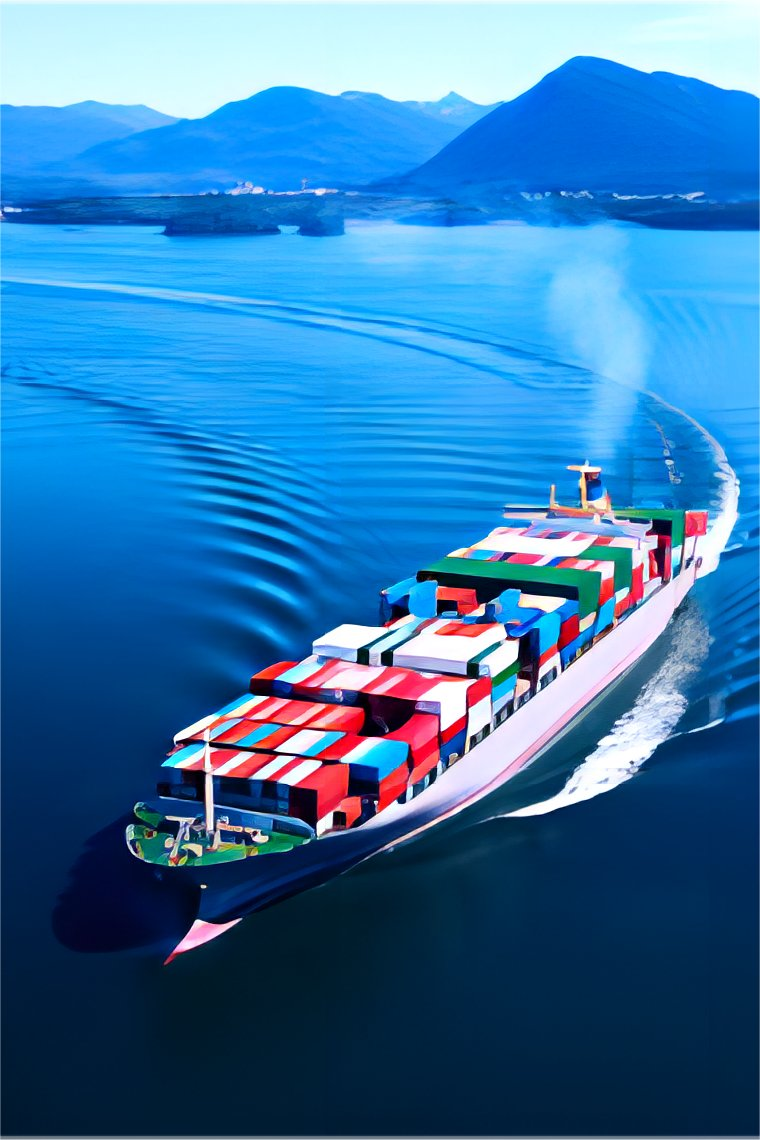
The transit time for amazon FBA shipping china to South Korea is remarkably short due to the geographical proximity of the two nations. For example, a shipment from Qingdao to Incheon via sea can take as little as 24 to 48 hours for the port-to-port leg. However, total door-to-door time must include customs clearance and local trucking to the Amazon warehouse.
Typically, you should expect a total timeline of 7 to 12 days for sea freight shipments from the moment they leave your supplier. On the other hand, express shipments usually arrive within 3 to 5 business days, making them the fastest option available for Korean fulfillment centers.
Furthermore, choosing a door to door service can significantly reduce delays by ensuring a single logistics provider manages every stage of the journey.
Which Option Should You Choose? Decision Framework
Deciding on the best shipping strategy depends on your specific business priorities and the nature of your cargo. If your primary goal is to minimize landed costs and you have high-volume inventory, sea freight is the clear winner. This approach allows you to scale your business while keeping per-unit shipping costs at a minimum.
Conversely, if you are testing a new product or dealing with a sudden stockout, the speed of express shipping justifies the higher price tag. Indeed, the ability to restock within a week can prevent lost sales and maintain your Amazon search ranking during peak periods.
Consider the following criteria: Budget priority leads to sea freight; speed priority leads to express; and cargo volume over 2 CBM usually warrants LCL sea shipping.
Customs Clearance and Documentation Requirements
Navigating South Korean customs is a critical component of amazon FBA shipping china to South Korea that requires precision and attention to detail. All imports must be accompanied by a commercial invoice, packing list, and a certificate of origin to qualify for preferential tariffs under the China-Korea FTA. Moreover, certain product categories may require KC (Korea Certification) marks to prove compliance with local safety standards.
Hiring a professional customs brokerage service is highly recommended to avoid costly delays or seizures at the border. These experts ensure that your HS codes are classified correctly and that all duties are paid promptly to facilitate a smooth entry into the country.
Additionally, Amazon requires that all shipments be sent DDP (Delivered Duty Paid), meaning the seller is responsible for all import costs. Failure to manage this correctly will result in the shipment being rejected by the fulfillment center.
Case Studies: Successful Shipments to South Korea
Case Study 1: Electronics Restock via Sea Freight
Route: Shenzhen, China to Incheon, South Korea. Cargo: 15 CBM of consumer electronics. Method: LCL Sea Freight via sea freight. Total Landed Cost: 950 USD. Total Transit Time: 9 days. Key Insight: Consolidating multiple SKUs into one LCL shipment saved the seller 60% compared to air freight.
Case Study 2: Seasonal Fashion Launch via Express
Route: Guangzhou, China to Seoul, South Korea. Cargo: 120kg of apparel. Method: Express Service. Total Landed Cost: 520 USD. Total Transit Time: 3 days. Key Insight: Using express allowed the seller to hit a specific holiday sales window that would have been missed by sea freight.

Amazon FBA Labeling and Packaging Standards for Korea
Compliance with Amazon’s global standards is non-negotiable when preparing your goods for the Korean market. Each individual unit must have a scannable barcode, and outer cartons must feature the correct FBA shipment labels. Furthermore, South Korean warehouses may have specific weight limits for individual boxes to ensure the safety of their personnel.
Consequently, many sellers use prep centers in China to inspect and relabel goods before they are dispatched. This extra step prevents the risk of your shipment being turned away at the Amazon dock, which can result in significant return shipping fees.
Always double-check that your packaging is durable enough to withstand the humidity and handling common in maritime transport across the Yellow Sea.
Final Thoughts on Shipping to South Korea FBA
Successfully managing amazon FBA shipping china to South Korea requires a strategic blend of cost management, speed, and regulatory compliance. By understanding the differences between sea and express options, you can tailor your logistics to meet the specific needs of your product line. Moreover, staying informed about 2026 market trends and customs requirements will give you a competitive edge in the bustling Korean e-commerce space.
Ultimately, your choice of logistics partner will determine the reliability of your supply chain. Ensure you work with professionals who understand the nuances of the China-Korea route to guarantee your Amazon business thrives.