

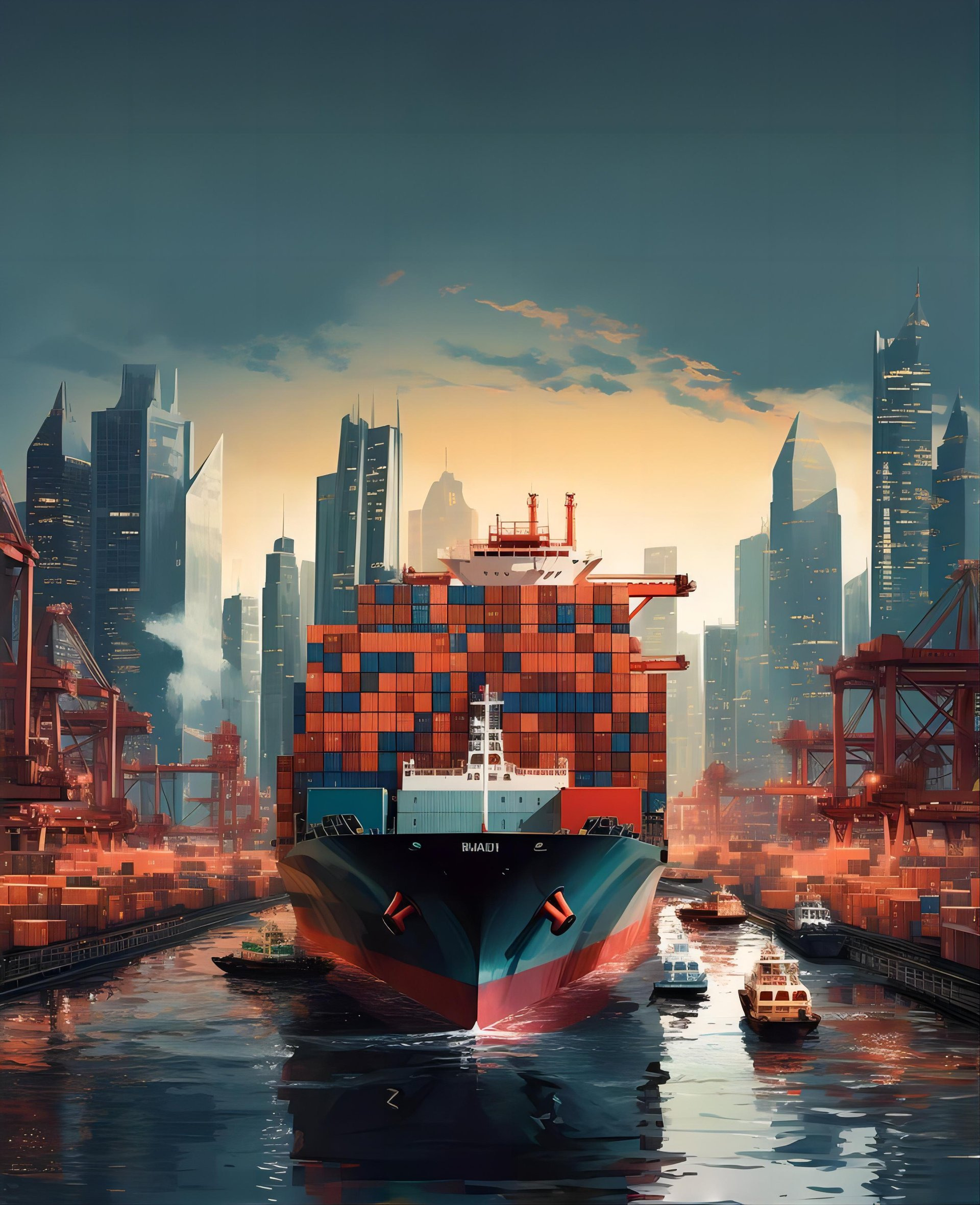
Door to Door Shipping China to South Korea: 2026 Guide
Managing international logistics requires a strategic partner who understands the complexities of the East Asian trade corridor. Top China Logistics provides seamless door to door shipping China to South Korea to help businesses scale their operations efficiently. Consequently, choosing a reliable service provider ensures your cargo arrives safely and on schedule without hidden complications.
✦
What is Door to Door Shipping China to South Korea?
Door to door shipping is a comprehensive logistics solution where the freight forwarder manages the entire journey from the supplier in China to the final destination in South Korea. Moreover, this service simplifies the supply chain by consolidating pickup, international transit, and final delivery into a single contract. Indeed, it eliminates the need for importers to coordinate with multiple carriers or local trucking companies.
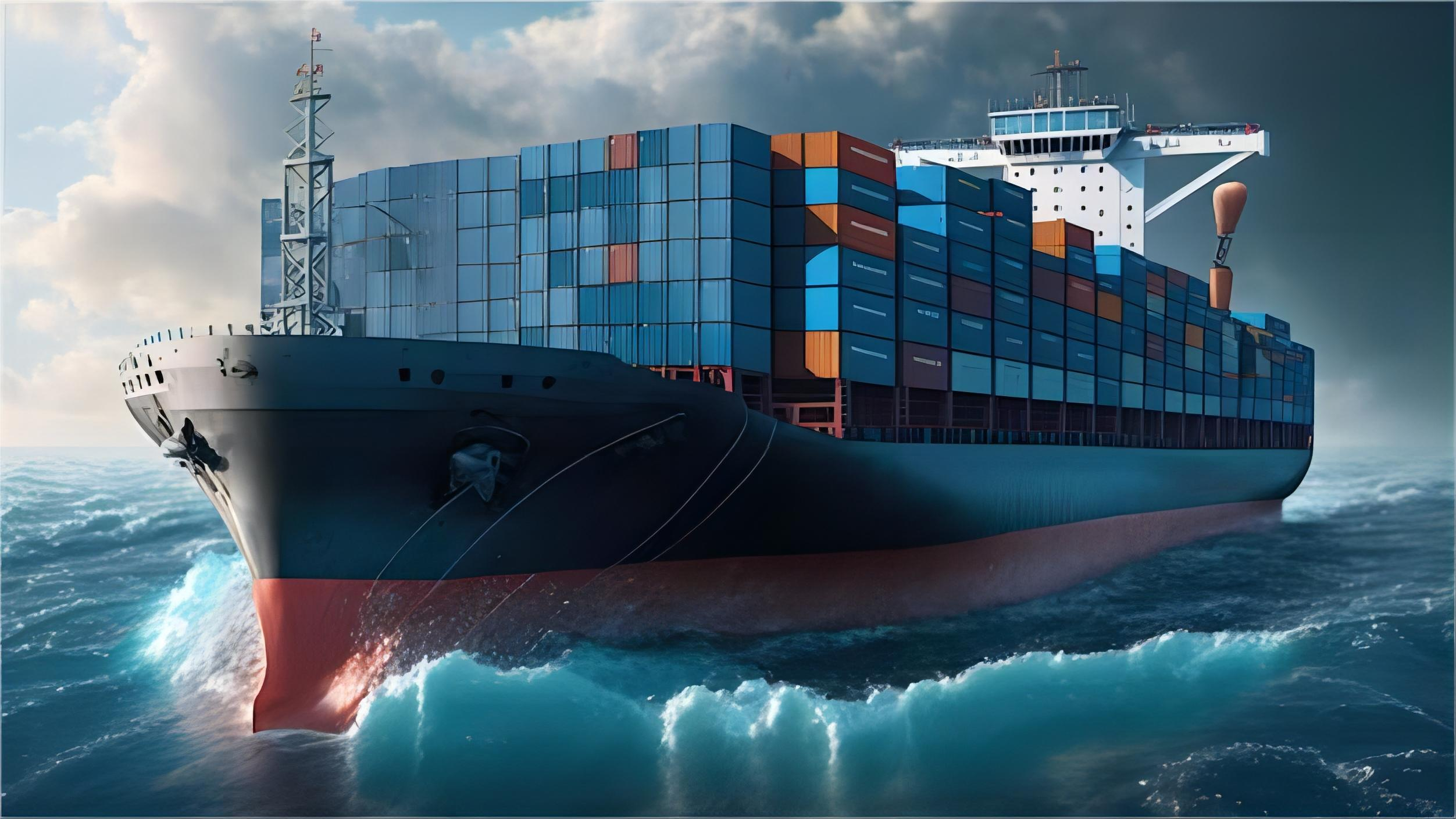
Furthermore, this method includes essential services like cargo handling, inland transportation, and documentation management. Specifically, the provider handles the logistics at both the origin and the destination ports. As a result, businesses can focus on their core operations while the logistics experts manage the movement of goods across borders.
How Does Door to Door Shipping Compare to Other Shipping Options?
Choosing the right shipping method depends on your budget, urgency, and the nature of your cargo. For example, while port-to-port shipping might seem cheaper initially, it often results in higher administrative costs and logistical headaches. On the other hand, door to door services offer a predictable all-in price that covers every stage of the journey.
Additionally, many businesses consider DAP or DDP terms to minimize their involvement in the shipping process. However, it is vital to compare these options against standard freight services to find the most cost-effective balance. Therefore, analyzing the total landed cost is essential for maintaining healthy profit margins in 2026.
| Shipping Method | Cost Range | Transit Time | Best For | Limitations |
|---|---|---|---|---|
| Standard Sea Freight | $500 – $1,200 | 5-10 Days | Bulk Goods | Port handling only |
| Air Freight | $3.50 – $6.00/kg | 1-3 Days | Urgent Cargo | High cost for heavy items |
| Express Service | $8.00 – $12.00/kg | 1-2 Days | Samples/Small parcels | Strict weight limits |
| Door to Door (All-in) | $800 – $1,500 | 6-12 Days | E-commerce/SMEs | Higher initial quote |
Sea Freight vs. Air Freight: Which Method Fits Your Needs?
For most importers, sea freight remains the most popular choice due to its high capacity and lower costs. In fact, shipping a full container load (FCL) from Qingdao to Busan is often the most economical way to move large volumes of goods. Nevertheless, less than container load (LCL) options are available for those who do not have enough cargo to fill a 20ft container.
In contrast, air freight is the preferred solution for high-value or time-sensitive products like electronics and fashion. Although the rates are significantly higher, the speed of delivery can be a major competitive advantage. Consequently, many tech companies in 2026 utilize air transport to meet the rapid demand cycles of the Korean market.
Understanding Customs Brokerage and Duties in South Korea
Navigating the customs landscape in South Korea requires precision and up-to-date knowledge of local regulations. For instance, the Korea-China Free Trade Agreement (FTA) can significantly reduce or eliminate duties on specific product categories. Therefore, utilizing a professional customs brokerage service is crucial for ensuring compliance and maximizing savings.
Moreover, the South Korean Customs Service (KCS) requires accurate documentation, including the commercial invoice, packing list, and certificate of origin. If these documents are incorrect, your shipment may face lengthy delays or heavy fines. Accordingly, your logistics partner should verify all paperwork before the cargo departs from China to avoid unnecessary disruptions.
| Document Name | Purpose | Required By | Estimated Processing |
|---|---|---|---|
| Commercial Invoice | Valuation of goods | Customs | Instant |
| Packing List | Inventory details | Port Authority | Instant |
| Certificate of Origin | FTA Duty Reductions | Customs | 1-2 Days |
| Bill of Lading | Proof of shipment | Carrier | Instant |
Key Factors Influencing Shipping Costs in 2026
Several variables impact the final price of door to door shipping China to South Korea in the current market. Specifically, fuel surcharges and seasonal demand fluctuations can cause rates to shift unexpectedly. For example, during the peak season from September to November, freight rates typically increase by 15-20% due to higher volumes.
Additionally, the distance between the origin city in China and the destination in South Korea plays a significant role in inland trucking costs. Meanwhile, port congestion or labor strikes can occasionally lead to emergency surcharges. To summarize, it is always advisable to request a real-time quote that reflects the latest market conditions and fuel prices.
Note: Freight rates are subject to change based on fuel costs, carrier capacity, and seasonal demand. Contact us for a current quote tailored to your specific shipment.
Transit Times from Major Chinese Ports to Korea
The proximity between China and South Korea allows for some of the fastest international shipping times in the world. For instance, a vessel traveling from Shanghai to Incheon usually takes only 2 to 3 days for the sea leg. However, the total door to door time must account for warehouse processing, customs clearance, and final mile delivery.
Furthermore, choosing the right port of loading can save both time and money. Shipping from northern ports like Tianjin or Dalian is often faster for destinations in northern South Korea. Conversely, shipments from Shenzhen or Guangzhou may take slightly longer but benefit from more frequent sailing schedules and competitive rates.
| Origin Port | Destination Port | Sea Transit | Total Door to Door |
|---|---|---|---|
| Shanghai | Incheon | 2 Days | 5-7 Days |
| Qingdao | Busan | 1 Day | 4-6 Days |
| Shenzhen | Incheon | 4 Days | 8-10 Days |
| Ningbo | Busan | 3 Days | 7-9 Days |
Real-World Case Studies for 2026
Case Study 1: High-Tech Components from Shenzhen to Seoul. In early 2026, a client required urgent delivery of semiconductor parts. By using an express service, the shipment cleared customs in 4 hours and reached the factory in Seoul within 48 hours of leaving the Shenzhen warehouse.
Case Study 2: Industrial Machinery from Qingdao to Busan. A manufacturing firm opted for door to door sea freight for a 40HQ container. Despite minor port congestion in Busan, the shipment arrived at the facility in 8 days. The total landed cost was 12% lower than their previous port-to-port arrangement due to streamlined documentation.
Case Study 1: Electronics from Shenzhen to Seoul
Box Case Study 1: Rapid Electronics Distribution
Route: Shenzhen, China to Seoul, South Korea
Cargo: Semiconductor Components, 2.5 CBM, 450 kg
Container: LCL Service
Shipping Details:
– Carrier/Service: Major Express Carrier
– Port of Loading: Shenzhen
– Port of Discharge: Incheon
– Route Type: Direct
Cost Breakdown:
– Ocean Freight: $450
– Origin Charges: $120
– Destination Charges: $150
– Customs and Duties: $800
– Total Landed Cost: $1,520
Timeline:
– Booking to Loading: 1 day
– Sea Transit: 3 days
– Customs Clearance: 1 day
– Total Door-to-Door: 6 days
Key Insight: Utilizing an express lane for LCL cargo allowed the client to maintain production schedules without the high cost of air freight.
Case Study 2: Furniture from Ningbo to Busan
Box Case Study 2: Bulk Furniture Import
Route: Ningbo, China to Busan, South Korea
Cargo: Home Furniture, 28 CBM, 4,200 kg
Container: 20GP
Shipping Details:
– Carrier/Service: COSCO
– Port of Loading: Ningbo
– Port of Discharge: Busan
– Route Type: Direct
Cost Breakdown:
– Ocean Freight: $950
– Origin Charges: $200
– Destination Charges: $250
– Customs and Duties: $1,100
– Total Landed Cost: $2,500
Timeline:
– Booking to Loading: 2 days
– Sea Transit: 3 days
– Customs Clearance: 2 days
– Total Door-to-Door: 9 days
Key Insight: Based on Q1 2026 market rates, FCL shipping provided the most stable pricing for large volume shipments.

Which Option Should You Choose?
Deciding on the best logistics strategy requires a clear understanding of your priorities. If your main goal is budget optimization and you have large volumes, sea freight is the clear winner. However, if you are shipping high-margin goods with a short shelf life, the speed of air or express services justifies the extra expense.
Moreover, consider the complexity of your customs requirements. For shipments involving restricted items or complex tariff codes, a door to door service with integrated brokerage provides essential peace of mind. Ultimately, the best choice is one that balances speed, cost, and risk management based on your specific business model.
Final Thoughts on Shipping to South Korea
To summarize, door to door shipping China to South Korea offers a reliable and efficient way to manage international trade in 2026. By choosing a partner that handles every detail from pickup to delivery, you can avoid the common pitfalls of cross-border logistics. Whether you choose sea or air freight, the key is to prioritize transparency and communication.
As market conditions continue to evolve, staying informed about transit times and customs regulations will remain vital for your success. We recommend regularly reviewing your shipping strategies to ensure they align with the latest industry trends and cost-saving opportunities.