


Sea Freight China to South Korea: 2026 Shipping Guide
Navigating the complexities of international trade requires a reliable partner to manage your maritime logistics effectively. Businesses looking to optimize their supply chain often find that Top China Logistics offers the most robust solutions for sea freight China to South Korea. This guide explores the essential components of shipping between these two economic powerhouses, ensuring your cargo arrives safely and on schedule.
Why Choose Sea Freight China to South Korea in 2026?
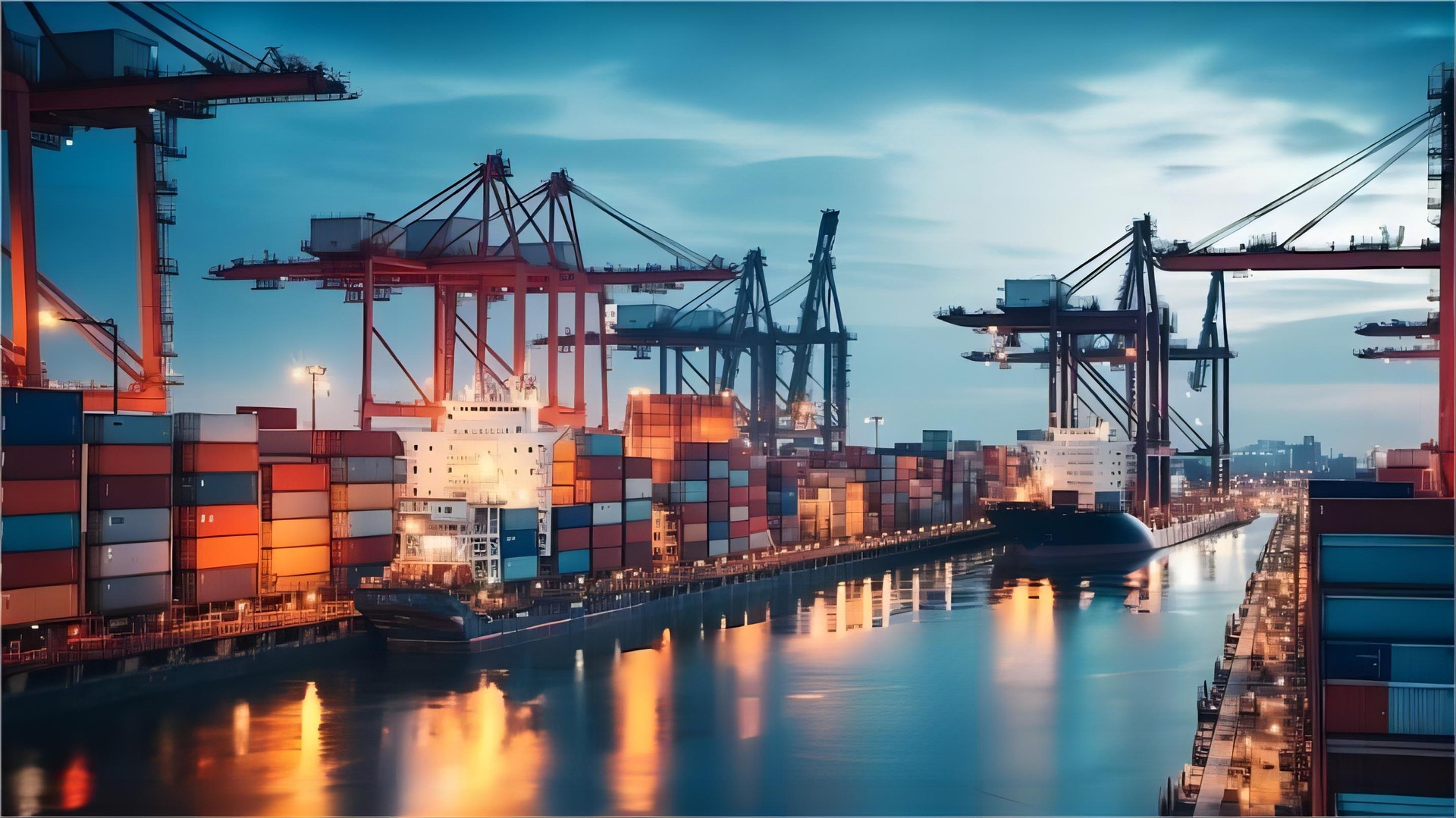
Shipping by sea remains the most cost-effective method for transporting large volumes of goods across the Yellow Sea. Consequently, many importers prioritize this mode to maintain healthy profit margins while moving heavy machinery or bulk consumer products. Moreover, the proximity of major Chinese ports to South Korean hubs like Busan and Incheon makes ocean transport exceptionally reliable.
Furthermore, modern sea freight services have evolved to offer high frequency and advanced tracking capabilities. Therefore, you can monitor your shipment in real-time, which reduces the uncertainty often associated with international logistics. Additionally, the environmental impact per ton of cargo is significantly lower compared to other modes of transport.
Specifically, the 2026 market shows a trend toward greener shipping lanes and more efficient port operations. As a result, businesses can enjoy faster turnaround times at the docks. Nevertheless, choosing the right container type is crucial for maximizing the value of your shipping budget.
Major Ports and Shipping Routes
China hosts some of the world’s busiest ports, including Shanghai, Ningbo-Zhoushan, and Qingdao, which serve as primary exit points for Korean-bound cargo. Meanwhile, South Korea relies heavily on the Port of Busan, which acts as a global transshipment hub. In addition, the Port of Incheon provides direct access to the Seoul metropolitan area, making it a favorite for consumer goods.
Consequently, the choice of port significantly impacts your overall transit time and inland transportation costs. For instance, shipping from Northern China to Incheon is often faster than routes originating from Southern ports like Shenzhen. Therefore, strategically selecting your departure point can lead to substantial time savings.
Indeed, most carriers offer daily departures from major Chinese coastal cities. Consequently, importers have the flexibility to schedule shipments according to their production cycles. However, port congestion during peak seasons can still occur, requiring proactive planning and communication with your logistics provider.
| Shanghai | Busan | Direct | 2-3 Days |
| Qingdao | Incheon | Direct | 1-2 Days |
| Ningbo | Busan | Direct | 3-4 Days |
| Shenzhen | Incheon | Transshipment | 5-7 Days |
How Does Sea Freight Compare to Other Shipping Options?
Evaluating different transportation modes is essential for finding the right balance between speed and expenditure. While sea transport is the most economical, air freight is significantly faster for urgent deliveries. However, the cost difference can be staggering for heavy or bulky items.
Moreover, express services are ideal for small parcels but become prohibitively expensive as volume increases. In contrast, ocean shipping allows for massive scale without a linear increase in cost. Therefore, sea freight China to South Korea is the preferred choice for over 90 percent of total trade volume between the nations.
Additionally, hybrid solutions like sea-air are occasionally used for long-haul routes, though they are less common for the short distance to South Korea. Consequently, the primary decision usually rests between FCL and LCL ocean shipping. Each method offers distinct advantages depending on your specific cargo volume.
| Sea Freight | $400 – $1,200 | 2-5 Days | Bulk / Large Volume |
| Air Freight | $1,500 – $3,500 | 1-2 Days | Urgent / High Value |
| Express | $100 – $500 | 1-2 Days | Samples / Small Parcels |
| Rail Freight | N/A | N/A | Not Applicable for this Route |

Understanding FCL and LCL Shipping Costs
Full Container Load (FCL) shipping involves renting an entire 20ft or 40ft container for your exclusive use. Consequently, this is the most efficient option if you have enough goods to fill at least 70 percent of the space. Moreover, FCL offers better security as the container is sealed at the origin and only opened at the destination.
On the other hand, Less than Container Load (LCL) allows you to share container space with other shippers. Therefore, it is a cost-effective solution for smaller shipments that do not justify the price of a full container. However, LCL may involve slightly longer transit times due to the consolidation and deconsolidation processes.
Specifically, LCL rates are usually calculated per cubic meter (CBM). In contrast, FCL rates are charged per container unit regardless of the weight, provided it stays within legal limits. Consequently, calculating your total volume accurately is the first step in determining the most economical shipping method.
Key Factors Affecting 2026 Freight Rates
Freight rates are subject to constant fluctuation based on global economic conditions and local demand. For instance, fuel surcharges often change in response to international oil market shifts. Additionally, seasonal peaks like the period before the Lunar New Year can cause prices to spike due to increased demand for space.
Furthermore, port efficiency and labor availability play a significant role in determining final costs. Consequently, any disruptions in major hubs can lead to congestion surcharges. Nevertheless, the 2026 outlook suggests a stabilization of rates as new vessel capacity enters the market.
Moreover, currency exchange rates between the Chinese Yuan, South Korean Won, and US Dollar can impact the total landed cost. Therefore, businesses should consider these variables when budgeting for their annual logistics expenses. Indeed, working with an experienced freight forwarder can help mitigate some of these pricing risks.
Customs Clearance and Required Documentation
Navigating the regulatory landscape is a critical step in the shipping process. Therefore, engaging a professional customs brokerage service can prevent costly delays at the border. South Korean customs are known for their efficiency but require precise documentation for all imports.
Moreover, you must provide a commercial invoice, packing list, and a bill of lading for every shipment. Additionally, certain products may require certificates of origin to qualify for preferential tariff rates under the China-Korea Free Trade Agreement. Consequently, ensuring all paperwork is accurate and complete is paramount.
Specifically, digital filing has become the standard in 2026, speeding up the clearance process significantly. However, random inspections can still occur, potentially adding a day or two to the delivery schedule. Therefore, always allow a small buffer in your timeline to account for these administrative requirements.
| Bill of Lading | Title to Goods | Carrier/Customs | Digital/Original |
| Commercial Invoice | Valuation | Customs | Digital |
| Packing List | Cargo Details | Warehouse/Customs | Digital |
| Certificate of Origin | Tariff Reduction | Customs | Original/Digital |
Real-World Case Studies for Sea Freight
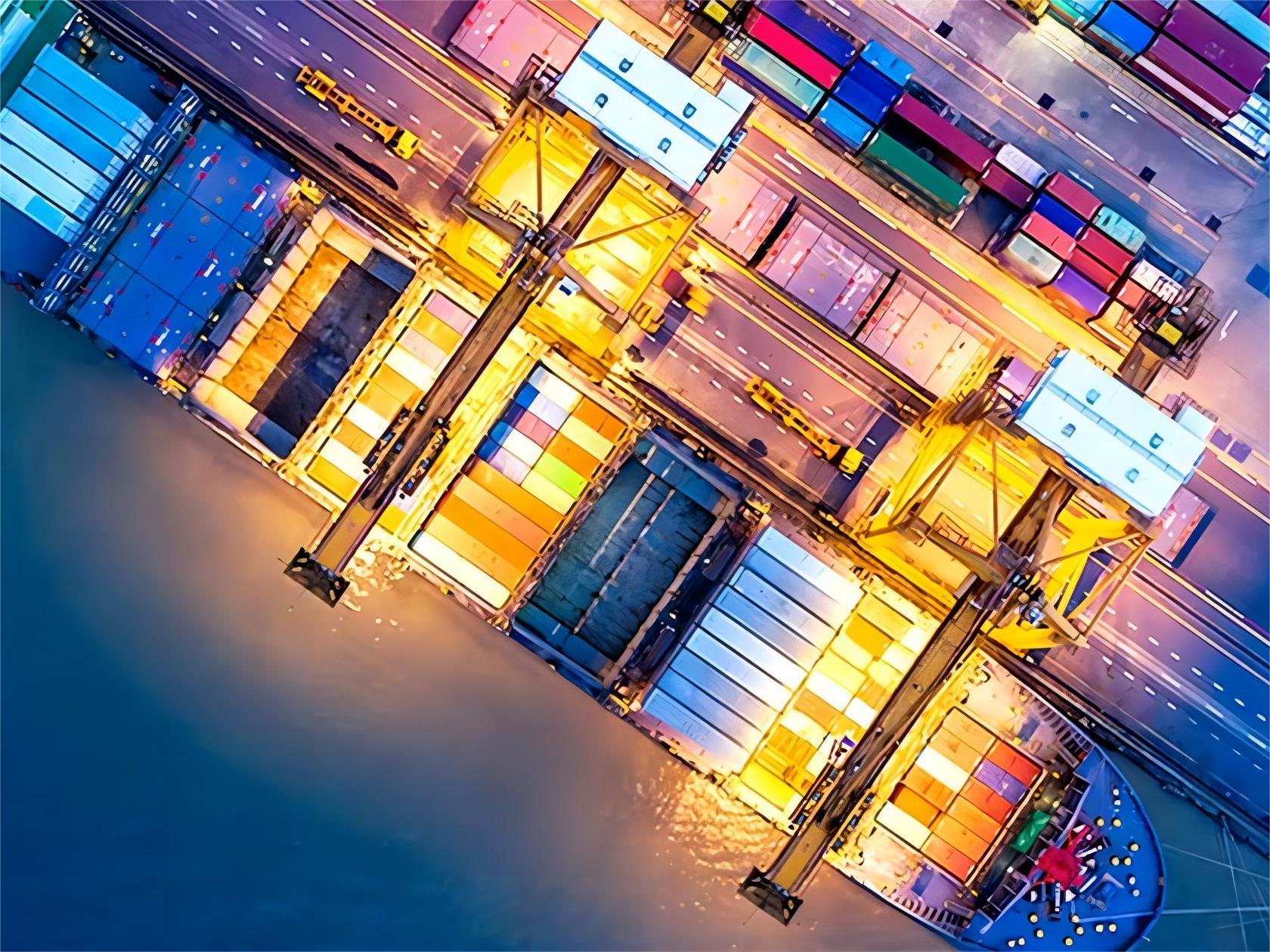
Examining actual shipping scenarios provides valuable insights into the practicalities of sea freight China to South Korea. These cases illustrate how different cargo types and volumes are handled in the current market environment. Furthermore, they highlight the importance of choosing the right service level for your specific needs.
Case Study 1: Electronics from Shanghai to Busan. A tech company moved 5 CBM of components via LCL. The total ocean freight cost was approximately 450 USD, with a door-to-door transit time of 6 days. Consequently, they maintained their production schedule without overspending on air transport.
Case Study 2: Industrial Machinery from Qingdao to Incheon. A manufacturer utilized a 20GP FCL container for heavy equipment. The ocean freight rate was 650 USD, and the shipment cleared customs in just 24 hours. Therefore, the direct route provided the speed and security required for high-value machinery.
Case Study 1: LCL Consumer Goods
Route: Shenzhen to Incheon. Cargo: Apparel, 8 CBM, 1200 kg. Shipping Method: LCL via transshipment. Cost Breakdown: Ocean Freight $640, Origin Charges $150, Destination Charges $200. Total Landed Cost: $990. Timeline: 8 days total. Key Insight: Consolidating smaller loads saved the client 60 percent compared to air freight.
Case Study 2: FCL Automotive Parts
Route: Ningbo to Busan. Cargo: Spare parts, 40HQ Container. Shipping Method: FCL Direct. Cost Breakdown: Ocean Freight $1100, Origin Charges $250, Destination Charges $300. Total Landed Cost: $1650. Timeline: 4 days total. Key Insight: High-volume shipments benefit from the lower per-unit cost of 40HQ containers.
Strategic Cost-Saving Tips for Importers
Reducing your logistics spend requires a combination of smart planning and negotiation. For instance, booking your shipment at least two weeks in advance can help you secure lower rates and guaranteed space. Additionally, optimizing your packaging to reduce unused volume can significantly lower LCL costs.
Moreover, consider using door to door services to simplify your supply chain and reduce the number of intermediaries. Consequently, you can often negotiate better all-in rates that cover everything from pickup to final delivery. Therefore, transparency in pricing is key to identifying hidden costs.
Furthermore, regularly reviewing your shipping data can reveal patterns that allow for better consolidation. Specifically, grouping multiple small orders into a single FCL shipment can lead to massive annual savings. Indeed, staying informed about market trends and port conditions is essential for any successful import business.
Final Thoughts on Shipping from China to South Korea
Successfully managing sea freight China to South Korea involves understanding the nuances of port operations, container types, and customs regulations. Consequently, businesses that invest in professional logistics partnerships often see a significant improvement in their supply chain reliability. Moreover, the cost advantages of maritime transport remain unmatched for the majority of trade volumes.
As we move through 2026, staying adaptable to market changes and technological advancements will be crucial for maintaining a competitive edge. Therefore, prioritize clear communication and accurate documentation to avoid unnecessary delays. Ultimately, sea freight continues to be the backbone of the vibrant economic relationship between China and South Korea.
Need a tailored shipping solution?
Streamline your international trade with the most reliable sea freight China to South Korea services available today. Our expert team is ready to provide you with a customized quote that meets your specific budget and timeline requirements. Contact us now to optimize your logistics strategy and ensure your cargo reaches its destination with maximum efficiency. Visit our inquiry page to get started.