

Amazon FBA Shipping China to Australia: 2026 Expert Logistics Guide
Navigating the complexities of amazon FBA shipping china to australia requires a strategic approach to ensure your inventory reaches fulfillment centers on time. Successfully managing these logistics can significantly impact your profit margins and customer satisfaction ratings in the competitive Australian marketplace. At Top China Logistics, we specialize in streamlining this process for e-commerce sellers by providing reliable and efficient shipping solutions tailored to your specific business needs.
How Does Amazon FBA Shipping China to Australia Work in 2026?
Understanding the fundamental steps of the supply chain is essential for any seller looking to optimize their Amazon FBA operations. Moreover, the process involves coordinating between Chinese manufacturers, freight forwarders, and Australian customs authorities to ensure a seamless transition of goods.
Consequently, sellers must decide between various shipping modes based on their volume, budget, and urgency. As of Q1 2026, the integration of digital tracking and automated customs filing has made the route from China to Australia more transparent than ever before.
Specifically, the journey begins at the factory where goods are labeled according to Amazon Australia requirements. Subsequently, your freight forwarder manages the inland transportation to major ports like Shenzhen or Shanghai before the international transit phase begins.
How Does Sea Freight Compare to Other Shipping Options?
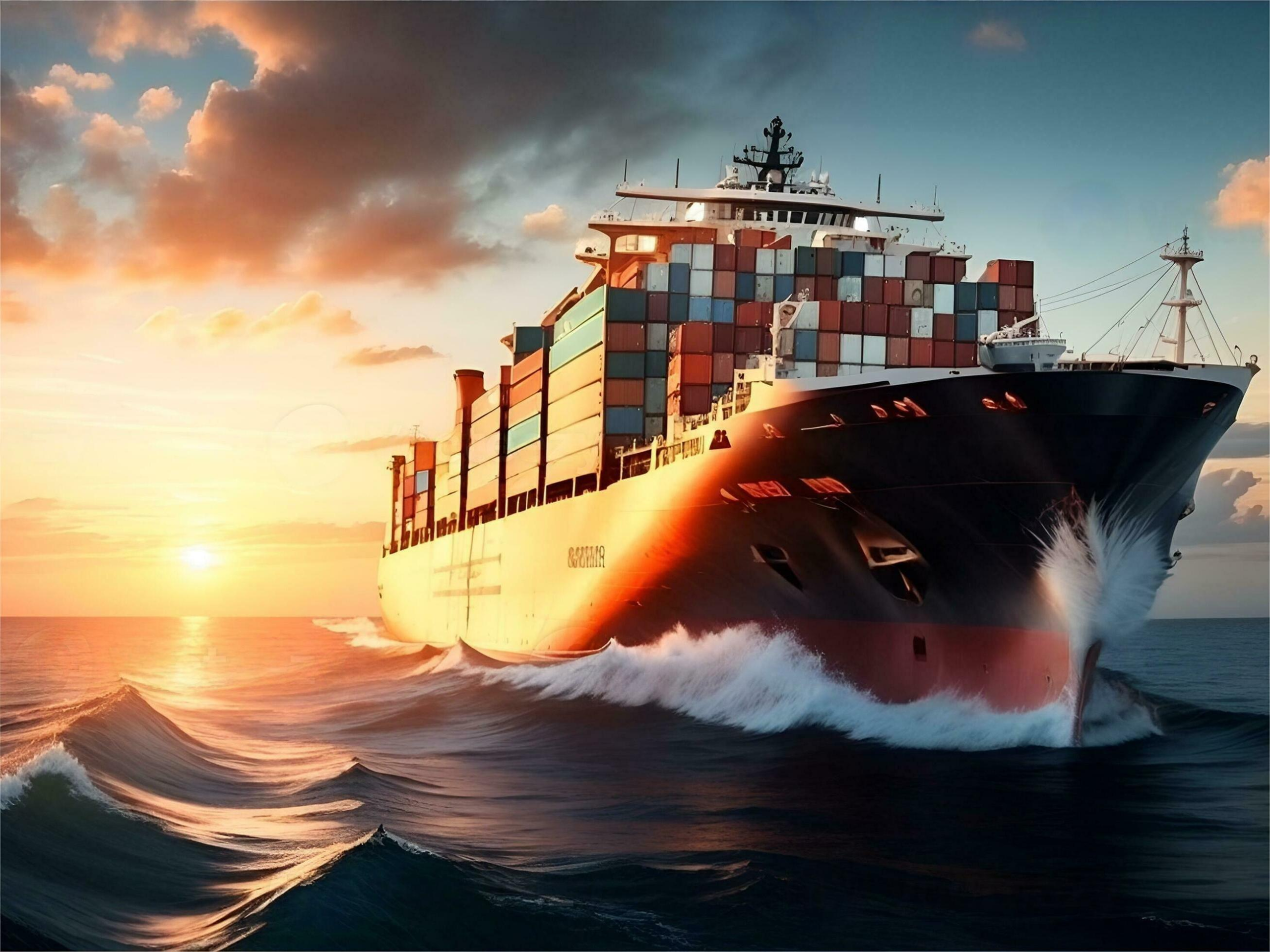
Choosing sea freight remains the most cost-effective strategy for large-scale shipments and bulky items. Furthermore, while it offers the lowest cost per unit, it requires careful planning due to longer transit times compared to air alternatives.
Market data suggests that for shipments exceeding 2 cubic meters, ocean transport provides a significant competitive advantage in terms of landed costs. However, sellers must account for potential port congestion and seasonal fluctuations that can affect the delivery schedule.
Notably, the choice between Full Container Load (FCL) and Less than Container Load (LCL) depends on your inventory volume. For instance, LCL is ideal for smaller batches, whereas FCL offers better security and faster handling for high-volume sellers.
| Shipping Method | Cost Range | Transit Time | Best For |
|---|---|---|---|
| Sea Freight FCL | $1,200 to $2,000 | 12 to 18 Days | High volume bulk goods |
| Sea Freight LCL | $50 to $90 per CBM | 18 to 25 Days | Small to medium batches |
| Air Freight | $4.50 to $7.50 per kg | 3 to 7 Days | Urgent or high-value |
| Express Service | $8.00 to $12.00 per kg | 2 to 4 Days | Samples and small parcels |

Evaluating Air Freight for Urgent FBA Shipments
Evaluating air freight is crucial when your inventory levels are low and you need to avoid stockouts on Amazon Australia. Additionally, this method provides the highest level of security and the fastest transit times, typically reaching major cities like Sydney or Melbourne within a week.
Indeed, the higher cost of air transport is often justified by the ability to respond quickly to market trends or sudden spikes in demand. Furthermore, the reduced time in transit lowers the overall insurance premiums and inventory carrying costs for the seller.
According to industry benchmarks in early 2026, air freight rates have remained stable, making it a viable option for high-margin electronics and fashion items. Nevertheless, it is important to calculate the volumetric weight accurately to avoid unexpected surcharges from the airlines.
Navigating Customs and Duties for Australian Imports
Managing the legal requirements of customs brokerage is a critical step that can prevent costly delays at the Australian border. Therefore, sellers must ensure that all documentation, including the commercial invoice and packing list, is meticulously prepared and compliant with Australian Border Force regulations.
Usually, goods imported into Australia are subject to a 10 percent Goods and Services Tax (GST) and potential customs duties depending on the product classification. Consequently, using an accurate Harmonized System (HS) code is vital for determining the correct duty rates and avoiding penalties.
Indeed, professional forwarders often include customs clearance as part of their comprehensive service package. This proactive approach ensures that your amazon FBA shipping china to australia remains compliant with the latest 2026 trade agreements and local tax laws.
| Document Name | Purpose | Required By | Key Tip |
|---|---|---|---|
| Commercial Invoice | Value declaration | Customs | Match Amazon listing |
| Packing List | Content verification | Carrier | Detail each carton |
| Bill of Lading | Title to goods | Shipping Line | Verify all details |
| COO Certificate | Origin proof | Customs | May reduce duties |
Essential Documentation for Smooth FBA Transit
Preparing the correct paperwork is the backbone of successful international logistics. Notably, missing or incorrect information can lead to your shipment being held in quarantine or rejected by Amazon fulfillment centers.
Accordingly, you should verify that your manufacturer provides a declaration for wooden packaging materials to satisfy Australian biosecurity requirements. Furthermore, ensure that all labels are applied correctly to each pallet and individual unit before the cargo leaves the factory in China.
Without a doubt, digital documentation has become the standard in 2026, allowing for faster processing and real-time updates. Meanwhile, maintaining a physical backup of all shipping records is still recommended for auditing purposes and insurance claims.
Real-World Case Studies: China to Australia Logistics
Reviewing actual shipping scenarios provides valuable insights into the costs and timelines you can expect for your own inventory. For example, these cases reflect the current market conditions and logistical challenges faced by sellers in 2026.
Case Study 1: High-Tech Electronics. Route: Shenzhen, China to Sydney, Australia. Cargo: 500kg, 2.5 CBM. Method: Air Freight. Carrier: Major Airline. Port of Loading: Shenzhen (SZX). Port of Discharge: Sydney (SYD). Route Type: Direct. Ocean Freight: N/A. Air Freight: $2,850. Origin Charges: $150. Destination Charges: $200. Customs and Duties: $450. Total Landed Cost: $3,650. Timeline: Booking to Loading: 2 days. Air Transit: 1 day. Customs Clearance: 1 day. Total Door-to-Door: 5 days. Key Insight: Choosing air freight prevented a stockout during a major sales event.
Case Study 2: Home Decor and Furniture. Route: Ningbo, China to Melbourne, Australia. Cargo: 15 CBM LCL. Container: LCL. Carrier: COSCO. Port of Loading: Ningbo. Port of Discharge: Melbourne. Route Type: Transshipment via Singapore. Ocean Freight: $950. Origin Charges: $250. Destination Charges: $350. Customs and Duties: $600. Total Landed Cost: $2,150. Timeline: Booking to Loading: 4 days. Sea Transit: 16 days. Customs Clearance: 3 days. Total Door-to-Door: 25 days. Key Insight: Consolidating items into a single LCL shipment reduced the cost per unit by 30 percent.

Cost-Saving Strategies for E-commerce Sellers
Implementing smart logistics strategies can significantly lower your amazon FBA shipping china to australia expenses over time. Likewise, consolidating multiple orders from different suppliers into a single shipment helps reduce the fixed costs associated with documentation and port handling.
Similarly, optimizing your product packaging to reduce dead space can lower both your shipping costs and Amazon storage fees. Furthermore, booking your shipments at least two to three weeks in advance during peak seasons can help you secure better rates and guaranteed space on vessels.
Industry average for this route suggests that sellers who use off-peak shipping windows save approximately 15 to 20 percent on freight costs. Consequently, maintaining a flexible inventory schedule is one of the most effective ways to protect your bottom line in 2026.
Which Option Should You Choose? Decision Framework
Analyzing your specific business priorities is the first step in selecting the right shipping method. Specifically, you must weigh the importance of speed against the necessity of cost control to determine which logistics path aligns with your current growth phase.
Without a doubt, new product launches often benefit from the speed of air freight to gather initial customer feedback quickly. On the other hand, established products with predictable demand patterns are better suited for the economical nature of sea freight.
Ultimately, a hybrid approach that utilizes both air and sea shipping can provide the perfect balance of agility and cost-efficiency. For instance, shipping 20 percent of your stock via air and the remaining 80 percent via sea ensures you have inventory available while minimizing total expenses.
| Priority | Recommended Method | Threshold | Key Benefit |
|---|---|---|---|
| Budget | Sea Freight LCL/FCL | Over 2 CBM | Lowest per-unit cost |
| Speed | Air Freight | Under 500kg | Fastest time to market |
| Reliability | Express Service | Under 100kg | Guaranteed delivery |
| Balance | Sea-Air Hybrid | Medium Volume | Moderate cost and speed |
The Importance of Professional FBA Freight Forwarding
Shipping directly to Australia involves more than just moving boxes from point A to point B. Therefore, partnering with a professional freight forwarder who understands the specific requirements of Amazon fulfillment centers is paramount to your success.
Meanwhile, a dedicated logistics partner can provide value-added services such as FBA prep, palletization, and labeling according to Amazon’s strict standards. Indeed, this expertise reduces the risk of your shipment being rejected at the dock, which could result in significant additional costs and delays.
Furthermore, an experienced forwarder will have established relationships with carriers and customs officials, ensuring smoother transit and faster problem resolution. Consequently, you can focus on growing your brand while the logistics experts handle the complexities of the international supply chain.
Preparing Your Cargo for Amazon Australia Requirements
Selecting the right packaging materials is the final step in ensuring your goods arrive in pristine condition. Finally, you must ensure that each pallet is wrapped securely and meets the maximum height and weight restrictions set by Amazon Australia.
Specifically, the use of clear and accurate shipping labels is non-negotiable for efficient processing at the fulfillment center. Moreover, verify that your shipment is booked through the Amazon Carrier Central system if you are using a non-partnered carrier for the final leg of the journey.
By following these guidelines, you can minimize the chances of receiving unplanned service fees or inventory discrepancies. Ultimately, a well-prepared shipment is the key to maintaining a healthy seller account and achieving long-term success on the Amazon platform.
Mastering Your Australian FBA Supply Chain
To summarize, successfully managing amazon FBA shipping china to australia requires a deep understanding of shipping methods, customs regulations, and Amazon-specific requirements. By choosing the right logistics partner and implementing cost-saving strategies, you can build a resilient and profitable e-commerce business in 2026.
By staying informed about market trends and maintaining a flexible approach to your shipping needs, you will be well-positioned to navigate any challenges that arise. Remember that the goal is not just to move goods, but to create a seamless flow of inventory that supports your brand’s growth and reputation in the Australian market.

Need a tailored shipping solution?
Streamline your amazon FBA shipping china to australia today by partnering with the experts at Top China Logistics. Contact us now to receive a customized quote and optimize your international supply chain for maximum efficiency and profit. Visit our website to learn more and start your journey toward hassle-free e-commerce logistics. Send Inquiry: https://topchinalogistics.com/