

Shipping Quote China to Australia: 2026 Pricing and Logistics Guide
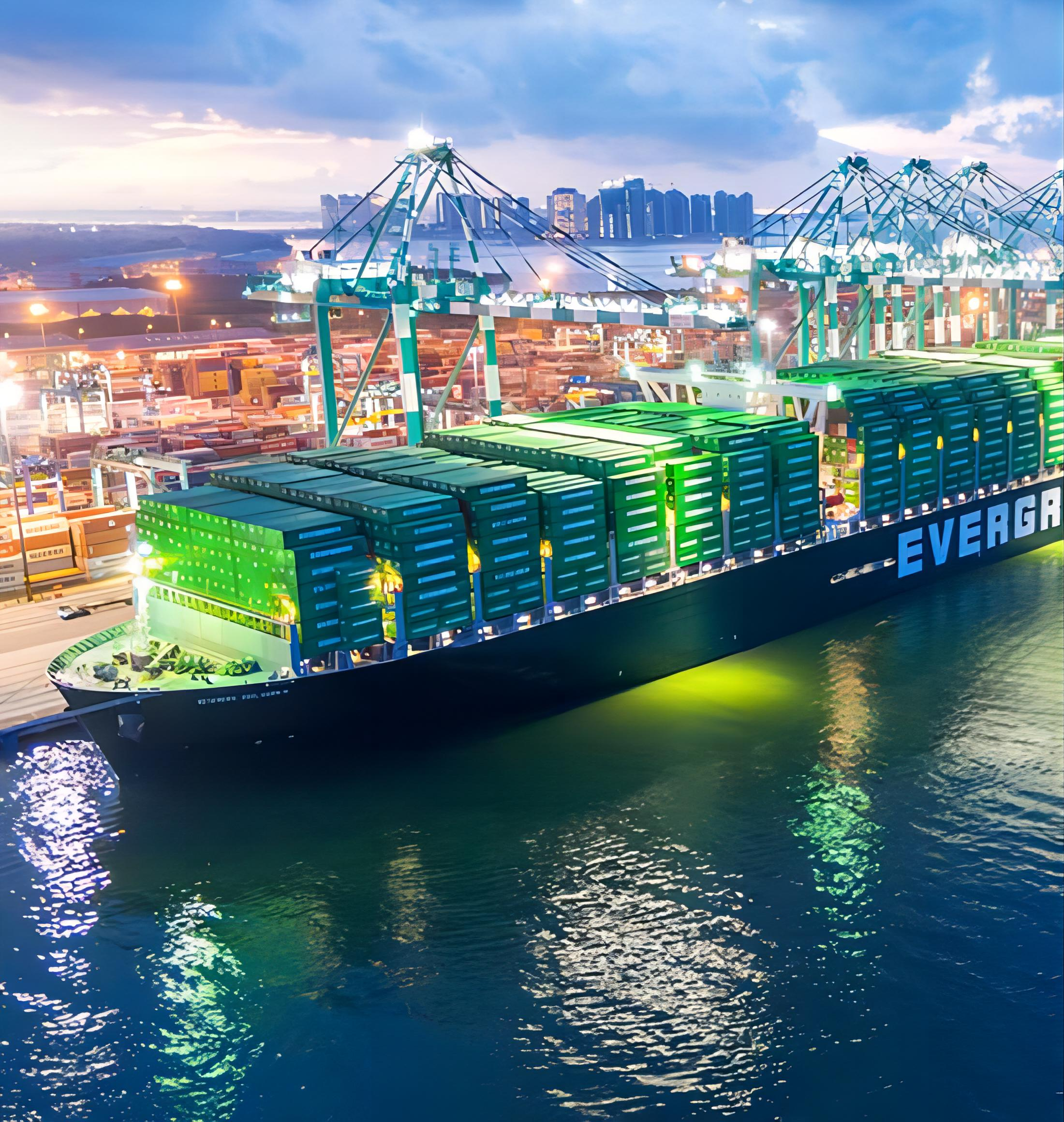
Securing a precise shipping quote china to Australia is the fundamental starting point for any successful international trade operation in 2026. By partnering with a reliable partner like Top China Logistics, businesses can navigate the complexities of trans-Pacific trade routes with confidence. This guide provides a comprehensive breakdown of current market rates, logistics strategies, and essential cost-saving tips for Australian importers.

What Factors Influence Your Shipping Quote China to Australia?
Several variables determine the final price you see on a logistics estimate for the 2026 trade year. Fuel surcharges and port congestion fees remain the most volatile components of any modern freight calculation. Consequently, importers must account for seasonal fluctuations that typically peak during the pre-Christmas and Chinese New Year periods.
Distance between the specific port of loading and the port of discharge also plays a critical role in pricing. For instance, shipping from Shenzhen to Brisbane is generally more cost-effective than shipping from Tianjin to Fremantle. Furthermore, the type of cargo and its specific handling requirements will dictate whether you need specialized equipment or standard containers.
Comparing Sea Freight and Air Freight for Australian Routes
Choosing between different transport modes requires a careful balance of speed and budget constraints. While sea freight offers the lowest cost per unit for high-volume goods, it demands much longer lead times. On the other hand, air freight provides rapid delivery but at a significantly higher price point.
As of early 2026, sea freight transit times from major Chinese hubs to the East Coast of Australia average between 12 and 22 days. Meanwhile, air cargo can reach major Australian airports within 3 to 7 days, including processing time. Therefore, your choice should align with your inventory turnover requirements and the value density of your products.
| Method | Average Cost | Transit Time | Best For |
|---|---|---|---|
| Sea Freight (FCL) | $1,200 – $2,000 | 12-25 Days | Bulk goods, Furniture |
| Sea Freight (LCL) | $80 – $150/CBM | 18-30 Days | Small pallets, Samples |
| Air Freight | $4.50 – $8.00/kg | 3-7 Days | Electronics, Fashion |
| Express Service | $7.00 – $12.00/kg | 2-5 Days | Urgent documents, Small parcels |
How Does Sea Freight Compare to Other Shipping Options?
Sea freight remains the backbone of the China-Australia trade corridor due to its unmatched capacity and efficiency. Unlike the Eurasian routes where rail freight is a viable alternative, the geographical isolation of Australia makes maritime and aviation the only primary choices. However, within sea freight, you have several strategic alternatives to consider based on your specific volume.
Full Container Load (FCL) is the standard for large shipments, offering better security and faster handling at the port. In contrast, Less than Container Load (LCL) allows multiple shippers to share space, making it ideal for smaller businesses. Additionally, hybrid sea-air solutions can sometimes be arranged via Southeast Asian hubs to balance cost and speed, though these are less common for the direct Australia route.
| Shipping Method | Cost Range | Transit Time | Best For | Limitations |
|---|---|---|---|---|
| Direct Sea FCL | $1,400 – $2,100 | 12-18 Days | High volume | High upfront cost |
| Consolidated LCL | $90 – $160/CBM | 20-28 Days | Small batches | Higher risk of damage |
| Premium Air | $6.00 – $9.00/kg | 2-4 Days | High value | Strict weight limits |
| Transshipment Sea | $1,100 – $1,700 | 25-35 Days | Budget priority | Longer delays |
Alternative Strategies and Cost-Saving Approaches
For shipments under 15 CBM, LCL at current market rates may be more economical than paying for a full 20GP container. Nevertheless, if your volume exceeds 15 CBM, upgrading to an FCL shipment often reduces the cost per cubic meter and minimizes handling risks. Moreover, choosing a direct route might cost 10-15% more but saves significant time compared to transshipment via Singapore.
Implementing a consolidation strategy in China can significantly lower your overall logistics expenses. By gathering goods from various suppliers at a single warehouse before shipping, you reduce documentation fees and optimize container space. Consequently, this approach is highly recommended for e-commerce sellers sourcing from multiple manufacturers.
Which Shipping Option Should You Choose?
Budget priority dictates that you should almost always opt for sea freight, specifically FCL if you can fill the volume. If speed is your primary concern for high-demand product launches, air freight is the only logical selection despite the premium cost. Furthermore, cargo type considerations like hazardous materials or oversized machinery will often necessitate specialized sea freight handling.
Volume thresholds are a critical metric for decision-making in the 2026 logistics landscape. Specifically, once your shipment exceeds 100kg, air freight becomes more viable than express couriers. Similarly, once you reach 15-20 CBM, the transition from LCL to FCL usually results in better financial outcomes and smoother logistics.
Understanding 2026 Container Pricing and Rates
Current market data suggests that container rates have stabilized following the fluctuations of previous years. For a standard 20GP container from Shanghai to Sydney, expect to pay between $800 and $1,200 for the ocean freight portion. Meanwhile, a 40HQ container, which offers double the volume, typically ranges from $1,400 to $2,000 depending on the carrier.
Note: Freight rates are subject to change based on fuel costs, carrier capacity, and seasonal demand. Contact us for a current quote tailored to your specific shipment. It is also important to remember that these prices do not include local port charges or Australian GST and duties.
| Container Type | Capacity (CBM) | Max Weight | Estimated Rate |
|---|---|---|---|
| 20GP Standard | 33 CBM | 28,000 kg | $800 – $1,200 |
| 40GP Standard | 67 CBM | 26,000 kg | $1,200 – $1,800 |
| 40HQ High Cube | 76 CBM | 26,000 kg | $1,400 – $2,000 |
Navigating Customs and Documentation in Australia
Efficient Customs Brokerage is vital to prevent expensive delays at the Australian border. The Australian Border Force (ABF) maintains strict regulations regarding wood packaging, asbestos, and prohibited imports. Therefore, ensuring your documentation is perfectly aligned with Australian standards is non-negotiable for 2026 importers.
Standard imports require a Commercial Invoice, a Packing List, and a Bill of Lading or Air Waybill. Additionally, a Packing Declaration is mandatory for sea freight to verify that no prohibited packaging materials are present. Consequently, working with an experienced broker can help you navigate the Free Trade Agreement (ChAFTA) to minimize or eliminate import duties.
Real-World Case Studies: Shipping to Australia
Case Study 1: Furniture Import for Melbourne Retailer. Route: Foshan, China to Melbourne, Australia. Cargo: Home furniture, 68 CBM, 12,000 kg. Container: 40HQ. Shipping Details: Major carrier, Port of Loading: Nansha, Port of Discharge: Melbourne, Route Type: Direct. Cost Breakdown: Ocean Freight: $1,750, Origin Charges: $450, Destination Charges: $650, Customs and Duties: $4,200, Total Landed Cost: $7,050. Timeline: Booking to Loading: 4 days, Sea Transit: 16 days, Customs Clearance: 2 days, Total Door-to-Door: 22 days. Key Insight: Early booking during the Q3 peak season saved the client 15% compared to last-minute rates.
Case Study 2: Electronics Distribution for Sydney Tech Firm. Route: Shenzhen, China to Sydney, Australia. Cargo: Consumer electronics, 4 CBM, 850 kg. Container: LCL. Shipping Details: Major carrier, Port of Loading: Shenzhen, Port of Discharge: Sydney, Route Type: Direct. Cost Breakdown: Ocean Freight: $480, Origin Charges: $220, Destination Charges: $380, Customs and Duties: $2,800, Total Landed Cost: $3,880. Timeline: Booking to Loading: 3 days, Sea Transit: 14 days, Customs Clearance: 1 day, Total Door-to-Door: 18 days. Key Insight: Utilizing Door to Door service simplified the final mile delivery to the warehouse.
Logistics Trends and Market Intelligence for 2026
According to industry benchmarks, the China-Australia route has benefited from increased vessel capacity and improved port infrastructure. Indeed, the integration of digital tracking systems has allowed for more transparent monitoring of cargo movements. Nevertheless, environmental regulations are leading to new ‘green’ surcharges that are starting to appear on many quotes.
Market data suggests that freight rates from China to Australia have stabilized after the disruptions seen in previous years. However, rates typically increase 15-25% during the August-October peak season as retailers stock up for the end-of-year holidays. Therefore, planning your shipments outside of these windows can lead to substantial savings on your shipping quote china to Australia.
Final Thoughts on Australian Shipping Logistics
Navigating the logistics landscape between China and Australia requires a strategic approach to cost and timing. By understanding the nuances of different freight modes and the impact of seasonal trends, you can significantly optimize your import operations. Always remember that the cheapest shipping quote china to Australia is not always the best if it results in costly delays or damaged goods.
Partnering with a professional logistics provider ensures that your documentation is handled correctly and your cargo arrives safely. Whether you are shipping small LCL batches or large FCL containers, staying informed about 2026 market rates is key to maintaining a competitive edge. Visit <a href=”https://topchinalogistics.com/shipping-from-china-to-australia/”>shipping from China to Australia</a> for more detailed country-specific information.
Need a tailored shipping solution?
Ready to streamline your supply chain and secure the most competitive shipping quote china to Australia for your next shipment? Contact our expert logistics team today to receive a customized freight solution that fits your budget and timeline. Send Inquiry link: Visit https://topchinalogistics.com/ to get started.