

Warehouse Fulfillment China to USA: 2026 Logistics Guide
Optimizing your warehouse fulfillment China to USA strategy is a critical step for businesses looking to maintain a competitive edge in 2026. By partnering with Top China Logistics, importers can significantly reduce their operational overhead while ensuring faster delivery to North American customers. This comprehensive guide explores the most efficient ways to manage your inventory and shipping processes from the factory floor to the final destination.
What is Warehouse Fulfillment China to USA?
Warehouse fulfillment China to USA refers to the process of storing, packing, and shipping goods directly from a facility in China to customers or distribution centers in the United States. This model allows businesses to leverage lower storage costs in China while maintaining high quality control standards before products are exported.
Furthermore, this approach enables sellers to consolidate orders and optimize their shipping volumes. Consequently, companies can reduce the frequency of expensive small-parcel shipments and focus on bulk logistics strategies that improve profit margins.
Specifically, the 2026 market has seen a shift toward advanced automation in Chinese warehouses. This trend ensures that inventory management is more precise than ever, reducing the likelihood of stockouts or overstock situations in US-based facilities.
Why Choose China-Based Fulfillment for US Markets?
Choosing a fulfillment center in China offers unparalleled proximity to manufacturing hubs. This proximity allows for immediate inventory updates and faster response times to production changes. Moreover, storing goods in China is generally more cost-effective than utilizing prime real estate in the United States for long-term storage.
In addition, localized fulfillment centers can perform essential value-added services such as kitting, labeling, and quality inspections. These services ensure that only perfect products reach the US market, which helps in maintaining a high brand reputation and reducing return rates.
Market data suggests that businesses using source-based fulfillment save an average of 15-20% on total logistics costs. These savings are primarily driven by reduced domestic transport fees within the US and optimized international freight schedules.
How Does Warehouse Fulfillment China to USA Compare to Other Shipping Options?
Comparing different shipping strategies is essential for finding the most economical route for your specific cargo. While direct factory-to-consumer shipping might seem simple, it often lacks the scalability required for growing brands. In contrast, a structured fulfillment model provides the stability needed for high-volume sales.
Specifically, sea freight remains the most popular choice for bulk inventory due to its low cost per unit. However, air freight is still preferred for high-value electronics or urgent restocks that cannot wait for the typical ocean transit times.
Additionally, hybrid solutions like sea-air combinations have become more viable in 2026. These methods offer a middle ground, providing faster delivery than pure sea freight at a significantly lower price point than pure air freight.
| Shipping Method | Cost Range | Transit Time | Best For |
|---|---|---|---|
| Sea Freight | $1,500 – $3,500 per Container | 14 – 35 Days | Bulk Inventory |
| Air Freight | $5 – $12 per kg | 3 – 7 Days | High-Value Goods |
| Express Service | $8 – $15 per kg | 2 – 5 Days | Urgent Samples |
| LCL Shipping | $50 – $150 per CBM | 18 – 40 Days | Small Shipments |
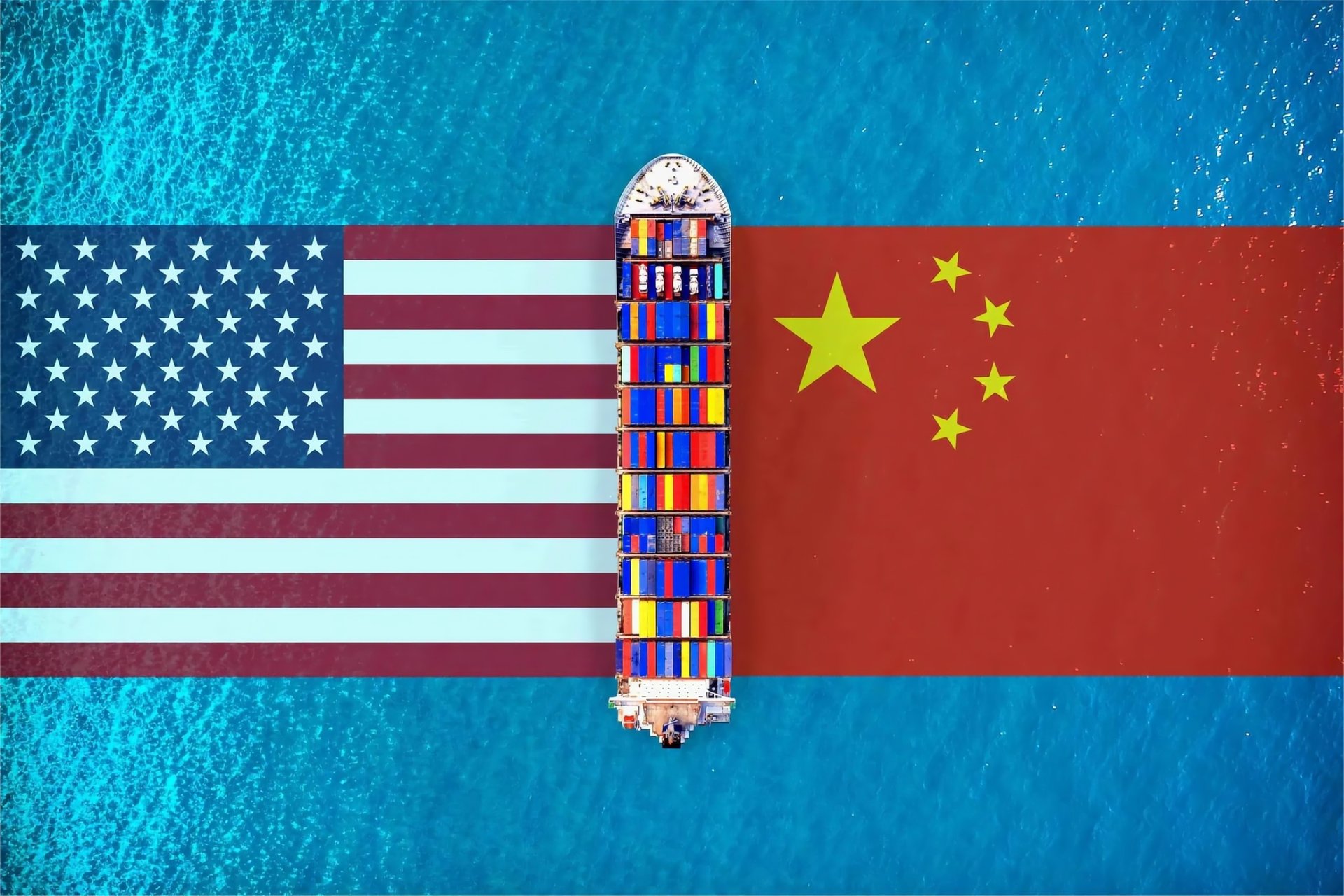
Selecting the Best Shipping Method for Your Needs
Deciding between sea freight and air freight depends heavily on your budget and delivery schedule. For instance, large furniture items are almost exclusively shipped via ocean containers to keep landed costs manageable. Conversely, seasonal fashion items may require the speed of air transport to meet market demand.
Moreover, the choice of port can impact your total transit time. Shipments arriving at the Port of Los Angeles are typically processed faster than those traveling through the Panama Canal to the East Coast. Therefore, your US distribution center’s location should influence your primary port of discharge.
Typical rates as of early 2026 indicate that ocean freight prices have stabilized, making it an excellent time to lock in long-term contracts. However, always account for potential fuel surcharges that may fluctuate throughout the year.
| Route (China to USA) | 20GP Container | 40HQ Container | Transit Time |
|---|---|---|---|
| Shenzhen to Los Angeles | $1,600 – $2,200 | $2,800 – $3,800 | 14 – 18 Days |
| Shanghai to New York | $2,700 – $3,600 | $4,500 – $6,000 | 30 – 35 Days |
| Ningbo to Savannah | $2,500 – $3,400 | $4,200 – $5,700 | 28 – 32 Days |
Navigating Customs and Compliance
Ensuring smooth entry into the United States requires a deep understanding of customs brokerage procedures. Incomplete or inaccurate documentation is the leading cause of delivery delays at US ports. Consequently, working with an experienced broker is vital for maintaining a clean shipping record.
Specifically, you must provide a detailed commercial invoice, a packing list, and a bill of lading for every shipment. Furthermore, certain products may require additional permits or certifications from agencies like the FDA or FCC. Staying compliant with these regulations prevents costly fines and cargo seizures.
Importantly, the Harmonized Tariff Schedule (HTS) codes must be accurately assigned to each product. Misclassification can lead to overpaying duties or, conversely, underpayment penalties that can disrupt your entire supply chain.

Specialized Solutions for E-commerce and Amazon Sellers
Integrating Amazon FBA services into your China-based fulfillment plan can revolutionize your business model. This setup allows you to prep and label your products in China according to Amazon’s strict requirements. As a result, your goods are ready for immediate check-in upon arrival at US fulfillment centers.
Additionally, many sellers now opt for door to door shipping to simplify their logistics. This service covers everything from factory pickup in China to final delivery at your US warehouse. It eliminates the need to manage multiple logistics providers, saving you time and reducing the risk of communication errors.
Indeed, the rise of multi-channel fulfillment means that your China-based warehouse should be capable of handling various platforms simultaneously. This flexibility is essential for brands that sell on Shopify, Walmart, and Amazon concurrently.
Real Case Studies: Warehouse Fulfillment China to USA
Examining real-world examples can provide valuable insights into the practical application of these logistics strategies. Below are two scenarios based on typical 2026 market conditions and shipping routes.
Case Study 1: Electronics Distribution. Route: Shenzhen to Los Angeles. Cargo: Consumer Electronics, 12 CBM, 2500 kg. Container: LCL. Shipping Details: Carrier: Major ocean carrier. Port of Loading: Shenzhen. Port of Discharge: Los Angeles. Cost Breakdown: Ocean Freight: $950. Origin Charges: $200. Destination Charges: $300. Total Landed Cost: $1,450. Timeline: Total Door-to-Door: 22 days. Key Insight: Consolidating LCL shipments in Shenzhen allowed the client to maintain weekly restocks without the cost of a full container.
Case Study 2: Furniture Import. Route: Ningbo to Savannah. Cargo: Home Furniture, 68 CBM, 12000 kg. Container: 40HQ. Shipping Details: Carrier: COSCO. Port of Loading: Ningbo. Port of Discharge: Savannah. Cost Breakdown: Ocean Freight: $4,200. Origin Charges: $400. Destination Charges: $600. Total Landed Cost: $5,200. Timeline: Total Door-to-Door: 38 days. Key Insight: Using a 40HQ container provided the best volumetric value for bulky items, despite the longer transit time to the East Coast.
Which Option Should You Choose?
Determining the right path depends on your specific business priorities and cargo characteristics. If your primary goal is budget optimization, sea freight remains the undisputed leader for large volumes. However, if you are launching a new product and need to test the market quickly, air freight or express services are more appropriate.
Specifically, consider the following criteria: For shipments under 15 CBM, LCL is often the most economical. For larger volumes, FCL offers better security and a lower cost per cubic meter. Furthermore, if your products have a short shelf life, prioritize speed over cost to ensure freshness and relevance.
Ultimately, a hybrid approach often yields the best results. You might ship 80% of your inventory via sea to maintain low costs and 20% via air to handle unexpected spikes in demand. This balanced strategy ensures your warehouse fulfillment China to USA remains resilient.
Final Thoughts on Warehouse Fulfillment China to USA
To summarize, establishing an efficient warehouse fulfillment China to USA system is essential for any modern e-commerce business. By understanding the nuances of shipping methods, customs compliance, and source-based warehousing, you can build a supply chain that is both cost-effective and reliable.
As we progress through 2026, staying informed about logistics trends and freight rates will be key to your success. Partnering with a professional logistics provider ensures that you can navigate market fluctuations and maintain a steady flow of goods to your US customers. Ultimately, the right fulfillment strategy is the foundation of a scalable and profitable international business.
Get Your Shipping Quote Today
Ready to streamline your supply chain and reduce costs? Contact our logistics experts today for a customized quote on warehouse fulfillment China to USA. Let us handle the complexities of international shipping while you focus on growing your brand. Visit our website to Send Inquiry and start your journey toward efficient global logistics.
Frequently Asked Questions
How long does warehouse fulfillment China to USA take?
Transit times vary by method. Air freight takes 3 to 7 days, while sea freight to the US West Coast takes 14 to 18 days. East Coast sea routes typically take 30 to 35 days.
What are the main costs involved in fulfillment?
Costs include warehousing fees in China, international freight (sea or air), customs duties, and last-mile delivery in the USA. Bulk shipping usually reduces the per-unit cost significantly.
Do I need a customs broker for China to USA shipping?
Yes, using a professional customs broker is highly recommended. They ensure all documentation is correct and help you navigate complex import regulations to avoid delays and fines.
Can I ship directly from a China warehouse to Amazon FBA?
Absolutely. Many fulfillment centers in China offer FBA prep services, including labeling and palletizing, so your goods can go directly to an Amazon warehouse upon arrival in the US.
Is sea freight or air freight better for my business?
Sea freight is best for heavy, bulky, or high-volume goods where cost is the priority. Air freight is ideal for lightweight, high-value, or time-sensitive items that need rapid delivery.
What documents are required for US customs?
The primary documents include a Commercial Invoice, Packing List, Bill of Lading, and an Arrival Notice. Some specific goods may also require an Import License or specialized certificates.
How can I track my shipment from China to the USA?
Most logistics providers offer online tracking systems. You can use your container number or bill of lading number to monitor your cargo’s progress across the ocean or through the air.
What is the difference between FCL and LCL?
FCL (Full Container Load) means you rent an entire container for your goods. LCL (Less than Container Load) means your goods share space with other shippers, which is cheaper for small volumes.