


Warehouse Fulfillment China to UAE: The 2026 Logistics Guide
“Navigating the complexities of international trade requires a robust strategy for warehouse fulfillment China to UAE to ensure seamless delivery to your customers. Businesses today face increasing pressure to maintain low overhead while providing rapid shipping options across the Middle East. By partnering with Top China Logistics, you can optimize your inventory management and leverage strategic shipping routes for maximum efficiency. This comprehensive guide explores the best practices, costs, and methods for successfully managing your supply chain from Chinese manufacturing hubs to the United Arab Emirates market in 2026.”

How Does Warehouse Fulfillment China to UAE Compare to Other Shipping Options?
❖Evaluating different logistics strategies is essential for maintaining a competitive edge in the fast-paced UAE e-commerce sector. While direct shipping from factories is common, utilizing a dedicated fulfillment center in China allows for better quality control and consolidated shipping. Furthermore, the choice between different transport modes significantly impacts your bottom line and customer satisfaction levels.
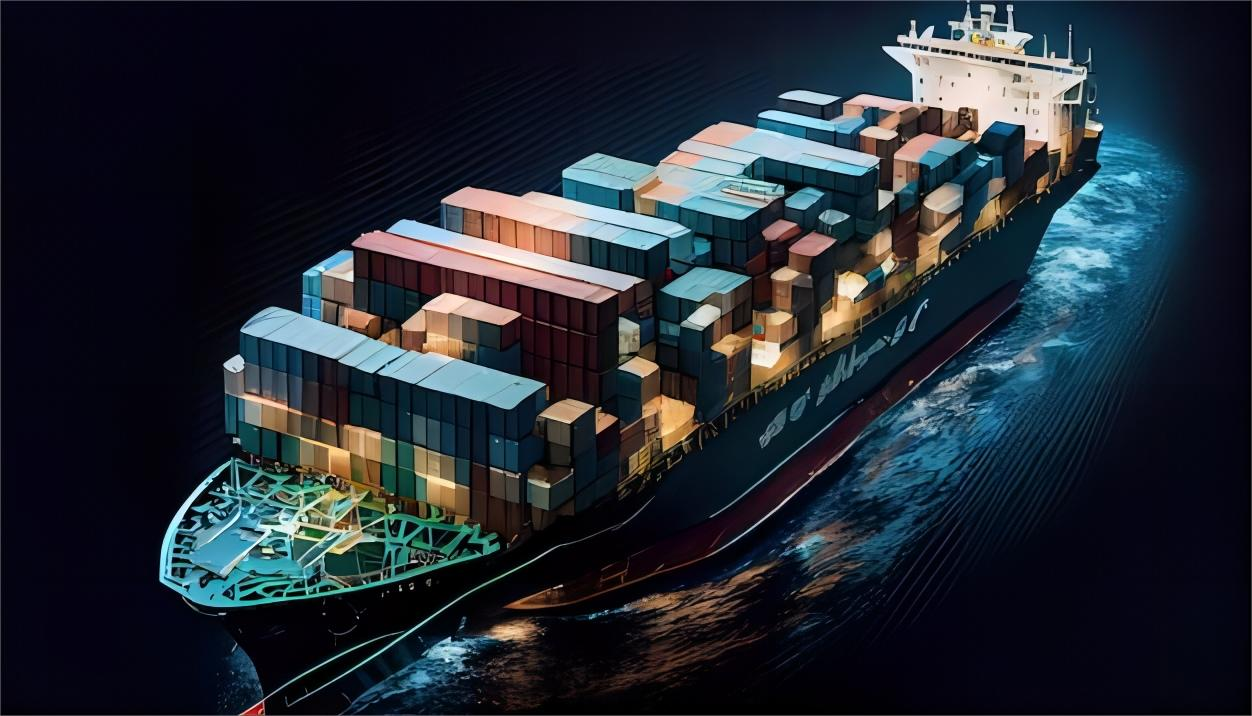
Consequently, most businesses analyze the trade-offs between speed and cost when selecting their primary shipping lane. Air transport offers the fastest turnaround for high-value items, whereas sea routes provide the necessary scale for bulk commodities. Meanwhile, hybrid solutions like sea-air freight have gained popularity in early 2026 as a middle-ground alternative for medium-priority shipments.
Market data suggests that freight rates have stabilized in the first quarter of 2026, though seasonal peaks still influence overall logistics costs. Therefore, planning your inventory cycles around these fluctuations can lead to substantial savings over the fiscal year. Indeed, choosing the right method depends entirely on your specific cargo volume and delivery deadlines.
| Shipping Method | Cost Range | Transit Time | Best For | Limitations |
|---|---|---|---|---|
| Air Freight | $4.50 – $8.50/kg | 3-5 Days | Urgent/High-Value | High Cost |
| Sea Freight (FCL) | $1,500 – $2,800 | 22-30 Days | Bulk Inventory | Slow Speed |
| Express Service | $7.00 – $12.00/kg | 2-4 Days | Small Parcels | Size Limits |
| Sea-Air Hybrid | $3.00 – $5.00/kg | 12-15 Days | Mid-range Priority | Complex Handling |
What are the Core Benefits of Using China-Based Fulfillment Centers?
❖Choosing to store inventory closer to the source of production offers several strategic advantages for UAE importers. Firstly, it allows for immediate product inspections before the goods ever leave the Chinese border, reducing the risk of costly returns. Additionally, consolidating orders from multiple suppliers into a single shipment can significantly lower your total landed cost.
Moreover, advanced warehousing facilities in hubs like Shenzhen or Ningbo provide sophisticated inventory tracking systems that integrate directly with your sales platforms. This real-time visibility ensures that you never oversell and can manage stock levels with precision. As a result, your business becomes more agile and responsive to the fluctuating demands of the Dubai and Abu Dhabi markets.
Consider utilizing sea freight for your primary stock replenishment to keep your margins healthy. While it takes longer than other methods, the cost per unit is unbeatable for large-scale operations. Without a doubt, a well-managed warehouse fulfillment China to UAE strategy is the backbone of any successful international retail business.
Which Option Should You Choose? A Decision Framework
❖Determining the most effective logistics path requires a clear understanding of your business priorities and cargo characteristics. If your primary goal is budget optimization, sea freight remains the gold standard for large volumes of non-perishable goods. However, if you are launching a new product and need to test the market quickly, air transport is the superior choice.
For shipments under 15 CBM, Less than Container Load (LCL) shipping is often more economical than paying for a full 20-foot container. On the other hand, once your volume exceeds 15 CBM, moving to a Full Container Load (FCL) usually provides a better price-to-volume ratio. Additionally, businesses should consider the nature of their products, as fragile or hazardous materials may require specialized handling that influences the choice of carrier.
Speed priority often dictates the use of air freight to meet tight deadlines. In contrast, if you have a predictable supply chain, you can schedule regular sea shipments to ensure a constant flow of goods. Ultimately, the best strategy often involves a mix of methods tailored to different product categories and seasonal demands.
Understanding UAE Customs and Import Regulations
❖Navigating the regulatory landscape is a critical component of warehouse fulfillment China to UAE. The UAE customs authorities require specific documentation, including a commercial invoice, packing list, and certificate of origin for all incoming shipments. Furthermore, ensuring that your goods are correctly classified under the Harmonized System (HS) codes is vital to avoid unnecessary delays or fines.
Consequently, many successful importers rely on professional customs brokerage services to handle the paperwork. These experts stay updated on the latest changes in UAE trade policy and can facilitate faster clearance at ports like Jebel Ali. Moreover, understanding the Value Added Tax (VAT) implications and duty exemptions for specific free zones can further optimize your financial planning.
Typical customs clearance in Dubai takes between 24 to 48 hours if all documentation is in order. Nevertheless, any discrepancies in the paperwork can lead to lengthy inspections and additional storage fees at the port. Therefore, meticulous preparation at the China fulfillment stage is the best way to ensure a smooth transition through UAE customs.
| Document Name | Purpose | Required For | Issuer |
|---|---|---|---|
| Commercial Invoice | Value Declaration | All Shipments | Seller/Supplier |
| Packing List | Content Detail | All Shipments | Warehouse |
| Bill of Lading | Title of Goods | Sea Freight | Carrier |
| Cert. of Origin | Verify Source | Duty Assessment | Chamber of Commerce |
Real-World Case Studies: Success in UAE Fulfillment
❖Examining actual shipping scenarios provides valuable insights into the practical application of these logistics strategies. Below are two examples based on early 2026 market conditions that illustrate the efficiency of modern fulfillment routes.
Case Study 1: Electronics Distribution. Route: Shenzhen to Dubai. Cargo: High-end smartphones and accessories, 8 CBM, 1,800 kg. Shipping Method: Air Freight. Total Landed Cost: $12,450. Transit Time: 5 days door-to-door. Key Insight: The high value-to-weight ratio made air freight the most profitable choice despite the higher shipping rates.
Case Study 2: Home Decor Retail. Route: Ningbo to Jebel Ali. Cargo: Ceramic vases and textiles, 32 CBM. Container: 40GP. Shipping Method: Sea Freight. Total Landed Cost: $4,800. Transit Time: 26 days. Key Insight: Utilizing a full container allowed the business to minimize unit shipping costs and maintain high margins during the peak Q4 season.
Note: Freight rates are subject to change based on fuel costs, carrier capacity, and seasonal demand. Contact us for a current quote tailored to your specific shipment.
Optimizing for Amazon FBA and E-commerce in the UAE
❖Selling on major platforms requires strict adherence to specific labeling and packaging standards. By using a fulfillment center in China, you can ensure that your products are prepped according to Amazon FBA requirements before they are shipped to the UAE. This prevents costly rejection at the Amazon warehouse and speeds up the time it takes for your products to go live.
Additionally, many sellers choose a door to door service to simplify the entire process. This comprehensive solution covers everything from factory pickup in China to final delivery at the fulfillment center in Dubai. As a result, business owners can focus on marketing and sales rather than worrying about the minutiae of international shipping logistics.
Indeed, the rise of the UAE as a global e-commerce hub has led to more frequent and reliable shipping schedules from China. Consequently, even small and medium enterprises can now access the same logistics infrastructure as major corporations. Meanwhile, the integration of AI-driven logistics tools in 2026 has further improved transit time predictability and cost transparency.

Mastering Your Supply Chain from China to the UAE
Summarizing the key points of this guide, successful warehouse fulfillment China to UAE relies on a combination of strategic planning, correct method selection, and reliable partnerships. By understanding the differences between air and sea freight, you can better manage your budget and meet customer expectations for speed. Furthermore, leveraging China-based warehousing allows for superior quality control and shipment consolidation.
As the trade relationship between China and the UAE continues to strengthen in 2026, the available logistics options will only become more diverse and efficient. Staying informed about market trends and regulatory changes is essential for any importer looking to scale their operations. Whether you are a small e-commerce seller or a large industrial distributor, the right fulfillment strategy is the key to long-term success in the Middle East.

Ready to streamline your logistics?
Ready to streamline your supply chain and reduce your logistics overhead? Contact Top China Logistics today for a customized quote on your warehouse fulfillment China to UAE needs. Our team of experts is standing by to help you choose the most efficient and cost-effective shipping solution for your business in 2026. Visit our website to start your inquiry and experience world-class logistics support.
Request Quote