

Warehouse Fulfillment China to South Korea: 2026 Logistics Guide
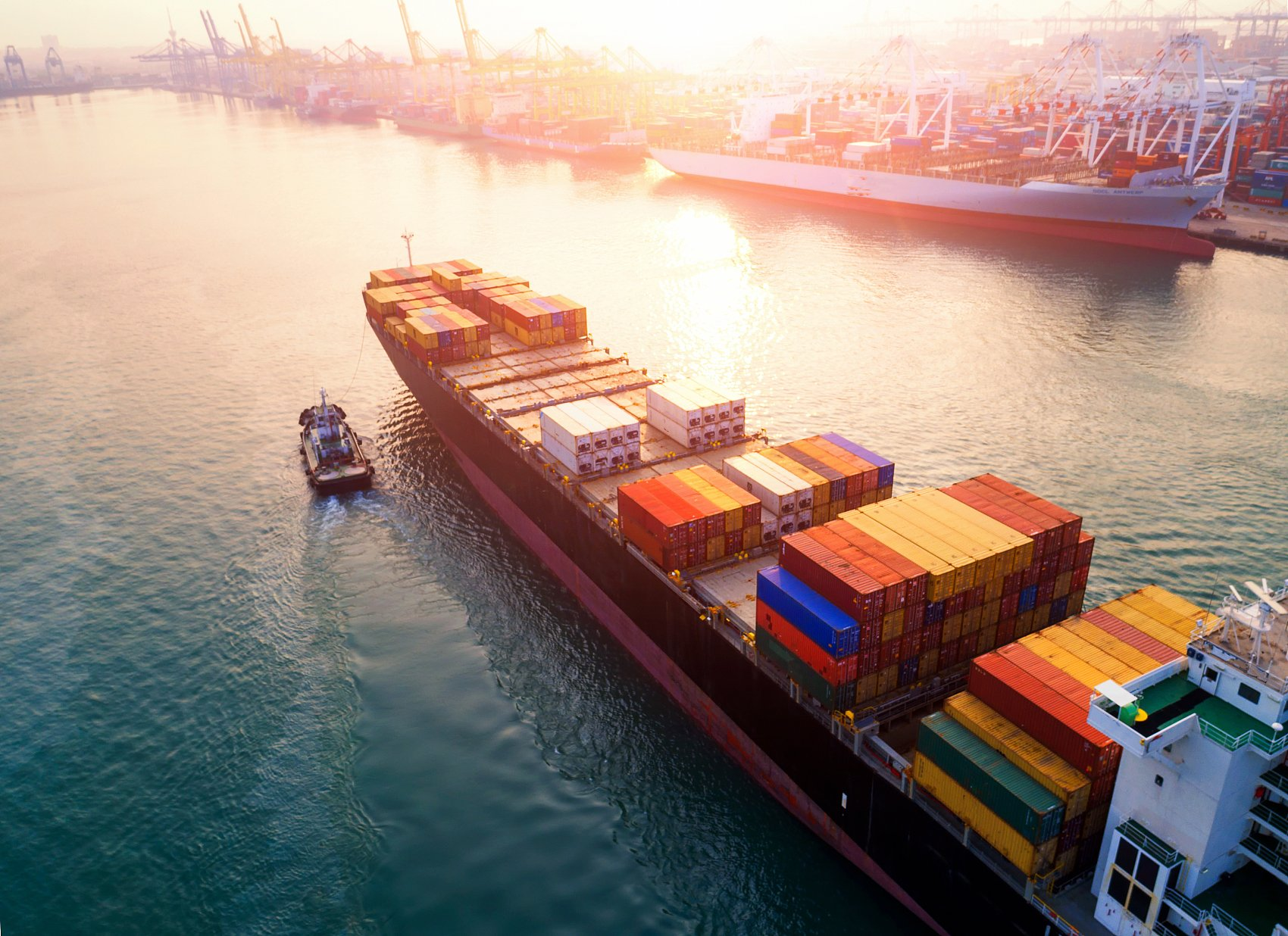
Expanding your business into the vibrant Korean market requires a seamless logistical strategy that bridges the gap between production and delivery. Efficient warehouse fulfillment China to South Korea serves as the primary engine for cross-border e-commerce success in the current economic landscape. By partnering with Top China Logistics, you can ensure your inventory moves swiftly across the Yellow Sea. This guide explores how modern warehousing and shipping solutions can transform your regional operations.

Why Warehouse Fulfillment China to South Korea is Essential in 2026?
Modern consumers in Seoul and Busan demand rapid delivery times that only localized fulfillment strategies can provide. Consequently, businesses are shifting away from direct-to-consumer shipping from distant factories toward strategically placed hubs. Warehouse fulfillment China to South Korea allows you to consolidate orders and manage inventory closer to the end user.
Moreover, the geopolitical stability and strong trade agreements between these two nations facilitate smoother cargo handling. Industry trends for 2026 suggest that integrated supply chain management is no longer optional for competitive brands. Therefore, utilizing a professional fulfillment center reduces the risk of stockouts and delivery delays.
Additionally, the rise of specialized e-commerce platforms has increased the need for precise order processing. Without a doubt, a dedicated warehouse in China can handle the labeling, packing, and quality control required for the Korean market. As a result, your brand reputation remains high due to consistent service quality.
How Does Sea Freight Compare to Other Shipping Options?
When evaluating the best way to move goods, sea freight remains the most cost-effective solution for large-scale shipments. While air freight offers speed, the sheer volume capacity of ocean vessels provides significant economies of scale. In contrast, sea routes from Qingdao or Tianjin to Incheon are remarkably short, often taking only a few days.
Furthermore, sea freight is ideal for heavy or bulky items that would be prohibitively expensive to send by air. For example, furniture, machinery, and large electronics benefit greatly from lower ocean freight rates. On the other hand, businesses must account for port congestion and terminal handling times when planning their delivery schedule.
Meanwhile, hybrid solutions like sea-air combinations are gaining popularity for balancing cost and speed. Nevertheless, for most warehouse fulfillment China to South Korea scenarios, direct ocean routes provide the best ROI. Accordingly, choosing between FCL and LCL shipments depends entirely on your current stock volume and budget constraints.
| Shipping Method | Cost Range | Transit Time | Best For | Limitations |
|---|---|---|---|---|
| Sea Freight (LCL) | $40 – $90 per CBM | 5 – 8 Days | Small business bulk | Port delays possible |
| Sea Freight (FCL) | $600 – $1,100 per 20GP | 4 – 7 Days | High volume inventory | Requires full load |
| Air Freight | $3.00 – $5.50 per KG | 1 – 2 Days | High-value / Urgent | High cost, low volume |
| Express Service | $6.00 – $10.00 per KG | 1 – 3 Days | Samples and small parcels | Strict weight limits |
Key Benefits of China-Based Warehousing for Korean Markets
Utilizing a warehouse in China offers unparalleled flexibility in managing your manufacturing output. Indeed, storing goods at the source allows for immediate adjustments to order volume without international shipping delays. Consequently, you can respond to market trends in South Korea with much greater agility.
Furthermore, labor costs for fulfillment tasks like kitting and assembly are often more competitive in Chinese logistics hubs. In addition, these facilities are equipped with advanced technology for real-time tracking and inventory management. Therefore, you maintain full visibility over your supply chain at every stage of the process.
Notably, many fulfillment centers in China offer specialized services for the Korean market, such as KC certification labeling. As a result, your products arrive at the border fully compliant with local regulations. This proactive approach minimizes the risk of customs seizures or costly re-labeling fees upon arrival.
Navigating Customs Brokerage and Import Regulations
Successful warehouse fulfillment China to South Korea relies heavily on efficient customs brokerage to avoid bottlenecks. South Korea has specific documentation requirements that differ from other Asian markets. For instance, the Korea-China FTA can significantly reduce or eliminate duties if the correct Certificate of Origin is provided.
Moreover, professional brokers ensure that all harmonized system (HS) codes are accurately applied to your cargo. Consequently, you avoid overpaying taxes and prevent administrative delays during the clearance process. In addition, staying updated on the latest logistics trends helps you anticipate changes in import policies for 2026.
Meanwhile, digital customs platforms in both countries have streamlined the submission of manifests and declarations. However, manual errors in paperwork can still lead to significant transit time increases. Therefore, partnering with an experienced logistics provider is the safest way to navigate these complexities.
| Document Name | Purpose | Required By | Notes |
|---|---|---|---|
| Commercial Invoice | Value declaration | Customs Service | Must match packing list |
| Packing List | Cargo verification | Terminal / Customs | Detailed item breakdown |
| Bill of Lading | Title of goods | Carrier / Consignee | Master and House BOL |
| FTA CO | Duty reduction | Korean Customs | Specific 2026 format |
Which Shipping Option Should You Choose?
Choosing the right method for warehouse fulfillment China to South Korea depends on your specific business priorities. If your primary goal is minimizing expenditure, sea freight is the logical choice for most cargo types. On the other hand, if you are launching a new product and need immediate market presence, air freight is superior.
For small businesses or those sending frequent small batches, an express service provides the most convenience. This option typically includes end-to-end tracking and simplified customs handling for lower-value shipments. Nevertheless, the cost per kilogram is substantially higher than other freight methods.
Additionally, you should consider the nature of your cargo when making this decision. Fragile or perishable items often require the speed of air transport to maintain quality. Consequently, a hybrid strategy using different methods for different product lines is often the most effective approach for growing brands.
The Role of Door to Door Services in Fulfillment
Many businesses now prefer a comprehensive door to door solution to simplify their operations. This service covers everything from the initial pickup at the Chinese factory to the final delivery at the Korean warehouse or customer. Indeed, this model removes the burden of managing multiple vendors and disparate shipping legs.
Furthermore, door-to-door services provide a single point of contact for all your logistical inquiries. As a result, communication is streamlined, and the likelihood of information loss between carriers is reduced. Moreover, integrated pricing models often result in more predictable landed costs for your products.
In addition, this approach is particularly beneficial for e-commerce sellers who lack a physical presence in South Korea. By outsourcing the entire chain, you can focus on marketing and sales while the logistics experts handle the physical movement of goods. Therefore, it is a highly scalable solution for businesses of all sizes.
Realistic Case Studies for 2026
Case Study 1: Electronics Distribution. Route: Shenzhen, China to Seoul, South Korea. Cargo: Consumer electronics, 8 CBM, 1200 kg. Shipping Method: LCL Sea Freight. Ocean Freight: $520. Origin Charges: $150. Destination Charges: $210. Total Landed Cost: $880. Sea Transit: 6 days. Total Door-to-Door: 11 days. Key Insight: Consolidating multiple small orders into one LCL shipment saved the client 35% compared to express shipping.
Case Study 2: Fashion Retailer Peak Season. Route: Guangzhou, China to Incheon, South Korea. Cargo: Apparel, 22 CBM. Container: 20GP Full Container. Ocean Freight: $850. Customs and Duties: $400. Total Landed Cost: $1,450. Sea Transit: 4 days. Total Door-to-Door: 8 days. Key Insight: Using a full container during the Q4 peak season of 2025 ensured space availability and avoided the delays common in LCL consolidation during high-demand periods.
Case Study 3: Urgent Spare Parts. Route: Shanghai, China to Busan, South Korea. Cargo: Industrial machinery parts, 45 kg. Shipping Method: Air Freight. Air Freight Cost: $210. Customs Clearance: 1 day. Total Door-to-Door: 3 days. Key Insight: While more expensive per unit, the rapid transit prevented a factory shutdown in Busan, proving that speed justifies the cost in critical scenarios.
Cost-Saving Strategies for Cross-Border Logistics
Reducing your expenses in warehouse fulfillment China to South Korea requires a strategic look at your packaging and consolidation. For example, optimizing the dimensions of your shipping cartons can significantly reduce dimensional weight charges in air freight. Additionally, consolidating multiple vendor orders at a single Chinese warehouse reduces the number of individual shipments.
Furthermore, booking your shipments well in advance can help you secure lower freight rates during peak seasons. Market data suggests that rates typically increase by 20% during the late summer months. Consequently, planning your inventory cycles around these fluctuations can lead to substantial annual savings.
Moreover, utilizing bonded warehouses in China allows you to defer tax payments until the goods are actually shipped. This strategy improves your cash flow and provides more flexibility in managing your working capital. Therefore, exploring these alternative strategies is essential for maintaining a healthy bottom line in 2026.
Transit Time Analysis and Delivery Schedules
Understanding the delivery schedule is paramount for managing customer expectations in the fast-paced Korean market. Generally, sea freight from major Chinese ports to South Korea is among the fastest international routes in the world. For instance, a vessel leaving Shanghai can reach Incheon or Busan in less than 48 hours of actual sailing time.
However, the total transit time must include the days required for cargo handling at both ends. Typically, you should allow for 2-3 days of origin processing and another 2-3 days for customs clearance and local delivery. Consequently, a standard sea freight shipment usually takes between 7 and 10 days from door to door.
In contrast, air freight can reduce this total window to just 2 or 3 days. This speed is particularly advantageous for high-turnover e-commerce items or time-sensitive promotional goods. Meanwhile, logistics trends for 2026 show that automated port terminals are further reducing these timeframes by speeding up the loading and unloading processes.
Future Trends in China-Korea Logistics
As we move through 2026, the integration of artificial intelligence in warehouse fulfillment China to South Korea is becoming more prevalent. AI-driven demand forecasting helps businesses optimize their stock levels in Chinese hubs, reducing storage costs. Additionally, blockchain technology is being used to create more transparent and secure supply chains.
Furthermore, there is a growing emphasis on green logistics and reducing the carbon footprint of cross-border trade. Many carriers are now offering carbon-neutral shipping options by utilizing eco-friendly fuels or carbon offset programs. Consequently, adopting these sustainable practices can enhance your brand image among environmentally conscious Korean consumers.
Moreover, the expansion of the Regional Comprehensive Economic Partnership (RCEP) continues to lower trade barriers across Asia. This trend facilitates even smoother movement of goods and encourages more businesses to establish regional fulfillment centers. Therefore, staying informed about these macro-economic shifts is vital for long-term strategic planning.
Mastering Your Supply Chain for 2026
Establishing a robust system for warehouse fulfillment China to South Korea is a transformative step for any business looking to dominate the East Asian market. By leveraging the right shipping methods and strategic warehousing, you can significantly reduce costs while improving delivery speed. Whether you choose sea freight for its economy or air freight for its speed, the key lies in professional management.
In summary, the logistics landscape in 2026 offers more tools and technologies than ever before to ensure your success. Partnering with an experienced provider like Top China Logistics ensures that your warehouse fulfillment China to South Korea remains efficient and compliant. Start optimizing your regional operations today to meet the growing demands of your Korean customers.
Ready to streamline your logistics?
Streamline your supply chain today with professional warehouse fulfillment China to South Korea. Contact our experts at Top China Logistics to receive a customized quote and optimize your delivery schedule for the 2026 market. Visit our website to learn more about our comprehensive shipping solutions. Send Inquiry:
Request Quote