


Warehouse fulfillment China to Mexico: Complete 2026 Logistics Guide
Managing warehouse fulfillment China to Mexico requires a strategic approach to navigate the complexities of international trade in 2026. As the Mexican market continues to expand, businesses must optimize their storage and distribution networks to remain competitive. Visit Top China Logistics to discover how professional handling can streamline your entire supply chain today.
The Evolution of Warehouse Fulfillment China to Mexico in 2026
The landscape of global trade has shifted significantly as we enter 2026, making efficient logistics more critical than ever. Consequently, companies are increasingly looking for integrated solutions that bridge the gap between Chinese manufacturing hubs and Mexican consumers.
Furthermore, the rise of e-commerce in Latin America has necessitated faster turnaround times and more reliable inventory management. Therefore, choosing a partner who understands both markets is the first step toward successful expansion.
Meanwhile, technological advancements in tracking and automation have redefined how we view the supply chain. Indeed, real-time visibility is no longer a luxury but a standard requirement for modern businesses.
How to Select the Optimal Shipping Route
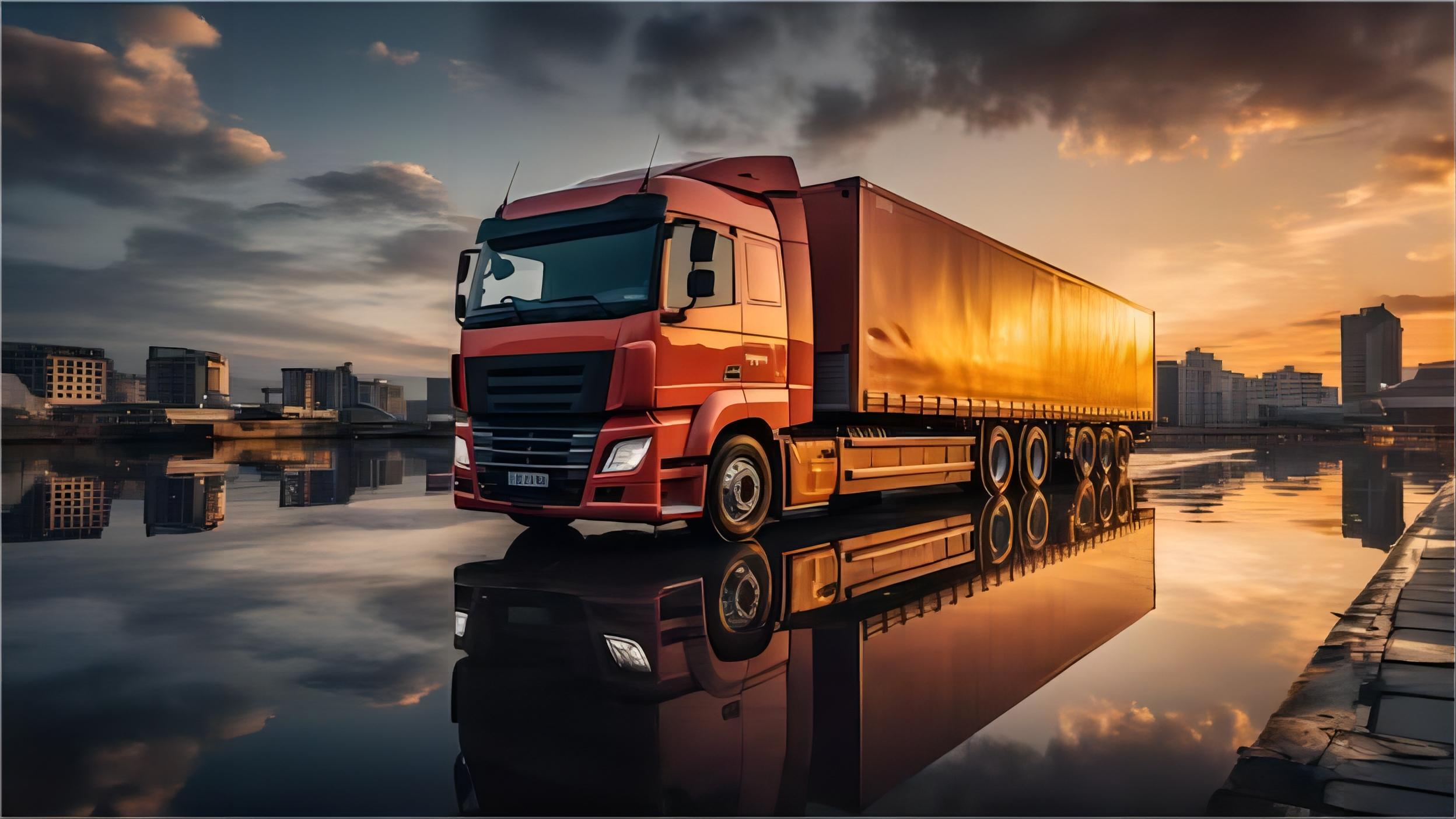
Selecting the right route involves balancing cost, speed, and reliability based on your specific cargo needs. For instance, most sea shipments from China arrive at the Port of Manzanillo or Lazaro Cardenas before moving inland.
Additionally, utilizing door to door services can significantly reduce the administrative burden on your team. This approach ensures that every step, from the Chinese factory to the Mexican warehouse, is handled by a single entity.
However, you must consider the seasonal fluctuations that affect port congestion and trucking availability. Accordingly, planning your shipments at least six weeks in advance is recommended during peak periods like the third quarter.
Understanding Mexican Customs and Import Duties
Navigating the Mexican customs landscape requires a deep understanding of local regulations and tax structures. Specifically, the Mexican Tax Administration Service (SAT) enforces strict documentation requirements for all incoming goods.
Moreover, working with a professional customs brokerage is essential to avoid costly delays and potential fines. They can assist with NOM certifications and ensuring your commercial invoices meet all legal standards.
In addition, businesses should be aware of the Value Added Tax (IVA) which is typically 16 percent in Mexico. Nevertheless, certain manufacturing programs like IMMEX may offer tax advantages for goods intended for re-export.
| Commercial Invoice | Value Declaration | All Shipments | Critical |
| Packing List | Content Detail | All Shipments | High |
| Bill of Lading | Title of Goods | Sea Freight | Critical |
| NOM Certificate | Safety Standards | Electronics/Toys | High |
Comparing Sea, Air, and Express Fulfillment Services
When planning your warehouse fulfillment China to Mexico strategy, the choice of transport mode dictates your inventory levels. For example, sea freight remains the most cost-effective solution for large volumes of consumer goods.
On the other hand, air freight provides the speed necessary for high-value electronics or urgent restocks. While the cost per kilogram is higher, the reduction in lead time can improve your cash flow significantly.
Furthermore, for small parcels or samples, express service offers the fastest transit times with simplified customs procedures. Consequently, many e-commerce sellers use a hybrid approach to balance their logistics expenses.
| Sea Freight (FCL) | Low | 25-35 Days | Bulk Inventory |
| Sea Freight (LCL) | Moderate | 30-40 Days | Small Batches |
| Air Freight | High | 5-8 Days | High-Value Goods |
| Express Courier | Very High | 3-5 Days | Urgent Samples |
How Does Sea Freight Compare to Other Shipping Options?
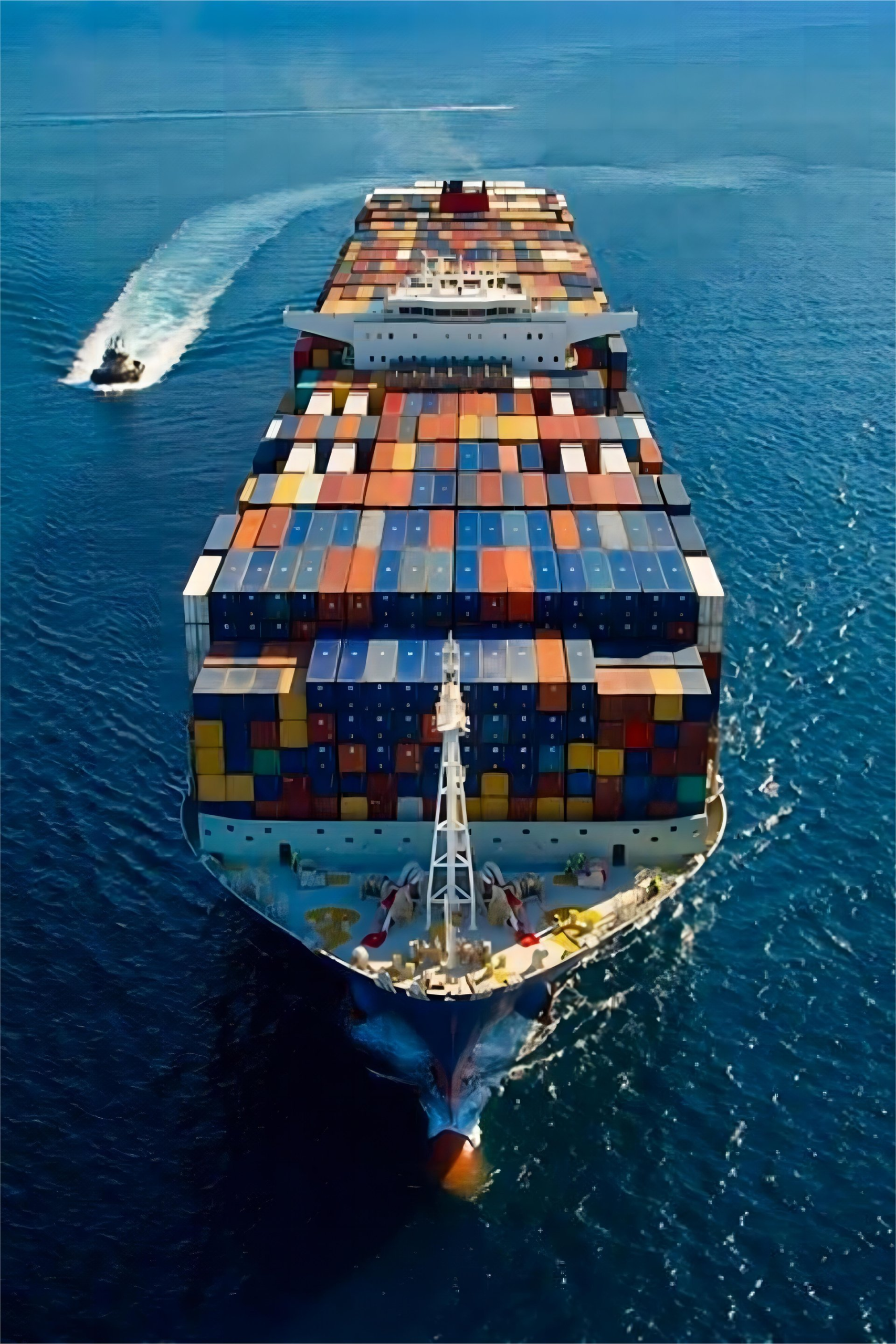
While sea freight is the traditional backbone of warehouse fulfillment China to Mexico, it is not always the best fit for every scenario. Specifically, in 2026, we see a rise in multi-modal solutions that combine different transport types to optimize the supply chain.
For instance, sea freight costs approximately 2,500 to 4,500 dollars for a 40HQ container, whereas air freight for the same volume would be prohibitively expensive. However, air freight arrives in less than a week, making it superior for time-sensitive product launches.
Additionally, LCL (Less than Container Load) shipping offers a middle ground for businesses that do not have enough volume for a full container. Nevertheless, this method often involves longer transit times due to the consolidation and deconsolidation processes at the ports.
| Sea Freight | $2,500 – $4,500 | 28-35 Days | Large Stock | Slow Speed |
| Air Freight | $8 – $12 per kg | 5-7 Days | Electronics | High Cost |
| Sea-Air Hybrid | $5 – $7 per kg | 15-20 Days | Balanced Needs | Complex Setup |
Which Option Should You Choose?
Deciding on the best fulfillment strategy depends on your budget, cargo type, and customer expectations. If your primary goal is cost reduction, sea freight to a bonded warehouse in Mexico is usually the most effective path.
Conversely, if you are operating a just-in-time manufacturing model, air freight becomes a necessity despite the higher rates. You should also consider the physical characteristics of your goods, as bulky items are rarely suitable for air transport.
In summary, most successful importers use a tiered approach. They ship their core inventory via sea and use air freight for emergency stock-outs or high-demand periods like Black Friday.
Real-World Scenario Analysis
Case Study 1: High-Volume Electronics Distribution. Route: Shenzhen, China to Mexico City, Mexico. Cargo: Consumer electronics, 15 CBM, 4,500 kg. Shipping Method: Sea Freight LCL. Total Landed Cost: $5,200. Total Door-to-Door Time: 38 days. Key Insight: Consolidating shipments in Shenzhen saved the client 15 percent compared to shipping multiple smaller air parcels.
Case Study 2: Urgent Apparel Restock. Route: Ningbo, China to Guadalajara, Mexico. Cargo: Fashion apparel, 200 kg. Shipping Method: Air Freight. Total Landed Cost: $2,100. Total Door-to-Door Time: 7 days. Key Insight: Rapid delivery allowed the retailer to capitalize on a viral social media trend, resulting in a 300 percent return on investment.
Case Study 3: Industrial Machinery Parts. Route: Shanghai, China to Monterrey, Mexico. Cargo: Steel components, 20GP Container. Shipping Method: Sea Freight FCL. Total Landed Cost: $4,850. Total Door-to-Door Time: 32 days. Key Insight: Utilizing a direct route to Altamira port reduced inland trucking costs by 20 percent for this northern Mexico destination.
Strategic Cost-Saving Strategies for 2026
To maximize your margins, you must look beyond basic freight rates and analyze your total landed cost. For example, optimizing your packaging can reduce the volumetric weight of your shipments, leading to significant savings in air freight.
Furthermore, utilizing bonded warehouses in Mexico allows you to defer the payment of import duties until the goods are actually sold. This strategy significantly improves your company’s liquidity and overall financial health.
Finally, always request quotes from multiple carriers to ensure you are receiving competitive market rates. Indeed, the logistics market in 2026 remains volatile, and staying informed is the best way to protect your bottom line.
Mastering Your Mexican Supply Chain
In conclusion, successful warehouse fulfillment China to Mexico requires a blend of strategic planning, regulatory knowledge, and reliable logistics partners. By understanding the various shipping methods and customs requirements, you can build a resilient supply chain that supports long-term growth.
As market conditions evolve throughout 2026, staying adaptable and leveraging technology will be the keys to maintaining a competitive edge. Start optimizing your fulfillment strategy today to ensure your products reach Mexican consumers efficiently and affordably.
Need a tailored shipping solution?
Streamline your warehouse fulfillment China to Mexico today by partnering with industry experts. Contact us now to receive a customized logistics quote tailored to your business needs and start saving on your 2026 shipping costs. Visit our contact page to send an inquiry: See: https://topchinalogistics.com/