

Warehouse Fulfillment China to Brazil: 2026 Logistics Guide
Establishing a robust warehouse fulfillment China to Brazil strategy is essential for businesses looking to penetrate the South American market in 2026. By partnering with Top China Logistics, companies can streamline their supply chain and overcome common cross-border hurdles. This comprehensive guide explores the intricacies of storage, picking, and shipping from Chinese hubs to Brazilian doorsteps. Consequently, you can provide faster delivery times and more reliable service to your international customers.
✦
Why Warehouse Fulfillment China to Brazil Matters in 2026
The logistics landscape has shifted significantly as of early 2026, making efficient supply chain management more critical than ever. Brazil represents one of the largest e-commerce markets in Latin America, yet it remains one of the most complex to navigate. Therefore, utilizing a professional warehouse fulfillment China to Brazil service helps mitigate risks associated with long-distance shipping and complex tax laws.
Moreover, localized fulfillment centers in China allow for rigorous quality control before items ever leave the mainland. This proactive approach reduces the likelihood of returns, which are notoriously expensive to manage from Brazil. Industry data suggests that integrated fulfillment models can reduce overall logistics costs by up to 15 percent compared to fragmented shipping methods.

How Does Warehouse Fulfillment Compare to Other Shipping Options?
Choosing the right logistics model requires a deep understanding of your cargo volume and budget constraints. For instance, some businesses prefer traditional drop-shipping, while others opt for bulk inventory storage in China. Warehouse fulfillment China to Brazil offers a middle ground that balances speed and cost-effectiveness.
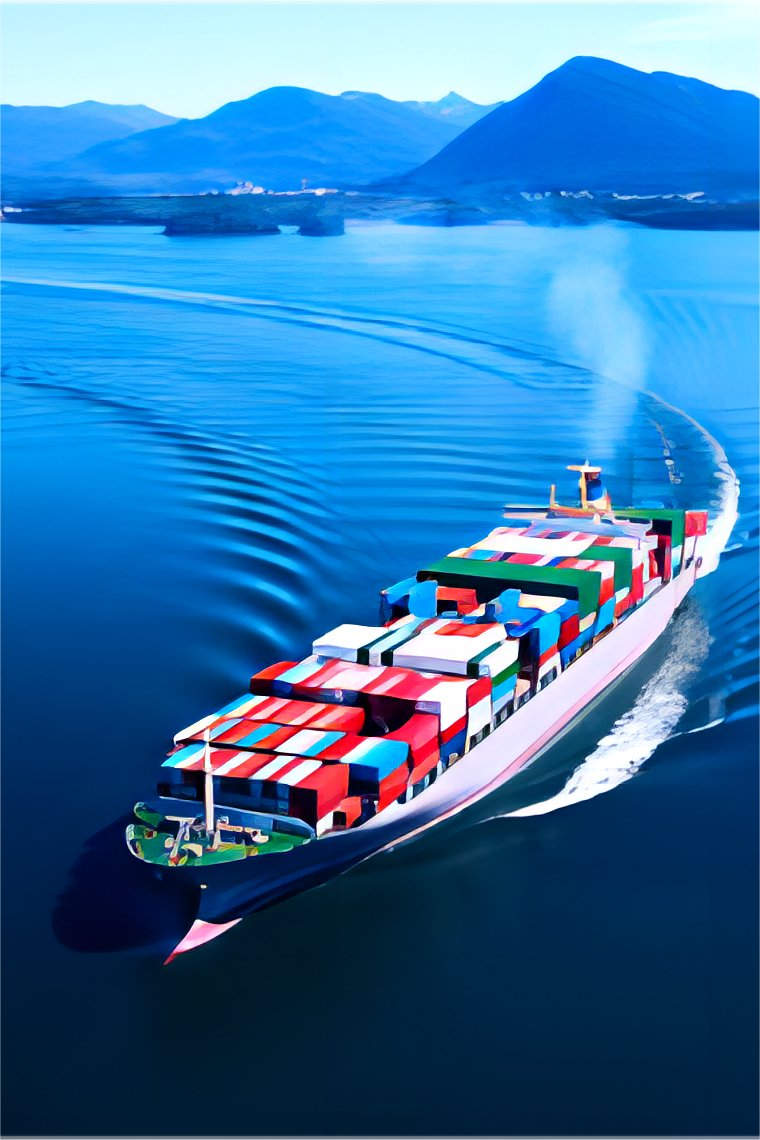
Specifically, sea freight remains the backbone of trade between these two nations due to its high capacity. However, for high-value items, air freight provides a necessary speed advantage that justifies the higher expense. The following table provides an objective analysis of all viable alternatives for this route based on Q1 2026 market rates.
| Shipping Method | Cost Range (USD) | Transit Time | Best For | Limitations |
|---|---|---|---|---|
| Sea Freight (FCL) | $4,500 – $6,200 | 35-45 Days | Bulk Inventory | Slowest speed |
| Air Freight | $8 – $14 per kg | 5-9 Days | High-value goods | High cost |
| Express Service | $12 – $18 per kg | 3-6 Days | Samples/Urgent | Weight limits |
| Sea-Air Hybrid | $3,000 – $4,500 | 18-25 Days | Mid-sized stock | Complex routing |
Strategic Advantages of Sea Freight and Air Freight
When planning your warehouse fulfillment China to Brazil operations, selecting the correct transport mode is paramount. Most heavy industrial goods and large consumer electronics shipments rely on sea freight to maintain healthy profit margins. This method allows for massive scaling without the exponential cost increases seen in aviation.
On the other hand, air freight is indispensable for seasonal fashion or tech launches where time-to-market is the primary metric for success. Indeed, the speed of air transport can help businesses respond to Brazilian market trends in real-time. By diversifying your shipping methods, you can optimize for both cost and delivery speed depending on the specific product lifecycle.
Navigating Brazilian Customs and Documentation
Brazil is known for its rigorous customs procedures, often referred to as the Custo Brasil. Consequently, having a dedicated customs brokerage partner is vital to avoid lengthy delays at ports like Santos or Paranagua. They ensure all documentation, including the Commercial Invoice and Packing List, complies with current 2026 regulations.
Furthermore, understanding the Taxa das Blusinhas and other import duties is necessary for accurate pricing. These taxes can significantly impact the final landed cost of your products. Therefore, your warehouse fulfillment China to Brazil partner must provide transparent tax estimations before the cargo departs from China.
| Document Name | Purpose | Responsibility | Criticality |
|---|---|---|---|
| Bill of Lading | Title of goods | Carrier | High |
| Commercial Invoice | Tax valuation | Shipper | Very High |
| Import License | Legal permission | Importer | Mandatory |
| Packing List | Cargo details | Warehouse | High |
Realistic Case Studies for 2026 Logistics
To illustrate the practical application of these strategies, we have compiled two real-world examples from the current market. These cases reflect the typical costs and timelines observed in early 2026. Note that freight rates are subject to change based on fuel costs, carrier capacity, and seasonal demand. Contact us for a current quote tailored to your specific shipment.
Case Study 1: Electronics Distribution. Route: Shenzhen, China to Santos, Brazil. Cargo: Smart Home Devices, 28 CBM, 4,500 kg. Container: 40HQ. Shipping Details: Major carrier direct route. Cost Breakdown: Ocean Freight: $5,200. Origin Charges: $450. Destination Charges: $800. Customs and Duties: $2,100. Total Landed Cost: $8,550. Timeline: Booking to Loading: 4 days. Sea Transit: 38 days. Customs Clearance: 6 days. Total Door-to-Door: 48 days. Key Insight: Early booking during the Q1 lull saved the client 12 percent on ocean freight compared to peak season rates.
Case Study 2: Fashion Apparel. Route: Ningbo, China to Sao Paulo, Brazil. Cargo: Cotton Garments, 5 CBM, 800 kg. Method: door to door LCL service. Cost Breakdown: Ocean Freight: $950. Origin Charges: $200. Destination Charges: $400. Customs and Duties: $1,200. Total Landed Cost: $2,750. Timeline: Total Door-to-Door: 52 days. Key Insight: Using a consolidated LCL service allowed the boutique brand to maintain inventory without the cost of a full container.
Which Option Should You Choose for Your Business?
Deciding on a warehouse fulfillment China to Brazil model depends on several key factors. If your primary goal is budget priority, we recommend utilizing sea freight with a minimum 45-day lead time. This approach is best for stable, non-perishable goods that sell consistently throughout the year.
Alternatively, if speed is your priority for high-demand items, air freight or express services are the only viable options. For many e-commerce sellers, using Amazon FBA strategies in conjunction with Chinese fulfillment centers offers the best balance. This hybrid approach ensures that your most popular items are always in stock near your customers.
Maximizing Efficiency in Warehouse Operations
Efficient warehouse fulfillment China to Brazil starts with smart inventory management at the source. By utilizing advanced WMS technology, you can track every SKU in real-time before it undergoes the long journey to Brazil. This visibility allows for better forecasting and prevents the dreaded out-of-stock scenarios during peak shopping holidays.
Additionally, professional packing services in China can reduce the volume of your shipments. Since many shipping rates are calculated based on CBM, optimizing your packaging can lead to direct cost savings. In fact, many of our clients save up to 10 percent on freight just by redesigning their outer cartons for better container utilization.