


Shipping Rates China to India: 2026 Freight Cost Guide
Navigating the complexities of shipping rates china to India requires a deep understanding of the current 2026 logistics landscape. Businesses looking to optimize their supply chain must balance speed and cost-efficiency while managing evolving trade regulations between these two economic giants. Top China Logistics provides comprehensive solutions to help you manage these expenses effectively and ensure your goods arrive safely at their destination.
What Factors Influence Shipping Rates China to India in 2026?
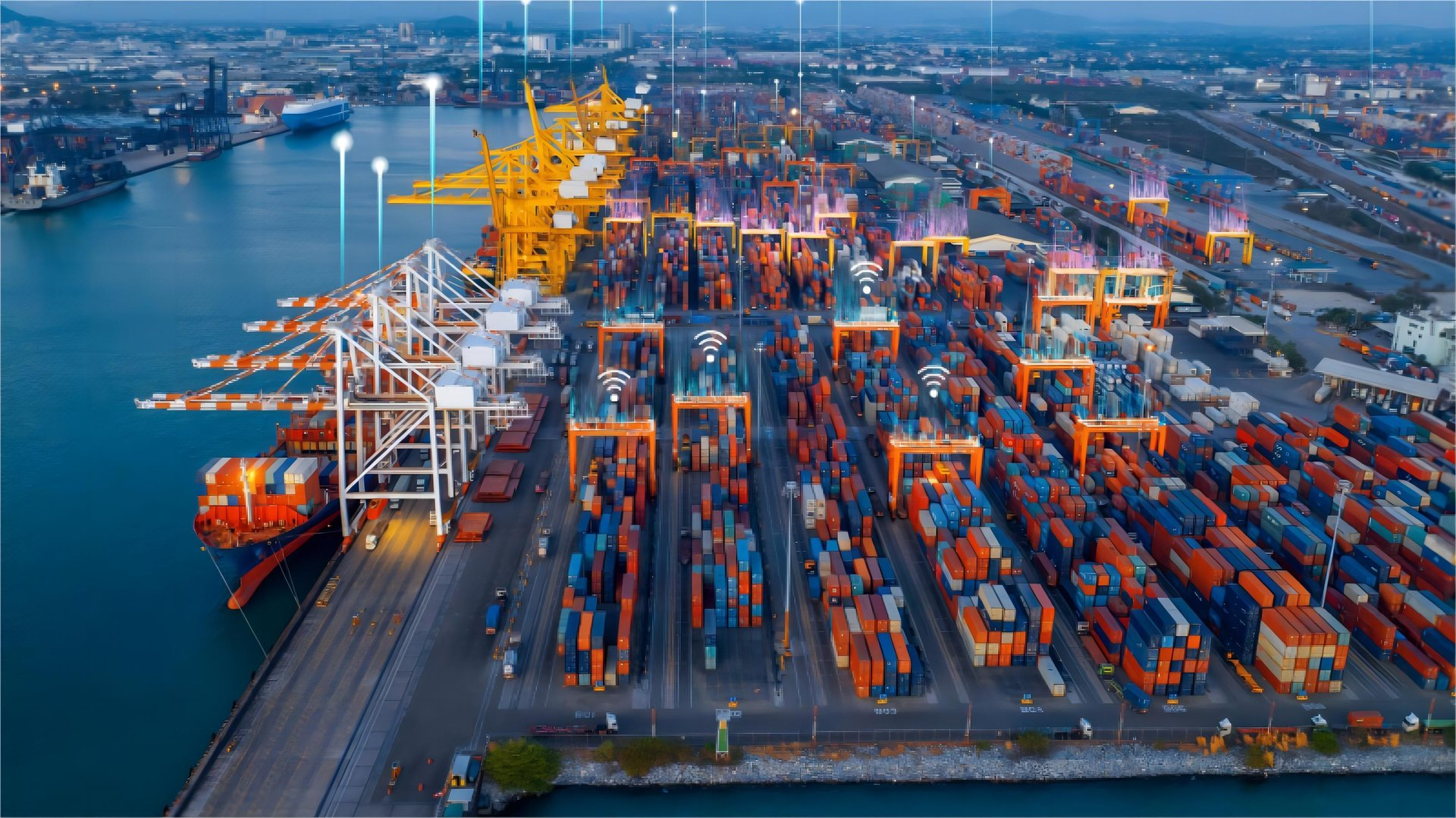
Fuel prices remain the most volatile component affecting global logistics today. Furthermore, the demand for container space fluctuates significantly based on seasonal shopping peaks and manufacturing cycles in major Chinese hubs. Consequently, importers must monitor these trends closely to secure the most competitive pricing for their cargo.
Port congestion in major Indian hubs like Nhava Sheva or Mundra can lead to unexpected surcharges. Additionally, currency exchange rate fluctuations between the Yuan, Rupee, and US Dollar impact the final invoice significantly. Indeed, staying informed about these variables is essential for maintaining a healthy profit margin in international trade.
Labor availability and geopolitical stability also play crucial roles in determining weekly rate adjustments. Meanwhile, carriers often implement general rate increases during the pre-Diwali and pre-Chinese New Year periods. To summarize, a combination of global energy costs and local port efficiency dictates the current market rates.
How Do Sea Freight Rates China to India Compare?
Ocean transport remains the primary choice for high-volume shipments due to its cost-effectiveness over long distances. Specifically, sea freight offers two main options: Full Container Load (FCL) and Less than Container Load (LCL). Choosing the right method depends largely on your total cargo volume and budget constraints.
Full container loads provide better security and faster handling since the entire unit is dedicated to one shipper. On the other hand, LCL allows smaller businesses to share space and costs with other importers. Nevertheless, LCL shipments often incur higher handling fees at the destination port because of the deconsolidation process.
Typical transit times for sea routes range from 14 to 25 days depending on the specific port pair. For example, a direct vessel from Shenzhen to Mumbai is much faster than a transshipment route via Colombo. Therefore, shippers must weigh the cost savings of slower routes against the need for inventory turnover.
| Container Type | Average Rate (2026) | Transit Time | Best For |
|---|---|---|---|
| 20ft FCL | $800 – $1,200 | 15-22 Days | Heavy machinery |
| 40ft FCL | $1,300 – $1,900 | 15-22 Days | High volume goods |
| LCL (per CBM) | $40 – $75 | 20-28 Days | Small shipments |
Is Air Freight a Viable Option for Your Business?
Urgent shipments and high-value electronics often require the speed that only air freight can provide. Although the costs are substantially higher than sea transport, the reduction in transit time can be critical for time-sensitive projects. Moreover, air cargo reduces the risk of damage and theft for sensitive items.
Standard air service usually takes between 3 to 5 days to reach major Indian airports like Delhi or Bangalore. In contrast, express service can deliver door-to-door in as little as 48 hours. Accordingly, many tech companies prefer this method to maintain lean inventory levels and respond quickly to market demand.
Pricing for air transport is calculated based on either actual weight or volumetric weight, whichever is greater. For instance, bulky but light items may cost more than small, heavy packages. Without a doubt, optimizing your packaging is the best way to lower your air cargo expenses.
How Does Sea Freight Compare to Other Shipping Options?
Comparing different modes of transport is vital for choosing the strategy that aligns with your business goals. While sea freight is the cheapest for bulk, air freight wins on speed and reliability. Additionally, hybrid solutions like sea-air combinations are gaining popularity for those seeking a middle ground.
Rail freight is currently limited for this specific route due to geographical and political constraints. However, many importers are exploring multimodal options that involve trucking through Southeast Asia. Consequently, evaluating all alternatives ensures you are not overpaying for speed you do not actually need.
Direct shipping routes usually cost 10-15% more than transshipment options but save nearly a week in transit. For example, a direct call to Chennai might be more expensive than a route stopping in Singapore. To summarize, the best choice depends on your specific deadline and the nature of your products.
| Shipping Method | Cost Range | Transit Time | Limitations |
|---|---|---|---|
| Sea Freight | $800 – $2,000 | 15-30 Days | Slower speed |
| Air Freight | $3.50 – $6.00/kg | 3-7 Days | High cost |
| Express | $7.00 – $12.00/kg | 2-4 Days | Weight limits |
Understanding Customs and Documentation Requirements
Navigating Indian customs is often the most challenging part of the import process. Utilizing a professional customs brokerage service can prevent costly delays and penalties. Furthermore, ensuring all paperwork is accurate and complete is the first step toward a smooth clearance experience.
Required documents typically include the commercial invoice, packing list, and bill of lading. Additionally, certain products may require specific certifications like BIS or EPR for electronics and chemicals. Indeed, missing a single document can result in your cargo being held at the port for weeks.
Import duties and GST in India vary significantly depending on the HSN code of your goods. Moreover, the Indian government frequently updates tariff structures to protect local industries. Therefore, consulting with a local expert before shipping is highly recommended to estimate your total landed cost correctly.
Case Study 1: Electronics from Shenzhen to Delhi
Route: Shenzhen, China to Delhi, India. Cargo: Consumer Electronics, 4.5 CBM, 1200 kg. Container: LCL. Shipping Details: Major carrier, Port of Loading: Shenzhen, Port of Discharge: Nhava Sheva, Route Type: Direct.
Cost Breakdown: Ocean Freight: $320. Origin Charges: $150. Destination Charges: $280. Customs and Duties: $2,400. Total Landed Cost: $3,150. Timeline: Booking to Loading: 3 days. Sea Transit: 18 days. Customs Clearance: 4 days. Total Door-to-Door: 25 days.
Key Insight: Using LCL allowed the client to maintain a weekly supply chain without waiting to fill a whole container. Based on Q1 2026 market rates, this was the most efficient balance of cost and inventory flow.
Case Study 2: Industrial Machinery from Shanghai to Mumbai
Route: Shanghai, China to Mumbai, India. Cargo: Spare Parts, 28 CBM, 18,000 kg. Container: 20GP. Shipping Details: COSCO, Port of Loading: Shanghai, Port of Discharge: Nhava Sheva, Route Type: Direct.
Cost Breakdown: Ocean Freight: $950. Origin Charges: $200. Destination Charges: $350. Customs and Duties: $4,500. Total Landed Cost: $6,000. Timeline: Booking to Loading: 5 days. Sea Transit: 21 days. Customs Clearance: 3 days. Total Door-to-Door: 29 days.
Key Insight: FCL was significantly cheaper per unit than LCL for this volume. Typical rates as of early 2026 suggest that 20GP containers offer the best stability for heavy industrial components.
Which Option Should You Choose for India Shipping?
Budget priority should lead you toward sea freight, specifically FCL if your volume exceeds 15 CBM. Conversely, if speed is your main priority, air freight is the only way to meet tight retail deadlines. Additionally, door to door services are best for those who want a hands-off approach to logistics.
Cargo type also dictates the method, as hazardous materials or oversized items may have limited options. For instance, large industrial boilers must travel via sea, while high-end fashion samples always go by air. Consequently, your product’s value-to-weight ratio is a primary decision factor.
Volume thresholds often determine when it is time to switch from LCL to FCL. Generally, once you hit 12-15 CBM, the cost of a full 20ft container becomes more economical. To summarize, analyze your monthly volume and urgency before committing to a specific shipping strategy.
Mastering Your Shipping Strategy for 2026
Securing the best shipping rates china to India requires a proactive approach and a reliable logistics partner. By understanding the differences between sea and air freight, and preparing for customs requirements, you can significantly reduce your overhead costs. Moreover, staying updated on market trends in 2026 ensures your business remains competitive in a rapidly changing global economy.
Whether you are shipping small parcels or full containers, the key is to plan ahead and choose the right service level for your needs. Always remember that the cheapest rate is not always the best if it leads to delays or damaged goods. Focus on building a resilient supply chain that can adapt to the unique challenges of the China-India trade route.
Need a tailored shipping solution?
Ready to optimize your supply chain and reduce your shipping rates china to India? Contact our expert team today for a customized quote that fits your budget and timeline. Visit our website to start your inquiry now. Send Inquiry