


Shipping Quote China to Spain: 2026 Complete Freight Costs Guide
“Obtaining an accurate shipping quote China to Spain is the first step toward a successful international trade operation in 2026. Businesses must navigate complex logistics landscapes to ensure their goods arrive safely and cost-effectively at Spanish ports or warehouses. Top China Logistics offers tailored solutions that bridge the gap between Asian manufacturers and European markets. This guide provides the essential data you need to evaluate current market rates and optimize your supply chain efficiency.”

How Does Sea Freight Compare to Other Shipping Options?
❖Evaluating the various modes of transport is vital when you request a shipping quote China to Spain. While sea freight remains the most popular choice for bulk commodities, other methods offer distinct advantages depending on your specific timeline and budget. Consequently, understanding the trade-offs between speed and cost is necessary for effective inventory management.

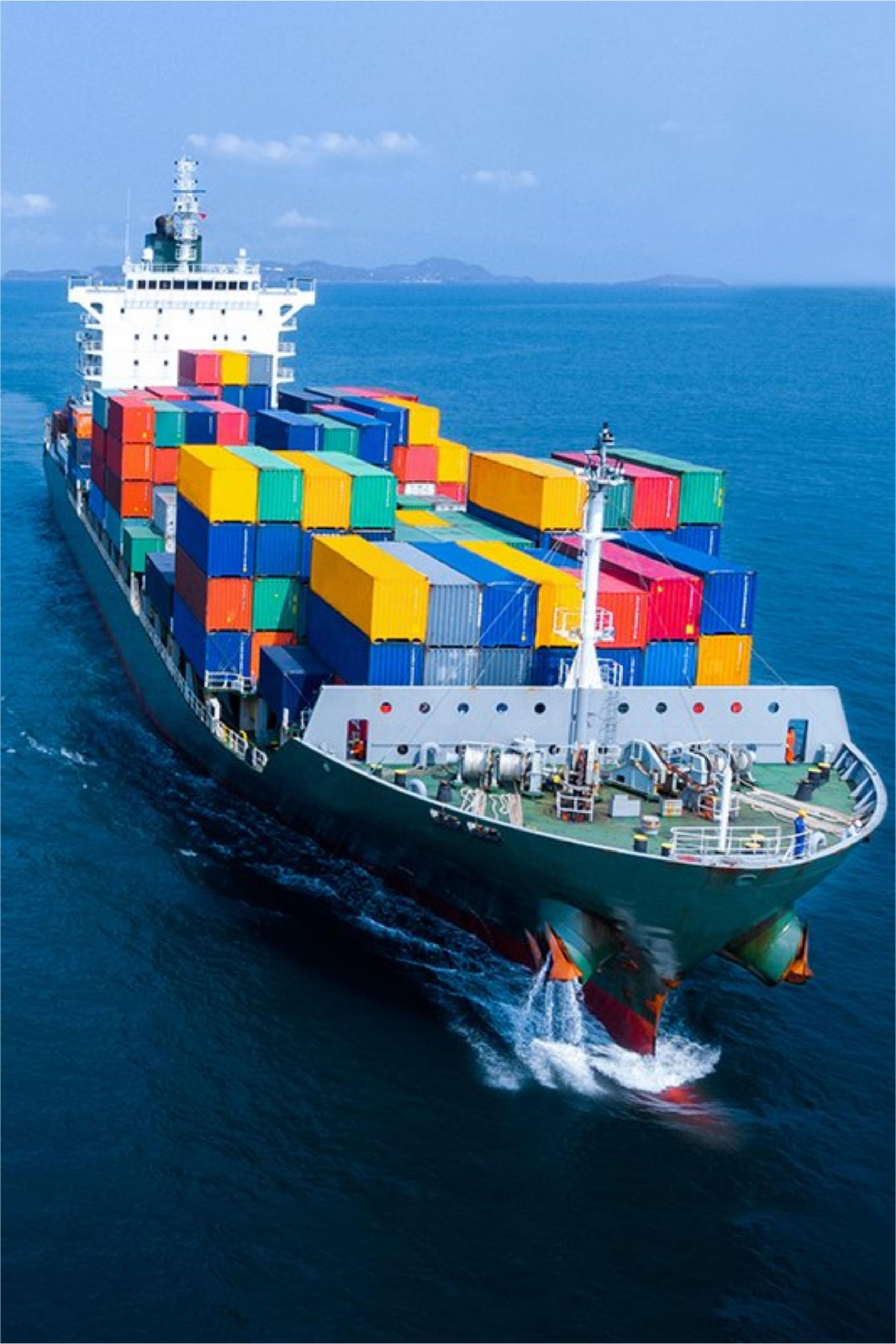
Moreover, the maritime route typically involves transit through the Suez Canal, which has seen stabilized traffic in early 2026. Therefore, ocean transport offers the lowest per-unit cost for large volumes, making it ideal for furniture, machinery, and consumer electronics. In contrast, businesses with urgent requirements often look toward faster alternatives despite the higher price point.
Additionally, choosing between Full Container Load (FCL) and Less than Container Load (LCL) can significantly impact your final invoice. Specifically, FCL provides better security and faster handling for large shipments, whereas LCL allows smaller businesses to share container space and reduce overhead. Each method serves a unique purpose in the modern global supply chain.
| Shipping Method | Cost Range | Transit Time | Best For |
|---|---|---|---|
| Sea Freight (FCL) | $3,000 – $4,200 | 30 – 45 Days | Bulk goods and large inventory |
| Air Freight | $5.50 – $9.00/kg | 5 – 8 Days | High-value or urgent items |
| Rail Freight | $2,200 – $3,000 | 20 – 28 Days | Medium-sized shipments |
| Express Service | $9.00 – $15.00/kg | 3 – 5 Days | Samples and small parcels |
What Factors Determine Your Shipping Quote China to Spain?
❖Several variables influence the final price you receive from a freight forwarder. Firstly, the weight and volume of your cargo are the primary drivers of cost, especially in air and LCL sea transport. Furthermore, seasonal fluctuations play a major role, with rates often spiking during the peak season from August to October as retailers prepare for the holidays.
Fuel surcharges and currency exchange rates also contribute to price volatility in the logistics sector. Indeed, as of Q1 2026, many carriers have implemented updated environmental surcharges to comply with new carbon emission regulations in Europe. Consequently, it is wise to secure a quote that accounts for these additional fees to avoid unexpected costs during transit.
Port congestion and local labor conditions in cities like Valencia or Barcelona can occasionally lead to delays and extra storage charges. Therefore, working with an experienced partner who understands the nuances of sea freight operations is essential for maintaining your delivery schedule. Proper planning helps mitigate these risks and ensures a smoother arrival process.
The Role of Air Freight in Modern Supply Chains
❖Speed is often the most critical factor for businesses handling perishable goods or high-tech components. Utilizing air freight ensures that your products reach the Spanish market in a fraction of the time required by ocean carriers. However, this convenience comes at a premium price that must be justified by the cargo value or urgency.
Most air shipments from China to Spain depart from major hubs like Shanghai Pudong or Shenzhen Baoan and arrive at Madrid-Barajas or Barcelona-El Prat. Additionally, the security measures involved in air transport are much more stringent, which reduces the risk of theft or damage for sensitive items. Consequently, many electronics manufacturers prefer this method to maintain a lean inventory model.
Market data from early 2026 suggests that air rates have remained competitive due to increased belly-hold capacity on passenger flights. Nevertheless, it is important to calculate the landed cost accurately to ensure your profit margins remain healthy. For shipments under 300 kilograms, air transport often becomes surprisingly cost-effective when considering the reduced domestic transit and insurance costs.
Rail Freight: The Strategic Alternative for Europe
❖Connecting China to the heart of the Iberian Peninsula, rail freight has emerged as a powerful middle-ground solution. This mode of transport offers a faster transit time than sea freight while remaining significantly cheaper than air transport. Consequently, it has become a favorite for automotive parts and industrial equipment suppliers.
The Yixinou railway line, which runs from Yiwu to Madrid, represents one of the longest and most efficient rail routes in the world. Furthermore, rail transport is considered a more environmentally friendly option compared to air or road haulage. Therefore, companies looking to improve their sustainability profiles often choose rail for their regular shipments to Europe.
Typical transit times for rail cargo range between three to four weeks, depending on the specific origin and destination cities. Meanwhile, the stability of rail rates provides businesses with more predictable budgeting compared to the often-volatile ocean freight market. It is a reliable strategy for those who can plan their inventory cycles a few weeks in advance.
Simplifying Logistics with Door to Door Services
❖Managing multiple vendors during the shipping process can be an administrative burden for many importers. Opting for door to door service allows you to consolidate all logistics steps into a single point of contact. Specifically, this service covers everything from factory pickup in China to final delivery at your warehouse in Spain.
This comprehensive approach includes handling the complex customs clearance process and local trucking at both ends of the journey. Moreover, it eliminates the need for you to coordinate with different agents, reducing the likelihood of communication errors. As a result, you can focus on your core business activities while the logistics experts handle the heavy lifting.

Professional freight forwarders provide real-time tracking so you always know the status of your shipment. Furthermore, the total cost is often lower when bundled into a single package rather than paying separate fees for each leg of the trip. Indeed, transparency is the greatest benefit of this all-inclusive shipping model in 2026.
Which Option Should You Choose? Decision Framework
❖Selecting the right shipping method requires a careful analysis of your business priorities and cargo characteristics. Firstly, if your primary goal is cost reduction and you have a flexible timeline, sea freight is undoubtedly the best choice for large volumes. On the other hand, if you are launching a new product and need to meet a strict deadline, air freight is the only viable path.
Budget priority: Recommend sea freight (FCL) for shipments over 15 CBM or LCL for smaller loads. Speed priority: Recommend air freight for delivery within 7 days. Cargo type: Use rail freight for heavy industrial goods that need a balance of cost and speed. Volume thresholds: Once your shipment exceeds 100kg, move from express to air freight; once it exceeds 15 CBM, consider a 20GP container.
Hybrid solutions are also gaining popularity in 2026, such as sea-air combinations via Dubai or rail-road transfers. These strategies allow for customized logistics paths that optimize both time and money. Always consult with a logistics professional to determine the most efficient route for your specific SKU profile.
Real-World Case Studies for 2026
❖Case Study 1: Electronics Distribution. Route: Shenzhen to Madrid. Cargo: High-end tablets, 2 CBM, 450 kg. Method: Air Freight. Total Cost: $3,250. Transit Time: 6 days. Key Insight: Choosing air freight allowed the client to meet a product launch deadline with minimal inventory risk.
Case Study 2: Home Decor Import. Route: Ningbo to Valencia. Cargo: Ceramic vases, 28 CBM. Container: 40GP. Total Cost: $4,100. Transit Time: 38 days. Key Insight: FCL sea freight provided the lowest per-unit cost for these fragile yet bulky items.
Case Study 3: Industrial Machinery. Route: Zhengzhou to Barcelona. Cargo: Spare parts, 5 CBM, 1200 kg. Method: Rail Freight. Total Cost: $1,850. Transit Time: 24 days. Key Insight: Rail was 40% cheaper than air and twice as fast as sea, providing the perfect balance for the client.
Customs Documents Checklist for Spain
❖Navigating Spanish customs requires meticulous attention to detail and accurate documentation. Failure to provide the correct paperwork can result in costly delays or even the seizure of your goods at the border. Consequently, you should ensure that your commercial invoice, packing list, and bill of lading are all in perfect order before the ship departs.
Furthermore, specific products may require additional certifications, such as CE marking for electronics or phytosanitary certificates for agricultural goods. Therefore, it is highly recommended to engage a local expert for customs brokerage to handle the technical requirements. They can help you classify your goods correctly using the Harmonized System (HS) codes to ensure you pay the correct duty rates.
Spanish customs authorities are known for their thoroughness, particularly regarding value-added tax (VAT) compliance. Indeed, having an EORI number is a mandatory requirement for any company importing goods into the European Union. By preparing these documents in advance, you can significantly speed up the clearance process and get your products to market faster.
| Document Name | Purpose | Required By | Notes |
|---|---|---|---|
| Commercial Invoice | Proof of value | Customs | Must include HS codes |
| Packing List | Details cargo specs | Carrier/Customs | Shows weight and volume |
| Bill of Lading | Contract of carriage | Carrier | Essential for cargo release |
| Certificate of Origin | Verify source | Customs | May reduce duty rates |
Final Thoughts on Shipping from China to Spain
Securing a reliable shipping quote China to Spain is more than just finding the lowest price; it is about finding a partner who understands your business needs. Whether you choose the speed of air, the volume of sea, or the efficiency of rail, each method offers specific benefits for the 2026 market.
Furthermore, staying informed about customs regulations and market trends will help you avoid common pitfalls in international trade. Consequently, a well-planned logistics strategy will serve as a competitive advantage for your business. Remember that freight rates are subject to change based on fuel costs and seasonal demand, so always request a current quote tailored to your cargo.
Ready to streamline your logistics?
Ready to optimize your supply chain with a competitive shipping quote China to Spain? Contact our expert team today to receive a personalized freight analysis and secure the best rates for 2026. Send Inquiry: https://topchinalogistics.com/
Request Quote