


Shipping Quote China to France: 2026 Freight Cost and Logistics Guide
Shipping quote China to France is a vital component for businesses aiming to optimize their international supply chain in 2026. Navigating the complexities of global trade requires a reliable partner like Top China Logistics to manage cargo movement efficiently. Consequently, understanding the various factors that influence pricing helps importers make informed decisions about their transportation strategy.
What Factors Influence Your Shipping Quote China to France?
Determining the final cost of your shipment involves several variables that fluctuate based on market demand and fuel prices. Furthermore, the volume and weight of your goods play a primary role in selecting the most cost-effective transportation mode. Specifically, carriers calculate rates based on either actual weight or volumetric weight, whichever is higher, to maximize their capacity.
Seasonal trends significantly impact the availability of containers and aircraft space throughout the year. For instance, the period leading up to major holidays often sees a spike in demand, leading to higher surcharges. Additionally, port congestion or labor strikes can introduce unexpected delays that might increase the total landed cost of your products.
Insurance and documentation fees are essential components that every importer must account for in their budget. Moreover, choosing the right Incoterms, such as FOB or DDP, defines which party is responsible for specific costs during the journey. Therefore, requesting a comprehensive breakdown of all charges is necessary to avoid hidden expenses during the delivery process.
How Does Sea Freight Compare to Other Shipping Options?
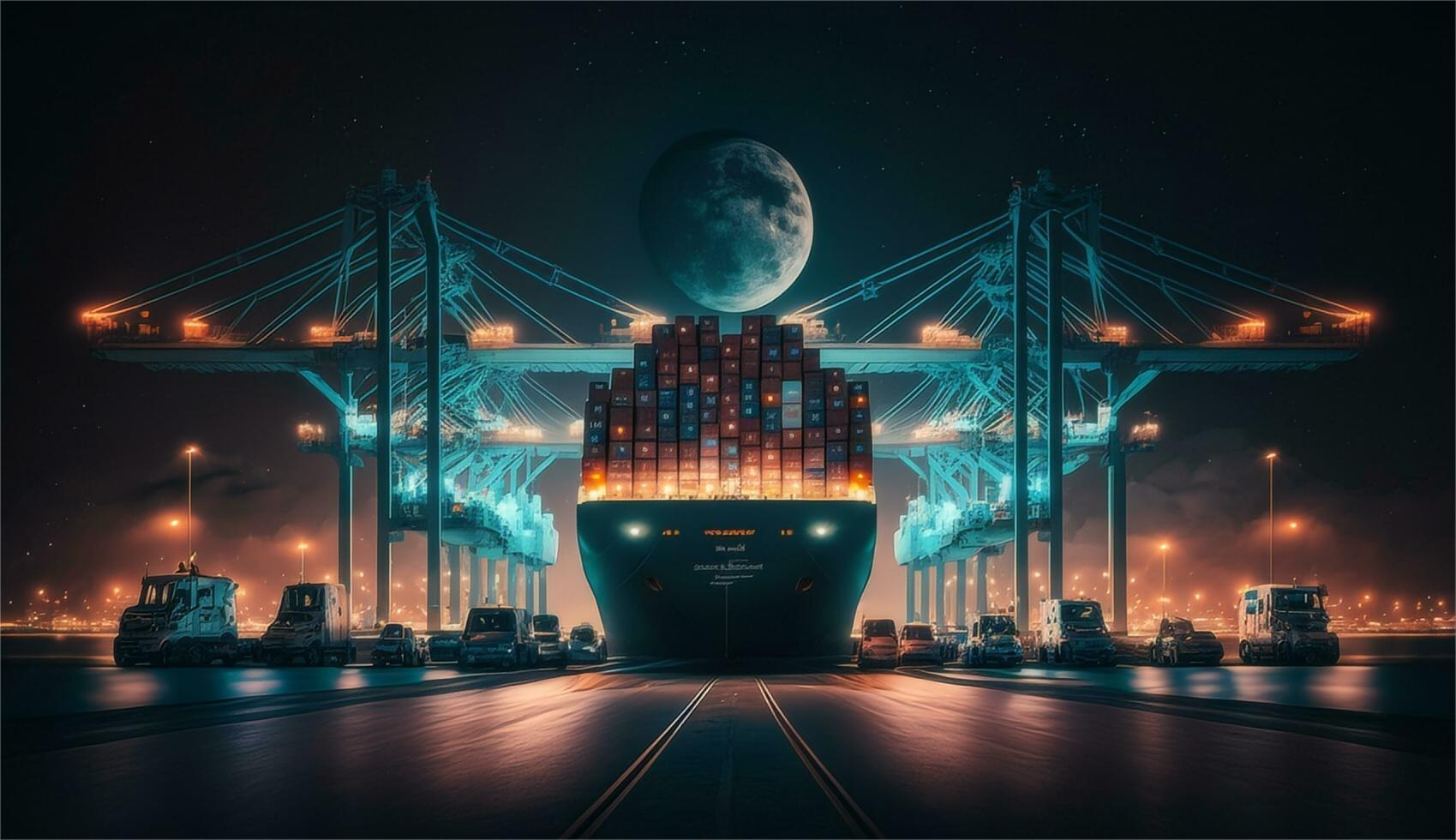
Choosing sea freight remains the most popular choice for large shipments due to its low cost per unit. Although it offers the slowest transit times, it provides the capacity needed for heavy machinery or bulk consumer goods. Consequently, businesses often plan their inventory months in advance to accommodate the 30 to 45-day journey from Chinese ports.
Full Container Load (FCL) and Less than Container Load (LCL) are the two primary methods for ocean transport. FCL is ideal for large volumes that fill a 20ft or 40ft container, offering better security and faster handling. On the other hand, LCL allows smaller businesses to share container space, making it a flexible alternative for those with limited cargo volumes.
Market conditions in 2026 suggest that ocean rates have stabilized following previous global disruptions. Nevertheless, choosing direct routes to ports like Marseille or Le Havre can reduce the risk of transshipment delays. Indeed, sea transport continues to be the backbone of the trade route between China and France.
| Shipping Method | Cost Range (USD) | Transit Time | Best For |
|---|---|---|---|
| Sea Freight (FCL) | 2,200 – 4,500 | 30 – 45 Days | Bulk & Large Items |
| Air Freight | 5,500 – 12,000 | 5 – 8 Days | High-Value Goods |
| Rail Freight | 3,000 – 5,500 | 18 – 25 Days | Mid-range Volume |
| Express | 200 – 800 (Small) | 3 – 5 Days | Samples & Docs |
Why Choose Air Freight for Urgent Shipments to France?
Utilizing air freight is the fastest way to move goods across continents when time is a critical factor. While the costs are significantly higher than ocean transport, the speed of delivery often justifies the investment for high-margin products. For example, electronics and fashion items benefit from shorter lead times to meet rapidly changing consumer demands.
Safety and security are enhanced when using air transport due to strict airport regulations and shorter handling times. Furthermore, reduced transit times mean lower insurance premiums and less capital tied up in inventory. Consequently, many companies use air shipping to maintain a lean supply chain and respond quickly to market shortages.
Environmental considerations are becoming more prominent in 2026 as companies look to balance speed with sustainability. However, the efficiency of modern aircraft continues to improve, offering better fuel economy for long-haul routes. Ultimately, air shipping remains indispensable for businesses that prioritize speed and reliability above all else.
Can Rail Freight Save Money on the China-France Route?
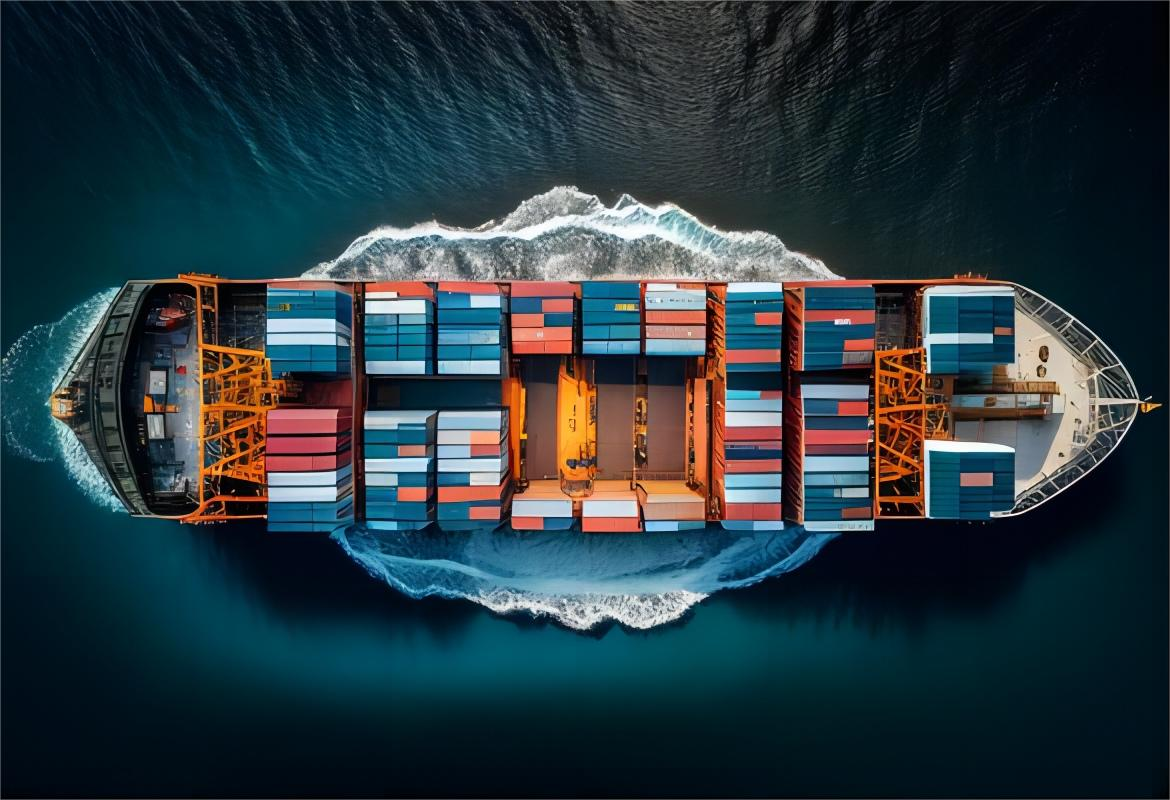
Implementing rail freight provides a balanced alternative that sits between the speed of air and the low cost of sea. This middle-ground solution has grown in popularity as the rail infrastructure across Eurasia has improved significantly. As a result, cargo can reach French rail hubs like Lyon or Paris in roughly half the time it takes by ship.
Costs for rail transport are typically more stable than air freight, making it easier for businesses to forecast their logistics expenses. Additionally, rail is often considered a greener alternative compared to air transport, aligning with many corporate social responsibility goals. Meanwhile, the reliability of scheduled departures ensures a consistent flow of goods for manufacturers.
Limitations do exist, such as the fixed nature of rail routes and the need for truck transport at both ends of the journey. Nevertheless, for shipments that are too heavy for planes but too urgent for ships, rail is often the perfect fit. Therefore, many importers are incorporating rail into their multi-modal logistics strategy for 2026.
What Documents Are Needed for Customs Clearance in France?
Professional customs brokerage services are essential for navigating the complex regulatory environment of the European Union. Accurate documentation ensures that your goods pass through French customs without unnecessary delays or fines. Specifically, you will need a commercial invoice, a packing list, and a bill of lading or airway bill for every shipment.
Certificates of origin and compliance documents are also required for specific product categories like chemicals or electronics. Furthermore, obtaining an EORI number is a mandatory step for any business importing goods into France. Consequently, working with experts who understand local tax laws and VAT requirements can save significant time and money.
Errors in documentation are the leading cause of shipment seizures and storage fees at the port. For instance, incorrect tariff classifications can lead to overpayment of duties or legal penalties. In addition, staying updated on the latest trade agreements between China and the EU is vital for maintaining compliance.
| Document Name | Purpose | Required By | Format |
|---|---|---|---|
| Commercial Invoice | Value Declaration | Customs Authority | Digital/Paper |
| Packing List | Content Verification | Carrier/Customs | Paper |
| Bill of Lading | Title of Goods | Carrier | Original/Telex |
| EORI Number | Importer ID | EU Government | Registration |
Real Case Studies: Shipping from China to France
Case Study 1: Electronics from Shenzhen to Paris. A tech retailer needed 500 units of high-end tablets delivered within a week. By choosing air freight, the cargo reached Paris in 6 days. The total cost was 6,800 USD, which allowed the client to launch their seasonal promotion on schedule.
Case Study 2: Furniture from Ningbo to Marseille. A home decor brand imported a full 40HQ container of wooden furniture via sea freight. The transit took 38 days and cost 3,850 USD in ocean freight. This strategy minimized their per-unit shipping cost, maximizing their profit margin for the French market.
Case Study 3: Industrial Parts from Xi’an to Lyon. A manufacturing plant required steady components every month. They utilized rail freight, which delivered the parts in 22 days at a cost of 4,200 USD per container. This hybrid approach saved them 40 percent compared to air freight while being twice as fast as sea transport.
How to Calculate the Total Landed Cost for French Imports?
Calculating the total landed cost is the only way to determine the true profitability of your imported goods. This calculation includes the purchase price, shipping costs, insurance, and all applicable duties and taxes. Moreover, local trucking fees from the French port to your warehouse must be included in the final sum.
Value Added Tax (VAT) in France is generally 20 percent for most commercial goods and must be paid upon entry. However, some businesses may qualify for VAT deferment schemes that improve cash flow. Additionally, currency exchange rates can fluctuate during the shipping process, affecting the final amount paid in Euros.
Handling fees at the origin and destination ports often surprise new importers who only look at the base freight rate. Specifically, terminal handling charges and documentation fees can add several hundred dollars to the bill. Therefore, always request an all-in quote to ensure your financial planning is accurate.
Which Option Should You Choose?
Choosing the right shipping method depends on your specific business priorities and the nature of your products. If your primary goal is to minimize costs and your lead times are flexible, sea freight is the clear winner for Europe bound cargo. Conversely, if you are shipping perishable items or high-value tech, air freight is the only viable solution.
Volume thresholds often dictate the switch between different shipping modes. For example, shipments under 100 kilograms are usually best handled via express couriers. Meanwhile, once your cargo exceeds 15 cubic meters, booking a full container becomes more economical than using LCL services.
Hybrid solutions like sea-air or rail-sea combinations are also worth considering for complex supply chains. These strategies allow you to optimize both speed and cost by switching modes at strategic hubs. Ultimately, consulting with a logistics expert will help you design a custom plan that fits your 2026 business goals.
Final Thoughts on Shipping from China to France
Navigating the logistics landscape requires a deep understanding of costs, transit times, and regulatory requirements. By carefully evaluating your options and requesting a detailed shipping quote China to France, you can secure the best possible rates for your business.
Success in international trade depends on reliability and strategic planning. Whether you choose sea, air, or rail, having a trusted partner ensures your goods reach the French market safely and efficiently. Start your journey today by prioritizing transparency and expertise in your shipping operations.

Start Your Shipment
Ready to streamline your logistics? Contact us today to receive a personalized shipping quote China to France and discover how our expert team can optimize your supply chain for 2026.
Request Quote