

Shipping Cost China to Brazil: 2026 Freight Pricing Guide
Navigating the complexities of international logistics requires a clear understanding of the current market trends and pricing structures. If you are looking to optimize your shipping cost China to Brazil, choosing a reliable partner like Top China Logistics is the first step toward a seamless supply chain. This guide provides a comprehensive breakdown of freight options, hidden fees, and strategic advice for businesses importing goods into the Brazilian market in 2026.
How is the shipping cost China to Brazil calculated in 2026?
Determining the total expenditure for transporting goods involves multiple variables that fluctuate based on global demand and fuel prices. For instance, the weight and volume of your cargo serve as the primary metrics for calculating basic freight rates. In addition, carriers often apply surcharges for peak seasons or specific port congestion issues that may arise in major hubs like Santos or Paranagua.
Moreover, the choice between different transport modes significantly impacts the bottom line of your logistics budget. While ocean freight remains the most economical choice for bulk items, its pricing is highly sensitive to container availability and carrier alliances. Consequently, shippers must account for inland haulage costs at both the origin in China and the final destination in Brazil.
Furthermore, documentation fees and port handling charges are fixed costs that should not be overlooked during the planning phase. These administrative expenses ensure that your cargo complies with international maritime regulations and local Brazilian laws. Therefore, obtaining a detailed quote that includes all potential surcharges is essential for accurate financial forecasting.
What are the sea freight options for Brazil?
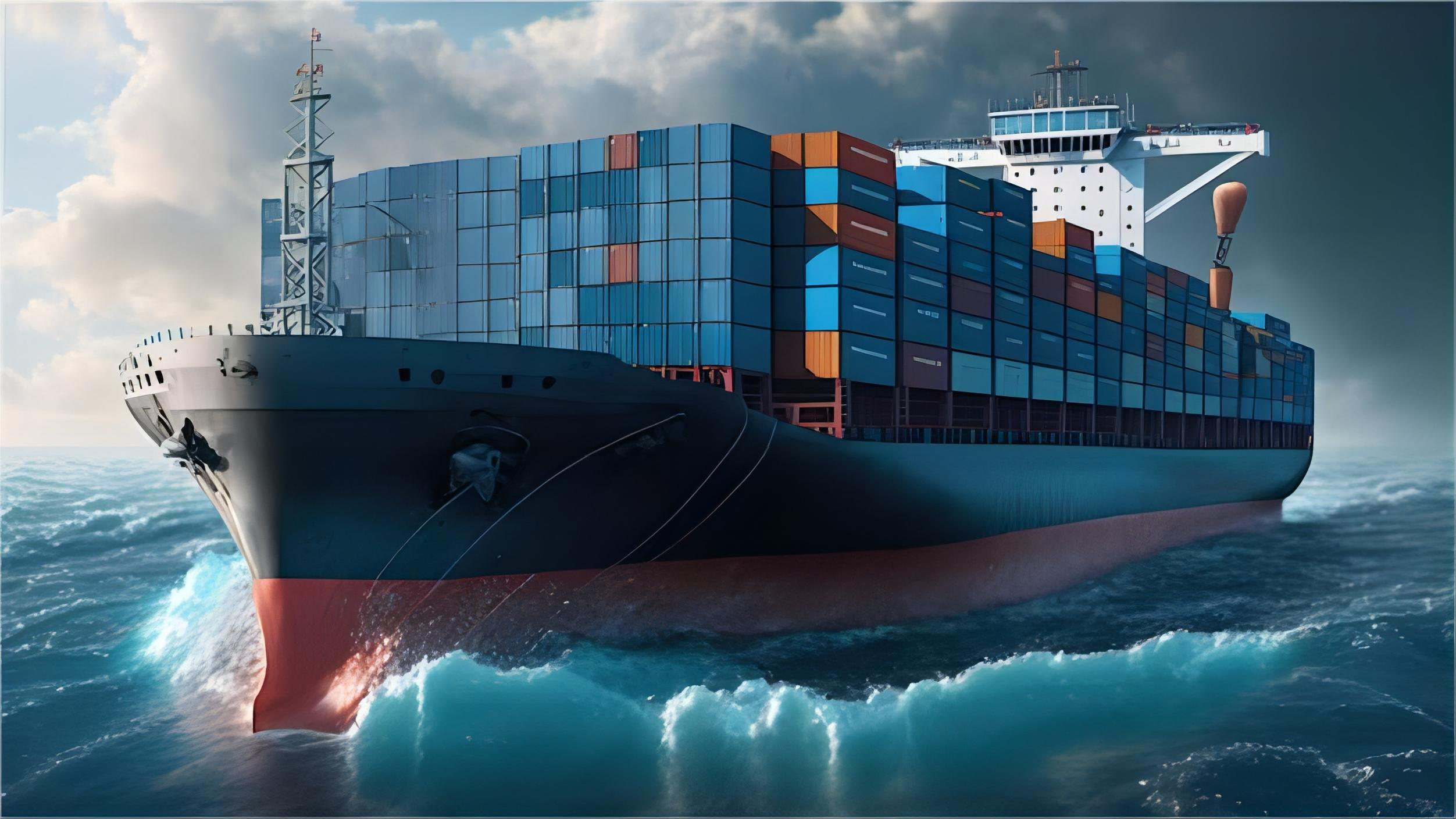
Ocean transport is the backbone of trade between these two nations, offering both Full Container Load and Less than Container Load services. Choosing sea freight allows businesses to move massive quantities of machinery, electronics, or raw materials at a fraction of the cost of air travel. Typically, a 40HQ container offers the best value for high-volume shipments due to its large capacity.
Alternatively, smaller businesses might prefer LCL shipping, where they only pay for the specific volume their goods occupy within a shared container. This method is highly flexible but requires careful coordination to avoid delays during the consolidation and deconsolidation processes. Nevertheless, it remains a popular choice for startups testing the Brazilian market with smaller inventories.
Transit times for sea routes usually range from 35 to 45 days depending on whether the vessel travels via the Cape of Good Hope or transships through Mediterranean ports. Indeed, scheduling your shipments well in advance is the most effective way to mitigate the impact of longer lead times on your inventory management.
| Container Type | Average Cost (USD) | Transit Time | Capacity |
|---|---|---|---|
| 20GP Container | $2,800 – $3,800 | 35-42 Days | 33 CBM |
| 40GP Container | $4,200 – $5,500 | 35-42 Days | 67 CBM |
| 40HQ Container | $4,600 – $6,200 | 35-42 Days | 76 CBM |
| LCL (per CBM) | $120 – $180 | 40-50 Days | Variable |
Can air freight be cost-effective for Brazil shipments?
Speed is often the deciding factor when businesses opt for air freight despite the higher initial price tag. For high-value electronics or urgent medical supplies, the reduced transit time of 5 to 10 days justifies the investment. Additionally, air transport offers enhanced security and lower insurance premiums compared to sea voyages.
However, the calculation for air cargo is based on chargeable weight, which considers both actual weight and volumetric dimensions. This means that bulky but light items can be surprisingly expensive to send via plane. To summarize, air freight is most suitable for cargo that is either time-sensitive or has a high value-to-weight ratio.
Market data suggests that rates for air cargo from major Chinese hubs like Shanghai or Shenzhen to Sao Paulo have stabilized in early 2026. While prices are higher than ocean freight, the ability to respond quickly to market demand in Brazil provides a significant competitive advantage. Shippers should also consider express service for door-to-door delivery of small parcels.
How does sea freight compare to other shipping options?
Comparing different logistics methods requires a balanced look at cost, speed, and reliability across the entire supply chain. While sea freight is the clear winner for budget-conscious shippers, air freight remains unrivaled for rapid delivery. On the other hand, hybrid solutions like sea-air transshipment are gaining traction as a middle-ground alternative for certain routes.
Specifically, sea-air services might involve shipping goods by sea to a hub like Dubai or Los Angeles before flying them to Brazil. This approach can save approximately 30 percent in costs compared to pure air freight while being twice as fast as standard sea freight. Such alternative strategies are particularly useful during peak seasons when direct air capacity is limited.
Choosing the right method depends heavily on your specific business goals and the nature of your products. For example, seasonal fashion items may require the speed of air travel, while construction materials are best suited for large ocean containers. To clarify these differences, the following table provides a direct comparison of the primary shipping modes.
| Shipping Method | Cost Range | Transit Time | Best For |
|---|---|---|---|
| Sea Freight (FCL) | Low ($3k-$6k) | 35-45 Days | Bulk Goods |
| Air Freight | High ($6-$12/kg) | 5-10 Days | High Value |
| Express Courier | Highest | 3-7 Days | Small Samples |
| Sea-Air Hybrid | Medium | 20-25 Days | Balanced Needs |
Which option should you choose?
Deciding on the best logistics path requires evaluating your budget priority against your delivery schedule requirements. If your primary goal is to minimize the shipping cost China to Brazil, FCL sea freight is almost always the recommended path for shipments exceeding 15 cubic meters. For smaller volumes, LCL provides a cost-effective entry point without the need for a full container.
In contrast, if speed is your absolute priority to meet a strict deadline, air freight is the only viable solution. This is especially true for product launches or replacing critical components in manufacturing lines. Furthermore, considering a door to door service can simplify the process by handling every step from the factory floor to the final warehouse.
Cargo type also plays a vital role in this decision-making framework. Perishable goods or hazardous materials have specific handling requirements that may limit your transport options. Always consult with a logistics expert to ensure your chosen method aligns with the safety regulations and infrastructure capabilities of Brazilian ports.

Real-world case studies for Brazil logistics
Reviewing actual shipping scenarios helps clarify the practical application of freight theories and pricing models. These examples reflect typical market conditions and challenges faced by importers during the 2025 and 2026 period. By analyzing these cases, you can better estimate your own potential costs and timelines.
Case Study 1: Industrial Machinery to Santos. Route: Ningbo, China to Santos, Brazil. Cargo: CNC Machine, 18 CBM, 4500 kg. Container: 20GP FCL. Shipping Details: Direct sea route via major carrier. Ocean Freight: $3,200. Origin Charges: $450. Destination Charges: $800. Customs and Duties: $1,200. Total Landed Cost: $5,650. Timeline: 42 days door-to-door. Key Insight: Booking 4 weeks in advance secured a lower rate during the Q3 peak season.
Case Study 2: Consumer Electronics to Sao Paulo. Route: Shenzhen, China to Guarulhos Airport. Cargo: Tablets and Accessories, 2 CBM, 400 kg. Method: Air Freight. Shipping Details: Indirect flight via Doha. Air Freight Cost: $3,600. Origin Charges: $200. Destination Charges: $350. Customs and Duties: $2,100. Total Landed Cost: $6,250. Timeline: 9 days door-to-door. Key Insight: Volumetric weight significantly influenced the final price due to bulky packaging.
Note: Freight rates are subject to change based on fuel costs, carrier capacity, and seasonal demand. Contact us for a current quote tailored to your specific shipment.
Understanding Brazilian customs and import taxes
Navigating the regulatory environment in Brazil is often considered one of the most challenging aspects of international trade. Utilizing a professional customs brokerage service is highly recommended to avoid costly delays and fines. Brazilian customs, known as Receita Federal, requires precise documentation and adherence to the NCM (Nomenclatura Comum do Mercosul) coding system.
Additionally, importers must be prepared for the ‘Custo Brasil,’ which refers to the high costs of doing business in the country due to complex tax laws. Taxes such as II (Import Insurance), IPI (Industrialized Products Tax), and ICMS (State Value Added Tax) can significantly increase the final landed cost of your goods. Consequently, a thorough tax analysis should be performed before the cargo leaves China.
Proper documentation is the key to a smooth clearance process. Essential documents include the Commercial Invoice, Packing List, Bill of Lading, and the Import Declaration (DI). Any discrepancies in these papers can lead to the cargo being held in a bonded warehouse, incurring daily storage fees that quickly erode your profit margins.
How to reduce your overall shipping cost China to Brazil
Implementing strategic changes to your supply chain can result in substantial savings over the long term. One effective method is to consolidate multiple small orders into a single FCL shipment, which reduces the per-unit transport cost. Moreover, optimizing your product packaging to minimize empty space can lower both sea and air freight expenses.
Another approach involves negotiating long-term contracts with freight forwarders to lock in stable rates during volatile market periods. This provides budget certainty and often grants you priority access to container space during the busy months leading up to the holidays. Furthermore, choosing off-peak shipping dates can help you avoid the steep surcharges associated with the Chinese New Year or Golden Week.
Finally, always compare quotes from multiple providers to ensure you are receiving the most competitive market rate. While price is important, the cheapest option may not always be the best if it results in frequent delays or poor communication. Balancing cost with reliability is the hallmark of a successful international shipping strategy.
Final Thoughts on Brazil Shipping Costs
Managing the shipping cost China to Brazil requires a proactive approach and a deep understanding of the global logistics landscape. By choosing the right transport mode and preparing for the unique challenges of Brazilian customs, businesses can ensure their goods arrive safely and affordably.
As we move through 2026, staying informed about market trends and maintaining a flexible strategy will be essential for success. Whether you prioritize speed or cost, working with an experienced freight forwarder will help you navigate the journey with confidence.
Ready to streamline your logistics?
Maximize your profit margins by optimizing your shipping cost China to Brazil with our expert logistics solutions. Contact Top China Logistics today for a personalized quote and let our team handle the complexities of your international supply chain. Visit our website to start your inquiry: Send Inquiry
Request Quote