


Sea Freight China to Germany: 2026 Shipping Guide and Rates
Successfully managing sea freight China to Germany requires a comprehensive understanding of the evolving 2026 logistics landscape. By partnering with Top China Logistics, businesses can navigate complex supply chain challenges while ensuring timely delivery to major European hubs. This expert guide explores current market trends, pricing structures, and strategic routing to optimize your international shipping operations.
What is the Current State of Sea Freight China to Germany in 2026?
The maritime industry has entered a period of relative stability in early 2026 following previous global disruptions. Consequently, sea freight remains the most cost-effective solution for high-volume shipments between these two economic powerhouses. Furthermore, new green shipping corridors have emerged, prioritizing sustainable fuel options for vessels traveling to Northern European ports.
Importers now benefit from increased carrier capacity as several ultra-large container vessels joined major fleets last year. Therefore, scheduling has become more predictable, allowing for better inventory management and lean supply chain practices. Meanwhile, digital tracking technologies have reached new heights of accuracy, providing real-time visibility for every container crossing the ocean.
Market analysts observe that shipping from China to Germany now involves more integrated digital documentation than ever before. Accordingly, businesses that embrace these technological shifts often experience fewer delays at German customs checkpoints. Indeed, the synergy between Chinese manufacturing hubs and German industrial centers continues to drive innovation in maritime logistics.
How Much Does Sea Freight China to Germany Cost in 2026?
Calculating the total landed cost for your cargo involves analyzing several variables, including fuel surcharges and seasonal demand. Specifically, freight rates for a standard 40HQ container have stabilized between $3,000 and $4,200 as of early 2026. However, these prices can fluctuate significantly during the peak season between August and October.
In addition to the base ocean freight, you must account for origin and destination charges such as terminal handling fees. For instance, documentation fees and port security charges can add several hundred dollars to your overall budget. Consequently, getting a detailed quote that breaks down every expense is essential for accurate financial planning.
Below is a breakdown of typical 2026 market rates for common container types on the China-Germany route. Note: Freight rates are subject to change based on fuel costs, carrier capacity, and seasonal demand. Contact us for a current quote tailored to your specific shipment.
| Container Type | Average Rate Range | Capacity (CBM) | Best For |
|---|---|---|---|
| 20GP Container | $1,800 – $2,500 | 33 CBM | Heavy, dense cargo |
| 40GP Container | $2,800 – $3,800 | 67 CBM | Voluminous goods |
| 40HQ Container | $3,000 – $4,200 | 76 CBM | Maximum volume |
| LCL (per CBM) | $50 – $90 | Variable | Small shipments |
How Long is the Transit Time for Sea Freight to Germany?
Transit times for sea freight China to Germany generally range from 28 to 45 days depending on the specific port rotation. For example, direct services from Shanghai to Hamburg are typically faster than transshipment routes via Southeast Asian hubs. Furthermore, weather conditions and port congestion levels in the North Sea can influence the final delivery date.
Most carriers offer weekly departures from major Chinese ports like Ningbo, Shenzhen, and Qingdao. Consequently, you have multiple options to align your shipping schedule with your production timelines. Nevertheless, we recommend booking your space at least two weeks in advance to secure a spot on the fastest available vessels.
The following table provides an estimate of transit times from major Chinese loading ports to the primary German discharge ports.
| Port of Loading | Port of Discharge | Transit (Days) | Service Type |
|---|---|---|---|
| Shanghai | Hamburg | 30 – 34 | Direct |
| Shenzhen | Bremerhaven | 28 – 32 | Direct |
| Ningbo | Wilhelmshaven | 32 – 36 | Transshipment |
| Qingdao | Hamburg | 35 – 40 | Transshipment |
FCL vs LCL: Choosing the Right Sea Freight Method
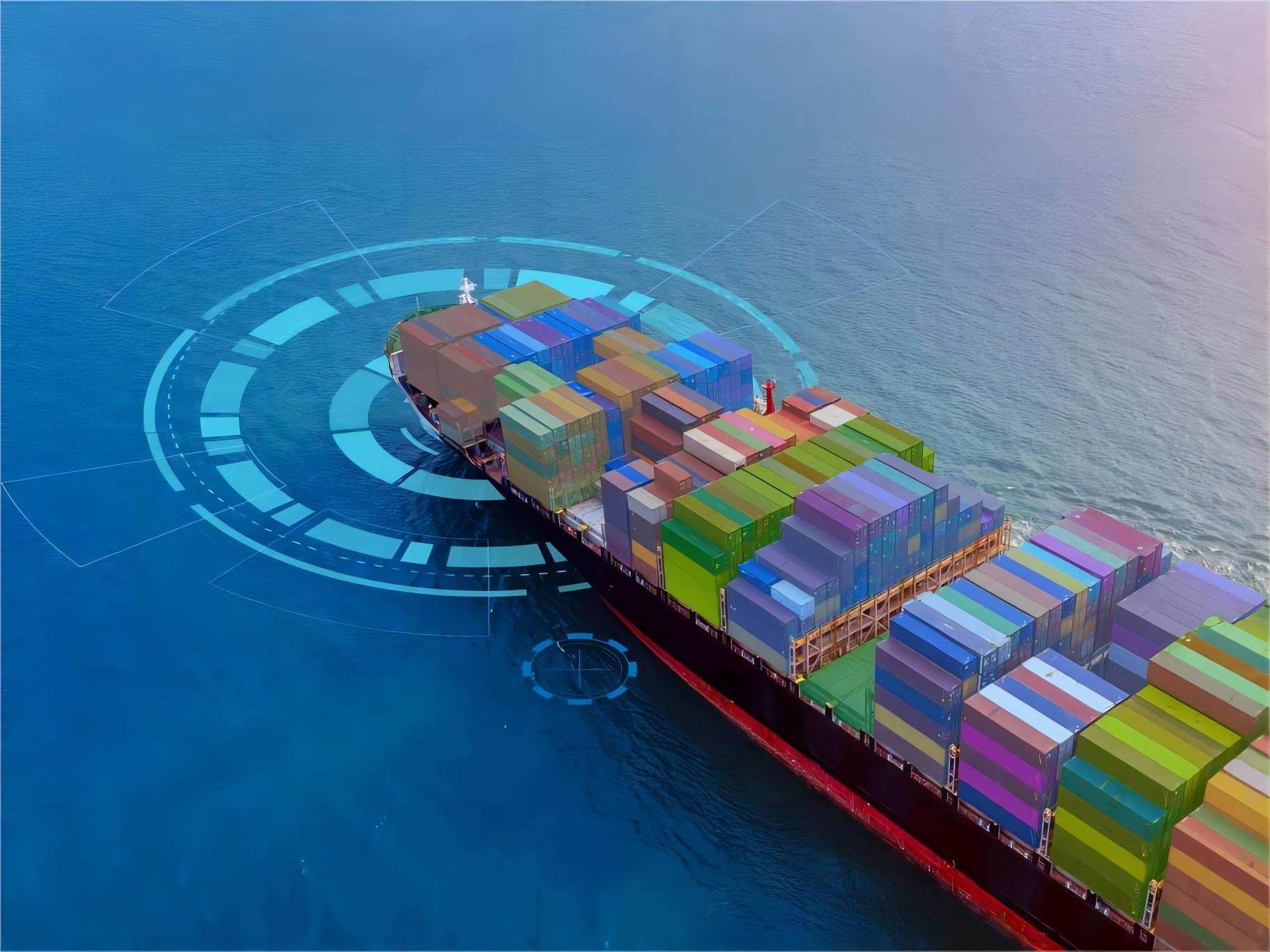
Deciding between Full Container Load (FCL) and Less than Container Load (LCL) depends largely on your shipment volume and budget. If your goods exceed 15 cubic meters, FCL usually offers the best value and security. Moreover, FCL shipments generally face a lower risk of damage because the container remains sealed from the factory to the warehouse.
On the other hand, LCL is an excellent choice for smaller businesses that do not have enough cargo to fill an entire container. In this scenario, you only pay for the space you use, which significantly reduces costs for low-volume imports. Additionally, our Door to Door service can simplify the LCL process by handling the consolidation and deconsolidation for you.
Transitioning from LCL to FCL is a major milestone for growing businesses. Therefore, you should analyze your annual shipping volume to determine if consolidating multiple LCL shipments into a single FCL container could save you money in the long run. Indeed, many importers find that FCL becomes more economical once they reach a certain threshold of monthly orders.
How Does Sea Freight Compare to Other Shipping Options?
While sea freight China to Germany is the most popular choice, it is not always the best fit for every scenario. For instance, Air Freight provides unmatched speed for urgent or high-value items. However, the cost of air transport is often five to ten times higher than ocean freight, making it less sustainable for bulk commodities.
Another viable alternative is Rail Freight, which serves as a middle ground between sea and air. Rail transport typically takes 15 to 22 days, offering a significant time saving over the ocean route at a fraction of the air freight cost. Consequently, rail is becoming increasingly popular for electronics and automotive parts that require faster turnaround times.
Choosing the right method requires balancing your budget against your delivery requirements. If you have a flexible schedule, sea freight remains the undisputed leader for cost efficiency. In contrast, if your supply chain is time-sensitive, exploring hybrid solutions or rail options might be more beneficial.
| Shipping Method | Cost Range | Transit Time | Best For |
|---|---|---|---|
| Sea Freight | Low ($) | 30-45 Days | Bulk, non-urgent |
| Rail Freight | Medium ($$) | 15-22 Days | Retail, mid-value |
| Air Freight | High ($$$) | 3-7 Days | Urgent, high-value |
| Sea-Air Hybrid | Medium ($$) | 18-25 Days | Cost-time balance |
Navigating Customs and Documentation for Germany
German customs regulations are known for their precision and strict adherence to European Union standards. Therefore, having accurate documentation is the single most important factor in avoiding costly port delays. Specifically, you must provide a commercial invoice, a detailed packing list, and a valid Bill of Lading for every shipment.
Furthermore, many products require specific certifications, such as the CE mark, to enter the German market legally. If your documentation is incomplete, customs officials may hold your cargo for inspection, leading to additional storage fees. Consequently, many successful importers utilize professional Customs Brokerage services to ensure full compliance with EU laws.
Notably, the EORI number is mandatory for all businesses importing goods into Germany. Without this identification number, your shipment cannot be processed through the ATLAS electronic customs system. Accordingly, ensure your business registration and tax IDs are in order well before your cargo arrives at the Port of Hamburg or Bremerhaven.

Case Studies: Successful Sea Freight Shipments in 2026
Case Study 1: Electronics Distribution to Berlin. Route: Shanghai to Hamburg. Cargo: Consumer electronics, 68 CBM, 12,000 kg. Container: 40GP. Carrier: Major carrier. Port of Loading: Shanghai. Port of Discharge: Hamburg. Route Type: Direct. Cost Breakdown: Ocean Freight: $3,200; Origin Charges: $450; Destination Charges: $600; Total Landed Cost: $4,250. Timeline: Booking to Loading: 4 days; Sea Transit: 31 days; Customs Clearance: 2 days; Total Door-to-Door: 42 days. Key Insight: Early booking during the Q1 lull saved the client 15% on freight rates.
Case Study 2: Industrial Machinery Parts to Munich. Route: Shenzhen to Hamburg. Cargo: Spare parts, 8 CBM, 2,500 kg. Container: LCL. Carrier: Consolidation service. Port of Loading: Shenzhen. Port of Discharge: Hamburg. Route Type: Transshipment via Singapore. Cost Breakdown: Ocean Freight: $680; Origin Charges: $200; Destination Charges: $350; Total Landed Cost: $1,230. Timeline: Booking to Loading: 3 days; Sea Transit: 36 days; Customs Clearance: 3 days; Total Door-to-Door: 48 days. Key Insight: Utilizing LCL allowed the manufacturer to maintain just-in-time inventory without paying for a full container.
Which Option Should You Choose for Your Business?
Selecting the ideal shipping strategy depends on your specific business priorities and cargo characteristics. If your primary goal is to minimize expenses, sea freight is undoubtedly the most suitable option for large volumes. However, if you are launching a new product and need it in German stores quickly, rail freight might be a better investment.
For shipments under 15 CBM, we recommend LCL to keep your capital from being tied up in excessive shipping costs. Conversely, for larger shipments, FCL provides better security and faster handling times. Furthermore, consider a hybrid sea-air approach if you need to balance cost and speed for mid-range shipments.
Ultimately, the best choice often involves a mix of different methods based on seasonal demand and product lifecycle. For example, use sea freight for your core inventory and air freight for emergency restocks. This multi-modal approach ensures your supply chain remains resilient and responsive to market changes.
Mastering Your 2026 Shipping Strategy
To summarize, sea freight China to Germany remains a cornerstone of international trade, offering unparalleled cost efficiency for businesses of all sizes. By understanding the nuances of FCL and LCL, monitoring 2026 market rates, and ensuring meticulous documentation, you can significantly reduce your logistics overhead.
Moreover, the integration of digital tools and green shipping practices is making the maritime route more transparent and sustainable than ever before. Whether you are importing electronics, machinery, or consumer goods, a well-planned sea freight strategy is essential for your success in the German market. Let our expertise guide your cargo safely from China to Germany.

Get Your Shipping Quote Today
Are you ready to streamline your sea freight China to Germany operations? Our team of logistics experts is standing by to provide you with a competitive quote and personalized shipping strategy for 2026. Contact us today to discover how we can optimize your supply chain. Send Inquiry
Request Quote