

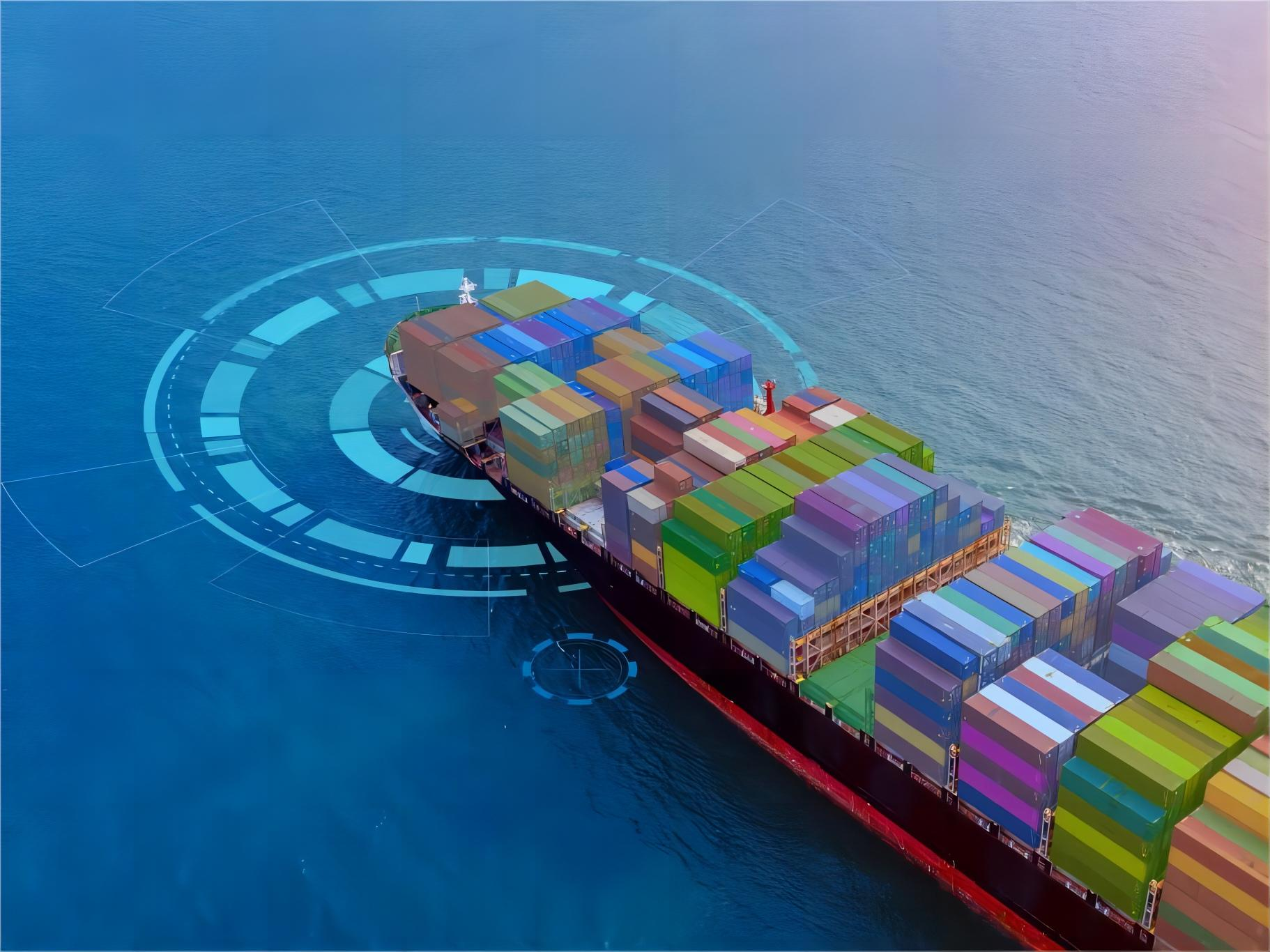
LCL Shipping China to Mexico: 2026 Freight and Cost Guide
Shipping goods across the Pacific Ocean requires a strategic approach to balance speed and cost efficiency. If you are importing smaller volumes that do not fill a whole container, LCL shipping China to Mexico provides an ideal solution for your logistics needs. By partnering with Top China Logistics, you can access streamlined consolidation services that ensure your cargo arrives safely and on time. This guide explores the intricacies of the 2026 shipping market to help you make informed decisions for your business.

Understanding LCL Shipping China to Mexico
Navigating the complexities of international trade requires a clear understanding of Less than Container Load (LCL) logistics. This method allows multiple shippers to share space within a single ocean container, which significantly reduces the financial burden on small businesses. Furthermore, sea freight remain the backbone of global trade between these two major economies.
Many importers prefer this method because it offers flexibility in inventory management and cash flow. Consequently, you only pay for the volume your cargo occupies rather than the price of a full container. This approach is particularly effective for testing new products in the Mexican market without committing to massive stock levels.
Moreover, the consolidation process ensures that even the smallest shipments benefit from the security of ocean-going vessels. Professional freight forwarders manage the entire packing process at the origin warehouse to maximize safety. Therefore, your goods remain protected throughout the long journey across the Pacific.
How Does LCL Shipping China to Mexico Compare to Other Shipping Options?
Comparing different logistics strategies is essential for optimizing your supply chain performance in 2026. While LCL is cost-effective for small volumes, you must weigh it against Full Container Load (FCL) and air transport. Each method carries specific trade-offs regarding transit time, handling risks, and total landed costs.
Moreover, the decision often depends on your specific cargo volume thresholds and delivery deadlines. If your shipment exceeds 15 cubic meters, switching to FCL might actually save you money on a per-unit basis. However, for smaller batches, LCL remains the most competitive choice for reaching major Mexican ports.
Therefore, analyzing the following comparison table will help you identify the best route for your current inventory needs. We recommend evaluating your budget against the urgency of your customer demands before making a final booking.
| Shipping Method | Cost Range | Transit Time | Best For |
|---|---|---|---|
| LCL Sea Freight | $80 – $160 per CBM | 25 – 35 Days | Small shipments |
| FCL Sea Freight | $2,800 – $4,800 | 20 – 30 Days | Bulk inventory |
| Air Freight | $4.50 – $9.00 per kg | 5 – 9 Days | Urgent cargo |
| Express Service | $8.00 – $15.00 per kg | 3 – 5 Days | Samples and docs |

Key Factors Influencing LCL Shipping Costs in 2026
Pricing in the 2026 logistics market is influenced by several dynamic variables including fuel surcharges and port congestion levels. Additionally, specialized customs brokerage services are vital for navigating the evolving trade regulations in Mexico. Understanding these costs upfront prevents unexpected expenses at the destination.
Businesses must also account for the cubic meter (CBM) measurements, as LCL rates are primarily calculated based on volume. In contrast, heavy items might be charged based on weight if they exceed the standard density ratio. Always provide accurate dimensions to your forwarder to ensure the most precise quote possible.
Market trends suggest that seasonal demand during the third quarter often leads to temporary rate spikes. Consequently, booking your shipments at least three weeks in advance can help secure better pricing and guaranteed space. Planning ahead is the most effective way to maintain healthy profit margins for your imports.
Transit Times for LCL Shipments to Major Mexican Ports
Transit times vary significantly based on the specific port of loading in China and the final destination in Mexico. For instance, shipments from Shenzhen to Manzanillo generally arrive faster than those destined for the Gulf coast. Specifically, the West Coast ports of Mexico handle the majority of Asian imports due to their geographic proximity.
Moreover, North America trade routes have seen improved efficiency due to updated port infrastructure in 2026. Despite these improvements, you should still allow time for the consolidation and deconsolidation phases at both ends. These steps typically add five to seven days to the total sea transit time.
To summarize, the following table provides a realistic overview of expected timelines for common routes. These estimates reflect the current market conditions and typical carrier schedules observed in early 2026.
| Origin Port | Destination Port | Sea Transit | Total Door-to-Door |
|---|---|---|---|
| Shanghai | Manzanillo | 22 – 25 Days | 32 – 38 Days |
| Ningbo | Lazaro Cardenas | 24 – 28 Days | 35 – 42 Days |
| Shenzhen | Ensenada | 20 – 24 Days | 30 – 36 Days |
| Qingdao | Veracruz | 35 – 40 Days | 45 – 55 Days |
Which Option Should You Choose for Your Cargo?
Selecting the right shipping method involves a careful balance between your available budget and your inventory requirements. If your primary goal is cost reduction and your timeline allows for a month of transit, LCL is clearly the winner. However, high-value electronics or perishable goods might require the speed of more expensive alternatives.
Ultimately, you should choose LCL if your shipment is between 1 and 15 cubic meters. Regardless of your choice, working with an experienced partner ensures that your supply chain remains resilient against global disruptions. Thus, evaluating your volume thresholds is the first step toward logistics optimization.
Note: Freight rates are subject to change based on fuel costs, carrier capacity, and seasonal demand. Contact us for a current quote tailored to your specific shipment.
Essential Documentation for Mexico Customs Clearance
Customs procedures in Mexico are known for being rigorous and requiring meticulous attention to detail. Indeed, missing a single document can lead to costly delays or even the seizure of your goods at the port. Utilizing a door to door service often simplifies this process by including documentation management in the package.
Furthermore, you must ensure that all labels comply with Mexican Official Standards (NOMs) before the cargo leaves China. This proactive step prevents the need for expensive relabeling at a bonded warehouse in Mexico. Consequently, your goods can move through the port of discharge much more quickly.
Without a doubt, the following checklist outlines the core documents required for every LCL shipment to Mexico. Ensure your supplier in China provides these files in a clear, legible format well before the vessel arrives.
| Document Name | Purpose | Critical Note | Provider |
|---|---|---|---|
| Commercial Invoice | Valuation | Must be in Spanish/English | Shipper |
| Packing List | Content verification | Detailed item count | Shipper |
| Bill of Lading | Title of goods | Crucial for release | Carrier |
| Certificate of Origin | Duty calculation | Determines tax rate | Shipper |
Case Studies: Successful LCL Shipments from China to Mexico
Real-world examples provide valuable insights into the practical costs and timelines associated with LCL shipping China to Mexico. For instance, many small enterprises have successfully scaled their operations by utilizing consistent consolidation schedules. These cases highlight the importance of choosing the right port of entry based on the final delivery location.
As a result of careful planning, these businesses avoided common pitfalls such as excessive storage fees and customs fines. Each scenario below reflects actual market data from 2025 and 2026 to give you a realistic expectation. Reviewing these details can help you benchmark your own logistics expenses.
+———————————————————+ | Case Study 1: Textiles from Ningbo to Manzanillo | | Route: Ningbo, China to Manzanillo, Mexico | | Cargo: Cotton fabrics, 5 CBM, 1200 kg | | Container: LCL 5 CBM | | | | Shipping Details: | | – Carrier: Major carrier | | – Port of Loading: Ningbo | | – Port of Discharge: Manzanillo | | – Route Type: Direct | | | | Cost Breakdown: | | – Ocean Freight: $450 | | – Origin Charges: $180 | | – Destination Charges: $220 | | – Customs & Duties: $350 | | – Total Landed Cost: $1200 | | | | Timeline: | | – Booking to Loading: 4 days | | – Sea Transit: 26 days | | – Customs Clearance: 3 days | | – Total Door-to-Door: 33 days | | | | Key Insight: Direct sailing reduced handling risks. | +———————————————————+
+———————————————————+ | Case Study 2: Auto Parts from Shanghai to Mexico City | | Route: Shanghai, China to Mexico City (via Veracruz) | | Cargo: Spare parts, 2 CBM, 500 kg | | Container: LCL 2 CBM | | | | Shipping Details: | | – Carrier: Major carrier | | – Port of Loading: Shanghai | | – Port of Discharge: Veracruz | | – Route Type: Transshipment via Panama | | | | Cost Breakdown: | | – Ocean Freight: $280 | | – Origin Charges: $150 | | – Destination Charges: $200 | | – Customs & Duties: $400 | | – Total Landed Cost: $1030 | | | | Timeline: | | – Booking to Loading: 5 days | | – Sea Transit: 38 days | | – Customs Clearance: 4 days | | – Total Door-to-Door: 47 days | | | | Key Insight: Transshipment saved 15% on freight costs. | +———————————————————+
Strategic Tips to Reduce Your LCL Shipping Costs
Reducing your overall logistics spend requires a combination of smart packing and strategic carrier selection. Furthermore, optimizing your packaging to minimize wasted space can lead to significant savings on CBM-based rates. If you can consolidate multiple small orders into one LCL shipment, you will lower your fixed documentation costs.
Consequently, many savvy importers use air freight only for high-priority items while keeping the bulk of their stock on the water. In addition, choosing a forwarder with strong local networks in Mexico can help you negotiate better trucking rates for the final mile. Local expertise is often the difference between a profitable shipment and a loss.
Finally, always request a comprehensive quote that includes all potential surcharges to avoid ‘sticker shock’ later. Being aware of the ‘all-in’ cost allows you to price your products more accurately for the Mexican consumer. Consistent monitoring of market trends is essential for long-term success.
Final Thoughts on Mexican LCL Logistics
Mastering LCL shipping China to Mexico is a vital skill for any business looking to thrive in the Latin American market in 2026. By understanding the balance between cost, transit time, and documentation requirements, you can build a more resilient supply chain. Transitioning to a professional logistics partner will further enhance your ability to navigate the complexities of international trade.
Whether you are shipping textiles, electronics, or industrial parts, the LCL model offers the flexibility needed for modern commerce. Remember to plan ahead, prepare your documents meticulously, and always stay informed about the latest freight trends. Your success in the Mexican market starts with a solid logistics strategy.

Need a tailored shipping solution?
Ready to optimize your supply chain with reliable LCL shipping China to Mexico? Contact Top China Logistics today to receive a customized quote and expert guidance for your next shipment. Visit our website to learn more about our comprehensive freight solutions and start saving on your international logistics now. Send Inquiry: https://topchinalogistics.com/