

Freight Forwarder China to Brazil: The 2026 Complete Logistics Guide
“Navigating the complexities of international trade requires a reliable partner, especially when you need a professional freight forwarder china to brazil to manage your supply chain. Importers frequently encounter challenges such as high tax burdens, strict customs regulations, and long transit times across the Atlantic. Consequently, selecting an experienced logistics provider becomes the most critical decision for your business success in 2026. This comprehensive guide explores every aspect of shipping from Chinese manufacturing hubs to the vibrant markets of Brazil.”
Why Hire a Professional Freight Forwarder China to Brazil?
❖Choosing a dedicated freight forwarder china to brazil provides your business with local expertise in both the origin and destination markets. Brazilian customs, known as Receita Federal, maintain some of the most rigorous inspection processes in the world. Therefore, having a partner who understands the SISCOMEX system and RADAR requirements is indispensable for avoiding costly delays.
Furthermore, professional forwarders negotiate directly with major ocean carriers and airlines to secure competitive freight rates that individual shippers cannot access. They provide essential services such as cargo consolidation, which allows smaller businesses to share container space and reduce overall shipping costs. Additionally, they manage the entire documentation trail, ensuring that every Commercial Invoice and Bill of Lading complies with Brazilian law.
Meanwhile, the logistics landscape in 2026 has evolved with new digital tracking technologies and green shipping initiatives. A modern forwarder uses real-time data to bypass port congestion in Santos or Paranagua, ensuring your delivery schedule remains predictable. Indeed, the right logistics partner acts as an extension of your own team, mitigating risks and optimizing your inventory flow.
Exploring Shipping Methods: Sea vs Air vs Express
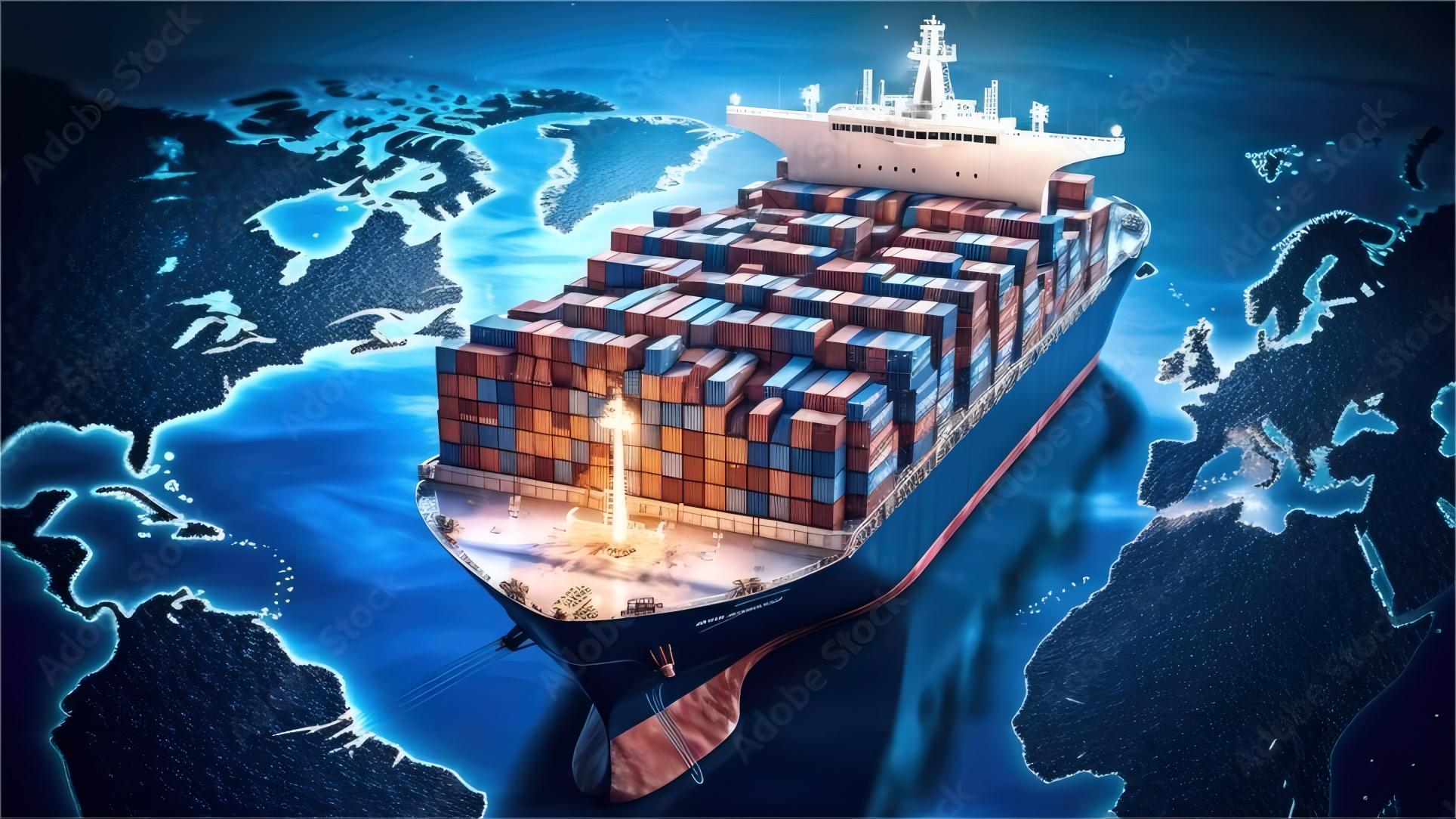
❖Shipping from China to Brazil typically involves three primary modes of transport, each catering to different budget and timeline requirements. Most high-volume importers prefer sea freight because it offers the lowest cost per unit for large shipments. This method is ideal for furniture, heavy machinery, and bulk consumer goods that do not require immediate delivery.
In contrast, businesses dealing with high-value electronics or urgent medical supplies often utilize air freight to minimize transit times. While the cost is significantly higher than ocean transport, the reduction in inventory holding costs and the ability to respond to market trends quickly can justify the investment. Moreover, air cargo provides a higher level of security for sensitive items.
For smaller parcels and samples, an express service is the most efficient choice, providing door-to-door delivery within a week. This option simplifies the process by including customs clearance in the service fee, making it perfect for e-commerce sellers. Consequently, the choice between these methods depends on your specific cargo volume, budget constraints, and urgency.
| Method | Average Cost | Transit Time | Best For |
|---|---|---|---|
| Sea Freight (FCL) | $5,500 – $7,500 per 40HQ | 35 – 45 Days | Bulk goods and large volumes |
| Sea Freight (LCL) | $150 – $250 per CBM | 40 – 50 Days | Small shipments over 2 CBM |
| Air Freight | $6.50 – $12.00 per kg | 5 – 10 Days | High-value or urgent cargo |
| Express Shipping | $15.00 – $25.00 per kg | 3 – 7 Days | Samples and small parcels |
How Does Sea Freight Compare to Other Shipping Options?
❖Objectively analyzing your options requires looking at the total landed cost rather than just the initial freight quote. While sea freight is the most economical for a 40HQ container, air freight for the same volume would be prohibitively expensive, often exceeding the value of the goods. However, sea freight involves longer lead times, which requires more careful supply chain planning.
Alternative strategies include hybrid solutions like Sea-Air, where goods are shipped by sea to a hub like Dubai or Panama and then flown to Brazil. This approach can save 15-20 days compared to pure sea freight while remaining 30-40% cheaper than direct air freight. Additionally, transshipment through Uruguay or Argentina is sometimes used to manage specific customs hurdles, though it adds complexity.
Direct routes from Shanghai to Santos are generally 10% more expensive than routes with transshipment in Singapore or Busan. Nevertheless, direct routes save approximately 7-10 days and reduce the risk of cargo damage during handling. For shipments under 15 CBM, LCL is usually more economical, but once you exceed that threshold, booking a 20GP container often becomes the cheaper and safer alternative.
| Strategy | Cost Level | Speed | Reliability |
|---|---|---|---|
| Direct Ocean | Moderate | Standard | High |
| Transshipment Ocean | Lowest | Slow | Moderate |
| Sea-Air Hybrid | High | Fast | High |
| Direct Air | Highest | Fastest | Very High |
Navigating Brazilian Customs and Import Regulations
❖Understanding the regulatory environment is vital when working with a freight forwarder china to brazil. Brazil utilizes the Mercosur Common External Tariff, but it also applies various internal taxes like IPI, ICMS, and PIS/COFINS. Consequently, the total tax burden can sometimes double the original value of the goods, making accurate valuation essential.
Additionally, every importer must have a RADAR license, which is a permit issued by the Brazilian Federal Revenue to operate in foreign trade. Without this, your goods will be blocked at the port, leading to massive demurrage charges. Therefore, engaging a professional customs brokerage service is the most effective way to ensure your paperwork is flawless.
Documentation requirements are strict and include the Commercial Invoice, Packing List, and the Bill of Lading. Furthermore, certain products like toys, medical devices, and electronics require specific certifications from agencies like INMETRO or ANVISA. Indeed, failing to provide these certificates can result in the cargo being seized or returned to China at the shipper’s expense.
| Document | Requirement | Purpose | Issuer |
|---|---|---|---|
| Commercial Invoice | Mandatory | Tax calculation | Seller |
| Bill of Lading | Mandatory | Title to goods | Carrier |
| Packing List | Mandatory | Cargo verification | Seller |
| Import Declaration | Mandatory | Customs entry | Broker |
Case Studies: Real-World Shipping Scenarios in 2026
❖Examining real-world examples helps illustrate the costs and timelines involved in modern logistics. These cases reflect typical market conditions in early 2026, accounting for current fuel surcharges and port efficiency levels. Each scenario demonstrates how different shipping methods serve specific business needs.
Case Study 1: Industrial Machinery from Ningbo to Santos. Route: Ningbo Port to Port of Santos. Cargo: CNC Machinery, 28 CBM, 12,500 kg. Container: 40GP Full Container. Shipping Details: Direct service via Maersk. Cost Breakdown: Ocean Freight $6,200; Origin Charges $450; Destination Charges $850; Total Landed Cost (Freight only) $7,500. Timeline: Booking to Loading 5 days; Sea Transit 38 days; Customs Clearance 6 days; Total Door-to-Door 49 days. Key Insight: Planning 8 weeks in advance allowed the shipper to avoid peak season surcharges.
Case Study 2: Consumer Electronics from Shenzhen to Sao Paulo. Route: Shenzhen to Guarulhos Airport. Cargo: Smartphones and Accessories, 1.5 CBM, 450 kg. Shipping Method: Air Freight. Shipping Details: Major carrier via Doha transshipment. Cost Breakdown: Air Freight $4,275 ($9.50/kg); Documentation $150; Destination Handling $300; Total Landed Cost $4,725. Timeline: Booking to Loading 2 days; Air Transit 4 days; Customs Clearance 3 days; Total Door-to-Door 9 days. Key Insight: High-margin products justified the 10x cost increase over sea freight to meet a product launch date.
Case Study 3: E-commerce Apparel from Guangzhou to Rio de Janeiro. Route: Guangzhou to Rio de Janeiro. Cargo: Fashion garments, 5 CBM, 800 kg. Shipping Method: Sea Freight LCL. Shipping Details: Shared container via Singapore. Cost Breakdown: Ocean Freight $1,100 ($220/CBM); Origin Charges $200; Destination Charges $500; Total Landed Cost $1,800. Timeline: Total Door-to-Door 55 days. Key Insight: Utilizing door to door service simplified the final mile delivery in a complex urban area.
Which Shipping Option Should You Choose?
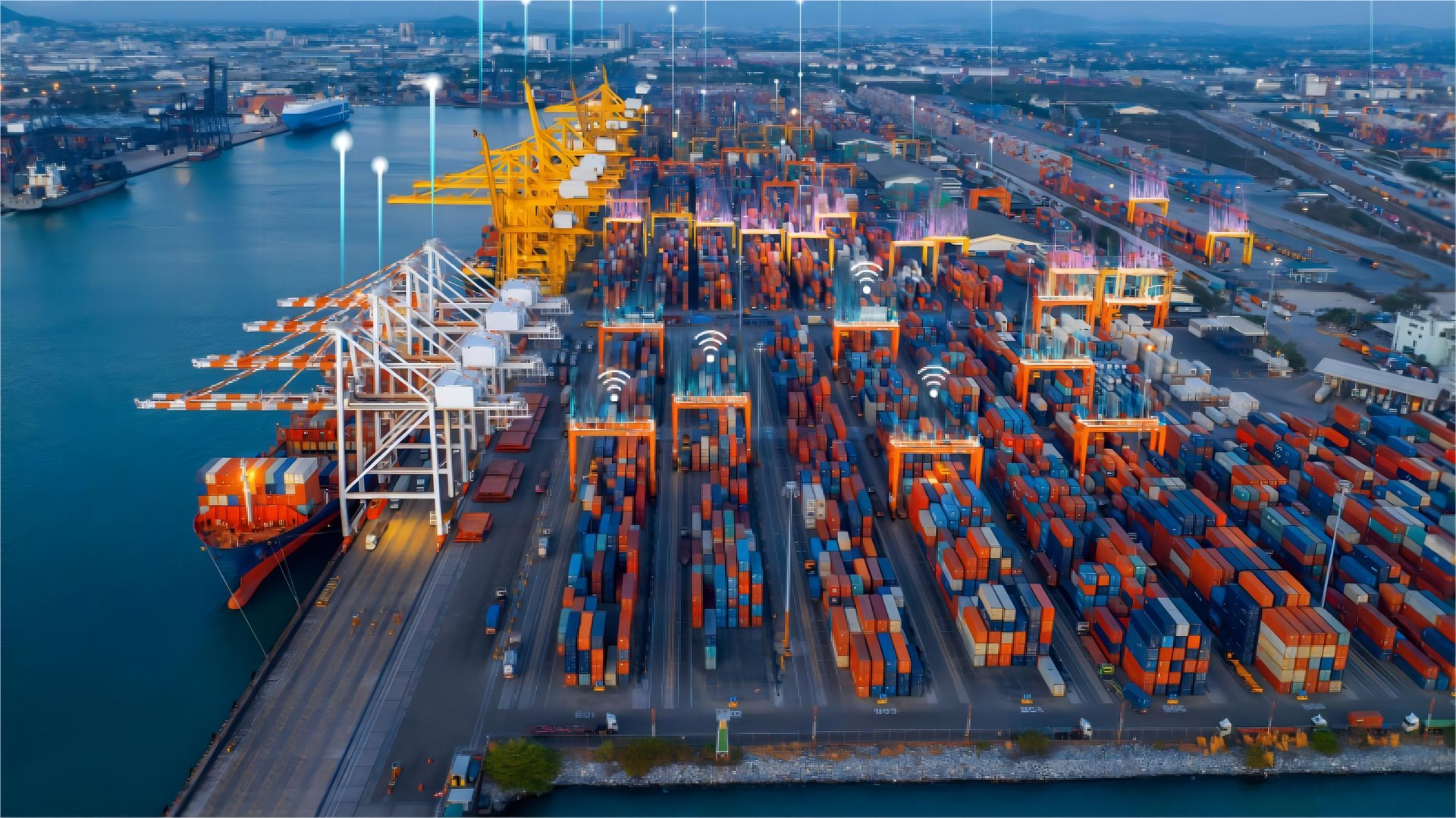
❖Determining the best method requires a clear understanding of your priorities. If your primary goal is budget optimization and you have a consistent inventory flow, sea freight is the logical choice. However, if you are shipping perishable goods or high-value items where security and speed are paramount, air freight is the superior option.
Volume thresholds also play a significant role in the decision-making process. For shipments smaller than 100kg, express couriers are usually the most cost-effective. Between 100kg and 500kg, air freight becomes competitive. For anything larger than 2 CBM, sea freight LCL or FCL will always provide the best value for your logistics spend.
Cargo type considerations must also be factored into your strategy. Dangerous goods or hazardous materials often face restrictions on aircraft, making sea freight the only viable path. Conversely, fragile items may benefit from the reduced handling involved in air transport. Consult with your freight forwarder china to brazil to evaluate these trade-offs before booking.
Mastering Your China to Brazil Logistics
Successfully managing imports involves more than just finding the cheapest rate; it requires a strategic partnership with a skilled freight forwarder china to brazil. By understanding the nuances of sea and air freight, navigating the complexities of Brazilian customs, and utilizing modern tracking tools, you can build a resilient supply chain.
Moreover, staying informed about market trends and seasonal fluctuations in 2026 will allow you to make data-driven decisions. Whether you are shipping full containers or small express parcels, the principles of planning, documentation, and communication remain the pillars of logistics excellence. Start optimizing your route today to secure your competitive advantage in the Brazilian market.
Ready to streamline your logistics?
Streamline your international supply chain with the most reliable freight forwarder china to brazil. Our expert team at Top China Logistics provides tailored solutions to ensure your cargo arrives safely and on time. Visit https://topchinalogistics.com/ to request a personalized quote and optimize your shipping strategy for 2026.
Request Quote