
FCL Shipping China to Saudi Arabia: 2026 Freight Guide
Navigating the complexities of international trade requires a reliable logistics partner to ensure your goods arrive safely and on time. When managing large volumes of cargo, FCL shipping China to Saudi Arabia stands out as the most efficient and cost-effective method for businesses today. At Top China Logistics, we specialize in streamlining this vital trade route to support your growing supply chain needs. Consequently, understanding the nuances of full container load logistics can significantly reduce your overhead while improving delivery reliability.

What is FCL Shipping China to Saudi Arabia?
Full Container Load, or FCL, refers to a shipping arrangement where a single importer occupies an entire shipping container for their goods. This method is particularly popular for FCL shipping China to Saudi Arabia because it offers maximum security and reduces the risk of damage during transit. Unlike shared containers, your cargo remains sealed from the point of origin until it reaches its final destination.
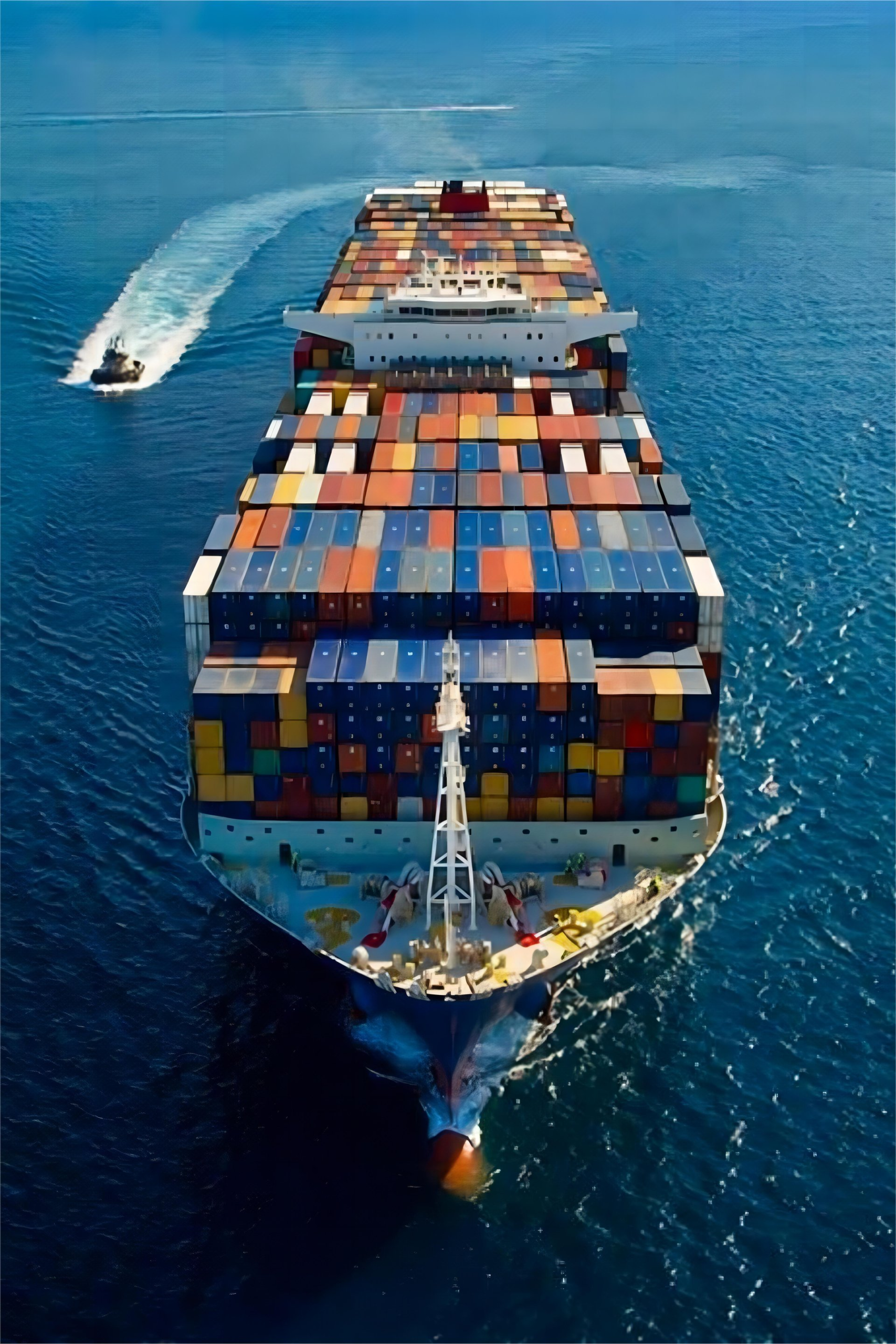
Moreover, choosing sea freight in the form of FCL allows for better inventory management and faster handling at the ports. Since the container does not need to be deconsolidated, the offloading process at Jeddah or Dammam is significantly quicker than LCL options. Therefore, businesses moving high volumes or fragile items often prioritize this shipping mode.
Additionally, the year 2026 has seen a surge in demand for direct routes between major Chinese hubs and Saudi ports. This trend is driven by increased bilateral trade and the expansion of the Saudi manufacturing sector. Consequently, freight forwarders have optimized their schedules to provide more frequent departures and competitive ocean freight rates.
How Does FCL Shipping Compare to Other Shipping Options?
Evaluating the best transport method requires a detailed analysis of cost, speed, and cargo volume. While FCL shipping China to Saudi Arabia is ideal for large shipments, other alternatives like LCL or air freight might suit specific urgent needs. For example, air cargo is unmatched for speed but carries a much higher price tag per kilogram.
In contrast, LCL shipping is better for smaller volumes but involves more handling and longer wait times due to consolidation. Meanwhile, FCL provides a middle ground that balances cost-efficiency with relatively stable transit times. Indeed, for any shipment exceeding 15 cubic meters, FCL almost always becomes the more economical choice.
Furthermore, hybrid solutions like sea-air freight are gaining traction for shipments that are too slow for sea but too expensive for pure air. However, for the majority of industrial and consumer goods, the standard FCL route remains the backbone of the China-Saudi trade corridor. The following table provides a clear comparison of these logistics strategies.
| Shipping Method | Cost Range | Transit Time | Best For |
|---|---|---|---|
| FCL (20ft/40ft) | $1,800 – $3,500 | 22 – 30 Days | Bulk goods & large inventory |
| LCL (Per CBM) | $60 – $120 | 30 – 40 Days | Small shipments < 15 CBM |
| Air Freight | $4.50 – $8.50/kg | 3 – 7 Days | Urgent or high-value items |
| Sea-Air Hybrid | $2.50 – $4.00/kg | 12 – 18 Days | Time-sensitive retail |
Key Benefits of Choosing FCL for Your Saudi Shipments
One of the primary advantages of FCL shipping China to Saudi Arabia is the enhanced security it provides for your products. Since the container is dedicated to your cargo, there is no risk of contamination or damage from other shippers’ goods. Consequently, this is the preferred method for shipping electronics, furniture, and heavy machinery.
Additionally, FCL shipments generally experience fewer delays during the customs process. Because the entire container belongs to one consignee, the documentation is straightforward and does not depend on the compliance of other parties. Therefore, you can expect a more predictable delivery schedule for your supply chain operations.
Moreover, the cost per unit is significantly lower when you utilize the full capacity of a 20ft or 40ft container. For businesses looking to scale, this economies-of-scale benefit is crucial for maintaining competitive pricing in the Saudi market. Indeed, as of early 2026, freight rates have stabilized, making long-term planning more feasible for importers.
Major Ports Involved in FCL Shipping China to Saudi Arabia
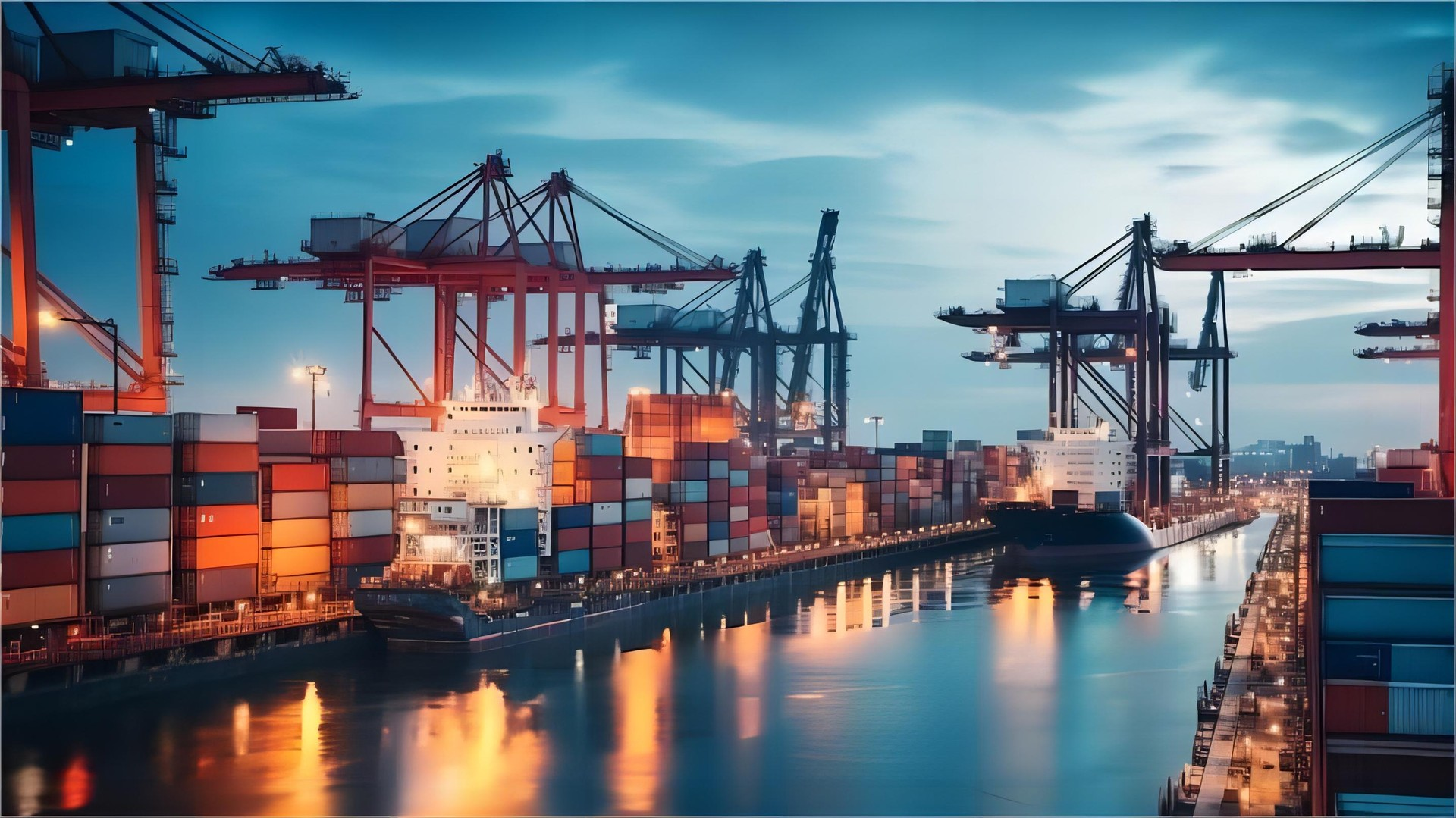
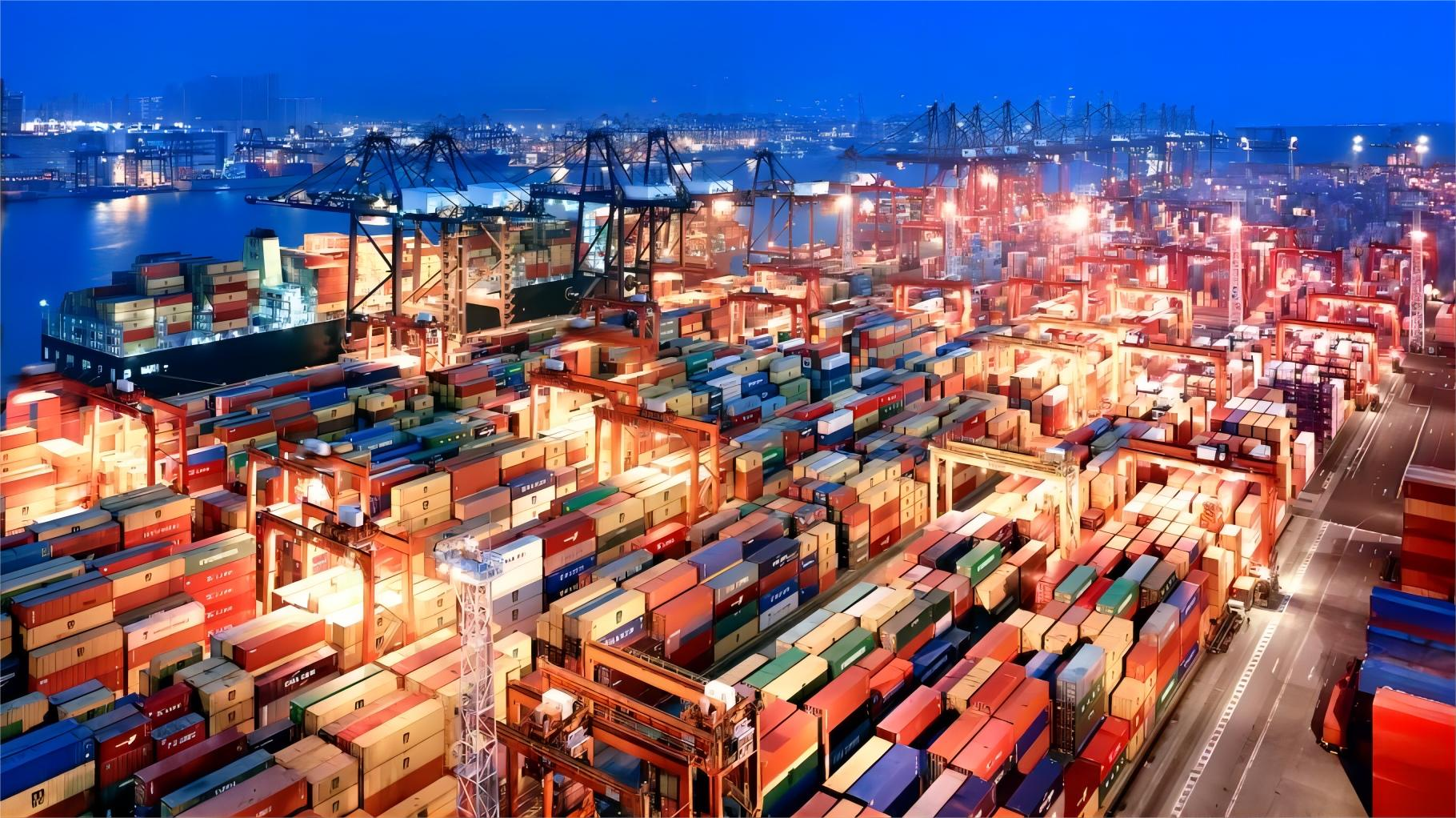
China boasts some of the world’s busiest ports, providing numerous exit points for your cargo. For instance, the Port of Shanghai and the Port of Shenzhen are major hubs that offer daily departures to the Middle East. Choosing the right departure port can save you significant inland trucking costs depending on where your supplier is located.
On the receiving end, Saudi Arabia has invested heavily in its maritime infrastructure as part of Vision 2030. Jeddah Islamic Port serves as the primary gateway for the western region, handling the majority of the country’s sea trade. Meanwhile, King Abdulaziz Port in Dammam is the vital link for the Eastern Province and the capital city, Riyadh.
Furthermore, the Port of Neom is becoming an increasingly important destination for construction-related FCL shipping China to Saudi Arabia. As these mega-projects continue to develop, logistics routes are expanding to include more direct calls. Consequently, shippers now have more flexibility in selecting ports that minimize inland transit times within the Kingdom.
Understanding FCL Shipping Rates and Cost Factors
Determining the total cost of FCL shipping China to Saudi Arabia involves several variables beyond the base ocean freight. For example, fuel surcharges (BAF) and currency adjustment factors (CAF) can fluctuate based on global economic conditions. Additionally, terminal handling charges at both the origin and destination ports must be accounted for in your budget.
Meanwhile, seasonal demand plays a significant role in pricing. During the peak season from August to October, rates typically increase by 15-25% due to higher volumes before the year-end holidays. Therefore, booking your shipments at least 3-4 weeks in advance is highly recommended to secure the best possible pricing and space on the vessel.
Furthermore, the choice between a 20GP, 40GP, or 40HQ container will impact your final invoice. While a 40ft container offers double the volume of a 20ft unit, the price is usually only 30-50% higher, making it a much better value for lightweight, bulky goods. The table below outlines the typical price ranges observed in the first quarter of 2026.
| Container Type | Capacity (CBM) | Avg. Rate (USD) | Max Weight |
|---|---|---|---|
| 20ft Standard (20GP) | 33 CBM | $1,600 – $2,200 | 28,000 kg |
| 40ft Standard (40GP) | 67 CBM | $2,500 – $3,300 | 26,000 kg |
| 40ft High Cube (40HQ) | 76 CBM | $2,800 – $3,700 | 26,000 kg |
Transit Times and Delivery Schedules
The transit time for FCL shipping China to Saudi Arabia generally ranges from 20 to 35 days, depending on the specific route and carrier. For instance, a direct shipment from Shenzhen to Jeddah usually takes about 22 days under normal weather conditions. In contrast, routes involving transshipment in Singapore or Port Klang may add an extra 7-10 days to the journey.
Moreover, port congestion can occasionally impact these schedules, particularly during high-traffic periods. However, major carriers like COSCO, Maersk, and MSC have improved their efficiency in 2026 to ensure more consistent arrival times. Consequently, importers can plan their inventory cycles with greater confidence than in previous years.
Additionally, it is important to factor in the time required for customs clearance and final delivery. While the sea transit is the longest phase, the ‘last mile’ delivery from the port to your warehouse in Riyadh or Medina can take another 3-5 days. For those requiring faster arrival, we suggest exploring our air freight options for urgent consignments.

Customs Documentation and Saudi Import Regulations
Navigating the Saudi customs landscape requires meticulous attention to detail and proper documentation. For every FCL shipping China to Saudi Arabia transaction, you must provide a commercial invoice, packing list, and a certificate of origin. Furthermore, most products now require a SABER certificate to prove compliance with Saudi Standards, Metrology and Quality Organization (SASO) regulations.
Consequently, failing to provide the correct paperwork can lead to costly delays or even the seizure of your goods at the port. Therefore, many businesses choose to utilize a professional customs brokerage service to handle the complexities of the Saudi customs system. This ensures that all duties and taxes are calculated accurately and paid on time.
In addition, you should be aware of the prohibited items list, which is strictly enforced by Saudi authorities. Items such as alcohol, pork products, and certain electronic devices are forbidden or require special permits. Indeed, staying informed about the latest regulatory updates in 2026 is essential for a smooth and successful importing experience.
Which Option Should You Choose? A Decision Framework
Choosing the right shipping strategy depends on your specific business priorities and the nature of your cargo. If your primary goal is to minimize costs and you are shipping more than 15 CBM, FCL is the undisputed winner. However, if you are testing a new product line with smaller volumes, LCL might be the more sensible starting point.
For those prioritizing speed, air freight remains the best choice despite the higher expense. Meanwhile, if you require a hands-off approach, a door to door service can manage every aspect from the factory floor in China to your doorstep in Saudi Arabia. This comprehensive solution eliminates the stress of managing multiple logistics providers.
Ultimately, the best approach often involves a mix of methods based on seasonal demand and inventory levels. For example, you might use FCL for your core stock and air freight for emergency top-ups during peak sales events. Our team can help you design a custom logistics strategy that optimizes both cost and performance for your unique needs.
Real Case Studies: FCL Shipping China to Saudi Arabia
To provide a clearer picture of what to expect, we have compiled two recent examples of FCL shipments managed by our team in early 2026. These cases highlight the typical costs, timelines, and logistical considerations for common product categories on this route.
Case Study 1: Shenzhen to Jeddah (Electronics) Route: Shenzhen, China to Jeddah, Saudi Arabia Cargo: Consumer Electronics, 65 CBM, 12,000 kg Container: 40ft High Cube (40HQ) Shipping Details: – Carrier: Major Carrier (Direct) – Port of Loading: Shenzhen – Port of Discharge: Jeddah Islamic Port Cost Breakdown: – Ocean Freight: $3,100 – Origin Charges: $450 – Destination Charges: $600 – Customs & Duties: $4,200 (estimated) – Total Landed Cost: $8,350 Timeline: – Booking to Loading: 4 days – Sea Transit: 23 days – Customs Clearance: 3 days – Total Door-to-Door: 30 days Key Insight: Direct routing saved 8 days compared to transshipment options.
Case Study 2: Ningbo to Dammam (Construction Materials) Route: Ningbo, China to Dammam, Saudi Arabia Cargo: Ceramic Tiles, 28 CBM, 24,000 kg Container: 20ft Standard (20GP) Shipping Details: – Carrier: Major Carrier (Transshipment via Singapore) – Port of Loading: Ningbo – Port of Discharge: King Abdulaziz Port Cost Breakdown: – Ocean Freight: $1,950 – Origin Charges: $380 – Destination Charges: $550 – Customs & Duties: $2,800 (estimated) – Total Landed Cost: $5,680 Timeline: – Booking to Loading: 5 days – Sea Transit: 29 days – Customs Clearance: 4 days – Total Door-to-Door: 38 days Key Insight: Using a 20GP was necessary due to the high weight density of the cargo.
Final Thoughts on FCL Shipping China to Saudi Arabia
In conclusion, FCL shipping China to Saudi Arabia remains the most effective way to transport large volumes of goods across this critical trade lane. By choosing a full container, you benefit from improved security, faster transit times, and lower per-unit costs compared to other methods.
As the Saudi market continues to grow under the Vision 2030 initiative, having a robust logistics strategy is more important than ever. By understanding the costs, ports, and documentation requirements, you can ensure your business stays ahead of the competition. Remember that freight rates are subject to change based on fuel costs and seasonal demand, so always seek a current quote for your specific shipment.
Get Your Shipping Quote Today
Are you ready to optimize your supply chain with reliable FCL shipping China to Saudi Arabia? Whether you are moving electronics, machinery, or retail goods, our team at Top China Logistics is here to provide you with the most competitive rates and professional service in the industry. Contact us today for a personalized quote and let us handle the complexities of your international freight. Send Inquiry to get started with your 2026 shipping plan.
Request Quote