


FCL Shipping China to Brazil: 2026 Guide to Rates and Transit Times
Navigating the complexities of international trade requires a reliable partner to manage your logistics efficiently. Businesses looking for FCL shipping China to Brazil often face challenges ranging from fluctuating freight rates to strict customs regulations at South American ports. By partnering with Top China Logistics, importers can streamline their supply chain and ensure their cargo reaches its destination safely and on schedule. This guide provides a comprehensive overview of the current shipping landscape in 2026, helping you make informed decisions for your business operations.
What is FCL Shipping China to Brazil and Why Choose It?
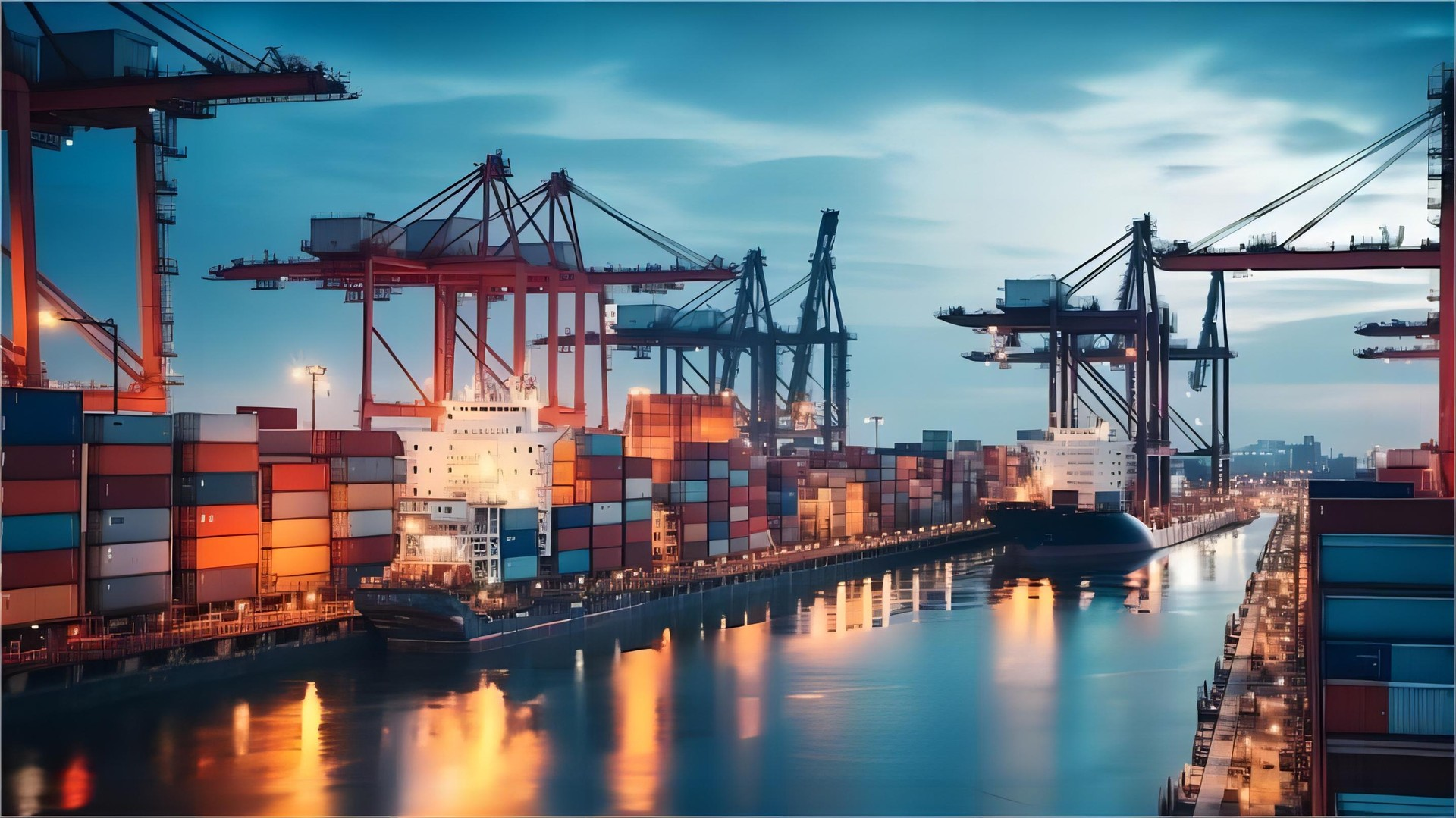
Full Container Load (FCL) refers to a shipping mode where an entire container is dedicated to a single shipment from one exporter to one importer. Consequently, this method is often preferred by businesses that have enough cargo to fill a 20ft or 40ft container, as it offers better security and faster transit compared to shared options. When you choose FCL shipping China to Brazil, you gain exclusive use of the container space, which significantly reduces the risk of damage or loss during handling.
Moreover, FCL shipments generally move faster because they do not require the consolidation and deconsolidation processes associated with Less than Container Load (LCL) shipments. Therefore, if your priority is speed and cargo integrity, sea freight remains the most viable long-term solution for high-volume trade. In 2026, the demand for dedicated container space has increased as Brazilian industries continue to expand their manufacturing and retail sectors.
Additionally, sea freight services have become more technologically advanced, allowing for better tracking and inventory management. Nevertheless, importers must consider the total volume of their goods before committing to a full container. For instance, if your shipment exceeds 15 cubic meters, FCL is typically more cost-effective than LCL due to the flat-rate pricing structure of container leasing.
How Does FCL Shipping Compare to Other Shipping Options?
Understanding the differences between various transport modes is crucial for optimizing your logistics budget and timeline. While FCL is the backbone of trans-oceanic trade, alternatives like air freight or LCL might be suitable for specific scenarios. For example, air transport is significantly faster but comes at a much higher cost, making it ideal only for high-value or urgent cargo like electronics or pharmaceuticals.
On the other hand, LCL is better for smaller shipments that do not justify the cost of a whole container. However, LCL often involves longer transit times because the carrier must wait to fill the container with multiple shipments. In contrast, FCL allows for direct loading and sealing at the factory, which enhances security and simplifies the documentation process. Without a doubt, choosing the right method depends on your specific balance of cost, speed, and volume requirements.
Furthermore, hybrid solutions like sea-air combinations are occasionally used to balance cost and speed, though they are less common for the China-Brazil route due to the geographical distance. To summarize, FCL remains the most efficient way to transport large volumes of goods across the Pacific or Atlantic oceans. Most professional importers prefer FCL for its predictability and lower per-unit shipping costs when dealing with bulk orders.
| Shipping Method | Cost Range (USD) | Transit Time | Best For |
|---|---|---|---|
| FCL 20GP | $3,500 – $5,500 | 35-45 Days | Bulk goods, heavy items |
| FCL 40HQ | $5,500 – $8,500 | 35-45 Days | Large volume, light goods |
| LCL (per CBM) | $150 – $300 | 45-55 Days | Small shipments < 15 CBM |
| Air Freight (per kg) | $6.00 – $12.00 | 5-10 Days | Urgent, high-value cargo |
Transit Times and Major Routes from China to Brazil
Shipping from China to Brazil involves crossing vast distances, typically via the Cape of Good Hope or the Panama Canal. As a result, transit times can vary significantly based on the port of origin in China and the destination port in Brazil. Major Chinese hubs like Shanghai, Ningbo, and Shenzhen offer the most frequent departures and competitive rates. Meanwhile, Brazilian ports such as Santos, Itajai, and Paranagua serve as the primary gateways for international cargo.
Typically, a direct route from Shenzhen to Santos takes approximately 35 to 40 days under normal conditions. However, transshipment via ports in Europe or the Caribbean can extend this timeline to 50 days or more. Therefore, it is essential to confirm the specific vessel schedule with your logistics provider to avoid unexpected delays in your supply chain. Indeed, seasonal weather patterns and port congestion can also impact the actual delivery date.
Consequently, planning your shipments at least two months in advance is highly recommended during peak seasons. For instance, the months leading up to the end-of-year holidays often see increased demand and potential delays. By monitoring logistics trends 2026, businesses can better anticipate these fluctuations and adjust their inventory levels accordingly. Always check for the latest transit time updates to ensure your production schedules remain on track.
| Origin Port (China) | Destination Port (Brazil) | Direct Transit | Transshipment |
|---|---|---|---|
| Shanghai | Santos | 38-42 Days | 45-55 Days |
| Shenzhen | Santos | 35-40 Days | 42-50 Days |
| Ningbo | Itajai | 40-45 Days | 50-60 Days |
| Qingdao | Paranagua | 42-48 Days | 52-65 Days |

Understanding Shipping Costs and Freight Rates in 2026
Freight rates for FCL shipping China to Brazil are influenced by several dynamic factors, including fuel prices, container availability, and global trade demand. In early 2026, market data suggests that rates have stabilized compared to the volatility of previous years, yet they remain sensitive to geopolitical shifts. Additionally, local charges at both the origin and destination ports must be factored into your total landed cost. These charges include terminal handling, documentation fees, and customs brokerage services.
Moreover, the type of container you choose will impact the overall price. While a 20GP container is suitable for heavy machinery or dense goods, a 40HQ container offers more volume for lightweight items like furniture or textiles. Consequently, calculating the cost per unit is the most effective way to determine which container size provides the best value for your specific cargo. Nevertheless, always be prepared for seasonal surcharges that carriers may apply during peak periods.
Note: Freight rates are subject to change based on fuel costs, carrier capacity, and seasonal demand. Contact us for a current quote tailored to your specific shipment. Industry averages for this route indicate that booking at least 3-4 weeks in advance can help secure more favorable pricing. Furthermore, implementing a door to door service can simplify the process by consolidating all costs into a single invoice, providing better transparency for your accounting department.
Customs Clearance and Documentation for Brazil Imports
Importing goods into Brazil is known for being a complex process due to the country’s rigorous customs regulations and tax structures. Therefore, ensuring all documentation is accurate and complete is vital to avoid costly delays or fines at the port of entry. The primary documents required for FCL shipping China to Brazil include the Commercial Invoice, Packing List, and the Bill of Lading. Additionally, certain products may require specific import licenses or certificates of origin to comply with Brazilian law.
Furthermore, the Brazilian ‘Siscomex’ system is used to track all import operations, and every importer must be registered in the ‘Radar’ system. Indeed, working with an experienced customs broker can help navigate these requirements and ensure your cargo is classified correctly under the Mercosur Common Nomenclature (NCM). As a result, you can minimize the risk of your container being held for inspection, which can save both time and money. Meanwhile, staying updated on the latest trade agreements between China and Brazil is beneficial for identifying potential duty exemptions.
Accordingly, meticulous attention to detail during the preparation phase is the key to a successful import operation. For example, discrepancies in the weight or description of the goods on the Bill of Lading can lead to significant administrative hurdles. Consequently, many businesses choose to outsource this task to professionals who specialize in South American logistics. Without a doubt, a proactive approach to customs compliance is the best strategy for maintaining a smooth supply chain in 2026.
| Document Name | Purpose | Required By | Key Detail |
|---|---|---|---|
| Commercial Invoice | Proof of transaction | Customs | Must match NCM codes |
| Packing List | Details of cargo | Port Authority | Total weight and volume |
| Bill of Lading | Title of goods | Carrier/Customs | FCL or LCL status |
| Import Declaration | Official entry | Siscomex | Filed by broker |
Case Studies: Real-World FCL Shipping Scenarios
Analyzing real-world examples provides valuable insights into the practical aspects of FCL shipping China to Brazil. These cases highlight the importance of choosing the right route and managing the documentation process effectively. By looking at these scenarios, businesses can learn how to optimize their own shipping strategies for the 2026 market.
Case Study 1: Electronics from Shenzhen to Santos. A Brazilian retailer ordered a full 40HQ container of consumer electronics. The shipment originated in Shenzhen and was sent directly to the Port of Santos. – Route: Shenzhen to Santos – Cargo: Electronics, 65 CBM, 12,000 kg – Container: 40HQ – Shipping Details: Direct via major carrier – Ocean Freight: $7,200 – Timeline: 37 days door-to-door – Key Insight: Using a direct route saved 8 days compared to transshipment options, ensuring the stock arrived before the peak shopping season.
Case Study 2: Industrial Machinery from Ningbo to Itajai. A manufacturing plant in Southern Brazil imported heavy machinery for a new production line. Due to the weight, a 20GP container was the most appropriate choice. – Route: Ningbo to Itajai – Cargo: Machinery parts, 25 CBM, 18,000 kg – Container: 20GP – Shipping Details: Transshipment via Singapore – Ocean Freight: $4,100 – Timeline: 48 days – Key Insight: Proper cargo handling and securing were critical due to the high weight of the machinery. Based on Q1 2026 market rates, this shipment was cost-effective despite the longer transit time.
Which Shipping Option Should You Choose?
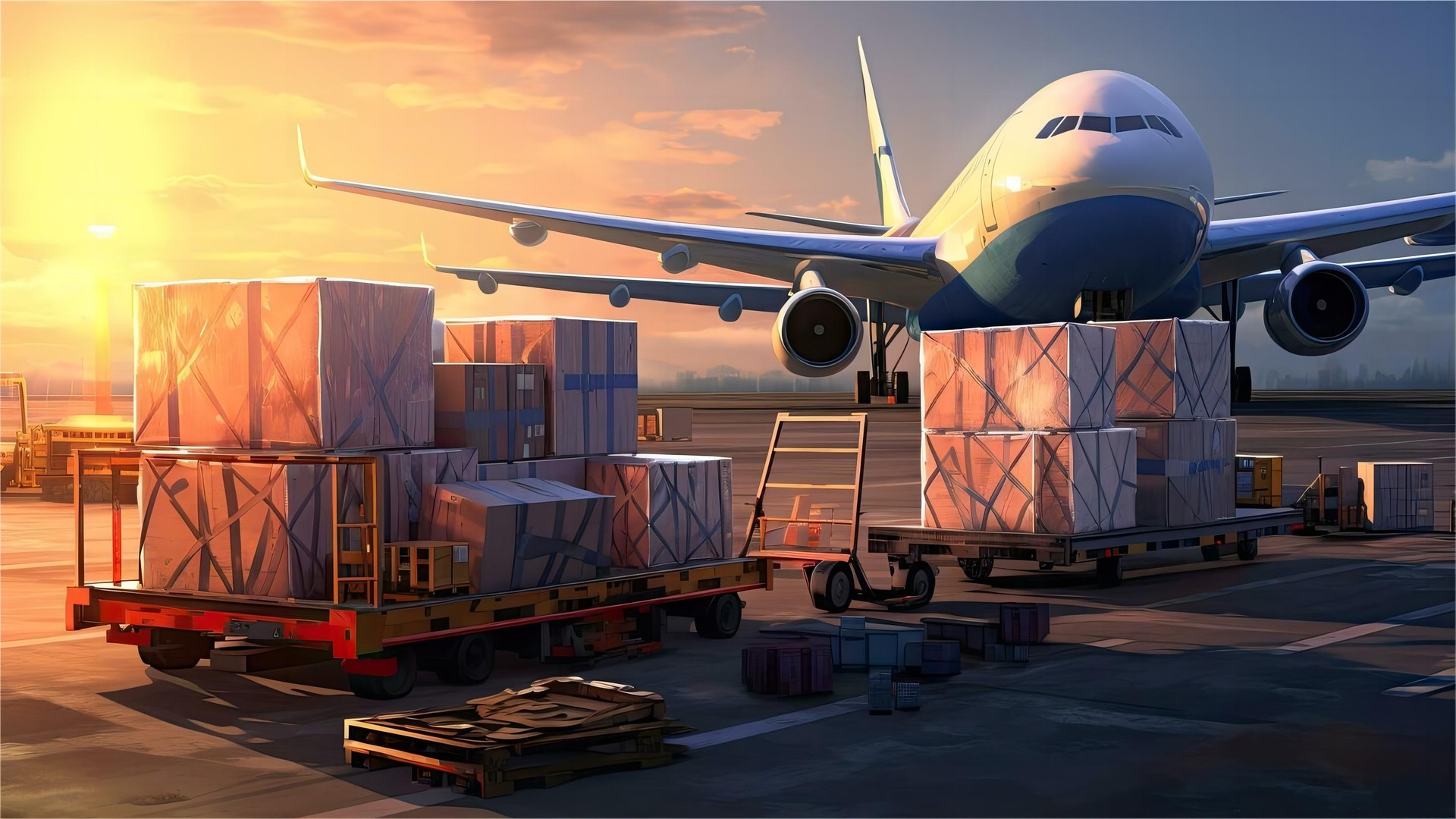
Selecting the ideal shipping method requires a careful evaluation of your business priorities and the nature of your cargo. If your primary concern is the lowest possible cost for a large volume of goods, FCL shipping China to Brazil is almost always the best choice. On the contrary, if you are shipping a small sample or an urgent replacement part, air freight is the only option that can meet tight deadlines. For mid-sized shipments where speed is not critical, LCL provides a flexible middle ground.
Budget priority: Recommend FCL for any shipment over 15 CBM to take advantage of flat-rate pricing. Furthermore, consolidate multiple smaller orders into a single FCL container to maximize savings. Speed priority: Recommend air freight for delivery within 10 days, though be prepared for costs that can be 5 to 10 times higher than sea freight. Cargo type considerations: Recommend FCL for fragile or high-value items that benefit from minimal handling. For hazardous materials or chemicals, ensure you use a carrier with specialized cargo handling capabilities.
Moreover, consider the geographical location of your final destination in Brazil. For instance, shipments destined for the southern regions are best served by the Port of Itajai or Paranagua, while the state of Sao Paulo is most efficiently reached through Santos. By aligning your shipping port with your inland distribution center, you can significantly reduce domestic trucking costs. Consequently, a well-planned logistics strategy considers the entire journey from the Chinese factory to the Brazilian warehouse.
Final Thoughts on FCL Shipping from China to Brazil
In conclusion, FCL shipping China to Brazil remains the most effective and reliable method for transporting large volumes of goods in 2026. By understanding the nuances of transit times, container costs, and Brazilian customs requirements, businesses can build a more resilient and cost-effective supply chain. Transitioning to a dedicated container strategy often results in better cargo security and more predictable delivery schedules.
Additionally, partnering with an experienced logistics provider like Top China Logistics ensures that you have the expertise needed to navigate the complexities of international trade. Whether you are shipping electronics, machinery, or textiles, the right FCL strategy will help you stay competitive in the dynamic Brazilian market. Start planning your 2026 shipments today to secure the best rates and ensure your business continues to grow.

Need a tailored shipping solution?
Ready to optimize your supply chain with reliable FCL shipping China to Brazil? Contact Top China Logistics today for a customized quote and expert guidance on your next shipment. Visit our website to learn more about our comprehensive sea freight solutions and professional customs support. Send Inquiry: Visit https://topchinalogistics.com/