


Export Logistics China to Italy: 2026 Comprehensive Shipping Guide
Navigating the complexities of export logistics china to Italy requires a strategic approach to manage costs and ensure timely delivery. Businesses must balance speed and budget while adhering to evolving European trade regulations in 2026. By partnering with a reliable partner like Top China Logistics, you can streamline your supply chain and overcome common hurdles in international shipping. This guide provides actionable insights into the most efficient transit routes and cost-saving strategies available today.
What is the Current State of Export Logistics China to Italy in 2026?
Global trade dynamics have shifted significantly as we enter the second half of the decade, impacting how goods move between Asia and Europe. Consequently, the efficiency of export logistics china to Italy has become a primary concern for importers looking to maintain competitive edges. Market data suggests that freight rates have stabilized following the disruptions of previous years, yet capacity management remains a critical factor for success.
Furthermore, technological advancements in tracking and cargo handling have improved transparency across the entire supply chain. Therefore, businesses can now monitor their shipments in real-time, reducing the uncertainty often associated with long-haul transit. Meanwhile, Italian ports such as Genoa and Trieste have expanded their infrastructure to accommodate larger vessels and higher cargo volumes from Chinese hubs.
Additionally, environmental regulations in the European Union are driving a shift toward greener logistics solutions. Accordingly, many carriers are introducing vessels powered by alternative fuels to meet strict carbon emission targets. Indeed, choosing a forwarder that prioritizes sustainability can help your business comply with upcoming Italian environmental reporting requirements.
How Does Sea Freight Compare to Other Shipping Options?
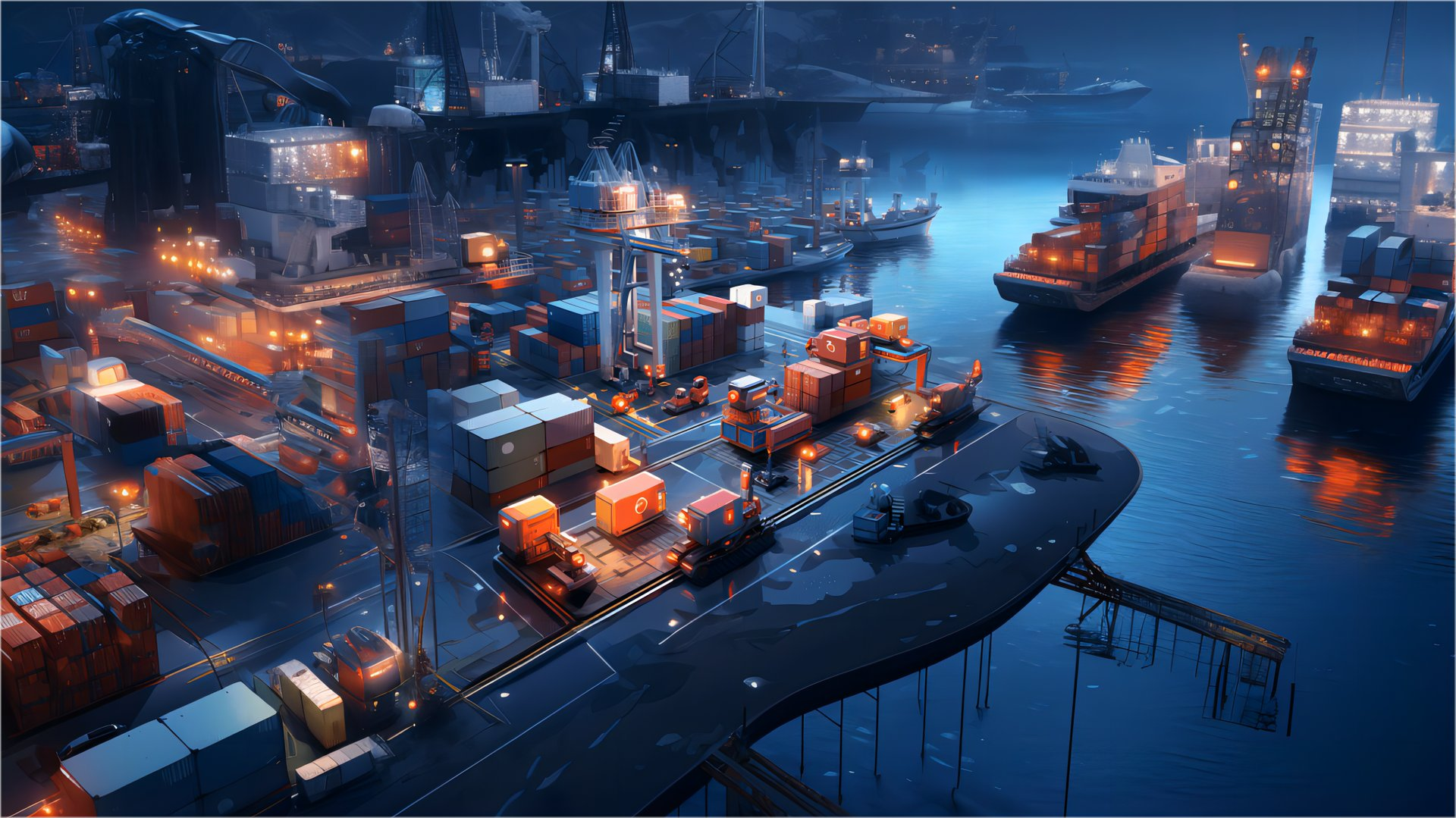
While multiple transport modes exist, sea freight remains the backbone of trade for large-scale shipments. It offers the most economical solution for bulk commodities and heavy machinery that do not require immediate delivery. However, the transit time is considerably longer than air or rail alternatives, typically ranging from 30 to 45 days depending on the specific port pair.
In contrast, air freight provides unmatched speed for high-value or perishable items but at a significantly higher price point. For instance, shipping a single pallet via air might cost more than an entire 20-foot container sent by sea. Nevertheless, for urgent inventory replenishment, the five to seven-day transit time of air cargo is often worth the investment.
To illustrate the differences, consider the following comparison of the primary shipping methods available for the China-Italy route in early 2026.
| Shipping Method | Cost Range | Transit Time | Best For | Limitations |
|---|---|---|---|---|
| Sea Freight (FCL) | $3,000 – $4,200 | 30-40 Days | Large volumes | Slow transit |
| Air Freight | $5.50 – $9.00/kg | 5-8 Days | High value | High cost |
| Rail Freight | $2,200 – $3,500 | 18-24 Days | Middle ground | Limited capacity |
| Express Service | $9.00 – $15.00/kg | 3-5 Days | Samples/Small | Strict weight |
Choosing Between FCL and LCL for Italian Imports
Importers must decide between Full Container Load (FCL) and Less than Container Load (LCL) based on their specific cargo volume. Specifically, FCL is ideal for shipments that can fill at least 70 percent of a 20-foot or 40-foot container. On the other hand, LCL allows multiple shippers to share space within a single container, making it a cost-effective choice for smaller loads.
Moreover, FCL shipments generally experience fewer delays because the container is sealed at the origin and only opened at the final destination. Consequently, the risk of damage or loss during handling is significantly reduced compared to LCL shipments. However, LCL offers greater flexibility for businesses that cannot wait to accumulate enough goods for a full container.
As a result, many small to medium enterprises prefer LCL to maintain a steady flow of inventory without incurring high warehousing costs. Without a doubt, analyzing your monthly shipping volume will help determine which method offers the best return on investment for your export logistics china to Italy strategy.
The Speed Advantage of Air Freight Solutions
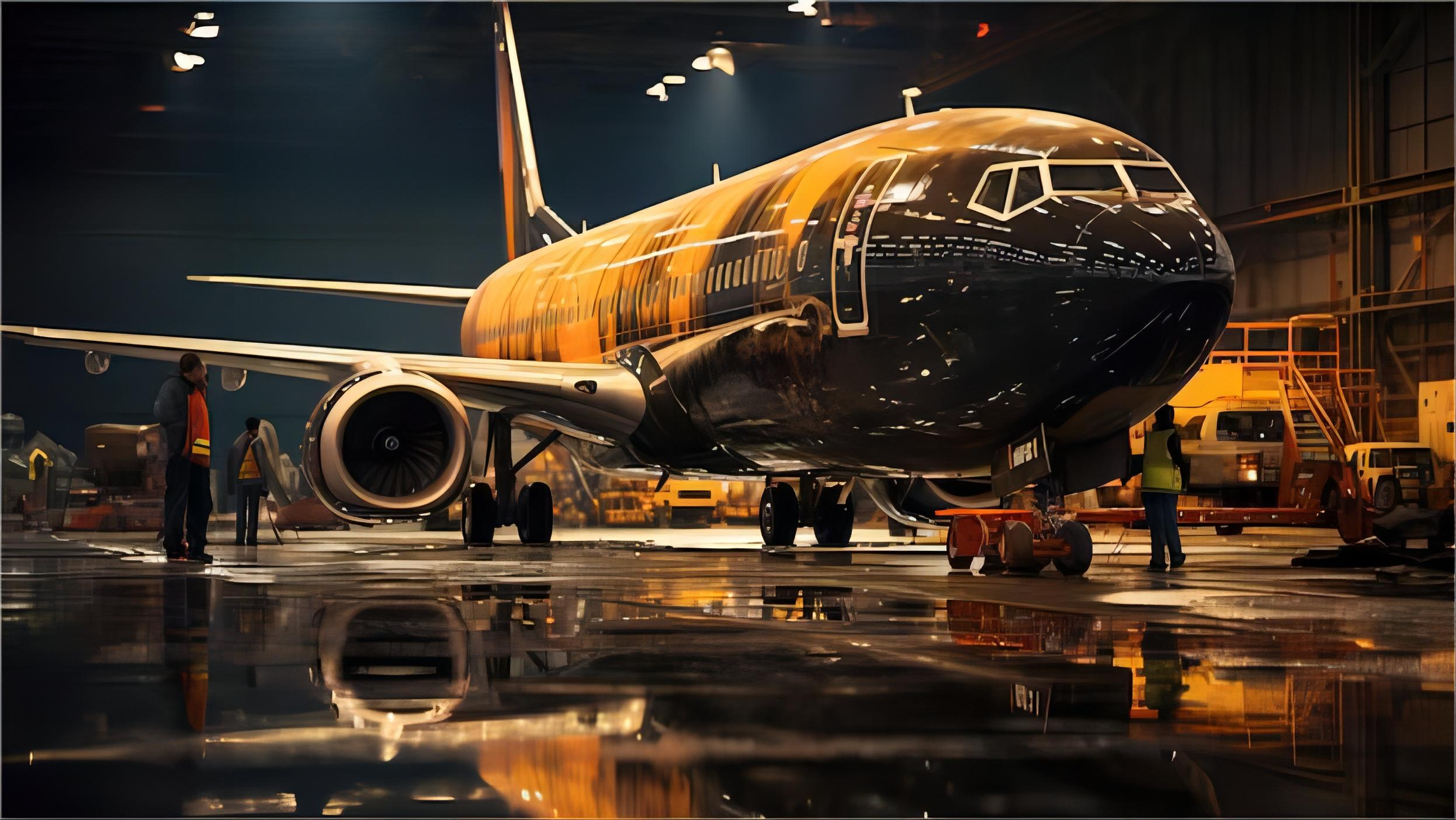
When time is the most critical factor, air freight stands out as the premier choice for international logistics. This method is particularly popular for the electronics, fashion, and pharmaceutical industries where product lifecycles are short. Indeed, the ability to move goods from Shenzhen to Milan in less than a week can be a game-changer for seasonal product launches.
Additionally, air transport offers higher levels of security and reduced risk of theft or damage during transit. For example, high-end Italian boutiques often rely on air cargo to receive the latest collections from Chinese manufacturers without delay. Furthermore, the simplified handling processes at airports often lead to faster customs clearance compared to congested maritime ports.
To clarify, while the costs are higher, the reduction in inventory carrying costs can sometimes offset the premium paid for air transport. Therefore, businesses should evaluate the total landed cost rather than just the base freight rate when choosing this shipping mode.
Rail Freight: The Middle Ground for Eurasian Trade
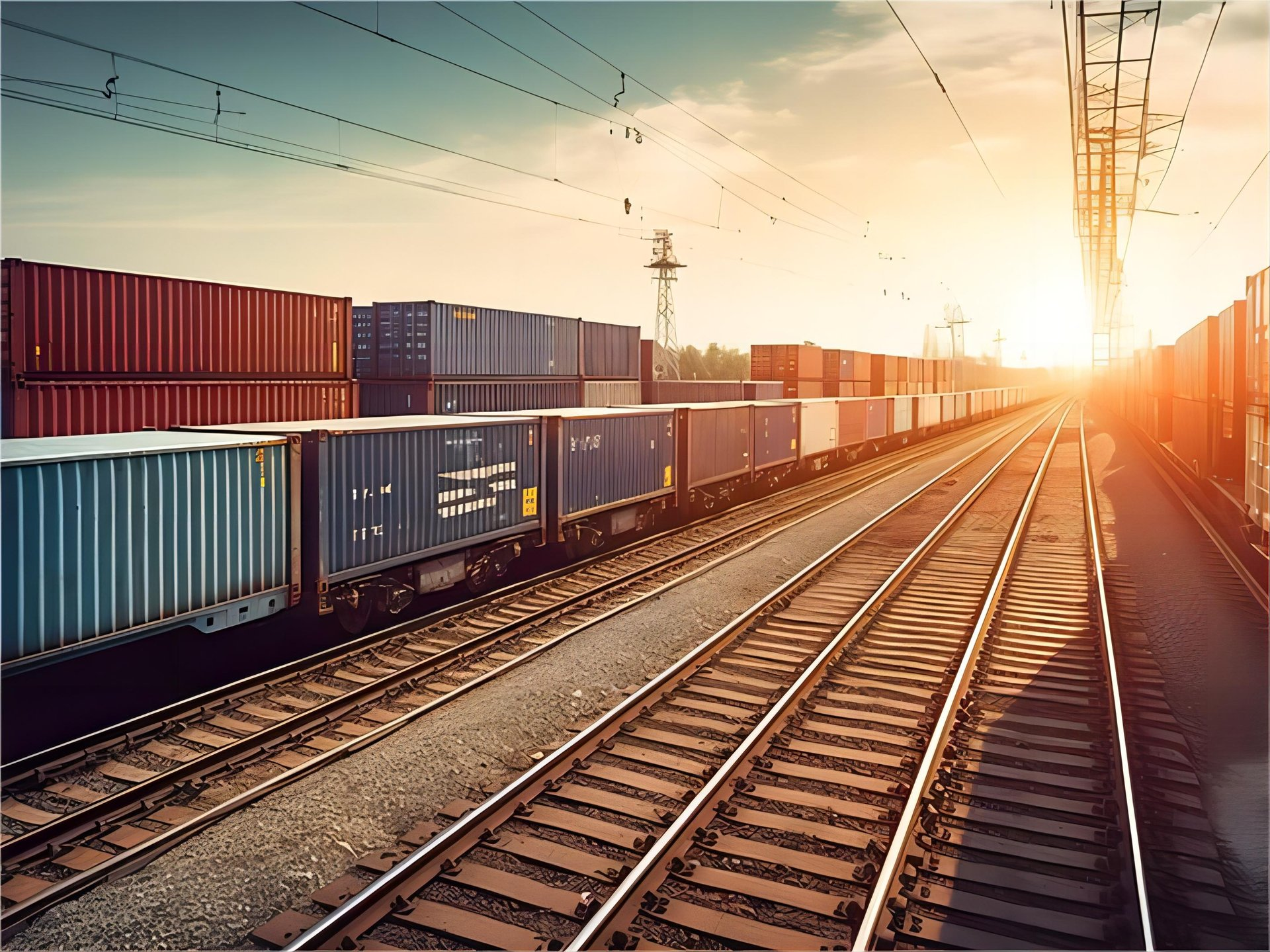
Over the last decade, rail freight has emerged as a viable alternative for those seeking a balance between cost and speed. The Iron Silk Road connects major Chinese industrial cities directly to European rail hubs, offering a transit time of approximately 20 days. Consequently, it has become a favorite for automotive parts and industrial equipment manufacturers.
In addition, rail transport is generally more environmentally friendly than air freight and more reliable than sea freight during peak seasons. For instance, when sea ports face congestion, the rail network often remains a stable corridor for moving goods into Northern Italy. However, capacity on these trains can fill up quickly, requiring bookings to be made well in advance.
Meanwhile, the integration of rail with truck services allows for efficient delivery to inland Italian cities like Verona or Bologna. Accordingly, this multi-modal approach ensures that your cargo reaches its destination efficiently without the need for multiple long-distance transfers.
Essential Customs Documentation and Compliance
Navigating the legal requirements of the Italian Customs Agency is a vital component of successful export logistics china to Italy. Every shipment must be accompanied by a comprehensive set of documents, including the commercial invoice, packing list, and bill of lading. Moreover, certain products may require specific certificates of origin or quality inspections to meet EU safety standards.
Subsequently, utilizing a professional customs brokerage service can prevent costly delays and fines at the border. These experts ensure that your goods are classified under the correct HS codes, which determines the applicable import duties and taxes. Indeed, even a minor error in documentation can lead to shipments being held at the port for weeks.
To assist with your preparation, we have compiled a checklist of the most common documents required for importing goods into Italy from China.
| Document Name | Purpose | Required By | Timing |
|---|---|---|---|
| Commercial Invoice | Valuation of goods | Customs | At departure |
| Packing List | Detail of contents | Carrier/Customs | At departure |
| Bill of Lading | Title of goods | Carrier | At departure |
| EORI Number | EU Trader ID | Italian Customs | Before arrival |
Real-World Case Studies in China-Italy Logistics
Examining real-world scenarios provides valuable context for understanding the practical application of different shipping strategies. Below are three cases based on typical market conditions and rates observed in early 2026.
Case Study 1: Furniture Export. Route: Shenzhen to Genoa. Cargo: High-end sofas, 65 CBM. Container: 40HQ. Shipping Details: Direct sea freight via major carrier. Cost Breakdown: Ocean Freight $3,850, Origin Charges $450, Destination Charges $600, Total Landed Cost $4,900. Timeline: 35 days door-to-door. Key Insight: FCL proved 20 percent cheaper than LCL for this volume.
Case Study 2: Electronics Components. Route: Shanghai to Milan. Cargo: Sensors and chips, 2 CBM, 450 kg. Shipping Method: Air Freight. Cost Breakdown: Air Freight $3,150, Customs Clearance $200, Local Delivery $150, Total $3,500. Timeline: 6 days. Key Insight: Speed was prioritized over cost to prevent a factory shutdown in Italy.
Case Study 3: Industrial Machinery. Route: Wuhan to Verona. Cargo: CNC parts, 12 CBM. Method: Rail Freight (LCL). Cost Breakdown: Rail Freight $2,400, Documentation $300, Insurance $150, Total $2,850. Timeline: 22 days. Key Insight: Rail provided a 40 percent time saving compared to sea freight at a moderate price increase.
Which Option Should You Choose? Decision Framework
Selecting the right method for your export logistics china to Italy depends on several factors, primarily budget and urgency. If your priority is keeping costs as low as possible and you have flexible deadlines, sea freight is the clear winner. However, if you are shipping high-value items with a shelf life, air freight becomes a necessity despite the higher expense.
For shipments that fall in the middle, rail freight offers a compelling compromise that balances speed and cost effectively. Additionally, you should consider using door to door services to simplify the process and reduce the number of parties involved. This approach often leads to better communication and fewer logistical bottlenecks.
Specifically, if your cargo volume is between 10 and 15 CBM, you should carefully compare the costs of a 20GP container versus LCL shipping. In many cases, the security and ease of FCL outweigh the small price difference at this volume threshold. Therefore, always request quotes for both options to make an informed decision.
Cost-Saving Strategies and Market Trends for 2026
Reducing your shipping expenses requires a proactive approach to supply chain management and staying informed about market trends. One effective strategy is to consolidate shipments from multiple suppliers into a single container to maximize space utilization. Furthermore, booking your shipments at least three to four weeks in advance can help you secure lower rates before peak season price hikes.
Another trend in 2026 is the use of data analytics to optimize routing and reduce fuel surcharges. By analyzing historical data, freight forwarders can identify the most efficient ports and carriers for specific types of cargo. Moreover, staying updated on Italian tax incentives for green logistics can provide additional financial benefits for your business.
Note: Freight rates are subject to change based on fuel costs, carrier capacity, and seasonal demand. Contact us for a current quote tailored to your specific shipment. Market data suggests that rates typically increase 15-25 percent during the August to October peak season, so plan accordingly.
Optimizing Your China to Italy Logistics Strategy
Mastering export logistics china to Italy is an ongoing process that requires constant adaptation to market changes and regulatory updates. Whether you choose the cost-efficiency of sea freight, the speed of air cargo, or the balance of rail transport, success depends on meticulous planning. By focusing on accurate documentation and choosing the right shipping partners, you can significantly reduce risks and costs.
To summarize, the 2026 logistics landscape offers more choices and better technology than ever before for Italian importers. Leveraging these tools while maintaining a flexible approach will allow your business to thrive in the competitive European market. Remember that the cheapest option is not always the most efficient when considering the total impact on your supply chain.
Indeed, the right export logistics china to Italy strategy will provide your business with the reliability needed to grow and succeed internationally.
Get Your Shipping Quote Today
Streamline your supply chain today by choosing the experts in export logistics china to Italy. Our team provides tailored solutions that ensure your cargo arrives safely and on schedule. Contact Top China Logistics now to request a competitive quote and experience seamless international shipping. Visit our website to learn more and start your inquiry.
Request Quote