


Door to Door Shipping China to USA: 2026 Costs and Transit Guide
Door to door shipping China to USA represents the most efficient way to manage international trade in 2026. By partnering with Top China Logistics, businesses can streamline their entire supply chain from the factory floor to the final destination. This comprehensive service handles every logistical hurdle, including pickup, international transport, and local delivery. Consequently, importers can focus on their core business while experts manage the complexities of global freight.

What is Door to Door Shipping China to USA?
Door to door shipping is a complete logistics solution where the freight forwarder manages the entire process. Specifically, the provider picks up the goods from the supplier in China and delivers them directly to the buyer’s address in the USA. This method eliminates the need for the importer to coordinate with multiple carriers or agents.
Moreover, this service typically includes customs clearance, documentation, and inland transportation. Most businesses prefer this model because it reduces the risk of communication errors between different logistics segments. Therefore, it serves as a hands-off approach for companies looking to simplify their import operations.
Importers often choose between DDU (Delivered Duty Unpaid) and DDP (Delivered Duty Paid) terms. In a DDP arrangement, the forwarder handles all taxes and duties, providing a truly seamless experience. In contrast, DDU requires the recipient to pay duties upon arrival, which can sometimes lead to delivery delays.
Utilizing Amazon FBA logistics is a common subset of this service. Sellers frequently use door to door solutions to move inventory from Chinese factories directly to American fulfillment centers. Consequently, the speed and reliability of this method are vital for maintaining high seller ratings and inventory levels.
Why Choose Door to Door Shipping China to USA?
Efficiency stands as the primary reason for selecting this comprehensive logistics model. Instead of managing separate contracts for trucking, ocean freight, and last-mile delivery, you deal with a single point of contact. Furthermore, this centralization leads to better tracking visibility throughout the entire journey.
Cost predictability is another significant advantage for growing businesses in 2026. Many forwarders provide all-in quotes that cover every expense from origin to destination. As a result, companies can calculate their landed costs accurately and set competitive retail prices without fear of hidden fees.
Security of cargo is enhanced when a single provider oversees the entire movement. Because there are fewer handovers between different companies, the risk of damage or loss during transit decreases. Additionally, professional logistics providers use advanced tracking technology to monitor cargo status in real-time.
Time savings are substantial when compared to managing each leg of the journey independently. Professional forwarders have established relationships with carriers and customs officials, allowing them to bypass common bottlenecks. Ultimately, this leads to a more reliable delivery schedule for your customers.
Sea Freight vs Air Freight: Which Method Fits Your Needs?
Selecting the right transportation mode depends heavily on your budget and timeline requirements. Sea freight remains the most economical choice for large volumes or heavy cargo. However, it requires significant lead time as transit can take several weeks.
In contrast, air freight offers the fastest delivery speeds for urgent shipments. While the cost per kilogram is much higher, the reduced transit time can be critical for high-value electronics or seasonal fashion items. Moreover, air transport provides higher security and lower insurance premiums.
Shipping rates in early 2026 have shown relative stability compared to previous years. Nevertheless, peak seasons still cause fluctuations in both price and available capacity. Importers should plan their schedules at least two months in advance to secure the best possible rates.
Below is a comparison of the primary shipping methods used for the China to USA route.
| Method | Transit Time | Cost Level | Best For |
|---|---|---|---|
| Express | 3-5 Days | Very High | Samples and small parcels |
| Air Freight | 7-10 Days | High | High-value or urgent goods |
| Sea Freight (Fast) | 15-22 Days | Medium | E-commerce inventory |
| Sea Freight (Standard) | 30-45 Days | Low | Bulk commodities and FCL |

Understanding 2026 Shipping Costs and Transit Times
Freight rates in 2026 are influenced by fuel surcharges, port congestion levels, and seasonal demand. For a standard 40HQ container from Shanghai to Los Angeles, rates currently range between $2,800 and $3,800. Meanwhile, shipping to the East Coast via the Panama Canal typically costs between $4,500 and $6,000.
LCL (Less than Container Load) shipments are priced per cubic meter, making them ideal for smaller volumes. Typically, these rates hover around $50 to $85 per CBM depending on the specific destination. Additionally, inland trucking costs in the USA have increased, affecting the final door-to-door price.
Transit times vary significantly based on the destination port and the chosen carrier service. Shipments to the West Coast are the fastest, often arriving at the port within 14 to 18 days. Conversely, shipping to New York or Savannah can take 30 to 35 days due to the longer sea route.
Note: Freight rates are subject to change based on fuel costs, carrier capacity, and seasonal demand. Contact us for a current quote tailored to your specific shipment.
Essential Documentation for Customs Clearance
Navigating the legal requirements of international trade requires precise and accurate documentation. A professional customs brokerage service is essential for avoiding costly delays at the border. Without the correct paperwork, your cargo could be held indefinitely by U.S. Customs and Border Protection.
Commercial invoices must clearly state the value, description, and country of origin for all items. Furthermore, the packing list should detail the weight, dimensions, and contents of every individual carton. Errors in these documents are the leading cause of customs inspections and additional storage fees.
Bills of Lading serve as both a receipt for the goods and a contract for their carriage. In 2026, many carriers have transitioned to electronic Bills of Lading to speed up the release process. Consequently, digital integration has become a standard requirement for modern door-to-door logistics providers.
Importers must also ensure they have a valid Customs Bond in place before the shipment arrives. This bond guarantees that all duties and taxes will be paid to the government. Additionally, certain products may require specialized permits from agencies like the FDA or EPA.
Real-World Case Studies for 2026 Shipments
Case Study 1: West Coast Efficiency. Route: Ningbo, China to Los Angeles, USA. Cargo: Consumer Electronics, 68 CBM, 12,000 kg. Container: 40HQ. Shipping Method: Sea Freight (Matson). Ocean Freight: $3,200. Origin Charges: $450. Destination Charges: $600. Customs and Duties: $4,200. Total Landed Cost: $8,450. Timeline: 18 days door-to-door. Key Insight: Using a premium sea service saved 15 days compared to standard ocean freight.
Case Study 2: East Coast Bulk. Route: Shenzhen, China to New York, USA. Cargo: Home Furniture, 25 CBM, 4,500 kg. Container: LCL. Shipping Method: Standard Sea Freight. Ocean Freight: $1,625. Origin Charges: $300. Destination Charges: $850. Customs and Duties: $1,200. Total Landed Cost: $3,975. Timeline: 38 days door-to-door. Key Insight: Consolidating LCL cargo reduced costs by 40 percent compared to air freight.
Case Study 3: Urgent Inventory Replenishment. Route: Shanghai, China to Chicago, USA. Cargo: Fashion Apparel, 2 CBM, 400 kg. Shipping Method: Air Freight. Air Freight Cost: $1,800. Origin Charges: $150. Destination Charges: $250. Customs and Duties: $600. Total Landed Cost: $2,800. Timeline: 8 days door-to-door. Key Insight: Air freight prevented a stock-out during the Q1 2026 peak shopping season.
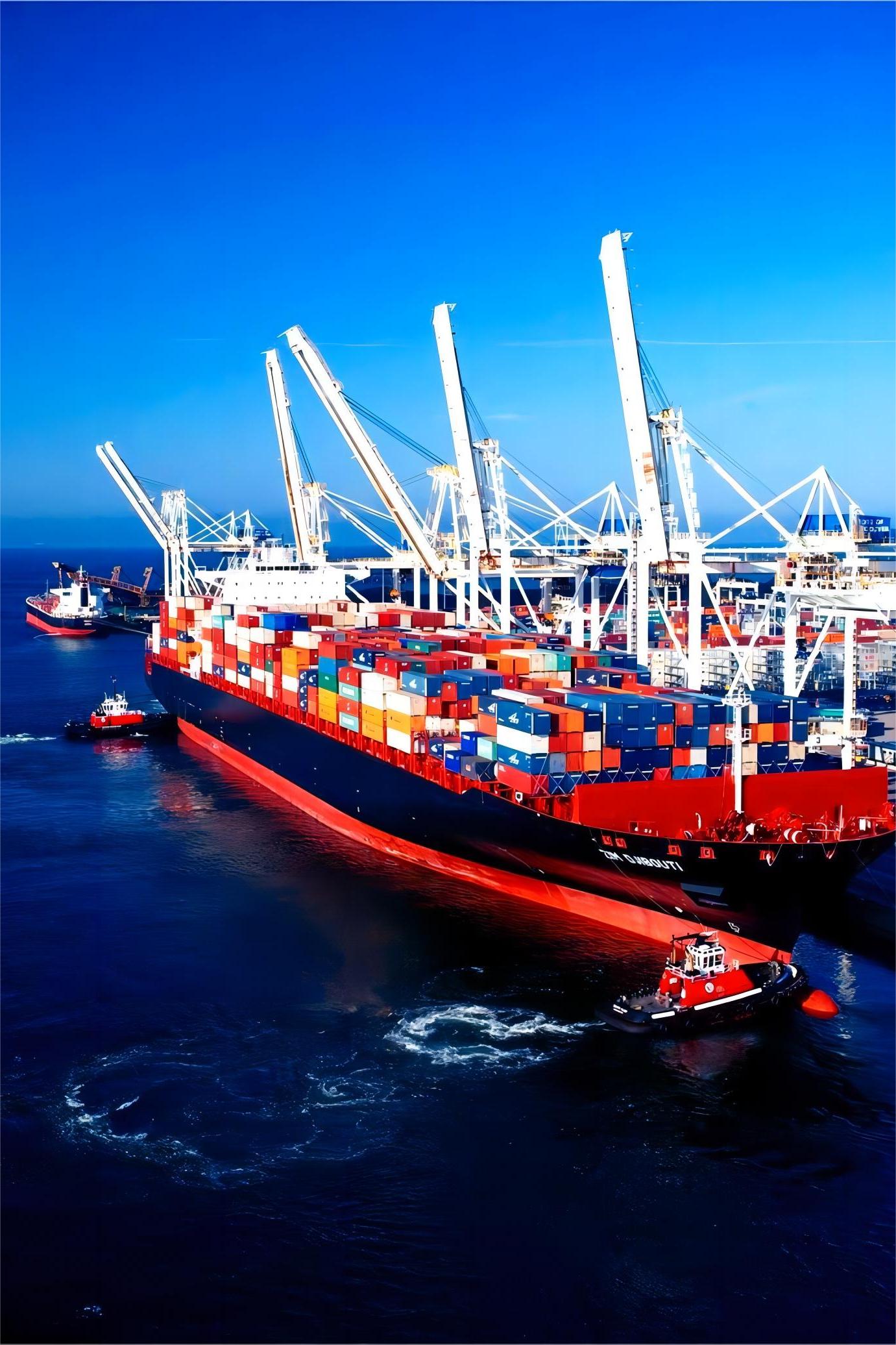
How Does Sea Freight Compare to Other Shipping Options?
Objective analysis of your shipping options is necessary to maintain a healthy profit margin. While door to door sea freight is the standard, hybrid solutions are gaining popularity. For instance, sea-air combinations involve shipping by sea to a hub like Dubai or Korea, then flying the goods to the USA.
Rail freight is a major alternative for China-Europe routes, but it is not a viable option for China-USA trade due to geography. Therefore, American importers must choose between ocean, air, or express courier services. Each method presents a unique balance of cost, speed, and reliability.
Direct shipping routes generally cost 10 to 15 percent more than transshipment options. However, they save approximately 5 to 7 days in transit and reduce the risk of cargo being mishandled at intermediate ports. Many businesses find the extra cost worthwhile to ensure a faster delivery schedule.
The following table provides a comprehensive look at how different strategies compare in the 2026 market.
| Shipping Method | Cost Range | Transit Time | Limitations |
|---|---|---|---|
| Direct Sea FCL | $3,000 – $5,500 | 14-30 Days | Requires full container volume |
| Standard Sea LCL | $50 – $90 / CBM | 30-45 Days | Higher risk of cargo damage |
| Standard Air | $4.50 – $7.00/kg | 7-12 Days | Strict weight/size limits |
| Express Courier | $8.00 – $12.00/kg | 3-5 Days | Extremely expensive for bulk |
Decision Framework: Choosing Your Shipping Strategy
Budget priority should lead you toward standard sea freight options, especially for non-urgent inventory. If your shipment is under 15 CBM, LCL is typically the most economical choice. For larger volumes, a 20GP or 40HQ container will offer a lower cost per unit.
Speed priority requires the use of air freight or premium sea services like Matson. These options are best for high-demand products where the cost of being out of stock exceeds the shipping premium. Always factor in at least 3 days for customs clearance and local trucking at the destination.
Cargo type considerations also play a vital role in your final decision. Fragile or perishable goods often necessitate air transport to minimize handling and transit time. Conversely, heavy machinery or raw materials are almost exclusively shipped via ocean freight due to weight restrictions on aircraft.
Volume thresholds often dictate when you should switch from one method to another. Once your LCL shipment exceeds 15 CBM, it often becomes cheaper to book a full 20GP container. Monitoring these thresholds closely can save your business thousands of dollars in annual logistics expenses.
Final Thoughts on Door to Door Logistics
Successfully managing door to door shipping China to USA requires a combination of strategic planning and expert execution. By understanding the nuances of 2026 freight rates and transit times, you can make informed decisions that support your business growth. Whether you choose sea freight for its cost-effectiveness or air freight for its speed, the key is consistency.
Partnering with a dedicated logistics provider ensures that your cargo is handled with care from start to finish. This approach not only saves time but also reduces the stress associated with international customs and documentation. Ultimately, a well-executed door to door strategy is a competitive advantage in the modern global marketplace.

Need a tailored shipping solution?
Ready to optimize your supply chain with reliable door to door shipping China to USA? Contact our expert team today for a customized quote that meets your specific budget and timeline. Visit our inquiry page to get started with a professional logistics assessment for your next shipment.