

Door to Door Shipping China to Japan: 2026 Expert Logistics Guide
Navigating international trade requires precision and a reliable logistics partner to ensure your goods arrive safely. Top China Logistics provides seamless door to door shipping china to Japan for businesses of all sizes and industries. Consequently, importers can focus on their core operations while we handle every complex detail of the transit process from the factory floor to the final destination.
What is Door to Door Shipping China to Japan?
Door to door logistics represents the most comprehensive service level available in the modern shipping industry. Specifically, this method involves the freight forwarder taking full responsibility for the cargo from the moment it leaves the supplier in China until it reaches the buyer in Japan. This streamlined approach eliminates the need for importers to manage multiple intermediaries or coordinate separate transport legs.
Importers often prefer door to door shipping because it simplifies the supply chain and reduces the risk of communication errors. Furthermore, this service typically includes inland trucking, export documentation, international transit, and final mile delivery. By consolidating these steps, businesses can achieve better visibility and more predictable delivery schedules across the East China Sea.
Choosing this service level ensures that professional handlers manage every transition point between different transport modes. Indeed, the integration of services allows for faster troubleshooting if delays occur at major hubs like Shanghai or Tokyo. Consequently, the overall transit experience becomes significantly more efficient for both small e-commerce sellers and large industrial manufacturers.
How Does Door to Door Shipping Compare to Other Shipping Options?
Comparing various transport methods is essential for optimizing your logistics budget and meeting customer expectations in 2026. While some businesses prioritize cost, others require the extreme speed of air transport to maintain inventory levels. Therefore, understanding the trade-offs between sea, air, and express services is the first step toward a successful shipping strategy.
Sea freight remains the backbone of trade between these two nations due to its high capacity and low cost per unit. However, air freight offers a vital alternative for high-value electronics or seasonal fashion items that cannot afford long lead times. Additionally, express services provide a premium solution for small parcels that require immediate customs clearance and rapid delivery.
Market intelligence from early 2026 suggests that sea-air hybrid solutions are also gaining traction for shipments originating in inland Chinese provinces. Nevertheless, the direct door-to-door model remains the most popular choice for its simplicity and comprehensive coverage. Importers should evaluate their specific volume and urgency before committing to a particular method.
| Shipping Method | Cost Range | Transit Time | Best For |
|---|---|---|---|
| Sea Freight (FCL) | Low ($800-$1,200) | 8-12 Days | Bulk & Heavy Goods |
| Sea Freight (LCL) | Medium ($50-$120/CBM) | 10-15 Days | Small-Medium Cargo |
| Air Freight | High ($3.50-$6.00/kg) | 1-3 Days | Urgent & High-Value |
| Express Service | Premium ($6.00-$9.00/kg) | 2-4 Days | E-commerce & Samples |
Choosing Between FCL and LCL for Japan Shipping
Importers must decide between Full Container Load (FCL) and Less than Container Load (LCL) when utilizing sea freight services. Specifically, FCL is ideal for those who have enough cargo to fill a 20-foot or 40-foot container, offering maximum security and faster handling. Because the container is dedicated to one shipper, there is no need to wait for other goods to be consolidated at the port of loading.
LCL shipping serves as a cost-effective alternative for smaller shipments that do not justify the price of a full container. In this scenario, multiple shippers share space within a single container, and costs are calculated based on the volume in cubic meters. Moreover, LCL allows small businesses to maintain a steady flow of inventory without the financial burden of large-scale bulk orders.
Regardless of the chosen method, both options benefit from the robust maritime infrastructure connecting ports like Ningbo and Yokohama. Currently, in 2026, many logistics providers offer specialized LCL services with guaranteed weekly departures to minimize waiting times. Consequently, even small-scale importers can enjoy the reliability typically reserved for major corporations.
Air Freight: The Fastest Route to Tokyo and Osaka
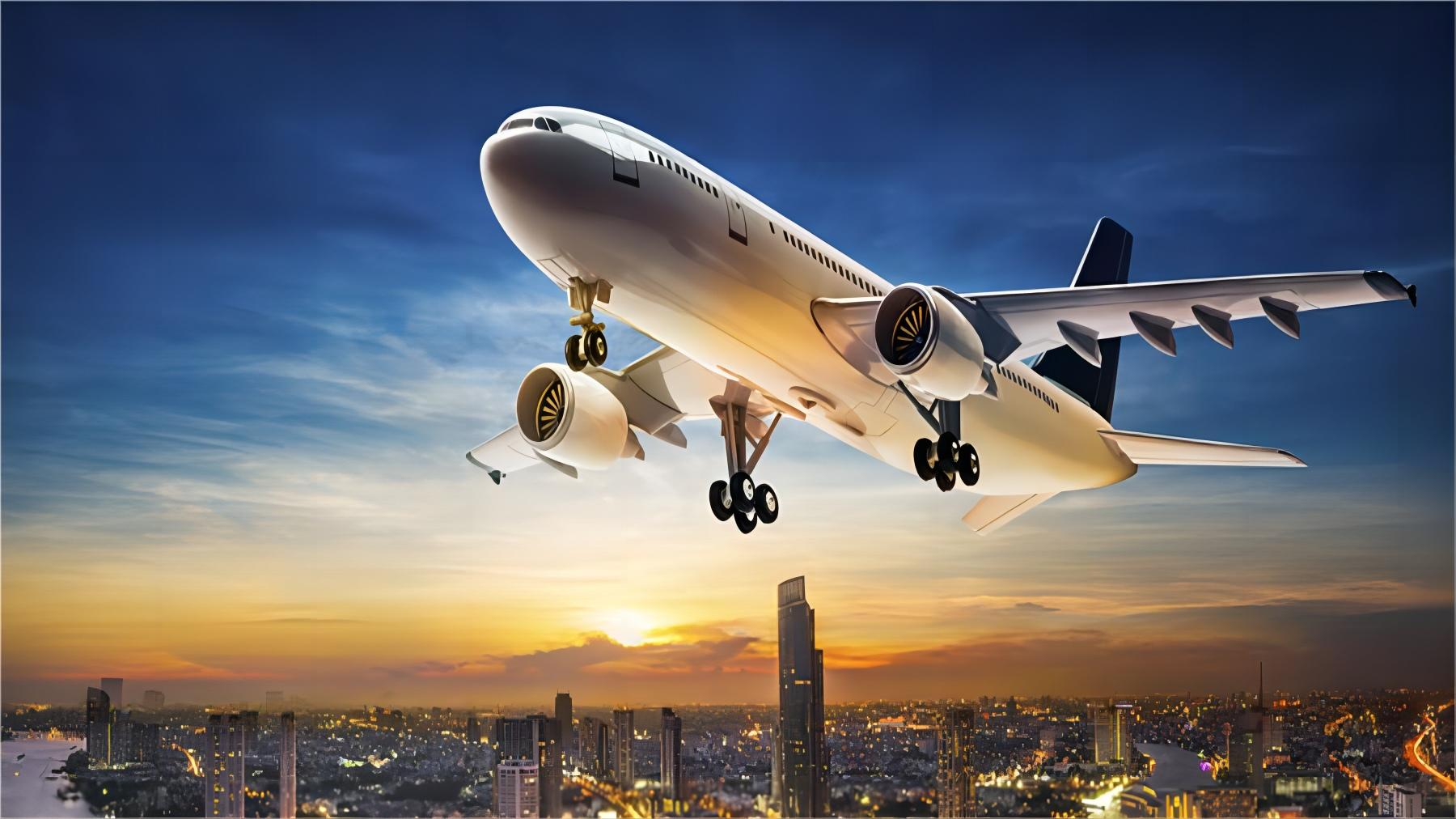
High-speed logistics are often necessary for time-sensitive cargo or high-demand product launches in the Japanese market. Utilizing air freight can reduce the transit time from China to Japan to as little as 24 hours in some cases. Specifically, direct flights from major hubs like Shenzhen (SZX) and Guangzhou (CAN) reach Narita (NRT) or Kansai (KIX) airports daily.
When speed is the primary objective, air transport bypasses the potential congestion found at major seaports. Furthermore, the reduced handling and shorter transit times significantly lower the risk of damage or theft for sensitive items. Consequently, many tech companies and medical suppliers rely on this method to ensure their supply chains remain agile and responsive to market shifts.
Indeed, while the cost per kilogram is higher than sea transport, the reduction in inventory holding costs can offset the initial investment. Importers should also consider that air cargo involves stricter safety regulations regarding batteries and liquids. Therefore, working with an experienced forwarder is crucial to ensure all hazardous materials documentation meets international aviation standards.
Navigating Japan Import Customs Clearance and Documentation
Documentation accuracy is the most critical factor in avoiding delays during the Japanese customs process. A professional customs brokerage service ensures that all commercial invoices, packing lists, and certificates of origin comply with Japan Customs requirements. Specifically, the Japanese authorities are known for their meticulous attention to detail and strict adherence to import regulations.
Japan utilizes the Harmonized System (HS) for tariff classification, which determines the applicable duties and consumption taxes for each shipment. Furthermore, certain products such as food items, chemicals, and cosmetics may require additional permits from the Ministry of Health, Labour and Welfare. Consequently, preparing these documents well in advance of the ship’s arrival is essential for a smooth door-to-door experience.
Importers must also account for the Japanese Consumption Tax (JCT), which is generally applied to all imported goods. Notably, as of 2026, digital filing systems have further streamlined the clearance process for authorized economic operators. Nevertheless, any discrepancy in the declared value or product description can lead to intensive inspections and significant storage fees at the port.
| Document Name | Required For | Issuer | Purpose |
|---|---|---|---|
| Commercial Invoice | All Shipments | Supplier | Value Declaration |
| Packing List | All Shipments | Supplier | Content Verification |
| Bill of Lading | Sea Freight | Carrier | Title of Goods |
| Certificate of Origin | Preferential Tariffs | Chamber of Commerce | Duty Reduction |
Understanding Shipping Costs from China to Japan in 2026
Cost structures for international shipping are influenced by several variables including fuel surcharges, seasonal demand, and carrier capacity. Specifically, door-to-door rates include not only the ocean or air freight but also the local trucking fees in both China and Japan. Importers should request a detailed breakdown to understand exactly how their total landed cost is calculated.
Market data from early 2026 indicates that freight rates have stabilized compared to the volatility seen in previous years. However, peak seasons such as the period leading up to the Lunar New Year or the Japanese Golden Week can still see price spikes of 15-20%. Therefore, booking your shipments at least two weeks in advance is highly recommended to secure the best possible rates.
Additionally, the distance from the port to the final delivery address in Japan significantly impacts the final price. While deliveries within the Greater Tokyo Area are relatively inexpensive, shipping to remote regions like Hokkaido or Okinawa involves higher inland transport costs. Consequently, businesses should factor these regional differences into their overall pricing strategy for the Japanese market.
Real-World Case Studies: Successful Door to Door Deliveries
Successful logistics operations provide valuable insights into the practical challenges and solutions of the China-Japan trade route. By examining real scenarios, importers can better understand what to expect in terms of timelines, costs, and procedural requirements. These cases reflect typical shipments handled during the 2025-2026 period.
Our first example involves a high-volume shipment of consumer electronics from the manufacturing hub of Shenzhen to a distribution center in Tokyo. This case highlights the efficiency of the express service for mid-sized cargo that requires rapid market entry. The second case demonstrates the cost-effectiveness of FCL for industrial machinery moving from Shanghai to Yokohama.
Specifically, these case studies illustrate how choosing the right transport mode and route can lead to significant savings in both time and money. Importers should note that these figures are based on 2026 market averages and may vary depending on specific cargo requirements. Always consult with a logistics expert for a tailored quote.
Case Study 1: Electronics from Shenzhen to Tokyo
+———————————————————+
| Route: Shenzhen, China -> Tokyo, Japan
| Cargo: Consumer Electronics, 4 CBM, 850 kg
| Container: LCL (Less than Container Load)
|
| Shipping Details:
| – Carrier: COSCO Shipping
| – Port of Loading: Shenzhen (Yantian)
| – Port of Discharge: Tokyo
| – Route Type: Direct
|
| Cost Breakdown:
| – Ocean Freight: $320
| – Origin Charges: $140
| – Destination Charges: $190
| – Customs & Duties: $110
| – Total Landed Cost: $760
|
| Timeline:
| – Booking to Loading: 3 days
| – Sea Transit: 6 days
| – Customs Clearance: 1 day
| – Total Door-to-Door: 10 days
|
| Key Insight: Direct sailing from Yantian reduced transit time by 2 days compared to transshipment.
+———————————————————+
Case Study 2: Machinery from Shanghai to Yokohama
+———————————————————+
| Route: Shanghai, China -> Yokohama, Japan
| Cargo: Industrial Parts, 28 CBM, 12,000 kg
| Container: 20GP (Full Container Load)
|
| Shipping Details:
| – Carrier: Ocean Network Express (ONE)
| – Port of Loading: Shanghai (Waigaoqiao)
| – Port of Discharge: Yokohama
| – Route Type: Direct
|
| Cost Breakdown:
| – Ocean Freight: $950
| – Origin Charges: $210
| – Destination Charges: $280
| – Customs & Duties: $450
| – Total Landed Cost: $1,890
|
| Timeline:
| – Booking to Loading: 4 days
| – Sea Transit: 4 days
| – Customs Clearance: 2 days
| – Total Door-to-Door: 10 days
|
| Key Insight: FCL provided better cargo protection for heavy machinery at a lower unit cost.
+———————————————————+
Which Shipping Option Should You Choose?
Selecting the optimal shipping strategy requires a careful balance of budget, speed, and cargo characteristics. If your primary goal is to minimize expenditure on large volumes, sea freight FCL is undoubtedly the superior choice. Conversely, for shipments under 15 CBM, LCL offers a flexible way to manage smaller batches without paying for empty container space.
Speed priority dictates a shift toward air freight or express delivery services, especially for perishable or high-value goods. Specifically, if your cargo must arrive in Japan within 72 hours, air transport is the only viable solution despite the higher price point. However, for most general merchandise, the 8-12 day transit time of sea freight provides the best value for money.
Cargo type also plays a significant role in the decision-making process. For example, hazardous materials or extremely heavy items may be restricted on certain aircraft, making sea freight the mandatory option. Professional logistics consultants can provide a comprehensive analysis of these factors to help you make an informed choice for your specific business needs.
Final Thoughts on Japan Logistics
Mastering door to door shipping china to Japan is essential for any business looking to succeed in the competitive East Asian market. By understanding the nuances of different transport modes and the complexities of Japanese customs, importers can build a more resilient and efficient supply chain. Furthermore, partnering with an experienced freight forwarder ensures that your cargo is handled with the highest level of professional care.
Indeed, the logistics landscape of 2026 offers more transparency and speed than ever before. Whether you are shipping small LCL parcels or large FCL containers, the key to success lies in meticulous planning and clear communication. Start optimizing your shipping routes today to ensure your products reach Japanese consumers quickly and cost-effectively.
Note: Freight rates are subject to change based on fuel costs, carrier capacity, and seasonal demand. Contact us for a current quote tailored to your specific shipment.
Need a tailored shipping solution?
Streamline your supply chain today with professional door to door shipping china to Japan. Contact our expert team at Top China Logistics to receive a customized quote and optimize your international transit strategy for 2026. Send Inquiry: https://topchinalogistics.com/