

Door to Door Shipping China to Canada: 2026 Logistics Guide
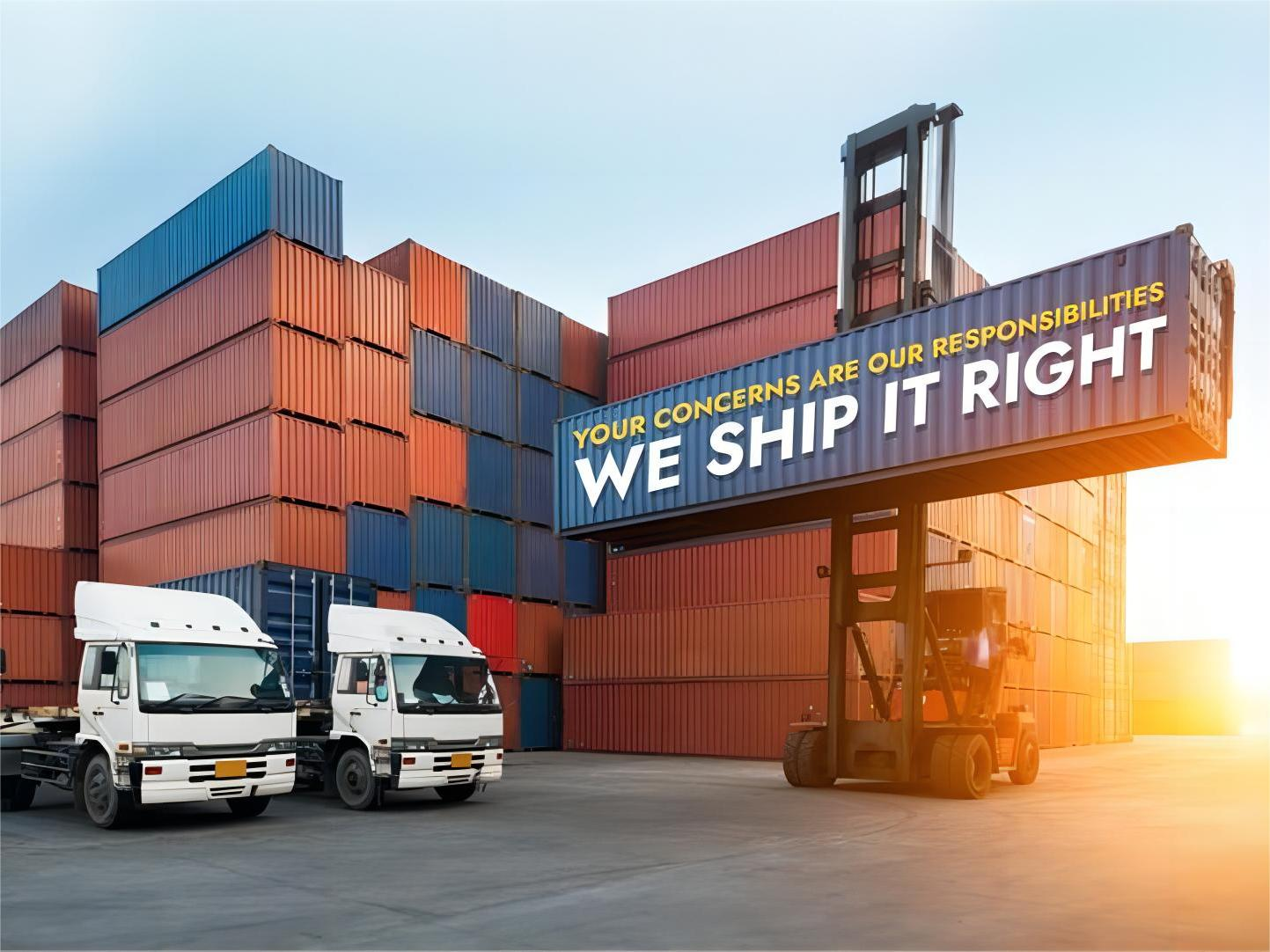
Navigating the complexities of international trade requires a reliable partner to manage your supply chain from factory floor to front door. For businesses looking for door to door shipping china to Canada, the landscape in 2026 offers more transparency and efficiency than ever before. This guide explores how Top China Logistics simplifies the import process by handling every logistical hurdle on your behalf. Consequently, you can focus on scaling your business while we manage the intricate details of global cargo movement.
What is Door to Door Shipping China to Canada?
Door to door shipping represents the most convenient logistics solution for modern importers because it encompasses the entire journey of your goods. Specifically, the freight forwarder picks up the cargo from the manufacturer in China and delivers it directly to your specified address in Canada. This service eliminates the need for you to coordinate with multiple carriers, warehouses, or local delivery teams.
Moreover, this comprehensive model typically includes customs clearance, documentation handling, and payment of duties. Many businesses prefer this method to avoid the headache of managing separate legs of the journey. Furthermore, it provides a single point of accountability, which is essential for maintaining a resilient supply chain in today’s volatile market.
Ultimately, choosing a full-service provider ensures that your inventory moves seamlessly across borders without unexpected delays. Whether you are shipping small parcels or full containers, this integrated approach streamlines your operations significantly. By utilizing a professional door to door service, you minimize the risk of communication gaps between different logistics providers.
Primary Shipping Methods for the China-Canada Route
Selecting the right transportation mode depends heavily on your budget, cargo volume, and urgency. For large-scale shipments, sea freight remains the most cost-effective option for Canadian businesses. Most ocean cargo arrives via major hubs like the Port of Vancouver or the Port of Prince Rupert before moving inland by rail.
In contrast, air freight provides the speed necessary for high-value or time-sensitive products. While air transport is more expensive, it reduces transit times from weeks to mere days. This method is particularly beneficial for electronics, fashion items, or seasonal goods that require rapid market entry.
Additionally, many importers now utilize express service for smaller shipments under 100 kilograms. These courier services offer the fastest door-to-door experience with simplified customs processes. Consequently, businesses can maintain leaner inventory levels by relying on frequent, smaller shipments from Chinese suppliers.
| Shipping Method | Cost Range | Transit Time | Best For |
|---|---|---|---|
| Sea Freight (FCL) | $2,800 – $4,500 | 25 – 40 Days | Large volumes / Bulk |
| Air Freight | $5.50 – $9.00/kg | 5 – 8 Days | Urgent / High-value |
| Express Courier | $8.00 – $12.00/kg | 3 – 5 Days | Small parcels / Samples |
| Sea-Air Hybrid | $3.50 – $5.00/kg | 15 – 20 Days | Balanced cost/speed |
How Does Door to Door Compare to Other Shipping Options?
Understanding the differences between shipping terms like FOB, CIF, and DDP is crucial for calculating your total landed cost. While FOB requires you to manage the shipment once it leaves the Chinese port, door-to-door services often operate under DDP (Delivered Duty Paid) terms. This means the seller or forwarder handles everything, including Canadian taxes and import fees.
On the other hand, port-to-port shipping might appear cheaper initially but often hides secondary costs like terminal handling charges and local trucking. Consequently, many first-time importers find themselves overwhelmed by the logistical requirements of clearing customs at the border. Door-to-door solutions provide a fixed price that covers these variables, offering better budget predictability.
Furthermore, hybrid solutions like sea-air combinations are gaining popularity in 2026 as a middle ground. These routes often involve shipping by sea to a hub like Dubai or Singapore and then flying the cargo to Canada. This strategy saves about 40% in costs compared to pure air freight while being twice as fast as ocean transit.
| Method | Complexity | Cost Control | Risk Level |
|---|---|---|---|
| Door to Door | Very Low | High (Fixed) | Low |
| Port to Port | High | Variable | Medium |
| FOB / EXW | Very High | Difficult | High |
Navigating Customs and Documentation in 2026
Effective customs brokerage is the backbone of any successful door-to-door operation. The Canada Border Services Agency (CBSA) requires precise documentation, including commercial invoices, packing lists, and certificates of origin. Errors in these documents can lead to costly storage fees or shipment seizures at the border.
Moreover, the implementation of the CARM (CBSA Assessment and Revenue Management) system has changed how duties are collected. Importers must now be registered within the CARM portal to ensure their shipments clear without delay. A professional logistics provider manages these digital filings on your behalf, ensuring compliance with the latest 2026 regulations.
Specifically, understanding the Harmonized System (HS) codes for your products is vital for accurate duty calculation. Incorrect classification is a leading cause of audits and penalties for Canadian businesses. Therefore, partnering with an expert who understands both Chinese export laws and Canadian import rules is a strategic necessity.
Shipping to Amazon FBA Canada from China
E-commerce sellers frequently require specialized Amazon FBA shipping services to meet strict delivery windows. Amazon has specific requirements for palletization, labeling, and scheduling that differ from standard commercial deliveries. Failure to meet these standards can result in rejected shipments at the fulfillment center.
In addition, door-to-door services for FBA often include prep work such as kitting, bundling, or re-labeling in transit warehouses. This ensures that your products are ready for immediate sale upon arrival at Amazon’s facilities in Vancouver, Toronto, or Calgary. Consequently, you reduce the time your capital is tied up in transit.
Furthermore, using a dedicated FBA forwarder allows for consolidated shipping, where multiple sellers share container space. This LCL (Less than Container Load) approach significantly lowers the cost per unit for smaller brands. As a result, even boutique businesses can compete effectively in the Canadian marketplace by leveraging professional logistics networks.
Which Shipping Option Should You Choose?
Choosing the ideal method depends on your specific business priorities and the nature of your goods. If your primary goal is cost reduction and you have a flexible timeline, sea freight is the logical choice. However, if you are launching a new product and need to catch a market trend, air freight justifies its higher price tag.
Budget priority: Recommend Sea Freight DDP for non-perishable goods with at least 45 days of lead time. Speed priority: Recommend Air Express for shipments under 300kg or Air Freight for larger urgent orders. Volume thresholds: For shipments over 15 CBM, a Full Container Load (FCL) 20GP container is often more economical than LCL.
Cargo type considerations: Hazardous materials or heavy machinery require specialized handling and may only be eligible for specific sea routes. Meanwhile, fragile electronics benefit from the reduced handling involved in air transport. Always consult with your logistics partner to determine the most secure route for your specific commodity.
Real Case Studies: Door to Door Success Stories
Case Study 1: Electronics Distribution to Toronto. A tech startup needed to move 500kg of smart home devices from Shenzhen to a warehouse in Toronto. They chose Air Freight DDP to ensure the products arrived before a major holiday sale. The total landed cost was $4,850, and the shipment arrived in just 7 days, allowing them to capture peak season demand.
Case Study 2: Furniture Retailer in Vancouver. A boutique furniture brand imported 12 CBM of handcrafted tables from Ningbo using Sea Freight LCL. By choosing a door-to-door service, they avoided the complexities of the Vancouver port congestion in late 2025. The shipment took 32 days from factory to warehouse, costing $2,100 including all local delivery fees.
Case Study 3: Industrial Parts to Montreal. A manufacturing firm required a 20GP container of specialized steel components from Shanghai. They utilized FCL sea freight with a direct route to the Port of Montreal. Despite a minor customs inspection, the door-to-door provider managed the documentation perfectly, and the cargo was delivered to the factory in 38 days at a total cost of $5,200.
Cost-Saving Strategies for 2026
Reducing your freight spend requires a proactive approach to supply chain management. One effective strategy is consolidating orders from multiple suppliers into a single shipment. This reduces the fixed costs associated with documentation and customs clearance for each individual package.
Additionally, optimizing your packaging can lead to significant savings, especially for air freight where dimensional weight is a factor. By reducing excess space in your boxes, you lower the billable weight of your shipment. Furthermore, booking your shipments at least 2-3 weeks in advance can help you secure lower rates before peak season surcharges take effect.
Consequently, staying informed about market trends allows you to time your imports during off-peak periods. Rates typically spike before the Lunar New Year and during the late summer months. Planning your inventory cycles around these predictable fluctuations can save your business thousands of dollars annually.
The Role of Technology in Modern Shipping
Digital transformation has revolutionized the door to door shipping china to Canada experience. Real-time tracking platforms now allow importers to see exactly where their cargo is located at any moment. This visibility is crucial for managing customer expectations and planning warehouse labor.
Moreover, AI-driven logistics platforms can now predict potential delays due to weather or port congestion. This allows forwarders to reroute shipments proactively, minimizing disruptions to your supply chain. In 2026, the integration of blockchain for documentation has also reduced the time spent on manual paperwork verification.
Ultimately, these technological advancements have made international shipping more accessible for small and medium-sized enterprises. You no longer need a massive logistics department to manage global imports. By choosing a tech-enabled partner, you gain access to sophisticated tools that were once reserved for Fortune 500 companies.
Why Choose Top China Logistics for Your Canadian Shipments?
Experience matters when navigating the unique challenges of the trans-pacific trade lane. Top China Logistics has spent years building relationships with major carriers and local trucking fleets across Canada. This network allows us to offer competitive rates and reliable space even during peak shipping seasons.
Furthermore, our team of experts understands the nuances of both the Chinese and Canadian markets. We speak the language of your suppliers and the regulations of your local border officials. This dual-market expertise ensures that your shipments move through the system without the friction often encountered by less experienced providers.
In addition, we offer tailored solutions that fit your specific business model. Whether you need white-glove delivery to a residential address or bulk unloading at a commercial dock, we have the infrastructure to support you. Our commitment to transparency means you will never face hidden fees or unexpected surcharges at the end of the journey.
Final Thoughts on Shipping from China to Canada
Mastering the art of door to door shipping china to Canada is a game-changer for any business involved in international trade. By understanding the various methods, costs, and regulatory requirements, you can build a more resilient and profitable supply chain. Remember that the cheapest option is not always the best value if it results in delays or damaged goods.
As we move through 2026, the importance of a professional logistics partner cannot be overstated. From managing CARM compliance to optimizing container space, the right forwarder adds value at every step. Invest in a door-to-door service today to simplify your operations and focus on what you do best: growing your business in the Canadian market.
Start Your Shipment
Ready to streamline your supply chain with reliable door to door shipping china to Canada? Contact Top China Logistics today for a customized quote and expert guidance on your next shipment. Our team is standing by to help you navigate the complexities of international trade and ensure your cargo arrives safely and on time. Visit our website to learn more or send an inquiry to get started.
Request Quote