

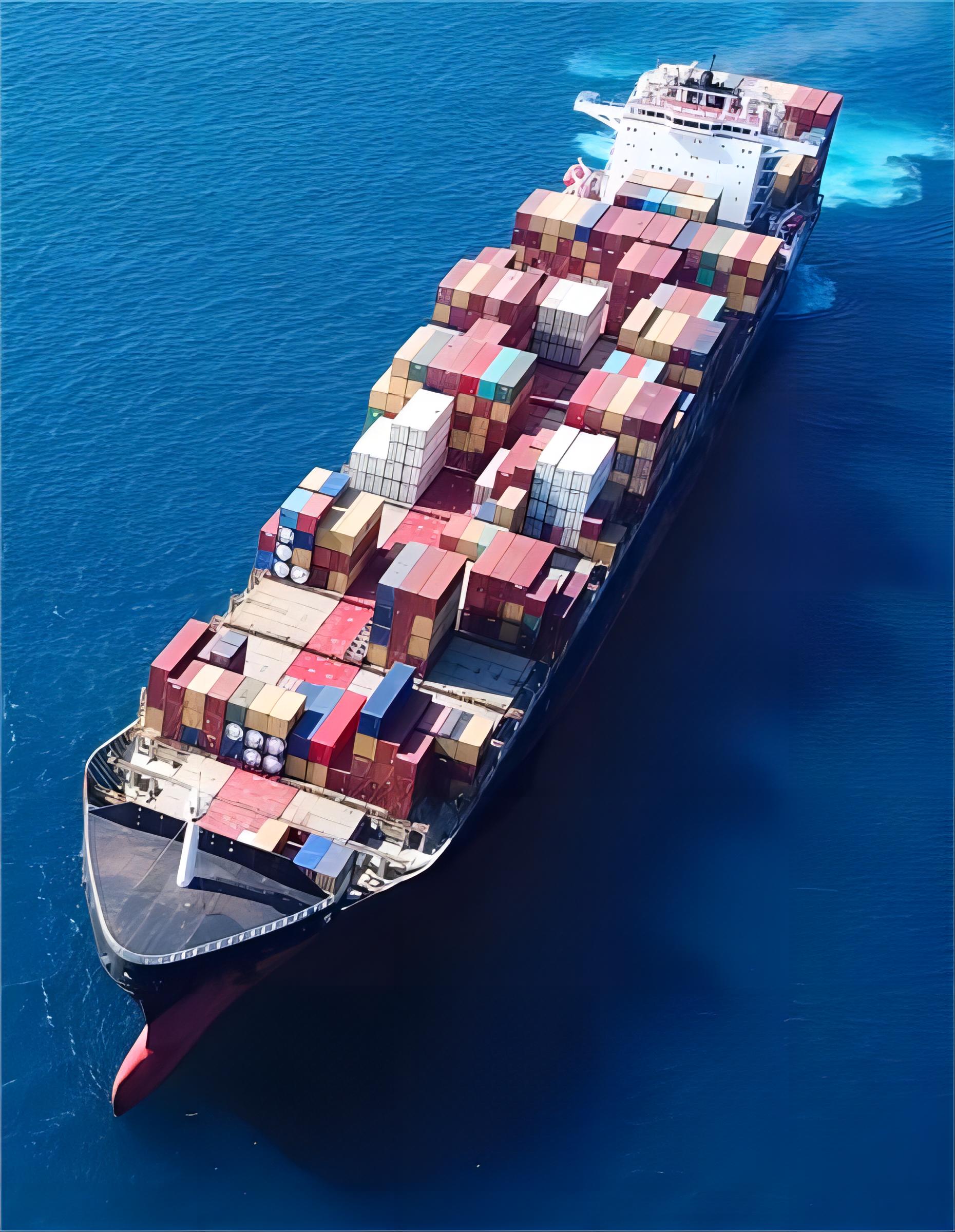
Cargo Shipping China to USA: 2026 Guide to Rates and Transit
Starting cargo shipping China to USA requires a strategic approach to navigate current 2026 market fluctuations and supply chain complexities. Businesses must partner with a reliable provider like Top China Logistics to ensure efficient and cost-effective delivery of goods across the Pacific. This comprehensive guide explores every aspect of modern transpacific logistics to help you optimize your shipping budget and improve delivery reliability in the coming year.

What are the Primary Methods for Cargo Shipping China to USA?
Choosing the right transportation mode represents the most critical decision for any importer managing cargo shipping China to USA. Currently, sea freight remains the backbone of international trade due to its ability to handle massive volumes at a lower price point. Consequently, most businesses prioritize this method for non-urgent inventory and bulk raw materials.
Moreover, sea freight offers flexibility through Full Container Load (FCL) and Less than Container Load (LCL) options. FCL provides a dedicated space for your goods, which typically reduces handling risks and speeds up the unloading process at US ports. In contrast, LCL allows smaller businesses to share container space, making it a budget-friendly choice for shipments under 15 cubic meters.
Furthermore, air freight provides the necessary speed for high-value or time-sensitive products that cannot wait weeks for ocean transit. While the costs are significantly higher, the reduced lead times often justify the expense for electronics, fashion, or medical supplies. Therefore, evaluating your specific inventory turnover requirements is essential before committing to a specific shipping lane.
Additionally, express courier services bridge the gap for small parcels and urgent samples by providing a streamlined, door-to-door experience. These services simplify the logistics chain by integrating customs clearance and final mile delivery into a single package. Nevertheless, the high cost per kilogram makes it unsuitable for large-scale commercial shipments in the 2026 market.
How Does Sea Freight Compare to Other Shipping Options?
Understanding the trade-offs between different logistics modes is vital for maintaining a competitive edge in the 2026 global market. Sea freight currently offers the lowest cost per unit, which allows businesses to maintain higher profit margins on bulky items. However, the extended transit times require more sophisticated inventory planning to avoid stockouts during peak seasons.
In contrast, air freight offers unparalleled speed, often delivering goods from China to major US hubs within three to seven days. This rapid turnaround allows companies to respond quickly to market trends or urgent customer demands without holding massive amounts of safety stock. Consequently, the choice between sea and air often depends on the balance between shipping budget and time-to-market goals.
Meanwhile, hybrid solutions like sea-air combinations are gaining popularity as a middle-ground strategy for savvy logistics managers. These routes typically involve shipping goods by sea to a hub like Dubai or Incheon before flying them to the final destination in the USA. Consequently, importers can save up to 40 percent on costs compared to pure air freight while still arriving much faster than standard ocean transit.
| Shipping Method | Cost Range | Transit Time | Best For |
|---|---|---|---|
| Sea Freight (FCL) | Low ($2,500 – $6,000) | 18 – 40 Days | Bulk goods, heavy items |
| Sea Freight (LCL) | Medium ($50 – $150/CBM) | 25 – 45 Days | Small commercial loads |
| Air Freight | High ($5 – $12/kg) | 3 – 8 Days | High-value, urgent cargo |
| Express Service | Very High ($8 – $15/kg) | 2 – 5 Days | Samples, small parcels |
What are the Estimated Costs for Cargo Shipping China to USA in 2026?
Predicting the exact cost of cargo shipping China to USA requires an analysis of current fuel surcharges, port congestion levels, and seasonal demand. As of early 2026, freight rates have stabilized following the volatility of previous years, yet they remain sensitive to geopolitical events. For instance, shipping a 40-foot high cube container from Shanghai to Los Angeles currently ranges between 2,800 and 3,800 dollars.
Specifically, the East Coast ports typically command higher premiums due to the longer transit through the Panama Canal or around the Cape of Good Hope. Importers should expect to pay between 4,500 and 6,000 dollars for a 40HQ container destined for New York or Savannah. In addition, inland haulage costs within the United States have increased, adding another layer of expense to the total landed cost calculation.
Furthermore, seasonal peaks during the third quarter often lead to price hikes of 15 to 25 percent as retailers prepare for the holiday season. To mitigate these fluctuations, many experienced importers sign annual contracts with freight forwarders to lock in more predictable rates. Note: Freight rates are subject to change based on fuel costs, carrier capacity, and seasonal demand. Contact us for a current quote tailored to your specific shipment.
| Route (China to USA) | 20GP Container | 40HQ Container | Est. Transit |
|---|---|---|---|
| Shenzhen to LA | $1,800 – $2,400 | $2,800 – $3,800 | 14 – 18 Days |
| Ningbo to Savannah | $2,800 – $3,600 | $4,500 – $5,800 | 30 – 35 Days |
| Shanghai to Chicago | $3,200 – $4,200 | $5,200 – $6,500 | 25 – 30 Days |
| Qingdao to Houston | $2,600 – $3,400 | $4,200 – $5,500 | 28 – 34 Days |

Why is Customs Brokerage Essential for Your Supply Chain?
Navigating the complexities of US Customs and Border Protection (CBP) is a daunting task for even the most experienced importers. Professional customs brokerage services ensure that your cargo shipping China to USA complies with all federal regulations and tariff requirements. Failure to provide accurate documentation can lead to significant delays, hefty fines, or even the seizure of your inventory.
Moreover, a skilled broker helps you identify the correct Harmonized Tariff Schedule (HTS) codes for your products to avoid overpaying duties. Since trade policies between China and the USA frequently evolve, staying updated on Section 301 tariffs and other trade remedies is crucial. Consequently, having an expert advocate can save your business thousands of dollars in unnecessary taxes and penalties.
In addition, the customs clearance process involves managing various government agency requirements, such as the FDA for food or the EPA for chemicals. Your broker acts as a liaison, ensuring that all necessary permits and certificates are submitted electronically through the Automated Commercial Environment (ACE). Therefore, integrating customs expertise into your logistics plan is not just an option but a necessity for smooth operations.
How to Manage Amazon FBA Shipments from China?
Selling on Amazon requires a highly specialized logistics approach to meet the strict requirements of the fulfillment centers. Utilizing Amazon FBA shipping services ensures that your products are prepped, labeled, and delivered according to Amazon’s exact specifications. Indeed, any deviation from these rules can result in refused shipments and additional storage fees.
Furthermore, many sellers choose a freight forwarder that offers inspection and consolidation services in China before the final transpacific leg. This step allows you to catch manufacturing defects early and combine multiple factory orders into a single shipment to reduce costs. As a result, you can maintain a leaner inventory model while ensuring that only high-quality products reach the US market.
Additionally, choosing between sea and air for FBA depends heavily on your inventory turnover and the size of your items. For heavy or oversized goods, ocean freight to a West Coast warehouse followed by truck delivery to the FBA center is usually the most economical path. Meanwhile, air freight is preferred for restocking high-demand items quickly to prevent losing your Best Seller Rank due to out-of-stock issues.

The Benefits of Door to Door Logistics Solutions
Simplifying the shipping process from factory floor to final destination is the primary goal of door to door services. This comprehensive model eliminates the need for importers to manage multiple vendors, as a single logistics provider handles every stage of the journey. Consequently, you can focus on growing your business while the experts manage the intricacies of international transportation.
In addition, door-to-door shipping provides better visibility and tracking throughout the entire lifecycle of the shipment. You receive a single invoice that covers ocean freight, customs duties, port charges, and local trucking, making financial planning much simpler. Therefore, this ‘set it and forget it’ approach is particularly beneficial for small to medium-sized enterprises with limited logistics staff.
Moreover, this method reduces the risk of communication breakdowns that often occur when handoffs happen between different carriers. By maintaining a single point of contact, you ensure that any issues, such as port strikes or weather delays, are communicated and resolved promptly. Indeed, the peace of mind offered by an end-to-end solution is often worth the modest premium over managing each leg individually.
Which Option Should You Choose? Decision Framework
Selecting the optimal strategy for cargo shipping China to USA requires a clear understanding of your business priorities and cargo characteristics. If your primary goal is cost reduction and you have a lead time of at least six weeks, sea freight is the undisputed winner. However, if you are launching a new product or responding to a sudden surge in demand, air freight becomes the necessary choice despite the higher cost.
Specifically, consider the volume of your shipment as a primary filter for your decision. For loads under 1 cubic meter, express courier is usually the most efficient; for 1 to 15 cubic meters, LCL is ideal; and for anything larger, FCL offers the best value. In addition, evaluate the value-to-weight ratio of your goods, as high-value items like jewelry or specialized electronics are better suited for the security and speed of air transport.
Furthermore, consider the geographical location of your US destination relative to the ports. Shipping to the West Coast and using rail or truck for inland transit is often faster and cheaper than shipping all the way to the East Coast by water. Consequently, a multi-modal approach that leverages the strengths of different transport types can often provide the best balance of speed and affordability.
Real-World Case Studies: Navigating the 2026 Market
Case Study 1: Electronics Importer Optimization. A tech startup in Austin needed to transport 12 CBM of smart home devices from Shenzhen to their local warehouse. By choosing LCL sea freight with a door-to-door service, they managed to keep their total landed cost at $4,200, which was 65 percent cheaper than the air freight quotes they received. The shipment arrived in 28 days, allowing them to stock their shelves just in time for their Q2 launch.
Case Study 2: Urgent Apparel Restock. A New York fashion retailer faced an unexpected stockout of a trending summer dress manufactured in Guangzhou. They utilized air freight for 450kg of cargo to JFK airport, ensuring the items were available for sale within 5 days. Although the shipping cost was $3,800, the high retail margin and the prevention of lost sales justified the premium expense during the peak shopping season.
Case Study 3: Furniture Manufacturer FCL Strategy. A large furniture distributor moved ten 40HQ containers from Ningbo to Savannah to supply their East Coast showrooms. By booking six weeks in advance during a Q1 lull, they secured a rate of $4,800 per container, significantly lower than the $5,600 peak season average. This proactive planning saved the company $8,000 in total logistics costs while ensuring a steady supply of inventory.
📦 Case Study 1: LCL Electronics Shipment
Route: Ningbo, China to Los Angeles, USA
Cargo: Smart Home Devices, 12 CBM, 2,400 kg
Container: LCL (Shared)
Shipping Details: Major carrier via direct transpacific route
Cost Breakdown: Ocean Freight: $1,400; Origin/Destination Charges: $950; Customs & Duties: $1,200; Total Landed Cost: $3,550
Timeline: 22 Days Door-to-Door
Key Insight: Using LCL allowed the client to maintain inventory without the cost of a full container.
📦 Case Study 2: High-Value Air Freight
Route: Shenzhen, China to Chicago, USA
Cargo: Premium Laptops, 2 CBM, 500 kg
Shipping Method: Air Freight (Standard)
Cost Breakdown: Air Freight: $4,200; Customs Brokerage: $300; Local Delivery: $450; Total Landed Cost: $4,950
Timeline: 6 Days Door-to-Door
Key Insight: Speed was prioritized over cost to meet a specific product launch deadline.
Final Thoughts on 2026 Logistics Success
Mastering cargo shipping China to USA in 2026 requires a proactive approach to planning and a deep understanding of the available logistics options. Whether you prioritize the cost-effectiveness of sea freight or the rapid transit of air freight, success depends on choosing the right partners and methods. By focusing on compliance, cost management, and transit efficiency, you can build a resilient supply chain that supports long-term business growth.
Furthermore, staying informed about market trends and maintaining flexibility in your logistics strategy will help you navigate any future disruptions. Remember that the cheapest option is not always the most valuable if it leads to delays or damaged goods. Invest in quality shipping services to ensure your products arrive safely and on time, every time.
Start Your Shipment
Ready to streamline your cargo shipping China to USA? Contact Top China Logistics today for a customized quote and expert guidance on your 2026 shipping strategy. Visit our website to learn more about our comprehensive freight solutions.
Request Quote