

Cargo Shipping China to UAE: 2026 Guide to Freight Rates
Cargo shipping China to UAE represents a vital link in the global supply chain, connecting major manufacturing hubs with the thriving markets of Dubai and Abu Dhabi. Finding a reliable partner like Top China Logistics ensures your goods arrive safely and on time. This guide explores the most efficient methods to handle your international logistics needs in 2026. Moreover, we will examine the cost structures and transit times that define the current trade lane between these two economic powerhouses.
✦
What are the Current Options for Cargo Shipping China to UAE?
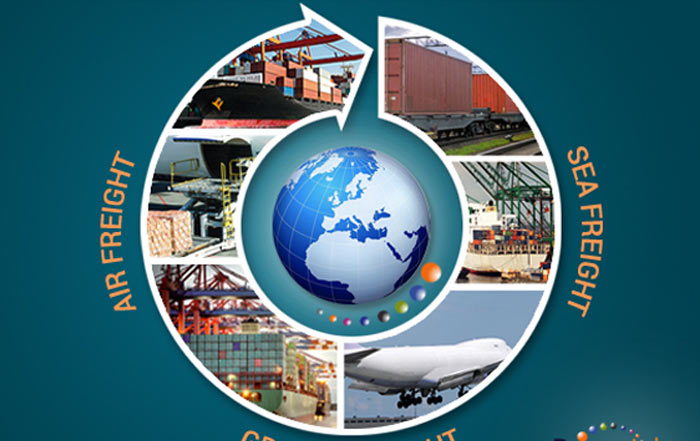
Selecting the right transportation mode is the first step in optimizing your supply chain for the Middle Eastern market. Currently, businesses can choose between sea freight, air freight, and specialized express services depending on their specific cargo requirements. Furthermore, each method offers distinct advantages in terms of cost-efficiency and delivery speed.
Sea freight remains the most popular choice for high-volume shipments due to its unmatched capacity and lower price point. Consequently, most industrial equipment and consumer goods move via ocean carriers between major ports like Shanghai and Jebel Ali. On the other hand, air freight serves as the primary solution for time-sensitive or high-value items that require rapid transit.
Express services provide a streamlined, door-to-door experience that simplifies the complex world of international trade. Additionally, these services often include integrated customs handling, making them ideal for smaller parcels or urgent samples. Therefore, understanding your volume and timeline is essential before committing to a specific logistics strategy.
How Does Sea Freight Compare to Other Shipping Options?
Evaluating different transportation modes requires a thorough analysis of budget constraints and delivery expectations. While sea freight offers the lowest cost per unit, it necessitates longer lead times and more complex inventory management. In contrast, air transport provides immediate market access but at a significantly higher financial investment.
Hybrid solutions like sea-air combinations have gained popularity in 2026 as a middle-ground alternative. These routes typically involve shipping goods by sea to a hub like Singapore or Colombo before flying them to the UAE. As a result, shippers can save approximately 30 percent compared to pure air freight while cutting sea transit time in half.
Rail freight is not a viable direct option for this specific route due to geographical barriers between China and the Arabian Peninsula. However, some multi-modal strategies involve rail transport through Central Asia followed by sea legs, though these are rarely more efficient than direct ocean routes. Thus, most importers focus their comparison on the primary sea and air corridors.
| Shipping Method | Cost Range | Transit Time | Best For | Limitations |
|---|---|---|---|---|
| Sea Freight (FCL) | $1,200 – $2,200 | 18-25 Days | Bulk Goods | Slow Speed |
| Air Freight | $4.50 – $8.00/kg | 3-7 Days | High Value | High Cost |
| Express Service | $9.00 – $15.00/kg | 2-4 Days | E-commerce | Weight Limits |
| Sea-Air Hybrid | $2.50 – $4.00/kg | 12-15 Days | Fashion/Tech | Complex Ops |

Understanding Sea Freight: FCL vs LCL Solutions
Full Container Load (FCL) shipping involves renting an entire 20ft or 40ft container for your exclusive use. This method is generally more secure and faster because the container is sealed at the origin and only opened at the final destination. Indeed, FCL is the most cost-effective solution for shipments exceeding 15 cubic meters in volume.
Less than Container Load (LCL) allows multiple shippers to share space within a single container. Although this reduces costs for smaller volumes, it often results in longer transit times due to the consolidation and deconsolidation processes at the ports. Nevertheless, LCL remains a flexible option for growing businesses that do not yet have the volume for full containers.
Choosing between these two depends heavily on your total cargo volume and how quickly you need the goods to reach the UAE market. For instance, if you are shipping 10 cubic meters, LCL might seem cheaper, but the risk of damage increases with more handling. Conversely, a 20ft FCL provides better protection and more predictable scheduling for your cargo shipping China to UAE.
Air Freight: When Speed is Your Top Priority
Urgent shipments and high-value commodities often require the rapid transit times provided by air freight services. During the peak seasons of 2026, air transport has become even more critical for maintaining lean inventory levels in the UAE. Furthermore, the security protocols at airports significantly reduce the risk of theft or damage for sensitive electronics.
Direct flights from hubs like Guangzhou, Shenzhen, and Shanghai connect to Dubai International (DXB) and Al Maktoum International (DWC) daily. Consequently, cargo can often move from a factory floor in China to a warehouse in Dubai within 72 hours. This speed allows businesses to respond quickly to market trends and sudden shifts in consumer demand.
Costs for air transport are calculated based on either actual weight or volumetric weight, whichever is higher. Therefore, optimizing your packaging to reduce empty space is vital for keeping air freight expenses under control. Additionally, many companies use air freight for their Amazon FBA shipments to ensure they never run out of stock during major sales events.
How to Calculate Your Cargo Shipping China to UAE Costs
Freight rates in 2026 are influenced by several variables, including fuel surcharges, seasonal demand, and container availability. Typically, ocean freight for a 40HQ container from Ningbo to Jebel Ali ranges between $1,800 and $2,500 depending on the carrier. Meanwhile, local charges at both the origin and destination can add several hundred dollars to the total landed cost.
Port-to-port rates only represent a portion of the total investment required for international logistics. You must also account for trucking fees, warehouse handling, and insurance premiums to protect your investment. In addition, customs duties in the UAE are generally 5 percent for most goods, though certain items may be exempt or subject to higher excise taxes.
Market data suggests that rates typically increase by 15 to 25 percent during the August to October peak season. To avoid these price hikes, savvy importers often book their space at least four weeks in advance. Without a doubt, working with an experienced freight forwarder can help you navigate these fluctuations and secure more competitive pricing.
| Route (China to UAE) | 20GP Container | 40HQ Container | Transit Time |
|---|---|---|---|
| Shanghai to Jebel Ali | $1,350 – $1,700 | $2,100 – $2,600 | 22 Days |
| Shenzhen to Khalifa Port | $1,200 – $1,550 | $1,950 – $2,400 | 18 Days |
| Ningbo to Sharjah | $1,400 – $1,800 | $2,200 – $2,750 | 24 Days |
| Qingdao to Jebel Ali | $1,500 – $1,950 | $2,400 – $3,000 | 28 Days |

Essential Customs and Documentation for UAE Imports
Navigating the regulatory landscape is a critical component of successful cargo shipping China to UAE. Every shipment must be accompanied by a commercial invoice, a detailed packing list, and a certificate of origin. Furthermore, the UAE customs authorities require a Bill of Lading or Airway Bill to process the entry of goods into the country.
Special permits may be required for specific categories of goods, such as food items, cosmetics, or hazardous materials. For example, the Emirates Authority for Standardization and Metrology (ESMA) regulates many consumer products to ensure they meet local safety standards. Consequently, failing to provide the correct documentation can lead to expensive storage fees or even the seizure of your cargo.
Professional customs brokerage services can significantly reduce the risk of delays at the border. These experts stay updated on the latest 2026 trade regulations and can help you classify your goods correctly under the Harmonized System (HS) codes. Indeed, accurate classification is the only way to ensure you pay the correct amount of import duty.
Real-World Logistics Scenarios: Case Studies for 2026
Case Study 1: Electronics Distribution. A Shenzhen-based manufacturer needed to transport 65 cubic meters of consumer electronics to a distributor in Dubai. They chose a 40HQ container via a direct sea route to Jebel Ali. The total ocean freight cost was $2,350, and the transit time from port to port was 19 days. By utilizing FCL, they minimized handling risks and ensured the products arrived in pristine condition for the Q4 shopping season.
Case Study 2: Fashion Retail LCL. A boutique in Abu Dhabi ordered 8 cubic meters of high-end garments from a supplier in Shanghai. Since the volume was too small for a full container, they opted for LCL shipping. The cost was approximately $85 per cubic meter, totaling $680 for the ocean leg. Despite the 26-day door-to-door timeline, the cost savings allowed the retailer to maintain competitive pricing in the local UAE market.
Case Study 3: Urgent Spare Parts. An industrial plant in Sharjah required critical machinery parts from Guangzhou to avoid a production shutdown. They utilized air freight, which cost $6.20 per kilogram for a 250kg shipment. The parts arrived at Sharjah International Airport in just 4 days, including customs clearance. Although the shipping cost was higher, the avoided downtime saved the company thousands of dollars in potential lost revenue.
Which Option Should You Choose? Decision Framework
Deciding on the best shipping method requires balancing your budget against your need for speed. If your primary goal is cost reduction and your lead times are flexible, sea freight is the logical choice for cargo shipping China to UAE. However, if you are launching a new product or handling perishable goods, the speed of air freight justifies the additional expense.
Volume thresholds often dictate the most economical path for your logistics strategy. For shipments under 200 kilograms, express couriers or air freight are usually more efficient than sea freight due to lower minimum charges. Conversely, once your shipment exceeds 2 cubic meters, LCL sea freight typically becomes the more affordable option despite the longer wait times.
Consider the nature of your cargo before making a final commitment to a carrier. Fragile or high-value items benefit from the reduced handling and increased security of air transport or FCL sea shipping. On the other hand, durable bulk materials are perfectly suited for the standard LCL or FCL ocean routes that define the China-UAE trade lane.
Strategic Tips for Reducing Your Shipping Expenses
Consolidating multiple small orders into a single larger shipment is one of the most effective ways to lower your per-unit costs. By working with a provider that offers door to door services, you can often find consolidation opportunities that are not available through traditional port-to-port shipping. Moreover, optimized packaging can help you avoid paying for empty space in your containers.
Comparing quotes from multiple freight forwarders ensures you are receiving the most competitive market rates for 2026. However, you should look beyond the initial price and consider the reliability and reputation of the carrier. Sometimes, a slightly more expensive route with a guaranteed transit time is more valuable than the cheapest option that suffers from frequent delays.
Maintaining a clear communication channel with your suppliers in China can also prevent costly mistakes. Ensure that all labels are correct and that the cargo is ready for pickup exactly when the truck arrives. Consequently, you will avoid detention and demurrage charges that can quickly erode your profit margins during the import process.
Final Thoughts on Shipping from China to UAE
Navigating the complexities of cargo shipping China to UAE requires a strategic approach and a reliable logistics partner. By understanding the differences between sea and air freight, you can make informed decisions that benefit your bottom line. Furthermore, staying updated on customs requirements and market trends will ensure your goods move through the supply chain without unnecessary interruptions.
Reliability and efficiency should always be your top priorities when selecting a freight forwarder. As the trade relationship between China and the UAE continues to grow in 2026, those with optimized logistics will gain a significant competitive advantage. Start planning your next shipment today to take full advantage of the diverse shipping options available for your business.