


Best Freight Forwarder China Worldwide 2026 Guide
Finding the best freight forwarder china worldwide is essential for businesses navigating the complex global trade landscape of 2026. Many importers struggle with rising costs and unpredictable delays, but a reliable partner simplifies the entire process. Top China Logistics provides comprehensive solutions that ensure your cargo arrives safely and on time. This guide explores how to select the right partner for your international shipping needs.
Why Identifying the Best Freight Forwarder China Worldwide is Critical
Effective logistics management serves as the backbone of any successful import-export business. Consequently, choosing a top-tier partner can significantly reduce your landed costs and improve customer satisfaction. Specifically, the best freight forwarder china worldwide will offer more than just transportation; they provide strategic insights into the supply chain.
Reliable partners handle everything from factory pickup to final delivery, allowing you to focus on core business activities. Moreover, they possess the local expertise required to navigate Chinese export regulations and port procedures. Therefore, investing time in selecting a reputable provider is a decision that pays dividends in long-term operational efficiency.
Transparency remains a major concern for many businesses shipping internationally today. In fact, many companies experience hidden fees or unexpected surcharges when using inexperienced agents. By contrast, an established logistics provider offers clear pricing structures and real-time tracking, ensuring you always know the status of your investment.
Key Criteria for Evaluating Global Logistics Partners
Experience within the Chinese market is perhaps the most important factor to consider. Furthermore, you should verify that your forwarder has a valid license and strong relationships with major carriers like COSCO or Maersk. These connections often result in better space protection during peak seasons, such as the busy months before the Lunar New Year.
Communication plays a vital role in preventing misunderstandings during the shipping process. For instance, a forwarder that provides a dedicated account manager can respond quickly to urgent inquiries or changes in the delivery schedule. Additionally, look for partners who utilize modern technology platforms for booking and documentation management.
Comprehensive service offerings are another hallmark of a high-quality logistics provider. Instead of just moving boxes, the best firms offer value-added services like quality inspections, labeling, and consolidated warehousing. As a result, you can streamline your operations by using a single point of contact for multiple supply chain stages.
Comparing Sea and Air Freight for International Shipments
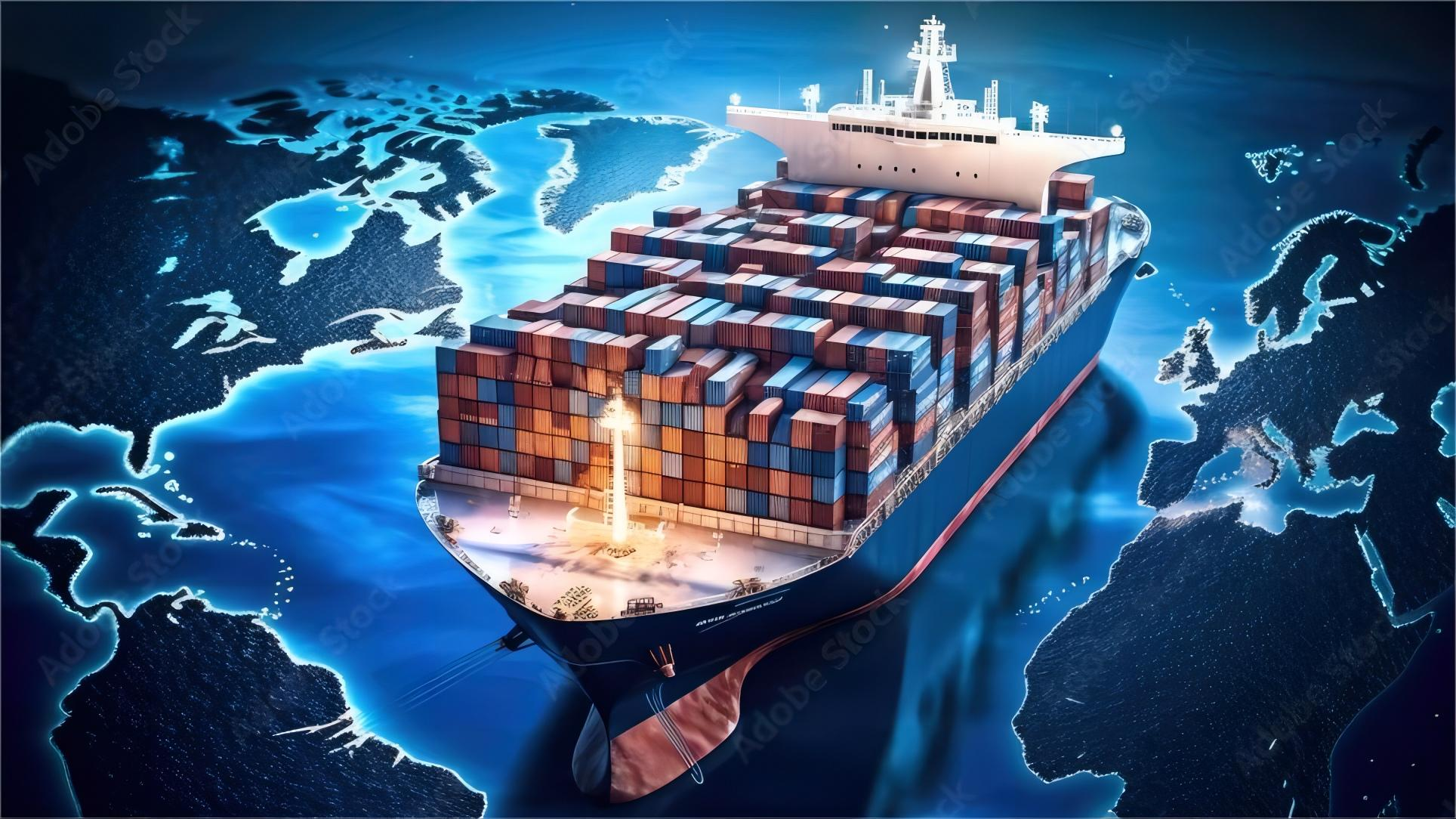
Selecting the right transportation mode depends heavily on your budget, timeline, and cargo volume. For large shipments where cost is the primary concern, sea freight remains the most economical choice. However, transit times are significantly longer, often taking several weeks to reach major ports in Europe or North America.
Urgent shipments or high-value items usually benefit from air freight services. Although the costs are higher, the speed and security of air transport are unmatched for time-sensitive goods. Consequently, many electronics and fashion retailers prefer this method to maintain lean inventory levels and meet rapid market demands.
Market data from early 2026 suggests that sea freight rates have stabilized compared to the volatility seen in previous years. Meanwhile, air cargo capacity has increased, leading to more competitive pricing for transpacific and Asia-Europe routes. Ultimately, the best freight forwarder china worldwide will help you balance these factors based on your specific business requirements.
| Method | Average Cost | Transit Time | Best For |
|---|---|---|---|
| Sea Freight | $3,000 – $4,500 (40HQ) | 28 – 45 Days | Bulk / Heavy Goods |
| Air Freight | $7.50 – $12.00 / kg | 5 – 8 Days | Urgent / High Value |
| Rail Freight | $160 – $220 / CBM | 16 – 22 Days | Mid-range Budget |
| Express | $12.00 – $18.00 / kg | 3 – 5 Days | Samples / Small Parcels |
How Does Sea Freight Compare to Other Shipping Options?
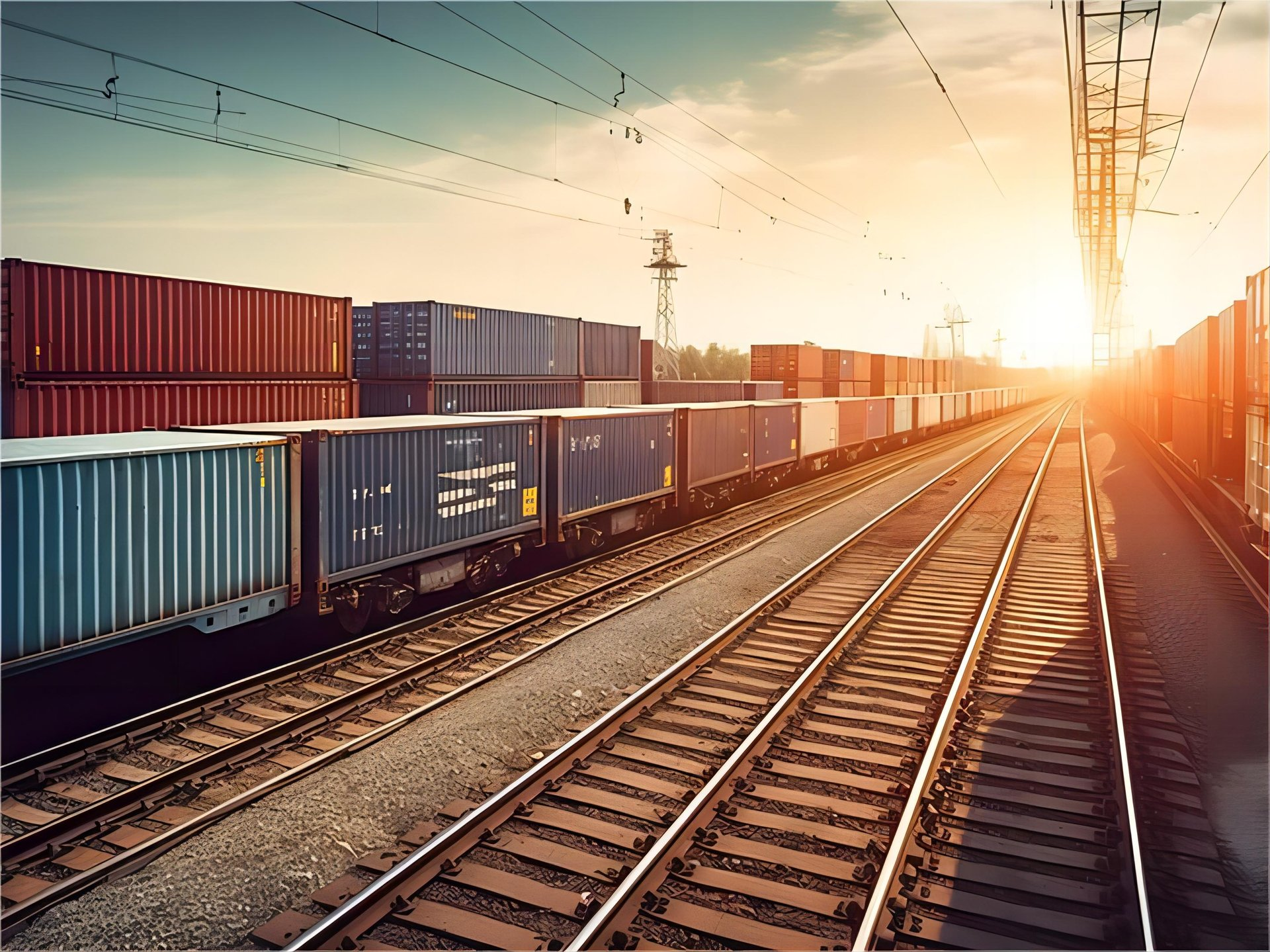
While sea freight is often the default choice, other options like rail freight provide a compelling middle ground. Specifically, the China-Europe Railway Express offers faster delivery than sea transport at a much lower cost than air cargo. Nevertheless, rail is limited by geographic reach and is not an option for island nations like Australia.
Direct shipping routes usually cost 10-15% more but save significant time compared to transshipment via major hubs. For example, a direct vessel from Shanghai to Los Angeles is much faster than one stopping in Busan or Yokohama. Consequently, businesses must decide if the time savings justify the additional freight expense.
LCL shipping allows smaller businesses to share container space, which is highly cost-effective for volumes under 15 CBM. On the other hand, FCL shipping offers better security and faster handling since the container is dedicated to a single shipper. Therefore, your volume thresholds will dictate which strategy is most appropriate for your current needs.
| Shipping Method | Cost Range | Transit Time | Limitations |
|---|---|---|---|
| FCL (Full Container) | High per unit | Fastest Sea | Requires high volume |
| LCL (Shared) | Lower total cost | Slower handling | Risk of damage |
| Sea-Air Hybrid | Moderate | 15-20 Days | Complex tracking |
| Direct Route | Premium | Optimized | Limited availability |
Which Option Should You Choose?
Budget priority dictates a focus on sea freight or rail freight depending on the destination and urgency. If your primary goal is to minimize international shipping costs, booking LCL shipments well in advance is the most effective strategy. Furthermore, using a forwarder with strong consolidation capabilities can further reduce your per-unit expenses.
Speed priority necessitates the use of air freight or express courier services for the fastest possible delivery. For instance, launching a new product line requires the agility that only rapid air transport can provide. In contrast, seasonal stock replenishment for established products is better suited for the slower, more affordable sea routes.
Cargo type considerations also play a major role in the selection process for any importer. Specifically, hazardous materials or oversized machinery may only be eligible for specific types of sea vessels or specialized cargo planes. Indeed, the best freight forwarder china worldwide will analyze your cargo specifications to recommend the most compliant and safe method.
The Strategic Importance of Customs Brokerage and Compliance
Navigating the complexities of customs brokerage is often where many international shipments face the most significant hurdles. Specifically, incorrect HS code classification can lead to heavy fines, shipment seizures, or significant delivery delays. Consequently, working with a forwarder who understands both Chinese and destination customs laws is non-negotiable.
Documentation accuracy ensures that your goods pass through checkpoints without unnecessary scrutiny from authorities. For example, the Commercial Invoice, Packing List, and Bill of Lading must all align perfectly to avoid discrepancies. Moreover, a professional forwarder will handle the electronic filing of these documents to speed up the clearance process.
Compliance with evolving trade regulations in 2026 requires constant vigilance and up-to-date market intelligence. As a result, top logistics providers invest heavily in training their staff on the latest import duties and trade agreements. Ultimately, this expertise protects your business from legal risks and ensures a smooth flow of goods across borders.
Real-World Case Studies: China to Global Destinations
Case Study 1: Electronics from Shanghai to Rotterdam. Route: Shanghai Port to Port of Rotterdam. Cargo: Consumer Electronics, 68 CBM, 12,500 kg. Container: 40HQ. Carrier: Major carrier. Shipping Details: Direct route. Cost Breakdown: Ocean Freight: $3,250. Origin Charges: $350. Destination Charges: $420. Customs: $1,200 (est). Total Landed Cost: $5,220. Timeline: 32 Days Door-to-Door. Key Insight: Early booking secured a 15% discount during the Q3 peak season.
Case Study 2: Apparel from Shenzhen to Los Angeles. Route: Shenzhen to LAX. Cargo: High-end Apparel, 3.5 CBM, 850 kg. Shipping Method: Air Freight. Carrier: Major cargo airline. Cost Breakdown: Air Freight: $4,850. Handling: $210. Customs: $850. Total: $5,910. Timeline: 6 Days Door-to-Door. Key Insight: Using air freight allowed the client to restock popular items within one week, maximizing holiday sales.
Case Study 3: Furniture from Ningbo to Sydney. Route: Ningbo Port to Port of Sydney. Cargo: Flat-pack Furniture, 8 CBM, 2,200 kg. Shipping Method: LCL Sea Freight. Cost Breakdown: Ocean Freight: $880. Origin/Dest Charges: $450. Customs: $300. Total: $1,630. Timeline: 18 Days Door-to-Door. Key Insight: LCL was 40% cheaper than a 20GP container for this specific volume.
Alternative Shipping Strategies for Cost Optimization
Hybrid solutions like sea-air combinations offer a strategic balance between cost and transit time for many businesses. Specifically, cargo is shipped by sea from China to a hub like Dubai or Singapore, then flown to the final destination. This approach can save up to 40% compared to pure air freight while being twice as fast as sea transport.
Cost-saving strategies often involve optimizing your packaging to reduce the volumetric weight of your shipments. Additionally, consolidating orders from multiple suppliers into a single FCL container can drastically lower your per-cubic-meter costs. Consequently, many experienced importers use door to door consolidation services to simplify their inbound logistics.
Trade-offs between speed and price must be evaluated constantly as market conditions shift throughout the year. For instance, choosing a transshipment route during off-peak months can lead to significant savings without a major impact on business operations. Therefore, maintaining flexibility in your shipping strategy is key to remaining competitive in the global market.
Trends Shaping China Logistics in 2026
Technological integration is transforming how the best freight forwarder china worldwide operates in the current market. Specifically, AI-driven route optimization and blockchain-based documentation are increasing transparency and reducing human error. Moreover, these tools allow for more accurate predictive analytics regarding transit times and potential disruptions.
Sustainability has become a core focus for many global logistics providers as environmental regulations tighten. As a result, many carriers are investing in LNG-powered vessels and electric delivery vehicles for the final mile. Consequently, businesses that prioritize green logistics can improve their brand reputation while complying with new international standards.
Market intelligence indicates that freight rates have stabilized after the disruptions seen in 2025. However, seasonal patterns still cause rates to increase by 15-25% during the August to October peak season. Note: Freight rates are subject to change based on fuel costs, carrier capacity, and seasonal demand. Contact us for a current quote tailored to your specific shipment.
Mastering Your Global Logistics Strategy
Successfully navigating international trade requires a partner that understands the nuances of the Chinese market and global shipping lanes. By evaluating providers based on their experience, communication, and service range, you can secure the best freight forwarder china worldwide for your business. Remember to balance cost, speed, and reliability when selecting your transportation methods.
Ultimately, the right logistics strategy will enhance your competitive edge and ensure long-term growth. Whether you utilize sea, air, or rail freight, maintaining a flexible and informed approach is essential. Trust in professional expertise to manage your cargo and watch your business thrive in the global marketplace of 2026.

Need a tailored shipping solution?
Streamline your global supply chain today with the best freight forwarder china worldwide. Our team of experts is ready to provide you with a customized shipping quote that fits your budget and timeline. Visit Top China Logistics to request your free consultation and take the first step toward hassle-free international shipping.