

Amazon FBA Shipping China to Spain: The Ultimate 2026 Guide
Navigating the complexities of global trade requires a reliable partner for your supply chain. If you are looking for seamless Amazon FBA shipping China to Spain, understanding the current 2026 market dynamics is essential for maintaining profitability. This guide provides comprehensive insights into logistics strategies that ensure your inventory arrives safely at Spanish fulfillment centers. We examine the latest trends in freight rates and regulatory requirements to help you optimize your international operations. Consequently, you will be better equipped to manage your inventory and meet the demands of the Spanish e-commerce market.
What Are the Best Methods for Amazon FBA Shipping China to Spain?
Determining the most efficient transport mode is the first critical decision for any Amazon seller. Currently, in early 2026, freight options have diversified to offer better reliability across the Eurasian corridor. You must balance speed against cost to protect your profit margins while ensuring consistent stock levels. Furthermore, the choice often depends on the volume of your goods and your specific delivery deadlines. Consequently, understanding the differences between sea, air, and rail transport is vital for long-term success.
Selecting a method involves analyzing the weight and dimensions of your cargo. Moreover, you should consider the urgency of your inventory needs. For instance, high-value electronics might require faster transit than bulky home goods. Therefore, a multi-modal approach often provides the best balance for growing businesses.
| Method | Cost Level | Transit Time | Best For |
|---|---|---|---|
| Sea Freight | Low | 35-45 Days | Bulk Inventory |
| Air Freight | High | 5-8 Days | Urgent Restocks |
| Rail Freight | Medium | 22-28 Days | Mid-sized Shipments |
| Express | Very High | 3-5 Days | Samples and Small Parcels |
How Does Sea Freight Compare to Other Shipping Options?
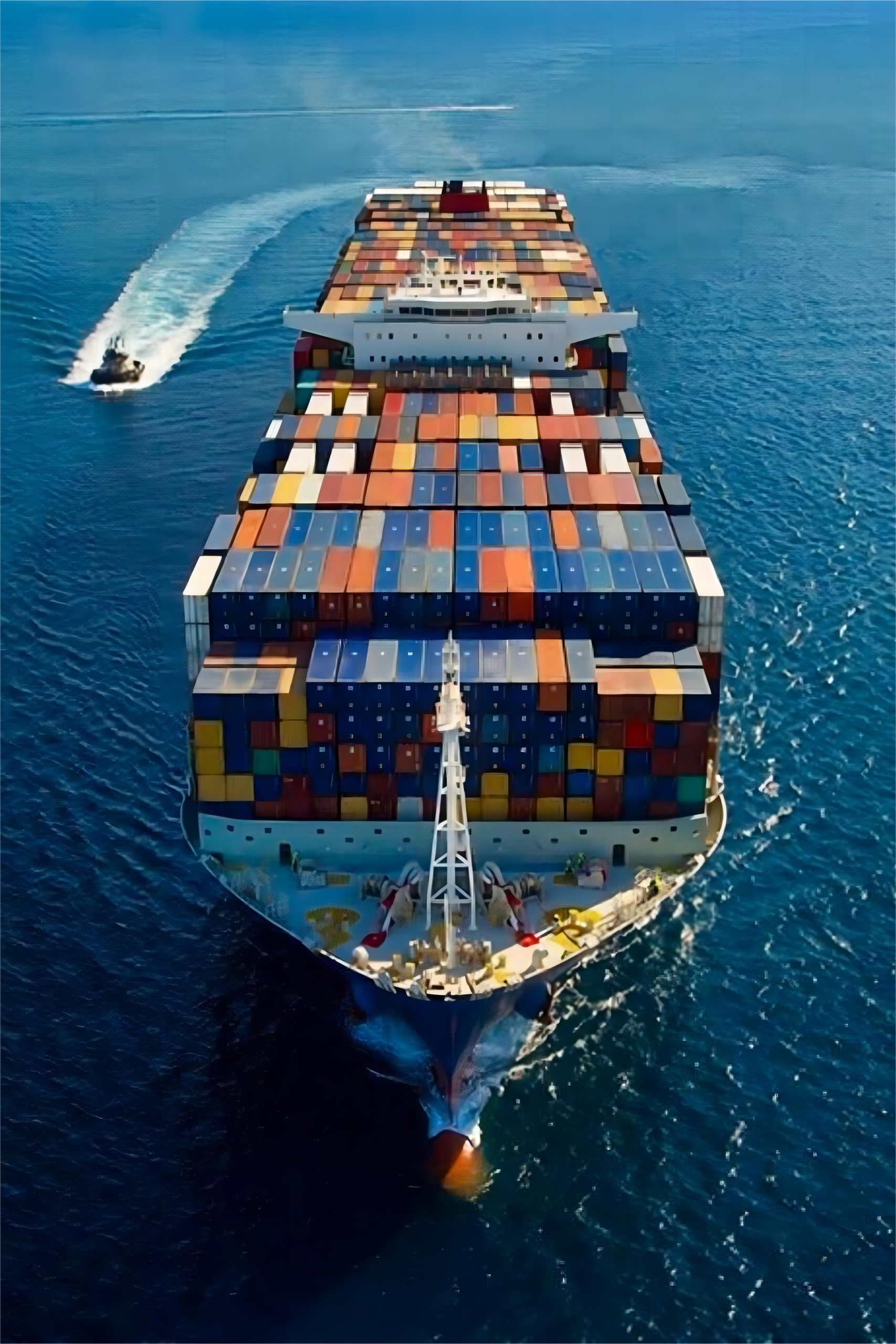
Ocean transport remains the backbone of international trade for bulk inventory destined for Madrid or Barcelona. Using sea freight allows sellers to move large volumes at the lowest possible unit cost. However, the transit time is significantly longer than other methods, requiring careful advanced planning. Specifically, you should account for potential port congestion which can occasionally occur during peak seasons. Indeed, sea freight is the most economical choice for shipments exceeding 2 cubic meters.
Moreover, sellers can choose between Full Container Load (FCL) and Less than Container Load (LCL). FCL is generally faster and more secure because you have the entire container to yourself. On the other hand, LCL is perfect for smaller batches where you share space with other importers. Consequently, your choice will depend on your total volume and budget constraints.
| Shipping Method | Cost Range (2026) | Transit Time | Limitations |
|---|---|---|---|
| Sea (FCL) | $3,000 – $4,200 | 35-40 Days | Slow transit |
| Sea (LCL) | $80 – $150/CBM | 40-45 Days | Handling delays |
| Air Cargo | $4.50 – $7.00/kg | 5-9 Days | Weight limits |
| Rail Freight | $180 – $250/CBM | 22-28 Days | Route availability |
Objective Analysis of Shipping Alternatives
While sea freight costs $3,000-4,200 for a 40HQ container in 2026, air freight for the same volume would be prohibitively expensive. In contrast, rail freight offers a competitive middle ground that many sellers now prefer. Specifically, rail transit saves nearly two weeks compared to ocean routes while costing only slightly more. Therefore, if your capital is tied up in inventory, rail might improve your cash flow by getting products to market faster.
Can Air Freight Accelerate Your Amazon Spain Business?
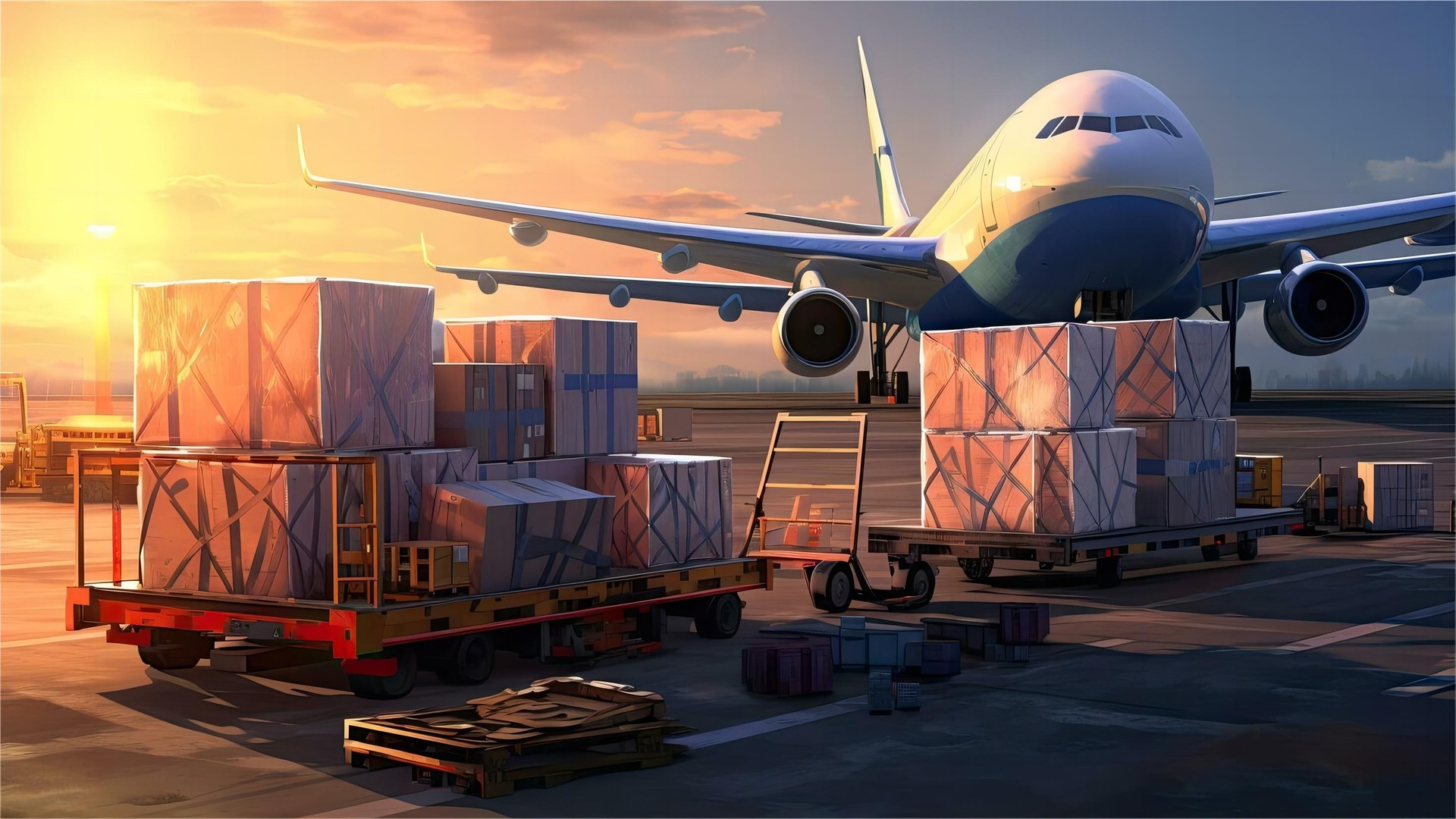
Speed is the primary advantage when you choose air freight for your inventory. Consequently, this method is ideal for high-demand products or seasonal launches where time-to-market is critical. It minimizes the risk of stockouts during peak shopping periods like Black Friday or Prime Day. Additionally, air transport provides a higher level of security for sensitive or high-value electronics. Meanwhile, the shorter transit time reduces the amount of time your capital is locked in transit.
However, the cost per kilogram is significantly higher than sea or rail options. Therefore, sellers must ensure their profit margins can absorb the increased logistics expenses. For example, lightweight items with high retail prices are the best candidates for air transport. Ultimately, air cargo remains an essential tool for maintaining agile supply chains in 2026.

Is Rail Freight a Viable Middle Ground for Spain?
Connecting China to Europe via the Silk Road has become increasingly popular in recent years. Opting for rail freight provides a balanced solution between sea and air. It offers faster transit than ships while remaining significantly cheaper than planes. Specifically, the route to Spain often involves transshipment through major European hubs like Duisburg or Lyon. Consequently, you can expect your goods to arrive at Spanish fulfillment centers in under a month.
Moreover, rail transport is considered more environmentally friendly than air freight. This factor is becoming more important as European regulations regarding carbon footprints tighten. Indeed, many brands use rail to meet sustainability goals without sacrificing too much speed. Additionally, rail rates have remained relatively stable throughout 2026 compared to volatile ocean freight prices.
Why Is Specialized Amazon FBA Logistics Necessary?
Shipping directly to a fulfillment center requires strict adherence to Amazon packaging and labeling rules. Our Amazon FBA services ensure that your cargo meets every specific warehouse requirement. Therefore, you avoid costly rejection at the warehouse gates or additional prep fees. Specifically, Amazon Spain has strict guidelines for pallet dimensions and labeling placement. Consequently, working with an experienced forwarder is the best way to guarantee compliance.
Furthermore, we handle the entire process from the factory in China to the final delivery in Spain. This door to door service includes the essential task of scheduling delivery appointments via the Carrier Central portal. Without a valid appointment, Amazon will refuse the shipment, causing significant delays. Meanwhile, our team monitors the status of your shipment to ensure it arrives exactly when expected.
How Do Customs and VAT Work for Spanish Imports?
Navigating European tax laws is often the most challenging part of the import process for international sellers. Utilizing a professional customs brokerage helps you manage EORI and VAT registrations effectively. Specifically, you must have a Spanish VAT number to sell on the local marketplace and reclaim import VAT. Proper documentation prevents lengthy delays at the border and ensures you pay the correct duty rates. Consequently, understanding the difference between DDP and DAP terms is vital.
Documentation requirements for Spain include the commercial invoice, packing list, and bill of lading. Additionally, some products may require specific certifications such as CE marking for electronics. Therefore, you should verify all compliance needs before the goods leave China. Ultimately, a smooth customs process is the key to maintaining a reliable delivery schedule.
| Document | Purpose | Required By | Importance |
|---|---|---|---|
| Commercial Invoice | Value Declaration | Customs | Critical |
| Packing List | Cargo Details | Warehouse | High |
| Certificate of Origin | Duty Calculation | Customs | Moderate |
| Bill of Lading | Title of Goods | Carrier | Critical |

Which Option Should You Choose? Decision Framework
Strategizing your logistics requires a clear understanding of your business priorities and cargo characteristics. If your primary goal is to minimize costs and you have ample lead time, sea freight is undoubtedly the best choice. On the other hand, if you are launching a new product and need to test the market quickly, air freight provides the necessary speed. Meanwhile, rail freight serves as an excellent default for regular inventory replenishment.
Volume thresholds also play a significant role in this decision. For shipments under 100kg, express services are usually the most cost-effective when considering total landed costs. Conversely, once you exceed 500kg, air cargo or rail freight becomes more economical. Furthermore, for shipments over 2 CBM, sea freight LCL or FCL will offer the best rates per unit.
Successful Case Studies of Amazon FBA Shipping China to Spain
Case Study 1: Kitchenware Expansion. Route: Shenzhen to Madrid. Cargo: Silicon kitchen sets, 12 CBM. Method: Sea Freight LCL. Cost: $2,550. Time: 41 days. Key Insight: By using LCL consolidation, the seller reduced shipping costs by 25% compared to their previous air freight strategy. This allowed them to lower their retail price and gain market share in Spain.
Case Study 2: Electronics Restock. Route: Shanghai to Barcelona. Cargo: Smartwatch accessories, 250kg. Method: Air Freight. Cost: $1,950. Time: 7 days. Key Insight: Rapid transit allowed the seller to restock three days before a major sales event. Consequently, they avoided a stockout and achieved record sales volume for the quarter.
How to Optimize Your Shipping Costs in 2026?
Consolidation is a key strategy for reducing expenses on smaller shipments from multiple suppliers. Moreover, booking your space at least three weeks in advance can secure better rates during the 2026 shipping season. Seasonal planning is also vital as prices typically increase 15-25% during the August-October peak. Therefore, try to ship your holiday inventory early to avoid the highest rates and potential delays. Additionally, optimizing your packaging to reduce dead volume can lead to significant savings over time.
Market data suggests that in Q2 2026, the Spanish market has seen a 15% increase in e-commerce volume. This growth means that competition for shipping space is higher than in previous years. Consequently, establishing a long-term relationship with a reliable freight forwarder can provide you with more stable pricing and guaranteed capacity. Note: Freight rates are subject to change based on fuel costs, carrier capacity, and seasonal demand. Contact us for a current quote tailored to your specific shipment.
Final Thoughts on Shipping to Amazon Spain
Successfully managing Amazon FBA shipping China to Spain requires a combination of strategic planning and reliable partnerships. By choosing the right shipping method and ensuring full customs compliance, you can maintain a competitive edge in the Spanish marketplace. Remember that the logistics landscape is constantly evolving, so staying informed about 2026 trends is essential. Ultimately, your goal is to create a resilient supply chain that supports your business growth and customer satisfaction.
Need a tailored shipping solution?
Ready to streamline your Amazon FBA shipping China to Spain? Our expert logistics team is here to help you navigate the 2026 market with ease. Contact us today to receive a personalized quote and discover how we can optimize your supply chain for the Spanish market. Visit our website to learn more about our comprehensive door to door solutions.