


Air Freight China to Germany: 2026 Guide to Rates and Speed
Navigating the complexities of air freight China to Germany requires a reliable partner to ensure swift delivery and cost-efficiency in the modern market. At Top China Logistics, we specialize in bridging the gap between major Asian manufacturing hubs and the heart of the European economy. This comprehensive guide explores the latest 2026 logistics trends and shipping solutions designed to optimize your international trade operations.
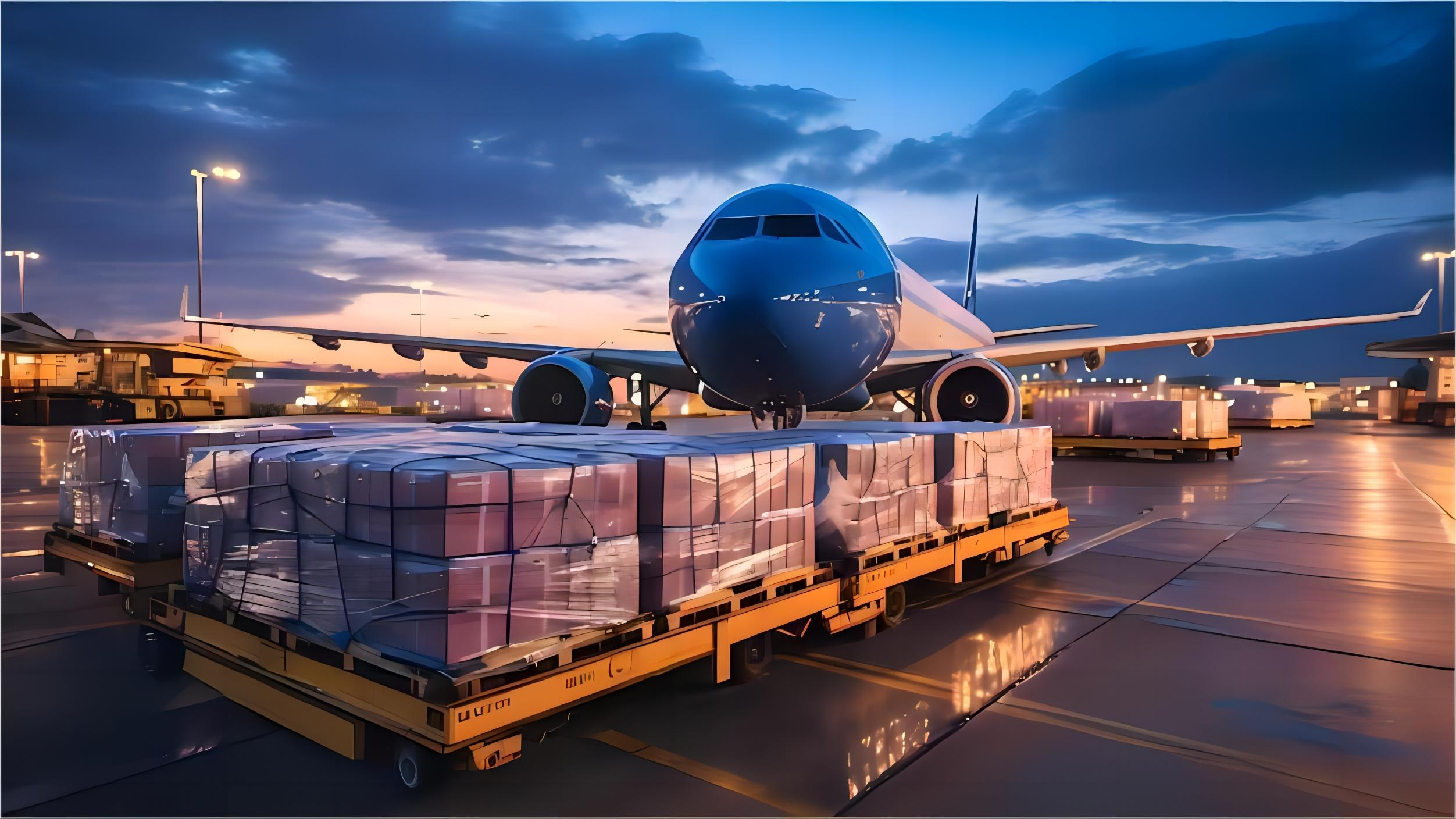
How Does Air Freight Compare to Other Shipping Options?
Choosing the right transport mode is a critical decision that directly impacts your profit margins and customer satisfaction levels. While sea freight remains the most economical choice for massive volume shipments, it simply cannot compete with the velocity of air transport. Consequently, businesses often prioritize air cargo for high-value electronics, seasonal fashion collections, or urgent industrial replacement parts that require immediate delivery.
Specifically, air transport reduces the total transit time by several weeks compared to ocean routes, which currently take 30 to 45 days. In contrast, air shipments typically arrive within a week, allowing companies to maintain leaner inventory levels and respond faster to market shifts. Indeed, the trade-off for this speed is a higher cost per kilogram, making it essential to calculate the value-to-weight ratio of your goods before booking.
| Shipping Method | Cost Range | Transit Time | Best For |
|---|---|---|---|
| Air Freight | $4.50 – $8.50 / kg | 3 – 7 Days | High-value / Urgent |
| Sea Freight | $1,800 – $4,200 / 40HQ | 30 – 45 Days | Bulk / Heavy Cargo |
| Rail Freight | $120 – $180 / CBM | 15 – 22 Days | Mid-range Budget |
Understanding Transit Times for Air Freight China to Germany
Standard air freight services between these two economic powerhouses generally require between 3 and 7 business days for completion. Moreover, the total duration depends heavily on the specific departure airport in China and the final destination hub within Germany. For instance, direct flights from Shanghai Pudong to Frankfurt International are significantly faster than indirect routes requiring transshipment in third-party hubs.
However, shippers who require even faster results can opt for premium express services that prioritize cargo handling at every stage of the journey. These services often reduce the door-to-door timeline to just 48 to 72 hours, which is ideal for critical documents or medical supplies. Carriers like Lufthansa Cargo and Air China provide frequent scheduled flights that ensure consistent capacity even during the busiest periods of the year.
Meanwhile, seasonal factors such as the Lunar New Year or the Golden Week holiday can lead to temporary congestion at Chinese airports. Therefore, planning your delivery schedule at least two weeks in advance during these peak windows is a strategic necessity for avoiding delays. Reliable logistics providers will always monitor these patterns to provide accurate arrival estimates for your planning purposes.
Calculating Shipping Costs and 2026 Freight Rates
Pricing for air transport is determined by either the actual weight or the volumetric weight of the cargo, whichever is greater. As a result, lightweight but bulky items like pillows or plastic components can be surprisingly expensive to ship by air compared to dense machinery. In early 2026, market rates have stabilized at approximately $5.00 to $7.50 per kilogram for standard shipments exceeding 100 kilograms.
Additionally, choosing a door to door shipping model can simplify your budgeting by consolidating all local and international charges into a single quote. This approach typically includes the costs of local pickup in China, export documentation, the international flight, and final delivery to your German warehouse. Furthermore, fuel surcharges remain a variable component that fluctuates based on global energy market conditions throughout the year.
Note: Freight rates are subject to change based on fuel costs, carrier capacity, and seasonal demand. Contact us for a current quote tailored to your specific shipment.
| Weight Bracket | Estimated Rate (per kg) | Service Level | Handling Priority |
|---|---|---|---|
| 45 – 100 kg | $7.50 – $9.00 | Standard Air | Medium |
| 101 – 500 kg | $5.50 – $7.00 | Standard Air | High |
| Over 500 kg | $4.50 – $6.00 | Economy Air | Standard |
Customs Brokerage and Import Requirements in Germany
Navigating the German customs landscape requires meticulous attention to detail and a thorough understanding of European Union trade regulations. Utilizing professional customs brokerage services is the most effective way to prevent costly border delays and ensure compliance with all local laws. Consequently, importers must ensure that their EORI number is active and that all product classifications are accurately declared using the correct HS codes.
Therefore, the preparation of essential documentation should begin well before the aircraft departs from the Chinese loading port. Required documents generally include a commercial invoice, a detailed packing list, a certificate of origin, and the Air Waybill provided by the carrier. In addition, certain products like electronics or chemicals may require specific safety certifications or environmental compliance declarations to enter the German market.
German authorities are known for their efficiency but also for their strict adherence to procedural requirements for non-EU imports. Nevertheless, a well-organized shipment with clear documentation typically clears customs within 24 hours of arrival at major airports like Munich or Hamburg. This rapid processing is a hallmark of the German logistics infrastructure and a primary reason why air freight is so effective for this route.

Amazon FBA Solutions for German E-commerce Sellers
Many digital entrepreneurs rely on specialized Amazon FBA shipping services to maintain their stock levels in European fulfillment centers. Shipping directly from Chinese factories to Amazon warehouses in Germany via air provides a massive competitive advantage during high-traffic sales events like Prime Day. Without a doubt, the speed of air freight allows sellers to restock popular items in days rather than months, preventing lost revenue from stockouts.
Moreover, specialized forwarders can handle the labeling and palletization requirements mandated by Amazon, ensuring that your goods are accepted without issue upon arrival. This end-to-end service model reduces the administrative burden on the seller and allows them to focus on marketing and product development. Additionally, the ability to ship smaller, more frequent batches by air helps maintain a healthy cash flow compared to tying up capital in large sea shipments.
Which Option Should You Choose? Decision Framework
Selecting the ideal shipping method involves a careful analysis of your budget, delivery deadlines, and the nature of your cargo. If your primary goal is the lowest possible cost and your timeline is flexible, sea transport is the logical choice for your business. On the other hand, if you are shipping high-value goods or facing a strict deadline, air freight China to Germany is the only viable solution to meet your objectives.
Beyond these two extremes, rail freight offers a compelling middle-ground for shipments entering Europe from the East. It provides a transit time of roughly 18 to 22 days at a cost significantly lower than air transport, making it an excellent alternative for non-urgent industrial goods. Ultimately, a hybrid strategy that utilizes different modes based on seasonal demand often yields the best long-term results for growing companies.
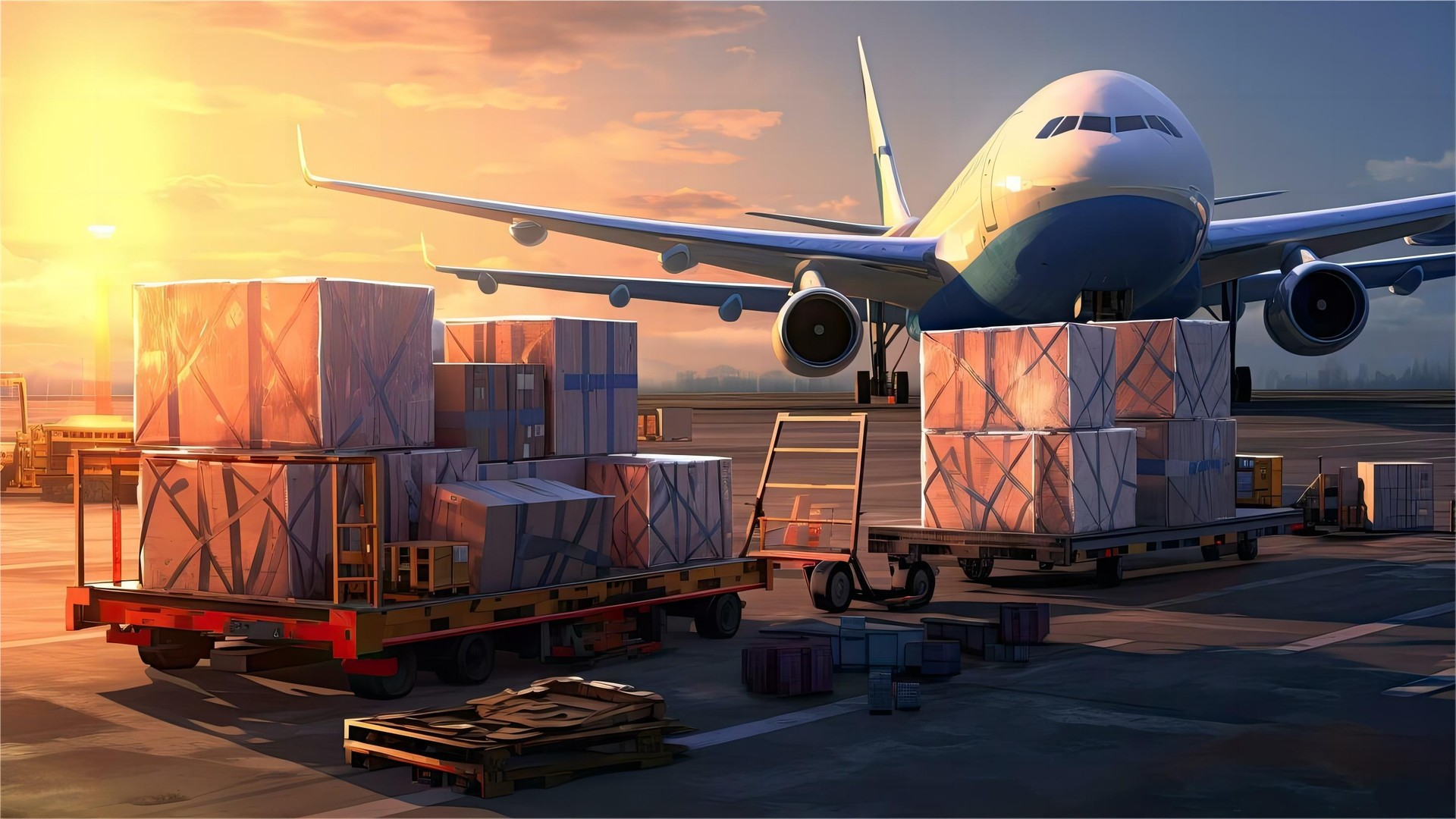
Real Case Studies from 2025 and 2026
Successful logistics operations are best understood through real-world examples that highlight the challenges and solutions encountered in the field. Below are two scenarios based on actual shipments managed by our team during the current 2026 market cycle.
Case Study 1: Urgent Electronics Dispatch Route: Shenzhen, China to Berlin, Germany Cargo: High-end smartphones, 2.5 CBM, 450 kg Container: Air Cargo Pallet Shipping Details: – Carrier/Service: Major international carrier – Port of Loading: Shenzhen Baoan – Port of Discharge: Berlin Brandenburg – Route Type: Direct Cost Breakdown: – Air Freight: $2,850 – Origin Charges: $320 – Destination Charges: $450 – Customs and Duties: $1,200 – Total Landed Cost: $4,820 Timeline: – Booking to Loading: 1 day – Air Transit: 3 days – Customs Clearance: 1 day – Total Door-to-Door: 5 days Key Insight: Direct flight routing minimized handling risks for fragile electronics and met a strict product launch deadline.
Case Study 2: Industrial Parts for Manufacturing Route: Shanghai, China to Munich, Germany Cargo: Automotive precision components, 1.2 CBM, 800 kg Container: Standard Air Freight Shipping Details: – Carrier/Service: Lufthansa Cargo – Port of Loading: Shanghai Pudong – Port of Discharge: Munich International – Route Type: Direct Cost Breakdown: – Air Freight: $4,400 – Origin Charges: $280 – Destination Charges: $390 – Customs and Duties: $950 – Total Landed Cost: $6,020 Timeline: – Booking to Loading: 2 days – Air Transit: 4 days – Customs Clearance: 1 day – Total Door-to-Door: 7 days Key Insight: Using a premium carrier ensured the factory line in Munich did not experience downtime due to missing parts.
Final Thoughts on Air Freight Logistics
Summarizing the current landscape, air freight China to Germany remains the gold standard for speed and reliability in international trade. While the costs are higher than surface transport, the benefits of rapid transit and enhanced security often outweigh the price difference for modern businesses. By understanding the market trends of 2026 and partnering with an experienced freight forwarder, you can navigate customs and logistics challenges with ease.
Indeed, the future of global trade depends on the ability to move goods across continents with precision and efficiency. Whether you are shipping electronics, fashion, or industrial components, air transport provides the agility needed to compete in the German market. We encourage you to evaluate your current shipping strategy and consider the significant advantages that professional air cargo services can bring to your operations.
Get Your Shipping Quote Today
Are you ready to streamline your supply chain with the most reliable air freight China to Germany services available in 2026? Contact our team of logistics experts today to receive a customized quote and discover how we can accelerate your international growth. Visit our website to start your inquiry now.
Request Quote