

Cargo Shipping China to Netherlands: 2026 Logistics Guide
“Navigating the complexities of cargo shipping China to Netherlands requires a strategic approach to balance speed and cost effectively. Businesses looking for reliable solutions can partner with Top China Logistics to streamline their global supply chain operations. This comprehensive guide explores the most efficient methods to move your goods across the globe in 2026 while maintaining high delivery standards.”
What are the Main Methods for Cargo Shipping China to Netherlands?
❖Choosing the right transportation mode is the first step in optimizing your logistics strategy for the European market. Importers typically select between ocean, rail, and air transport based on their specific budget and timeline requirements.
Moreover, each method offers distinct advantages depending on the volume and nature of the goods being moved from Chinese manufacturing hubs. For instance, high-volume commodities benefit from the scale of maritime transport, whereas high-value electronics often require the speed of air transit.
Additionally, the geographical position of the Netherlands as the ‘Gateway to Europe’ makes it a primary destination for multimodal shipping solutions. Consequently, understanding the nuances of each transport mode is essential for maintaining a competitive edge in 2026.
The Dominance of Ocean Freight
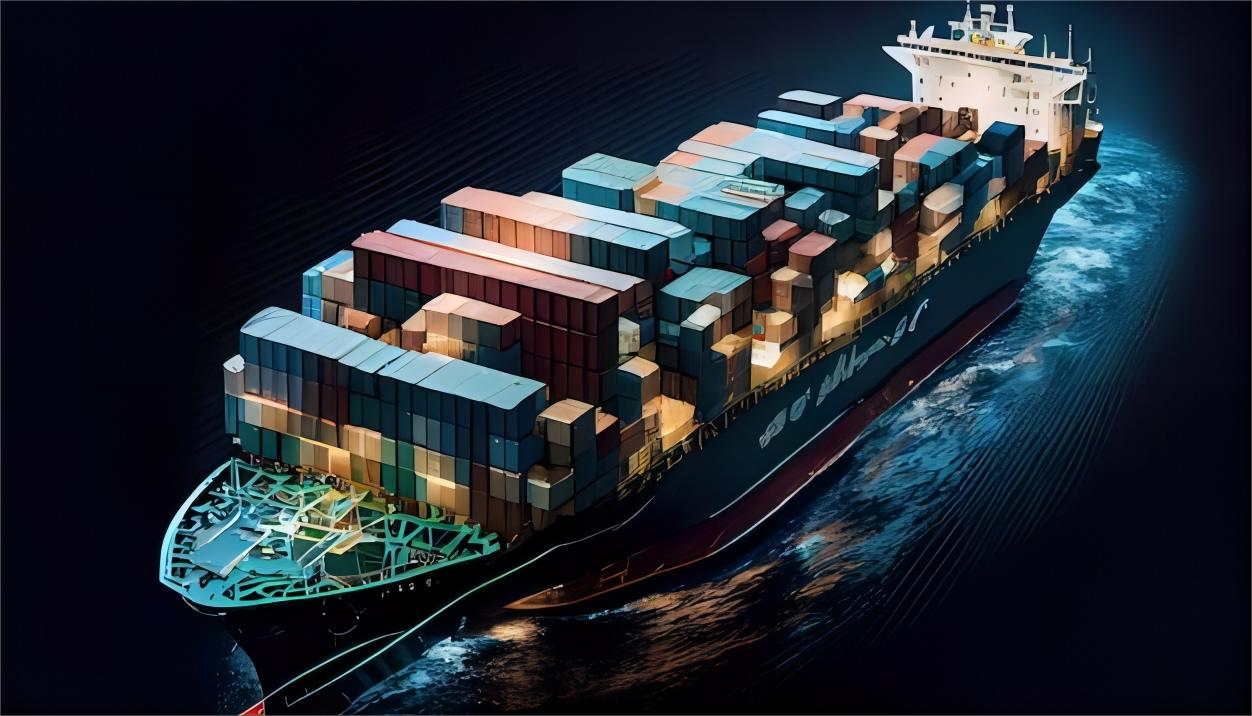
Ocean transport remains the backbone of international trade due to its unmatched capacity and cost-effectiveness for large shipments. Most businesses prefer sea freight when moving full container loads or heavy industrial machinery.
Furthermore, the Port of Rotterdam serves as a massive hub, allowing for efficient distribution throughout the Benelux region and beyond. Indeed, the low carbon footprint per ton-mile makes this a sustainable choice for environmentally conscious enterprises.
How Does Sea Freight Compare to Other Shipping Options?
❖Comparing sea freight to its alternatives reveals significant trade-offs between transit time and total landed costs. While sea freight is the most economical, it also requires the longest lead times, often exceeding five weeks in the current market.
On the other hand, rail freight has emerged as a middle-ground solution that offers faster delivery than ships but at a lower price point than planes. Therefore, companies must evaluate their inventory turnover rates before committing to a specific shipping method.
Specifically, for shipments under 15 CBM, LCL at 50-80 dollars per CBM may be more economical than a full container. Conversely, direct routes cost 10-15 percent more but save 5-7 days compared to transshipment via Singapore or Port Klang.
| Shipping Method | Cost Range | Transit Time | Best For |
|---|---|---|---|
| Sea Freight | $1,800 – $4,200 | 28 – 40 Days | Bulk Goods |
| Rail Freight | $2,500 – $5,500 | 15 – 22 Days | Mid-value |
| Air Freight | $4.50 – $9.00/kg | 3 – 7 Days | Urgent Items |
| Express | $8.00 – $15.00/kg | 2 – 4 Days | Small Parcels |
Why Choose Rail Freight for Your Netherlands Shipments?
❖Utilizing the ‘Iron Silk Road’ provides a reliable alternative for cargo shipping China to Netherlands during peak maritime seasons. Many shippers find that rail freight offers a consistent schedule that is less susceptible to port congestion.
Additionally, rail transport is particularly effective for goods coming from inland Chinese cities like Chengdu or Xi’an. Because these cities are far from coastal ports, shipping by rail directly to Tilburg or Rotterdam can save several days of domestic trucking.
Nevertheless, capacity on rail lines can be limited, making early booking essential for securing space during the busy Q3 and Q4 periods. Consequently, this method is ideal for automotive parts and seasonal consumer goods that need a predictable arrival window.
Is Air Freight the Best Choice for Urgent Cargo?
❖Speed is the primary driver for selecting air freight when shipping from China to Dutch airports like Schiphol. Although the costs are significantly higher, the reduced transit time allows for rapid inventory replenishment and better cash flow management.
Furthermore, air transport provides superior security for high-value items, reducing the risk of theft or damage during long voyages. Indeed, most perishable goods and time-sensitive fashion items are moved exclusively through air corridors to ensure freshness and market relevance.
However, businesses must account for strict weight and volume restrictions that apply to air cargo. For shipments exceeding 500 kilograms, the cost difference between air and sea becomes a critical factor in the overall profitability of the import operation.
What are the 2026 Shipping Costs and Transit Times?
❖Market data suggests that freight rates have stabilized in early 2026 following the disruptions seen in previous years. Understanding the current pricing landscape helps importers budget accurately and avoid unexpected surcharges during the shipping process.
Notably, rates typically increase 15-25 percent during the August-October peak season as retailers prepare for the holiday rush. Importers should also monitor fuel adjustment factors, as these can fluctuate based on global energy market trends.
Typical rates as of early 2026 show that a 40HQ container from Shanghai to Rotterdam ranges between 3,100 and 4,300 dollars. Meanwhile, LCL rates for smaller shipments remain competitive for those who do not require a full container.
| Container Type | Sea Freight | Rail Freight | Max Weight |
|---|---|---|---|
| 20GP FCL | $1,900 – $2,600 | $2,800 – $3,500 | 18,000 kg |
| 40GP FCL | $2,900 – $3,900 | $4,200 – $5,200 | 26,000 kg |
| 40HQ FCL | $3,100 – $4,300 | $4,500 – $5,500 | 26,000 kg |
Pricing Disclaimer
Note: Freight rates are subject to change based on fuel costs, carrier capacity, and seasonal demand. Contact us for a current quote tailored to your specific shipment. Market intelligence indicates that early booking is the best strategy for rate stability.
How Do You Handle Customs Clearance in the Netherlands?
❖Navigating the Dutch customs environment requires precision and a thorough understanding of EU import regulations. Professional customs brokerage services are vital for ensuring that all duties and taxes are calculated correctly.
Moreover, the Netherlands uses the VAT reverse charge mechanism under Article 23, which can significantly improve cash flow for registered businesses. This allows importers to defer the payment of import VAT to their periodic tax return instead of paying it at the border.
Consequently, having a complete set of documentation is the most effective way to avoid delays at the Port of Rotterdam. Without the correct HS codes and origin certificates, cargo can be held for inspection, leading to costly demurrage fees.
| Document Name | Required For | Purpose | Source |
|---|---|---|---|
| Commercial Invoice | All Shipments | Value Proof | Shipper |
| Packing List | All Shipments | Cargo Detail | Shipper |
| Bill of Lading | Sea / Rail | Title/Receipt | Carrier |
| Certificate of Origin | Specific Goods | Duty Rate | Chamber |
Door to Door Services: Are They Worth the Investment?
❖Simplifying your logistics through door to door shipping eliminates the need to manage multiple vendors. This comprehensive service covers everything from factory pickup in China to final delivery at your Dutch warehouse.
Additionally, this approach provides a single point of accountability, which is invaluable when issues like port delays or trucking shortages arise. Importers can focus on their core business while the freight forwarder handles the minute details of the journey.
Indeed, for smaller businesses or those new to international trade, the convenience of a managed solution often outweighs the slight premium in service fees. Therefore, it is a highly recommended strategy for maintaining a lean and efficient supply chain.
Which Option Should You Choose?
❖Deciding on the best method for cargo shipping China to Netherlands depends on your specific priorities regarding budget, speed, and volume. If your primary goal is cost reduction and you have flexible timelines, sea freight is the undisputed winner.
Conversely, if you are handling high-value goods with a short shelf life, air freight provides the necessary speed to meet market demands. For those seeking a balance, rail freight offers a compelling alternative that combines reasonable costs with decent transit times.
Furthermore, consider hybrid solutions like sea-air or rail-sea combinations to optimize routes during periods of high congestion. According to industry benchmarks, diversifying your shipping methods is the best way to mitigate risks in the 2026 logistics landscape.
Decision Framework Criteria
Budget priority: Recommend sea freight for maximum savings on large volumes. Speed priority: Recommend air freight for delivery within one week. Volume thresholds: For shipments under 2 CBM, consider express services for better value. Cargo type: Use rail for heavy machinery that needs to arrive faster than a ship.
Real Case Studies: Shipping Success Stories
❖Reviewing actual shipping scenarios provides practical insights into how different methods perform in real-world conditions. These cases illustrate the typical costs and timelines associated with cargo shipping China to Netherlands in the current market.
Case Study 1: High Volume Electronics. Route: Shenzhen, China to Rotterdam, Netherlands. Cargo: Consumer Electronics, 12 CBM, 2800 kg. Container: LCL 12 CBM. Shipping Details: Carrier: Major carrier, Port of Loading: Shenzhen, Port of Discharge: Rotterdam, Route Type: Direct. Cost Breakdown: Ocean Freight: $960, Origin Charges: $250, Destination Charges: $400, Customs and Duties: $1,200, Total Landed Cost: $2,810. Timeline: Booking to Loading: 4 days, Sea Transit: 32 days, Customs Clearance: 2 days, Total Door-to-Door: 38 days. Key Insight: Consolidating LCL cargo saved the client 40 percent compared to air freight while meeting the quarterly inventory target.
Case Study 2: Industrial Parts via Rail. Route: Chengdu, China to Tilburg, Netherlands. Cargo: Auto Parts, 40HQ Container. Container: 40HQ. Shipping Details: Carrier: China Railway Express, Port of Loading: Chengdu Terminal, Port of Discharge: Tilburg Terminal, Route Type: Direct Rail. Cost Breakdown: Rail Freight: $5,200, Origin Charges: $300, Destination Charges: $450, Customs and Duties: $2,100, Total Landed Cost: $8,050. Timeline: Booking to Loading: 5 days, Rail Transit: 18 days, Customs Clearance: 1 day, Total Door-to-Door: 24 days. Key Insight: Based on Q1 2026 market rates, rail freight allowed the manufacturer to bypass Red Sea maritime delays and maintain their production schedule.
Summary of Logistics Success
To summarize, successful cargo shipping China to Netherlands relies on selecting the right partner and the most appropriate transport mode. Whether you prioritize the cost savings of sea freight or the speed of air cargo, understanding the 2026 market trends is crucial.
By implementing the strategies discussed in this guide, you can ensure your goods arrive safely and efficiently at their destination. Ultimately, a well-managed supply chain is the foundation of a successful international trade operation in the European market.
Ready to streamline your logistics?
Optimizing your cargo shipping China to Netherlands strategy is essential for business growth in 2026. Contact our expert team today to receive a customized quote and discover how we can streamline your Dutch imports. Send Inquiry to Top China Logistics for the best rates and reliable service.
Request Quote