

Door to Door Shipping China to Brazil: 2026 Logistics Guide
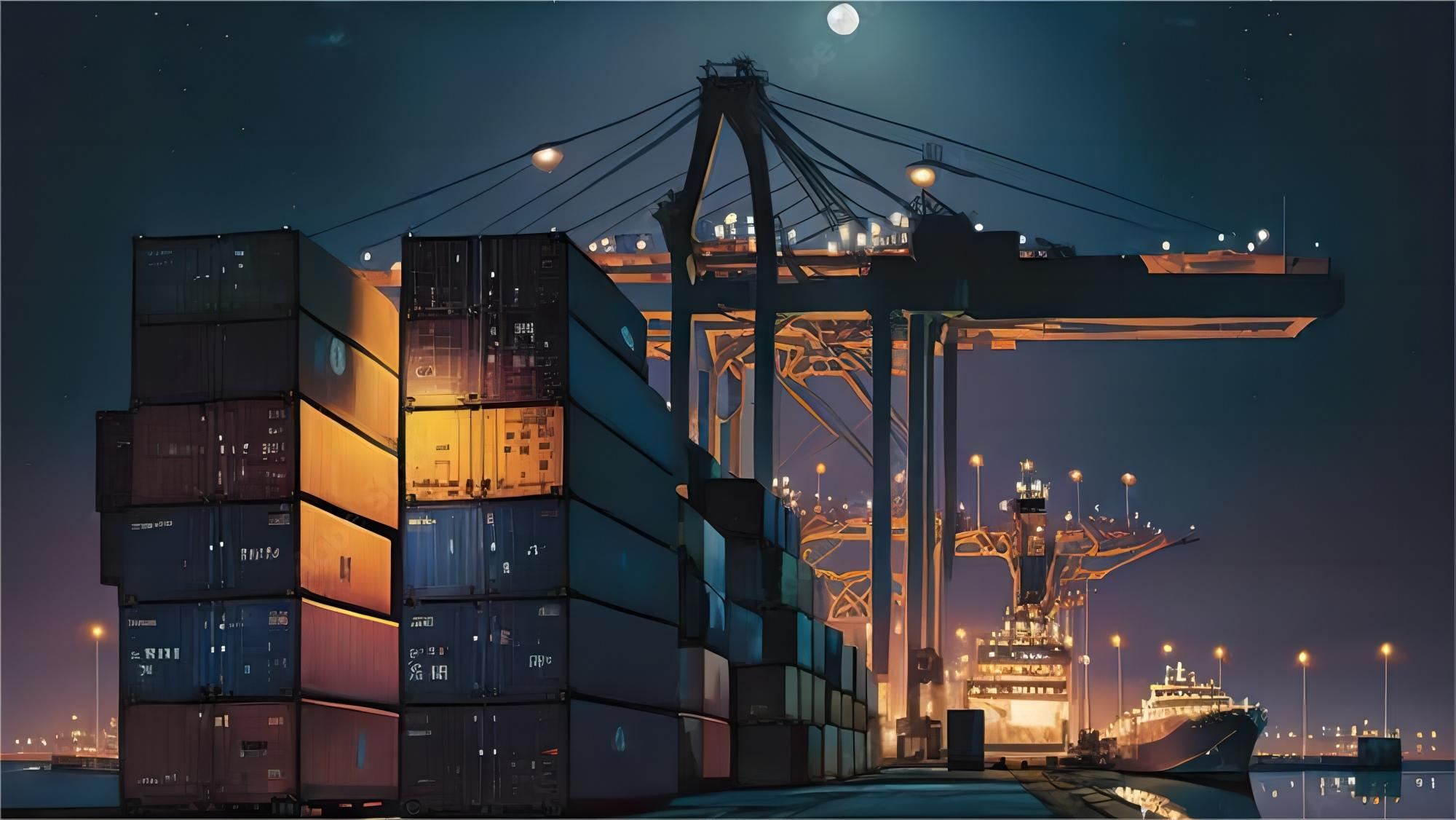
“Navigating the complexities of door to door shipping China to Brazil requires a strategic partner like Top China Logistics. Businesses often face hurdles with long transit times and intricate customs regulations in South America. This guide provides a comprehensive overview of how to streamline your supply chain for maximum efficiency in 2026. Consequently, understanding these logistics nuances helps importers reduce costs and avoid delivery delays.”
Understanding Door to Door Shipping China to Brazil
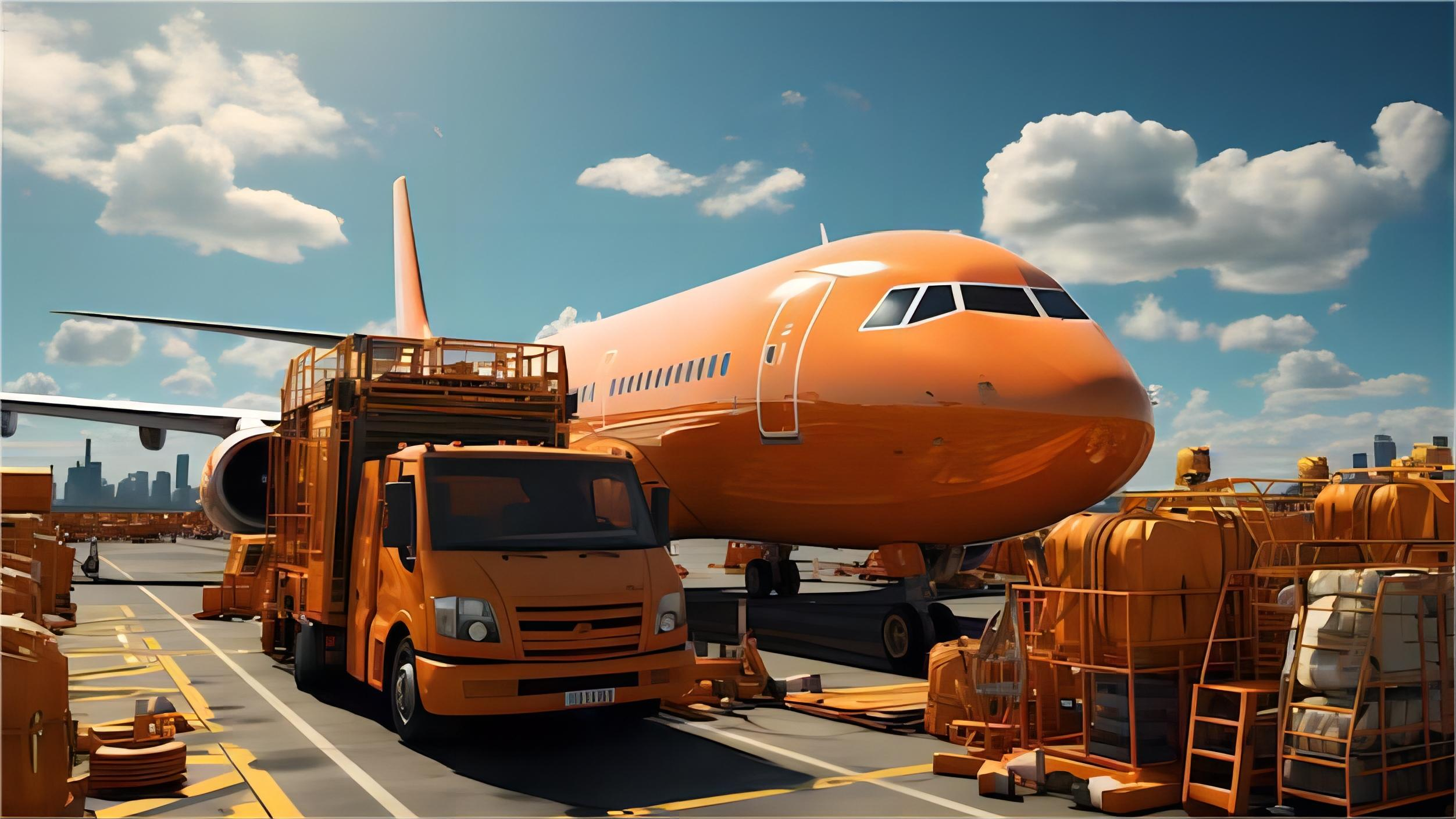
❖Door to door shipping China to Brazil simplifies the entire logistics chain by handling everything from the supplier’s warehouse to the final destination. Traditionally, international trade involved multiple handovers, which increased the risk of damage or loss. However, modern logistics providers now offer integrated solutions that cover pickup, international transport, and local delivery. This approach minimizes the administrative burden on the importer.
Moreover, this service model typically includes the crucial step of customs clearance. Brazil is known for its rigorous and sometimes bureaucratic import processes. Therefore, having a single entity manage the flow of goods ensures that documentation remains consistent throughout the journey. In addition, businesses can better predict their landed costs when using an all-inclusive service.
Logistics trends in early 2026 show a significant shift toward digital tracking and automated scheduling for these routes. Furthermore, the integration of real-time data allows companies to monitor their shipments across the Pacific and Atlantic oceans. As a result, supply chain visibility has reached unprecedented levels, providing peace of mind to small and large enterprises alike.
Why Choose Door to Door Services for Brazilian Imports?
❖Choosing a comprehensive service package offers several strategic advantages for companies importing from Asia. Primarily, it eliminates the need for the buyer to coordinate with separate freight forwarders, customs brokers, and local trucking firms. Consequently, this centralization reduces communication errors that often lead to costly storage fees at Brazilian ports.
Additionally, many providers offer DDP (Delivered Duty Paid) or DDU (Delivered Duty Unpaid) options within their door to door shipping solutions. While Brazil’s tax system is complex, a professional logistics partner can calculate duties accurately. Indeed, this prevents the common issue of shipments being held by the Receita Federal due to incorrect tax declarations.
Efficiency also improves because the logistics provider optimizes the route based on current port congestion. For example, if the Port of Santos is experiencing delays, the provider might redirect cargo to Paranagua or Rio Grande. Meanwhile, the importer receives updates without having to manage the rerouting process manually.
How Does Sea Freight Compare to Other Shipping Options?
❖When evaluating sea freight for the China to Brazil route, cost is usually the deciding factor. Sea transport remains the most economical method for large volumes of cargo, such as machinery or consumer electronics. However, the transit time is significantly longer compared to air alternatives, often taking between 35 and 50 days.
In contrast, air freight offers speed but at a much higher price point. For most businesses, the choice depends on the urgency of the inventory and the value of the goods. For instance, high-fashion items or urgent spare parts justify the cost of air transport, whereas bulk raw materials do not. Accordingly, a hybrid approach is sometimes used to balance budget and speed.
Market data from Q1 2026 suggests that sea freight rates have stabilized after the fluctuations seen in previous years. Nevertheless, seasonal peaks during the Chinese New Year and the Brazilian holiday season can still impact availability. Therefore, booking at least 4 to 6 weeks in advance is highly recommended for sea shipments.
| Shipping Method | Cost Range | Transit Time | Best For |
|---|---|---|---|
| Sea Freight (FCL) | $3,500 – $5,500 | 35 – 45 Days | Large Bulk Shipments |
| Sea Freight (LCL) | $80 – $150 per CBM | 40 – 55 Days | Small Business Cargo |
| Air Freight | $6.50 – $12.00 per kg | 5 – 10 Days | High-Value Goods |
| Express Service | $15.00 – $25.00 per kg | 3 – 7 Days | Urgent Samples |
Air Freight Solutions for Time-Sensitive Cargo
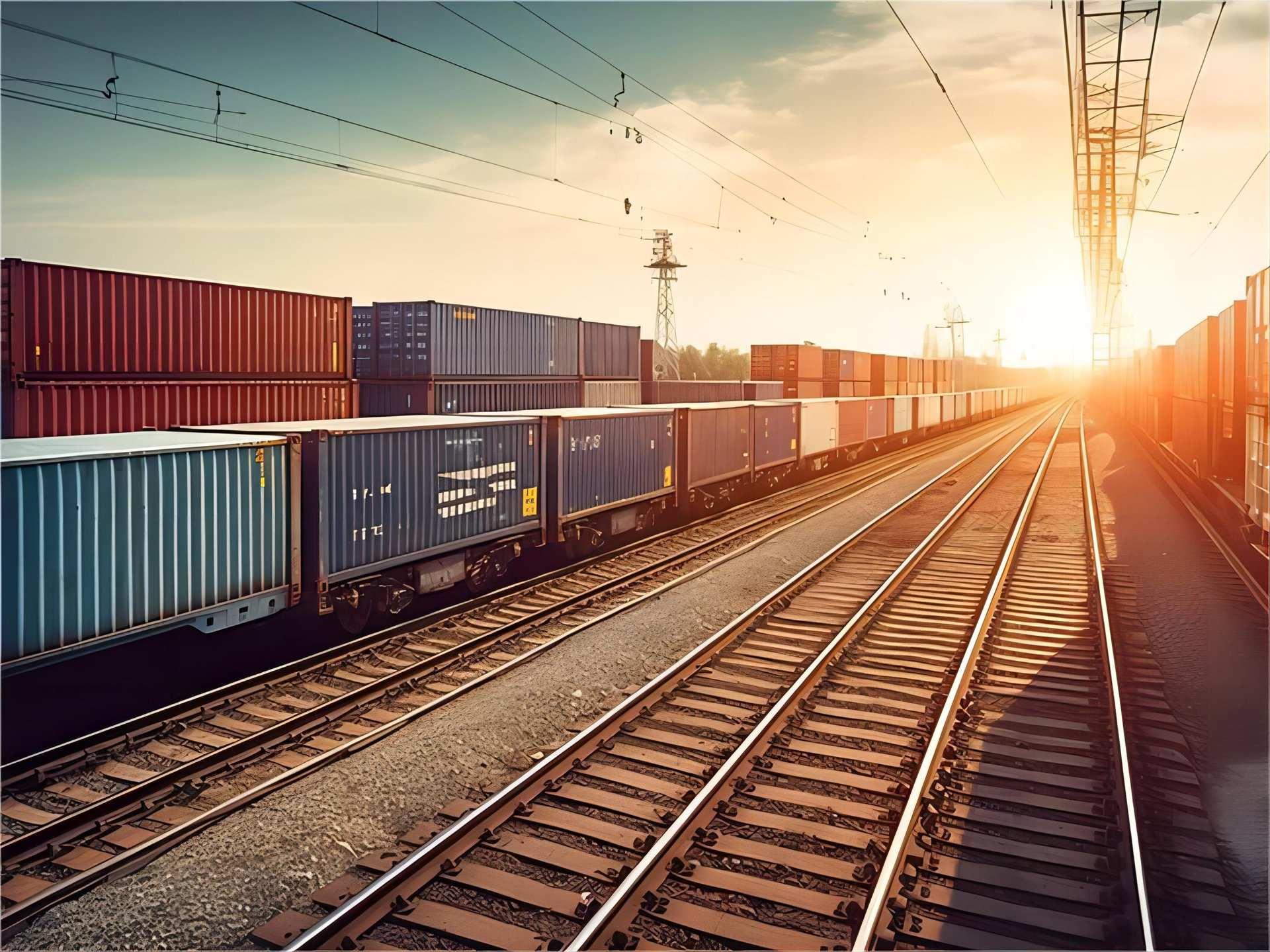
❖Utilizing air freight is essential when the delivery schedule is tight. While the cost is higher, the reduction in transit time can save a company from production shutdowns or missed sales opportunities. Furthermore, air transport provides a higher level of security for fragile or sensitive items.
Consequently, many tech companies rely on these services to move components from Shenzhen to Sao Paulo quickly. In addition, the shorter duration reduces the amount of capital tied up in ‘in-transit’ inventory. On the other hand, weight and volume restrictions mean that air freight is not suitable for all types of cargo.
For very small parcels, express services are often the most practical choice. These services include expedited customs clearance and are ideal for documents or product prototypes. Indeed, for shipments under 100kg, the price difference between standard air freight and express becomes negligible.
Navigating Brazil Customs Clearance and Documentation
❖Successful import operations depend heavily on professional customs brokerage services. Brazil uses a ‘Channel’ system (Green, Yellow, Red, Gray) to determine the level of inspection for incoming goods. Without a doubt, ensuring all paperwork is perfect is the only way to increase the chances of a Green Channel clearance.
Important documents include the Commercial Invoice, Packing List, and the Bill of Lading. Additionally, many products require an Import License (LI) from specific Brazilian agencies like ANVISA or INMETRO. If these licenses are missing, the cargo could face indefinite delays or even seizure. Consequently, verifying these requirements before the ship leaves China is vital.
Moreover, the ‘Radar’ system in Brazil requires all importers to be registered with the federal revenue service. Therefore, new businesses should ensure their Radar license is active and has sufficient financial capacity for the intended shipment volume. Meanwhile, a local broker can help navigate the specific tax codes known as NCM (Nomenclatura Comum do Mercosul).
| Document Name | Purpose | Required By | Urgency |
|---|---|---|---|
| Commercial Invoice | Value Declaration | Customs / Tax | Critical |
| Packing List | Content Verification | Warehouse / Customs | High |
| Bill of Lading | Title of Goods | Carrier / Port | Critical |
| Import License | Regulatory Approval | Specific Agencies | Variable |
Real Case Studies: 2026 Logistics Scenarios
❖Case Study 1: Industrial Machinery to Santos
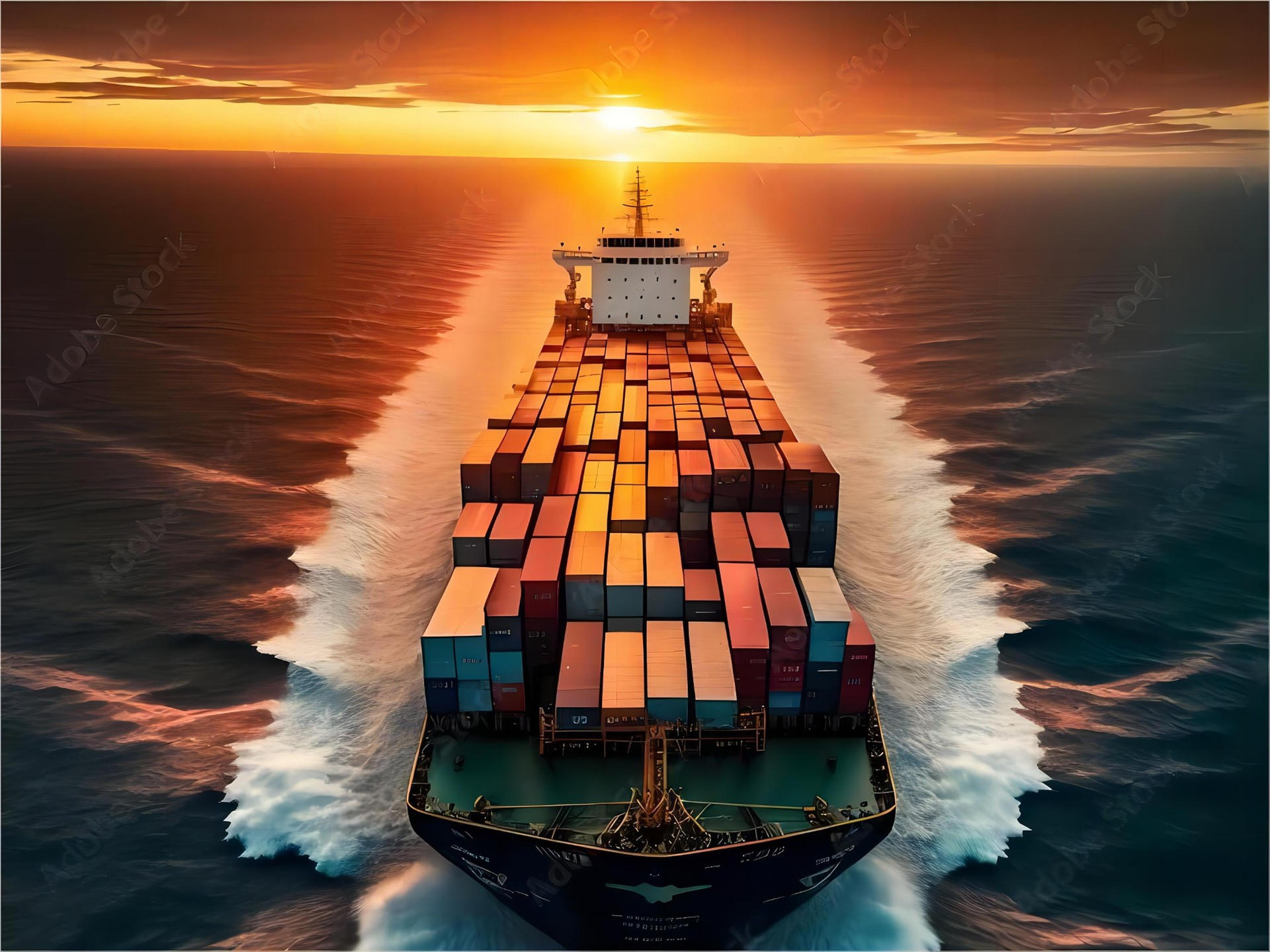
Route: Ningbo, China to Santos, Brazil. Cargo: CNC Milling Machines, 28 CBM, 12,000 kg. Container: 40GP FCL. Shipping Details: Major carrier via transshipment in Singapore. Cost Breakdown: Ocean Freight: $4,200. Origin Charges: $450. Destination Charges: $800. Customs and Duties: $15,000 (estimated). Total Landed Cost: $20,450. Timeline: Booking to Loading: 5 days. Sea Transit: 42 days. Customs Clearance: 8 days. Total Door-to-Door: 55 days. Key Insight: Early application for the Import License prevented a potential 15-day delay at the port.
Case Study 2: Consumer Electronics LCL Shipment
Route: Shenzhen, China to Sao Paulo (via Paranagua). Cargo: Smart Home Devices, 5 CBM, 1,200 kg. Container: LCL. Shipping Details: Direct consolidation service. Cost Breakdown: Ocean Freight: $650. Origin Charges: $200. Destination Charges: $550. Customs and Duties: $4,800. Total Landed Cost: $6,200. Timeline: Booking to Loading: 3 days. Sea Transit: 38 days. Customs Clearance: 6 days. Total Door-to-Door: 47 days. Key Insight: Using a direct LCL service reduced handling risks and saved 5 days compared to traditional transshipment routes.
Which Option Should You Choose? Decision Framework
❖Determining the right shipping method involves weighing several variables against your business priorities. If budget is your primary concern, sea freight is the logical choice for any shipment over 2 CBM. However, if your cargo is worth more than $50,000 and weighs less than 500kg, air freight might be more secure and cost-effective when considering insurance and capital costs.
For shipments between 10 CBM and 15 CBM, you should compare the cost of a 20GP container versus LCL rates. Sometimes, paying for a full container (FCL) is cheaper than paying per cubic meter in a shared container once handling fees are factored in. Additionally, FCL shipments generally clear customs faster because they do not depend on the clearance status of other shippers’ goods.
Volume thresholds also play a role in decision-making. If you are shipping less than 1 CBM, express services might be the most efficient route despite the higher per-kg rate. Consequently, businesses should perform a total landed cost analysis for each method before committing to a booking. This ensures that hidden fees do not erode your profit margins.
Cost-Saving Strategies for Shipping to Brazil
❖Reducing expenses in door to door shipping China to Brazil requires proactive planning and smart consolidation. One effective strategy is to consolidate multiple small orders from different suppliers into one larger shipment in China. This allows you to utilize FCL rates instead of more expensive LCL or air freight options. Furthermore, it simplifies the customs process by having a single set of documents.
Another approach is to optimize your packaging to reduce the volumetric weight of the cargo. Since air freight and LCL rates are often based on volume, minimizing wasted space directly lowers your shipping costs. Moreover, choosing the right Incoterms, such as FOB or EXW, can give you more control over the freight rates negotiated with your forwarder.
Finally, staying informed about market trends helps you avoid peak season surcharges. For example, shipping in early January or late February can be significantly cheaper than shipping right before the Lunar New Year. Indeed, market data suggests that rates can fluctuate by as much as 25% depending on the month. Note: Freight rates are subject to change based on fuel costs, carrier capacity, and seasonal demand. Contact us for a current quote tailored to your specific shipment.
Final Thoughts on Brazil Logistics
Mastering door to door shipping China to Brazil is a vital skill for any business looking to tap into the South American market. By understanding the differences between sea and air freight, preparing accurate documentation, and choosing the right logistics partner, you can ensure a smooth import process. Consequently, the time invested in planning will pay off in reduced delays and lower overall costs.
As we move through 2026, the logistics landscape continues to evolve with better technology and more efficient routes. Staying adaptable and informed about these changes will keep your business competitive. Remember that the cheapest option is not always the best if it results in damaged goods or missed deadlines. Therefore, prioritize reliability and transparency when selecting your shipping provider.
Ready to streamline your logistics?
Streamline your supply chain today with expert door to door shipping China to Brazil. Our team at Top China Logistics provides reliable, end-to-end solutions that take the stress out of South American imports. Visit our website to request a personalized quote and see how we can optimize your delivery schedule. Send Inquiry: https://topchinalogistics.com/
Request Quote