

Amazon FBA Shipping China to Brazil: 2026 Logistics Guide
“Sellers looking to expand their global footprint often find that navigating South American logistics requires a specialized approach. Successfully managing Amazon FBA shipping China to Brazil involves understanding complex tax structures and long-distance maritime routes. Top China Logistics offers the expertise needed to streamline this supply chain and ensure your products reach Brazilian fulfillment centers efficiently.”
What Are the Primary Methods for Amazon FBA Shipping China to Brazil?
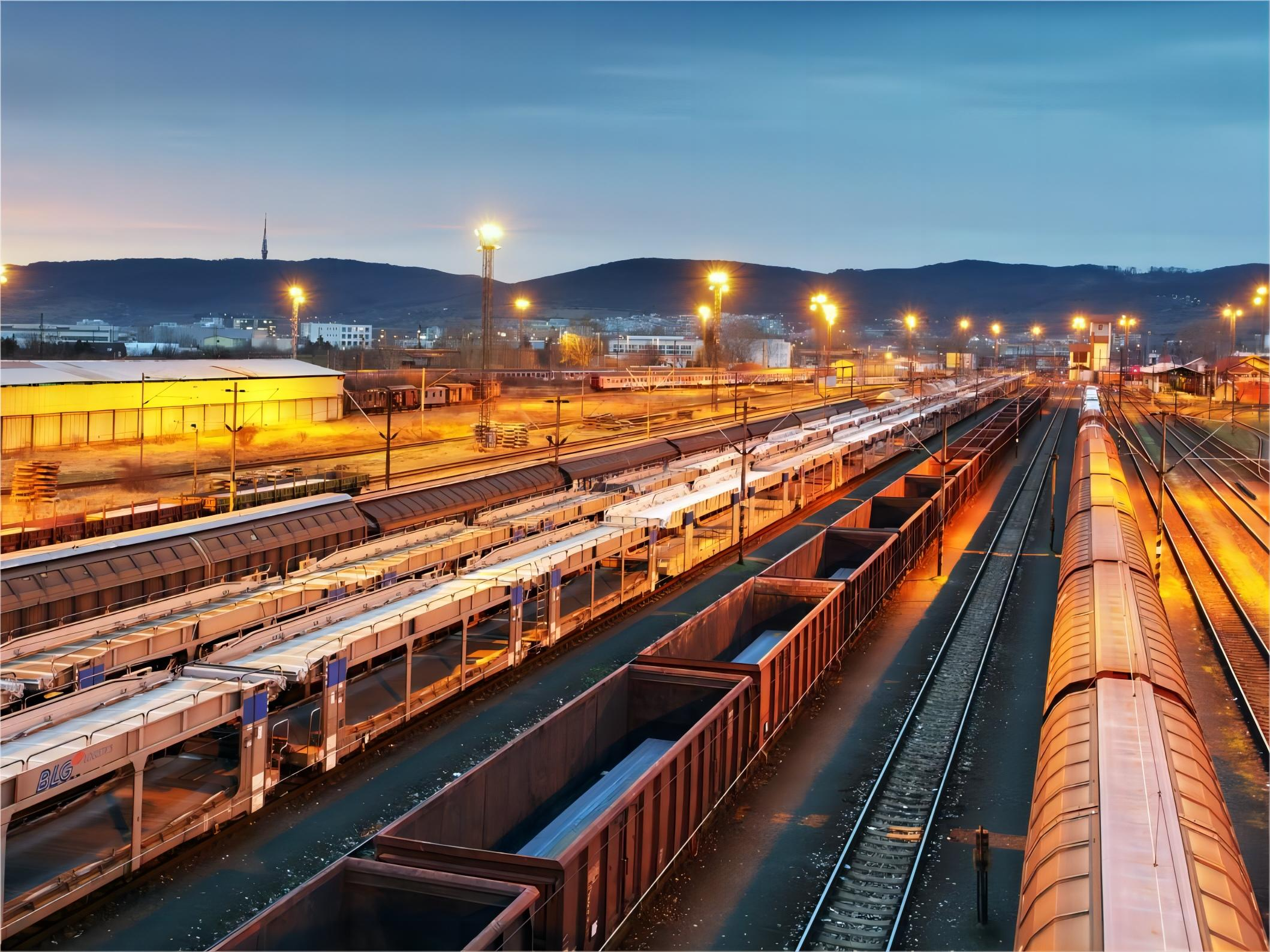
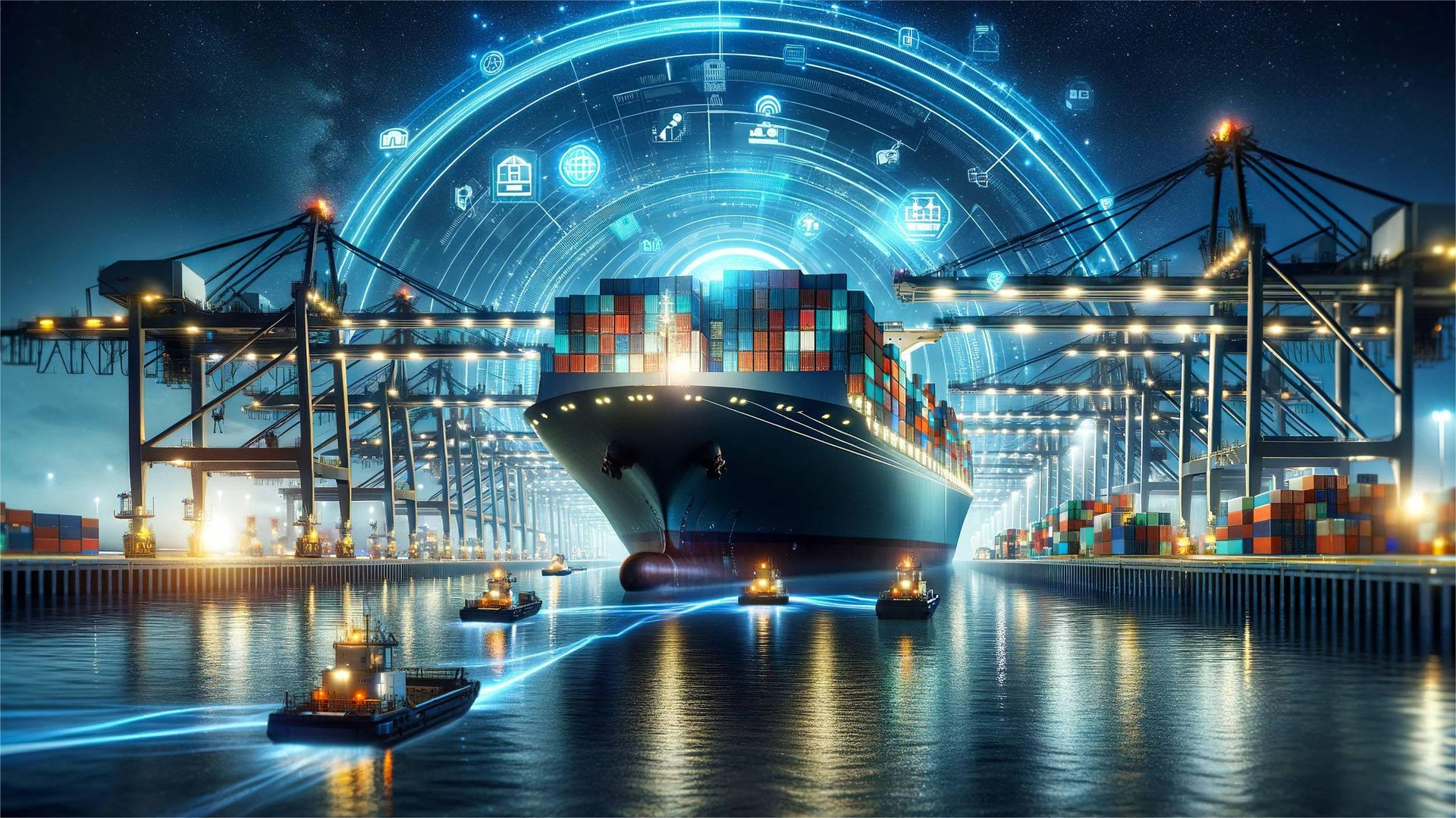
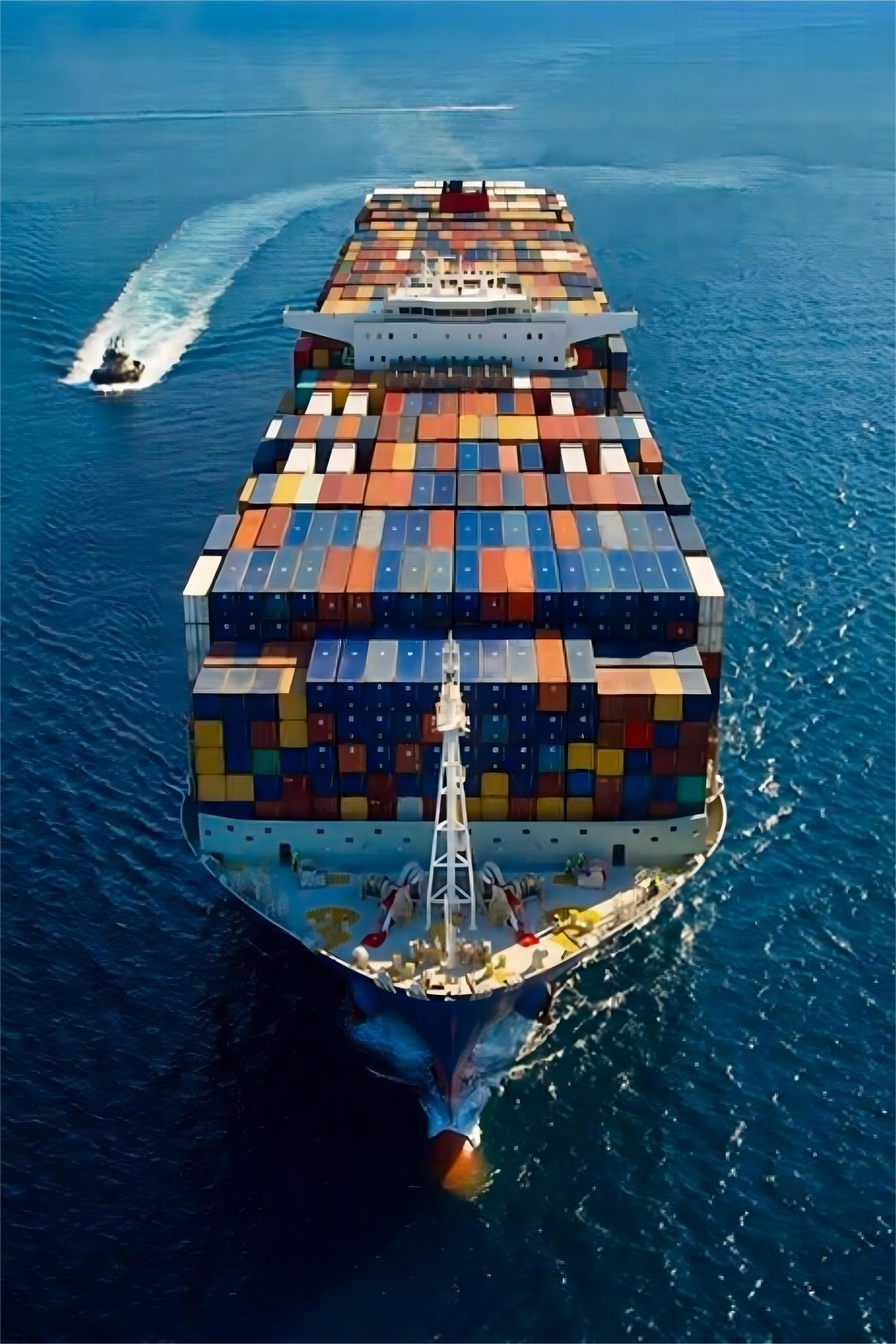
❖Choosing the right transportation mode is the first critical decision for any e-commerce business. Most sellers rely on sea freight to move large volumes of inventory due to its cost-effectiveness over long distances. However, the transit time for these shipments can exceed 40 days depending on the specific port of call.
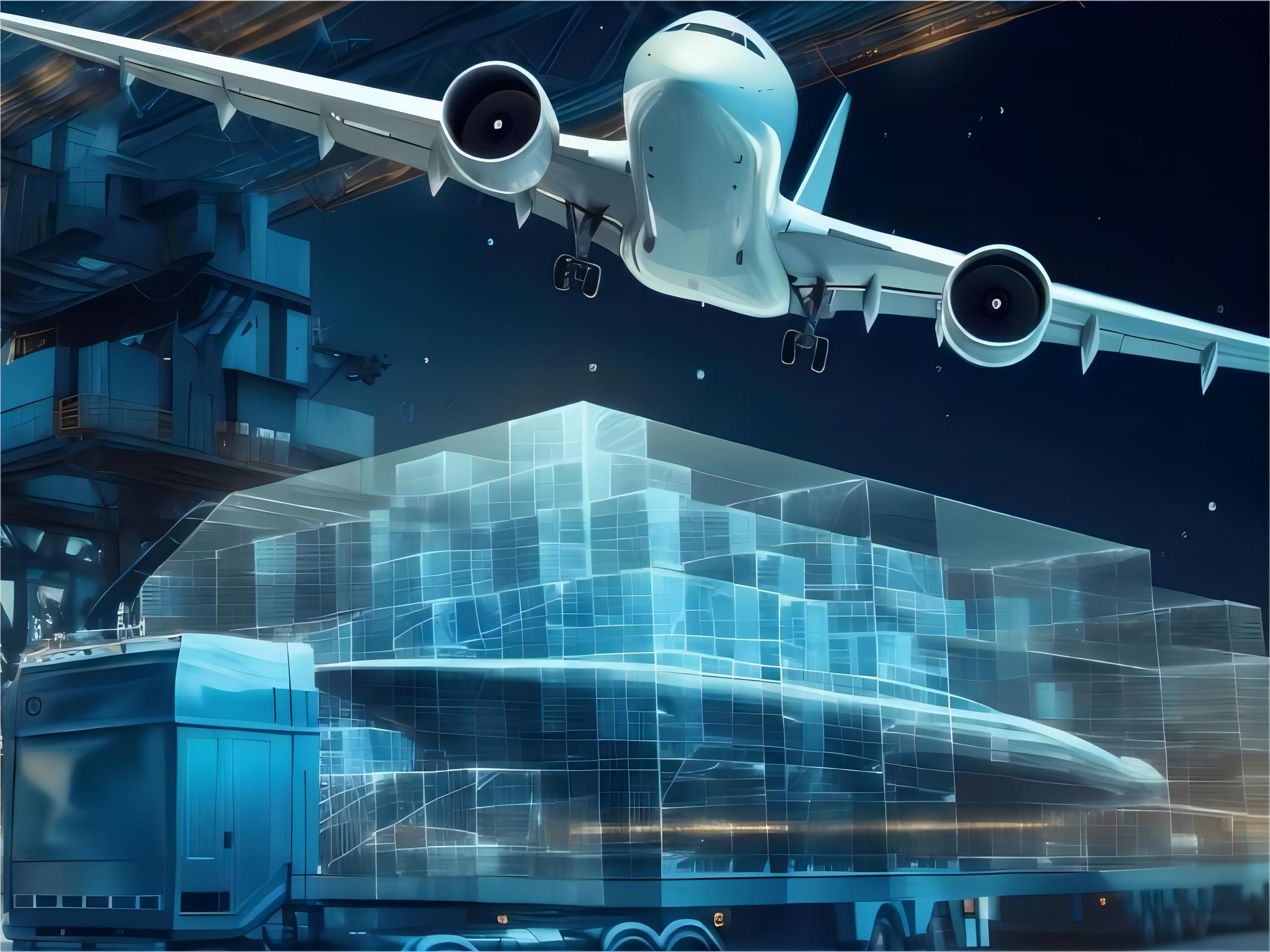
Alternatively, businesses with high-value or time-sensitive goods often prefer air freight for its speed and reliability. While air cargo rates 2026 have remained higher than ocean rates, the ability to restock inventory in under two weeks is invaluable. Consequently, many sellers adopt a hybrid strategy to balance their budget and speed requirements.
Furthermore, the choice between Full Container Load and Less than Container Load depends on your specific volume. FCL provides more security and faster handling for large shipments, whereas LCL allows smaller sellers to share space and reduce costs. Indeed, understanding these nuances is vital for maintaining a healthy profit margin in the Brazilian market.
How Does Sea Freight Compare to Other Shipping Options?
❖Evaluating different logistics strategies requires a clear understanding of the trade-offs between cost and delivery speed. Sea freight remains the backbone of trade between Asia and South America, offering the lowest price per unit for bulky items. Nevertheless, the extended lead times require careful inventory planning to avoid stockouts during peak seasons.
In contrast, air freight provides a rapid solution that bypasses the long maritime journey around the Cape of Good Hope or through the Panama Canal. For instance, a shipment that takes 45 days by sea might arrive in just 7 days via air. Therefore, air transport is often the preferred choice for launching new products or responding to unexpected demand surges.
Moreover, hybrid solutions like sea-air transshipment via North America are becoming more popular in 2026. These routes offer a middle ground, providing faster transit than pure sea freight at a lower cost than direct air cargo. Accordingly, sellers should analyze their specific cargo needs before committing to a single method.
| Shipping Method | Cost Range | Transit Time | Best For |
|---|---|---|---|
| Sea Freight (FCL) | $3,200 – $5,800 | 35 – 50 Days | High Volume Goods |
| Sea Freight (LCL) | $180 – $350/CBM | 40 – 55 Days | Small Inventories |
| Air Freight | $7.50 – $14.00/kg | 6 – 12 Days | Urgent Restocks |
| Sea-Air Hybrid | $4.00 – $6.50/kg | 18 – 25 Days | Balanced Priority |
Understanding Amazon FBA Shipping China to Brazil Costs
❖Budgeting for international logistics involves more than just calculating the base freight rate. Sellers must account for origin charges, destination fees, and the specific requirements of Amazon FBA preparation. Furthermore, fuel surcharges and seasonal fluctuations can significantly impact the total landed cost of your products.
Brazilian import taxes are notoriously complex and can represent a significant portion of your total expenditure. For example, the Imposto de Importacao and other local duties are calculated based on the CIF value of the goods. Consequently, failure to accurately estimate these costs can lead to unexpected financial strain on your business.
Additionally, port congestion and labor strikes in major hubs like Santos can lead to additional storage fees. To minimize these risks, it is essential to work with a forwarder who provides transparent pricing and real-time tracking. Indeed, a well-managed budget is the foundation of a successful e-commerce operation in South America.
How to Navigate Customs Clearance in Brazil?
❖Navigating the regulatory landscape is often the most challenging aspect of Amazon FBA shipping China to Brazil. Brazilian authorities require extensive documentation, including the Bill of Lading, Commercial Invoice, and a valid RADAR license. Without a professional customs brokerage service, your shipment could face lengthy delays or even seizure.
Moreover, the Brazilian tax authority, Receita Federal, maintains strict oversight of all incoming commercial goods. They strictly verify the declared value of items to ensure correct tax collection. As a result, any discrepancies in your paperwork can lead to heavy fines and extended periods of cargo detention.
Fortunately, experienced logistics partners can help you prepare the necessary certificates and ensure compliance with local laws. For instance, ensuring that your HS codes are correctly classified is a vital step in the pre-shipment process. Therefore, investing in expert customs support is a proactive way to safeguard your supply chain.
| Document Name | Required For | Typical Lead Time | Importance |
|---|---|---|---|
| RADAR License | Import Permission | 15 – 30 Days | Mandatory |
| Commercial Invoice | Value Declaration | 1 – 2 Days | Critical |
| Packing List | Content Audit | 1 – 2 Days | High |
| Bill of Lading | Title Transfer | 3 – 5 Days | Mandatory |
The Benefits of Door to Door Logistics for FBA Sellers
❖Managing multiple vendors for trucking, shipping, and customs can be overwhelming for growing businesses. Utilizing a door to door service simplifies the entire process by providing a single point of contact. This integrated approach ensures that your inventory moves seamlessly from the factory floor in China to the Amazon warehouse in Brazil.
Furthermore, end-to-end logistics solutions often include FBA-specific services such as labeling, palletizing, and inspection. These steps are crucial because Amazon has strict guidelines for how products must be received at their fulfillment centers. Consequently, outsourcing these tasks to experts reduces the risk of shipment rejections and additional handling fees.
In addition, having a comprehensive view of your shipment’s journey allows for better inventory management and marketing planning. When you know exactly when your goods will arrive, you can time your promotional campaigns more effectively. Indeed, the convenience and reliability of door-to-door services often outweigh the slightly higher upfront costs.
Real-World Case Studies for Brazil Shipping
❖Examining actual shipping scenarios provides valuable insights into the practical challenges and successes of this route. The following examples reflect typical market conditions and pricing observed in early 2026. These cases highlight the importance of choosing the right method for different product types and business goals.
Case Study 1: Consumer Electronics from Shenzhen to Santos. This shipment involved a 20GP container carrying 28 CBM of goods. The total ocean freight was $3,200, with a total door-to-door timeline of 53 days. Key Insight: Early documentation submission prevented port storage fees during a busy period.
Case Study 2: Home Decor LCL Shipment from Ningbo to Rio de Janeiro. A seller moved 5 CBM of decorative items via a transshipment route through Singapore. The ocean freight cost $750, and the total transit time was 61 days. Key Insight: Choosing a transshipment route saved 15% on freight costs compared to direct services.
Case Study 3: Urgent Seasonal Restock via Air Freight. To meet Q4 demand, fashion accessories were shipped from Shanghai to Sao Paulo via air. The shipment of 350 kg cost $2,800 in air freight and arrived at the FBA center in just 10 days. Key Insight: Air freight successfully bypassed the 40-day sea transit during a critical sales window.
Which Option Should You Choose for Your Business?
❖Determining the best logistics path depends on your specific business priorities and cargo characteristics. If your primary goal is to minimize costs and you have a long lead time, sea freight is the clear winner. However, if you are dealing with high-margin items that need to reach the market quickly, air freight is the better investment.
Additionally, you should consider the volume of your shipments when deciding between FCL and LCL. For shipments exceeding 15 CBM, a full container usually offers better security and a lower price per cubic meter. Conversely, LCL is ideal for testing new products or maintaining a lean inventory without the need for massive capital investment.
Finally, always stay informed about current logistics trends and potential disruptions in the global supply chain. Market data suggests that rates typically increase by 15-25% during the August to October peak season. To summarize, a flexible strategy that combines different shipping methods is often the most resilient approach for Brazilian e-commerce.
Final Thoughts on Shipping to Brazil
Mastering Amazon FBA shipping China to Brazil is a complex but rewarding endeavor for international sellers. By understanding the various shipping methods, tax requirements, and customs procedures, you can build a more resilient supply chain. Furthermore, partnering with an experienced freight forwarder ensures that you can navigate the unique challenges of the Brazilian market with confidence.
Note: Freight rates are subject to change based on fuel costs, carrier capacity, and seasonal demand. Contact us for a current quote tailored to your specific shipment. Industry benchmarks indicate that proactive planning remains the most effective way to control costs and ensure timely delivery in 2026.
Ready to streamline your logistics?
Are you ready to optimize your Amazon FBA shipping China to Brazil? Contact our expert team today to receive a customized quote and streamline your South American logistics. Visit our website to start your inquiry: https://topchinalogistics.com/
Request Quote