
Sea Freight China to Brazil: 2026 Shipping Rates and Logistics Guide
Sea freight China to Brazil continues to be the primary artery for trade between these two economic powerhouses in 2026. Navigating the complexities of international logistics requires a partner like Top China Logistics to ensure your cargo arrives safely and on schedule. Businesses must understand the evolving landscape of shipping costs and maritime regulations to maintain a competitive edge in the South American market. This guide provides a comprehensive overview of the current shipping environment, helping you optimize your transit times and reduce overall expenses.
✦
How Much Does Sea Freight China to Brazil Cost in 2026?
Shipping costs for the route from China to Brazil have seen significant stabilization throughout early 2026. Consequently, importers can now plan their budgets with greater accuracy compared to the volatility of previous years. Most freight rates are influenced by fuel surcharges, seasonal demand, and port congestion levels at major hubs like Santos or Paranagua.
Furthermore, the price of a 40-foot container currently ranges between 3,500 and 5,500 dollars depending on the specific departure port. In addition, smaller shipments utilizing Less than Container Load services offer a flexible alternative for businesses with lower inventory requirements. Therefore, it is essential to evaluate your volume before committing to a specific shipping method.
Meanwhile, market data suggests that rates typically increase by 15 to 25 percent during the peak season from August to October. As a result, many savvy importers choose to book their space at least four weeks in advance to secure better pricing. Without a doubt, maintaining a flexible shipping schedule can lead to substantial cost savings over the long term.
| Container Type | Average Cost (USD) | Capacity (CBM) | Best For |
|---|---|---|---|
| 20GP Container | 2,200 – 3,200 | 33 CBM | Heavy/Dense Cargo |
| 40GP Container | 3,500 – 4,800 | 67 CBM | General Merchandise |
| 40HQ Container | 3,800 – 5,500 | 76 CBM | Bulky/Light Goods |
| LCL (per CBM) | 120 – 180 | 1 – 15 CBM | Small Shipments |
Understanding Transit Times for Sea Freight China to Brazil
The transit time for ocean shipments to Brazil is notably longer than other international routes due to the vast geographical distance. Typically, a direct vessel from Shanghai to Santos takes approximately 35 to 45 days to complete the journey. However, transshipment routes via ports in South Africa or Singapore may extend this duration to 50 or 60 days.
Moreover, weather conditions and port efficiency play a critical role in the final delivery schedule. For instance, congestion at the Port of Santos can occasionally add several days to the unloading process during busy months. Consequently, importers should always include a buffer of at least one week in their supply chain planning.
Indeed, choosing the right carrier can make a significant difference in reliability and speed. Some premium services offer guaranteed arrival dates, although these usually come at a higher price point. To maximize efficiency, many companies integrate sea freight with robust inland tracking systems to monitor their cargo in real-time.
| Origin Port | Destination Port | Average Days | Service Type |
|---|---|---|---|
| Shanghai | Santos | 35 – 42 | Direct |
| Shenzhen | Itajai | 38 – 45 | Direct |
| Ningbo | Rio de Janeiro | 40 – 50 | Transshipment |
| Qingdao | Paranagua | 42 – 55 | Transshipment |
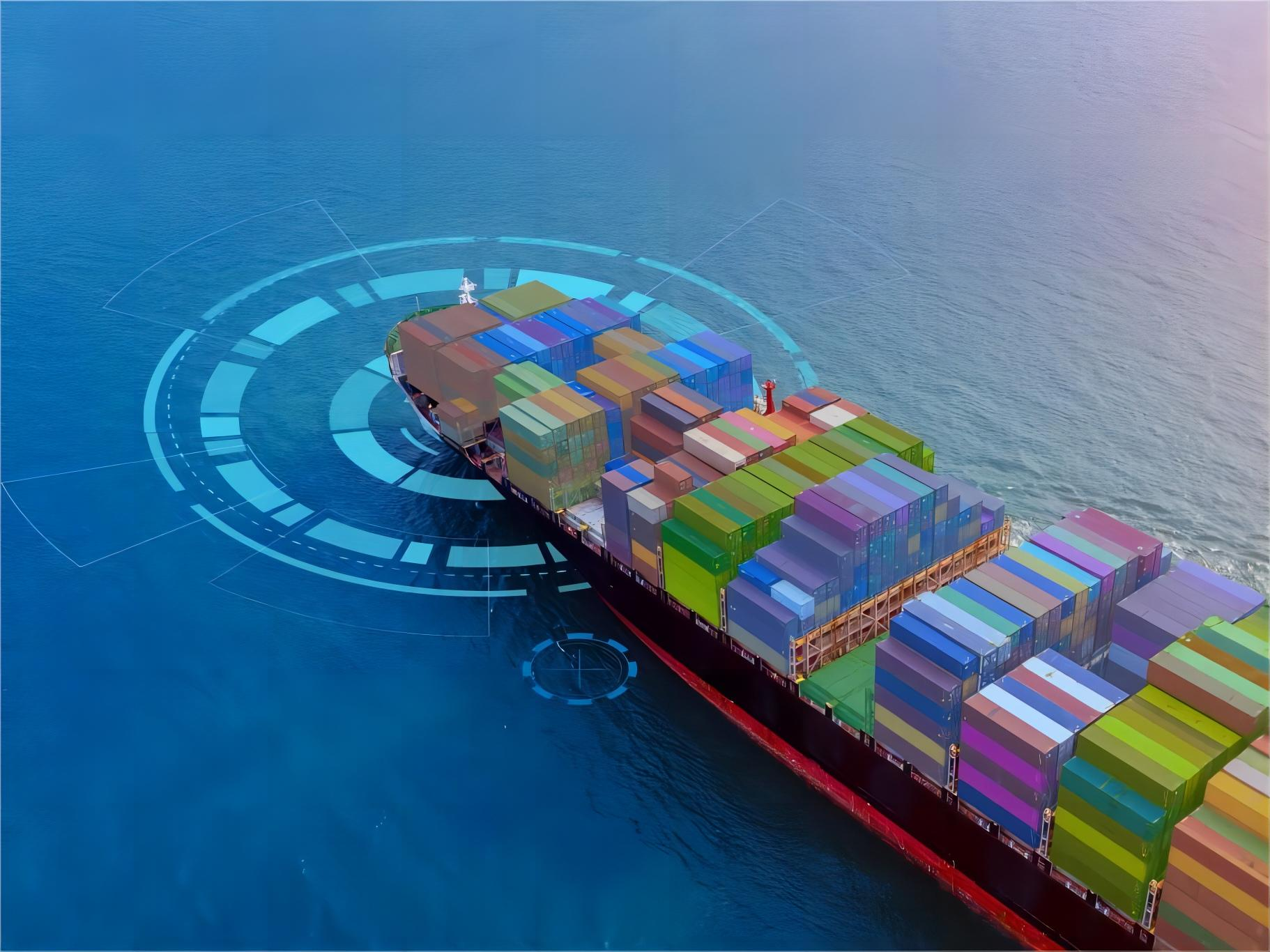
How Does Sea Freight Compare to Other Shipping Options?
When planning your logistics strategy, it is vital to compare sea freight against alternative methods like air or hybrid solutions. While ocean transport is the most economical choice for large volumes, it lacks the speed required for urgent inventory replenishment. On the other hand, air freight provides rapid delivery but at a significantly higher cost per kilogram.
Additionally, businesses often face a trade-off between cost and speed when selecting their transport mode. For example, shipping a 500kg pallet via sea might cost a fraction of the air freight price, but it will take five weeks longer to arrive. Therefore, the choice depends heavily on the value of the goods and the urgency of the market demand.
In contrast, some logistics providers offer sea-air hybrid solutions that balance these two extremes. These services typically involve shipping by sea to a hub like Dubai or Los Angeles and then flying the cargo to Brazil. Consequently, this method can reduce transit times by 50 percent compared to pure sea freight while keeping costs manageable.
| Shipping Method | Cost Range | Transit Time | Best For |
|---|---|---|---|
| Sea Freight | Low ($) | 35 – 55 Days | Bulk / Non-urgent |
| Air Freight | High ($$$$) | 5 – 10 Days | High-value / Urgent |
| Express | Highest ($$$$$) | 3 – 7 Days | Samples / Docs |
| Sea-Air Hybrid | Medium ($$$) | 20 – 25 Days | E-commerce / Fashion |
FCL vs LCL: Which Sea Freight Option Should You Choose?
Deciding between Full Container Load and Less than Container Load is a pivotal step in optimizing your sea freight China to Brazil strategy. FCL is generally recommended for shipments that exceed 15 cubic meters, as it offers a lower cost per unit and better security. Furthermore, FCL shipments are not handled as frequently, which reduces the risk of damage during transit.
However, LCL is an excellent choice for smaller businesses or those testing new product lines in the Brazilian market. In this scenario, your cargo shares space with other shippers, allowing you to pay only for the volume you use. Nevertheless, LCL shipments often require more time for consolidation and deconsolidation at the ports.
Accordingly, you should calculate the total landed cost for both options before making a final decision. Sometimes, it is more cost-effective to ship a half-empty 20-foot container than to pay for a large LCL shipment. Visit our door to door service page to see how we handle both container types for our clients.
Essential Customs Documents for Brazil Imports
Brazil is known for having one of the most complex customs environments in the world. Consequently, accurate documentation is the most important factor in avoiding delays and expensive fines at the border. Importers must ensure they have a valid RADAR license before attempting to bring goods into the country.
In addition, the Commercial Invoice and Packing List must match the physical cargo perfectly. Any discrepancies in weight, value, or quantity can lead to the shipment being held for intensive inspection by the Receita Federal. Therefore, working with an experienced customs brokerage is highly recommended for all first-time importers.
Moreover, specific products may require additional import licenses from agencies like ANVISA or INMETRO. For instance, medical devices and toys have strict safety standards that must be verified before clearance. To summarize, meticulous preparation of paperwork is the key to a successful import operation in Brazil.
Real-World Case Studies: China to Brazil Logistics
Case Study 1: Heavy Machinery Transport. Route: Shanghai, China to Santos, Brazil. Cargo: Industrial CNC Machines, 28 CBM, 12,500 kg. Container: 40HQ. Shipping Details: Carrier: COSCO. Port of Loading: Shanghai. Port of Discharge: Santos. Route Type: Direct. Cost Breakdown: Ocean Freight: $4,200. Origin Charges: $450. Destination Charges: $800. Customs and Duties: $12,000. Total Landed Cost: $17,450. Timeline: Booking to Loading: 5 days. Sea Transit: 38 days. Customs Clearance: 6 days. Total Door-to-Door: 49 days. Key Insight: Early booking during Q1 2026 avoided the peak season rate hikes and secured equipment availability.
Case Study 2: Consumer Electronics Distribution. Route: Shenzhen, China to Itajai, Brazil. Cargo: Smart Home Devices, 8 CBM, 1,200 kg. Container: LCL. Shipping Details: Carrier: Major Carrier. Port of Loading: Shenzhen. Port of Discharge: Itajai. Route Type: Transshipment via Singapore. Cost Breakdown: Ocean Freight: $1,360. Origin Charges: $200. Destination Charges: $650. Customs and Duties: $5,500. Total Landed Cost: $7,710. Timeline: Booking to Loading: 3 days. Sea Transit: 44 days. Customs Clearance: 4 days. Total Door-to-Door: 51 days. Key Insight: Using LCL allowed the client to maintain lean inventory levels while testing the market with a new product line.
Note: Freight rates are subject to change based on fuel costs, carrier capacity, and seasonal demand. Contact us for a current quote tailored to your specific shipment.
Which Option Should You Choose? Decision Framework
Selecting the right shipping strategy requires a balance of budget, speed, and cargo requirements. If your primary goal is cost reduction and you have a long lead time, standard sea freight is the clear winner. However, for high-value goods like electronics or pharmaceuticals, the security and speed of air freight may justify the expense.
Additionally, consider the volume of your cargo as the main driver for choosing between FCL and LCL. For shipments over 15 CBM, FCL is almost always more economical and faster. On the other hand, if you are shipping small batches to Amazon FBA warehouses in Brazil, LCL or express services might be more appropriate.
In conclusion, evaluate your specific needs against the current 2026 market conditions. Without a doubt, a well-planned logistics strategy can significantly improve your profit margins. Always consult with a professional freight forwarder to explore the latest routing options and cost-saving opportunities.
Mastering Your Sea Freight China to Brazil Strategy
To summarize, successful sea freight China to Brazil requires a deep understanding of costs, transit times, and the complex Brazilian customs landscape. By choosing the right container type and planning for seasonal fluctuations, businesses can achieve a reliable and cost-effective supply chain.
Furthermore, the 2026 market offers various opportunities for those who stay informed about logistics trends and carrier performance. Whether you are shipping heavy machinery or consumer goods, the key is preparation and partnership with experienced professionals. Start optimizing your Brazil-bound cargo today to ensure long-term success in this vibrant market.