

FCL shipping china to South Korea: 2026 Logistics Guide
Managing FCL shipping china to South Korea effectively is a vital component for businesses looking to dominate the East Asian market in 2026. By partnering with Top China Logistics, importers can leverage streamlined supply chain solutions that minimize delays and reduce overhead. This comprehensive guide explores the intricacies of full container load shipping, providing the data-driven insights necessary to optimize your maritime operations.
Understanding FCL Shipping China to South Korea in 2026
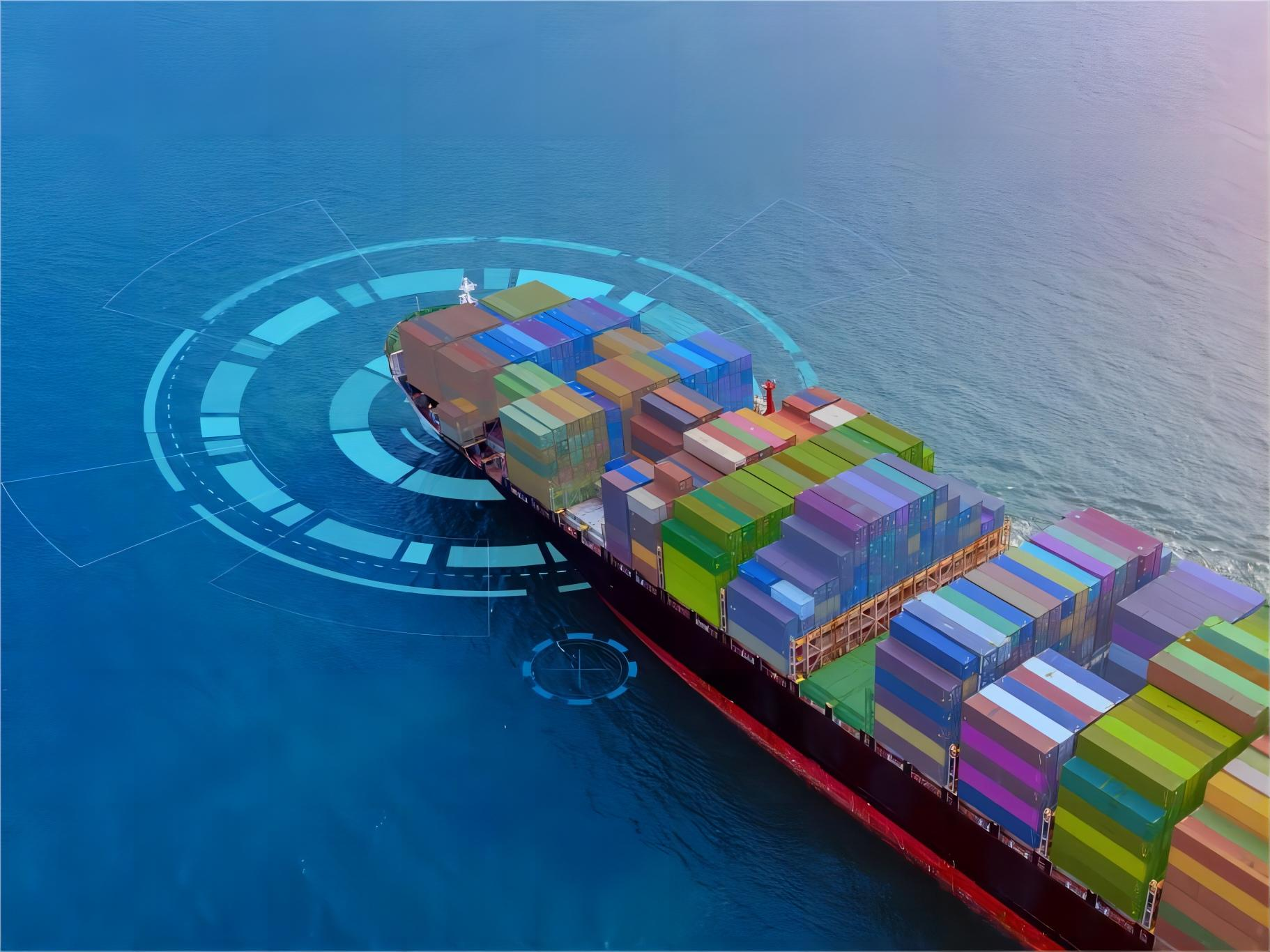
Full Container Load (FCL) shipping remains the most reliable method for transporting large volumes of goods between these two economic powerhouses. Consequently, businesses often choose FCL because it offers exclusive use of a container, which significantly reduces the risk of damage or contamination from other cargo. In 2026, the demand for dedicated container space has grown as manufacturing cycles become more tightly integrated across the Yellow Sea.
Choosing FCL shipping china to South Korea allows for greater control over the loading and sealing process at the origin. Furthermore, this method typically results in faster transit times compared to Less than Container Load (LCL) because there is no need for consolidation or deconsolidation at the ports. Therefore, high-volume shippers find that FCL provides a more predictable schedule for their inventory management systems.
Selecting the right container size is the first step in optimizing your logistics costs. Most shippers utilize standard 20-foot or 40-foot containers, although 40-foot High Cube (HQ) options are increasingly popular for lightweight, bulky items. Moreover, modern tracking technology now allows for real-time monitoring of these containers, providing transparency throughout the entire maritime journey.
How Does FCL Shipping Compare to Other Shipping Options?
Evaluating different transport modes is essential for maintaining a competitive edge in the 2026 market. While FCL is the standard for bulk shipments, other methods like LCL, air freight, or express services might be better suited for specific scenarios. For instance, LCL is more economical for shipments under 15 cubic meters, even though it involves longer handling times at the terminal.
Air transport offers unparalleled speed for urgent deliveries but comes at a significantly higher price point. On the other hand, sea freight provides the capacity needed for heavy industrial machinery and raw materials that would be cost-prohibitive to move by plane. Consequently, most supply chain managers use a hybrid approach to balance speed and budget requirements.
| Shipping Method | Cost Range | Transit Time | Best For |
|---|---|---|---|
| FCL (20GP) | $600 – $900 | 3 – 7 Days | Bulk Goods |
| LCL (per CBM) | $40 – $70 | 5 – 10 Days | Small Batches |
| Air Freight | $2.5 – $5/kg | 1 – 2 Days | Urgent Cargo |
| Express | $6 – $9/kg | 1 – 3 Days | Samples |
Which Option Should You Choose?
Deciding on the best shipping strategy requires a clear understanding of your priority: budget, speed, or cargo safety. If your primary goal is cost-minimization for large inventories, FCL shipping china to South Korea is almost always the superior choice. However, for time-sensitive electronics or high-value fashion items, air freight might be necessary to meet market demands.
Volume thresholds play a critical role in this decision-making process. Typically, once a shipment exceeds 13 to 15 cubic meters, the cost of a full 20-foot container becomes lower than the equivalent LCL volume. In addition, FCL is preferred for fragile goods because the container remains sealed from the supplier’s warehouse to the final destination in South Korea.
Consider the following criteria for your 2026 logistics planning. For budget-driven shipments, stick to FCL or LCL sea routes. For speed-critical components, utilize express service for door-to-door efficiency. Meanwhile, for oversized equipment, specialized FCL equipment like flat racks or open tops may be required.
Primary Shipping Routes and Port Analysis
Geographic proximity between China and South Korea allows for some of the fastest maritime transit times in the world. Major Chinese ports such as Shanghai, Ningbo-Zhoushan, and Qingdao serve as the primary exit points for Korean-bound cargo. Indeed, the route from Qingdao to Incheon is one of the busiest, often taking less than 24 hours for the actual sea crossing.
South Korean ports like Busan and Incheon are world-class facilities equipped with advanced automation. Busan, in particular, acts as a major transshipment hub for the entire North Pacific region. Consequently, shipments arriving here can be quickly processed and moved inland via South Korea’s efficient rail and trucking networks.
Port congestion is a factor that logistics managers must monitor closely in 2026. While the direct distance is short, terminal delays can occasionally add days to the total lead time. Therefore, choosing a carrier with priority berthing rights can be a significant advantage for maintaining a strict delivery schedule.
| Origin Port | Destination Port | Transit (Sea) | Frequency |
|---|---|---|---|
| Shanghai | Busan | 2 – 3 Days | Daily |
| Qingdao | Incheon | 1 – 2 Days | Daily |
| Ningbo | Busan | 3 – 4 Days | 4x Weekly |
| Shenzhen | Incheon | 5 – 7 Days | 3x Weekly |
Estimating FCL Shipping Costs in 2026
Freight rates for FCL shipping china to South Korea are influenced by seasonal demand, fuel surcharges, and container availability. As of early 2026, market data suggests that rates have stabilized following the fluctuations of previous years. For example, a 20GP container from Shanghai to Busan typically ranges between $600 and $850, depending on the carrier and specific service contract.
Additional costs beyond the ocean freight must be accounted for in your landed cost calculations. These include Terminal Handling Charges (THC), documentation fees, and port security surcharges at both the origin and destination. Furthermore, inland haulage costs can vary significantly depending on the distance from the port to your warehouse in Seoul or Gyeonggi province.
Note: Freight rates are subject to change based on fuel costs, carrier capacity, and seasonal demand. Contact us for a current quote tailored to your specific shipment.
Essential Documentation and Customs Brokerage
Navigating the regulatory landscape of South Korea requires precise documentation to avoid costly customs delays. Essential documents include the Commercial Invoice, Packing List, and the Bill of Lading. Additionally, under the China-Korea Free Trade Agreement (FTA), a Certificate of Origin is crucial for claiming preferential tariff rates.
Professional customs brokerage services are highly recommended for businesses unfamiliar with Korean import regulations. South Korean customs authorities are known for their efficiency but also for their strict adherence to classification codes and valuation rules. Consequently, any discrepancy in paperwork can lead to inspections and additional storage fees at the terminal.
Implementing a door to door service model can simplify this process by integrating customs clearance into the shipping package. This approach ensures that all regulatory hurdles are cleared before the cargo even reaches the port of discharge. As a result, your supply chain remains fluid and predictable.
Real Case Studies: Successful FCL Shipments
Case Study 1: High-Volume Electronics Export. Route: Shenzhen, China to Incheon, South Korea. Cargo: Consumer electronics, 65 CBM. Container: 1 x 40HQ. Shipping Details: Direct service via major carrier. Port of Loading: Shenzhen. Port of Discharge: Incheon. Cost Breakdown: Ocean Freight: $1,100; Origin Charges: $250; Destination Charges: $300; Total Landed Cost: $1,650. Timeline: Booking to Loading: 3 days; Sea Transit: 5 days; Customs: 1 day; Total Door-to-Door: 9 days. Key Insight: Utilizing a 40HQ maximized volume efficiency for lightweight electronics.
Case Study 2: Industrial Machinery Import. Route: Ningbo, China to Busan, South Korea. Cargo: CNC Machinery, 28,000 kg. Container: 1 x 20GP. Shipping Details: Direct route. Port of Loading: Ningbo. Port of Discharge: Busan. Cost Breakdown: Ocean Freight: $750; Origin Charges: $200; Destination Charges: $280; Total Landed Cost: $1,230. Timeline: Booking to Loading: 4 days; Sea Transit: 3 days; Customs: 2 days; Total Door-to-Door: 9 days. Key Insight: Heavy cargo required precise weight distribution and reinforced lashing within the 20GP container.
Based on Q1 2026 market rates, these cases demonstrate the efficiency of the China-Korea maritime corridor. Challenges such as winter weather in the Yellow Sea were mitigated by proactive scheduling and buffer times.

Logistics Trends Affecting China-Korea Trade in 2026
Digitalization of the supply chain is the most significant trend impacting FCL shipping china to South Korea this year. Smart containers equipped with IoT sensors are now providing real-time data on temperature, humidity, and shock. Moreover, blockchain technology is being used to streamline the exchange of digital Bills of Lading, reducing the reliance on physical paperwork.
Sustainability initiatives are also reshaping the maritime industry in the region. Many carriers are now deploying LNG-powered vessels on short-sea routes to comply with stricter environmental regulations in both Chinese and Korean waters. Consequently, shippers who prioritize green logistics may find better access to certain ports and potential tax incentives in the near future.
Economic shifts have led to a diversification of cargo types moving between these nations. While electronics and machinery remain dominant, there is an increasing volume of intermediate goods for the renewable energy sector. Therefore, logistics providers are adapting by offering more specialized handling for lithium batteries and solar components.
Final Thoughts on FCL Shipping China to South Korea
Mastering FCL shipping china to South Korea is essential for any business operating in the modern global economy. By understanding the nuances of port selection, container sizing, and customs regulations, you can significantly enhance your supply chain efficiency. Furthermore, staying informed about 2026 market trends and freight rates allows for more accurate budgeting and strategic planning.
Reliability and cost-effectiveness are the hallmarks of a successful maritime operation. Whether you are moving industrial equipment or consumer goods, the right logistics partner makes all the difference. We encourage you to apply the insights from this guide to streamline your operations and achieve your business goals in the coming year.

Start Your Shipment
Ready to optimize your FCL shipping china to South Korea strategy for 2026? Contact Top China Logistics today for a customized freight quote and expert guidance on navigating the East Asian maritime market. Our team is standing by to ensure your cargo arrives safely and on schedule. Visit our website to learn more about our comprehensive logistics solutions.
Request Quote