

LCL Shipping China to Japan: 2026 Freight Cost and Time Guide
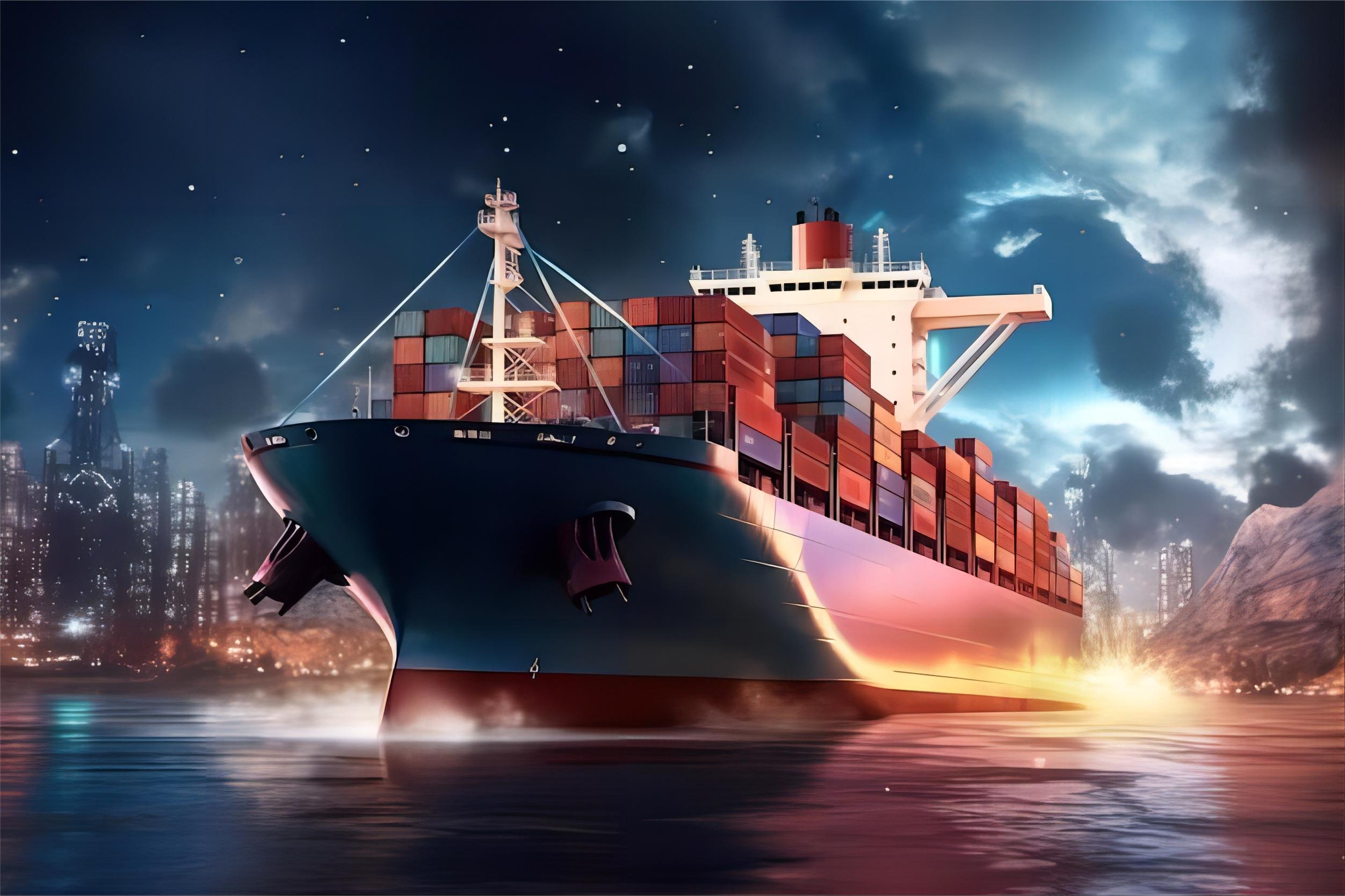
LCL shipping china to Japan remains a vital logistics strategy for businesses managing smaller inventory volumes without the need for a full container. This method allows multiple importers to share space within a single vessel, which significantly lowers the financial barrier for regional trade. For those seeking reliable transit and professional handling, Top China Logistics provides expert guidance and comprehensive shipping solutions across all major Japanese ports.
✦What is LCL Shipping China to Japan?
Less than Container Load, commonly known as LCL, refers to a shipping mode where your cargo occupies only a portion of a standard sea container. This approach is ideal for businesses that do not have enough goods to fill a 20-foot or 40-foot unit.
Moreover, the consolidation process involves grouping several shipments from different suppliers into one container at a container freight station. This efficiency allows small and medium enterprises to access competitive maritime rates that were previously reserved for high-volume shippers.
Consequently, LCL shipping china to Japan has become a cornerstone of the e-commerce and retail supply chain. It offers the flexibility to ship smaller batches more frequently, which helps in maintaining leaner inventory levels and improving cash flow.

How Does LCL Shipping Compare to Other Shipping Options?
Evaluating different transport modes is essential for optimizing your logistics budget and meeting delivery deadlines. While sea freight is generally the most cost-effective, the choice between LCL and FCL depends heavily on your total cargo volume.
Furthermore, air freight serves as the primary alternative when speed is the absolute priority. For shipments under 100 kilograms, express services might even be more economical than sea-based options due to lower minimum handling fees.
Specifically, LCL is most advantageous for volumes between 1 and 15 cubic meters. Beyond this threshold, the cost of a full container often becomes more attractive even if the unit is not completely full.
| Shipping Method | Cost Range | Transit Time | Best For |
|---|---|---|---|
| LCL Sea Freight | $30 – $70 per CBM | 4 – 9 Days | Small business cargo |
| FCL Sea Freight | $800 – $1,400 per 20GP | 3 – 7 Days | Bulk inventory |
| Air Freight | $2.50 – $5.50 per KG | 1 – 3 Days | Urgent electronics |
| Express Service | $6.00 – $9.00 per KG | 1 – 2 Days | Samples and docs |
Current Market Trends for China to Japan Freight in 2026
Logistics trends in 2026 show a significant shift toward digital integration and green shipping initiatives within the East Asian trade corridor. The implementation of the RCEP agreement has further reduced tariffs and streamlined maritime procedures between major hubs.
Additionally, many carriers are now deploying smaller, faster vessels to handle the surge in e-commerce demand between Shanghai and Tokyo. These specialized services provide shorter loading windows and faster discharge times at Japanese terminals.
Meanwhile, fuel surcharges have stabilized compared to the volatility seen in previous years. However, shippers should still account for seasonal peaks, particularly before the Lunar New Year and during the autumn retail build-up.
Understanding Shipping Costs and Transit Times
Calculating the total landed cost requires a clear understanding of both freight rates and local port charges. In 2026, the ocean freight component for LCL shipping china to Japan remains relatively low, but destination fees in Japan can be substantial.
Indeed, Japan is known for its meticulous cargo handling and strict port regulations. Shippers must budget for terminal handling charges, documentation fees, and CFS stripping costs which are applied upon arrival.
Alternatively, choosing air freight can bypass some of these port-side delays. If your goods are high-value or time-sensitive, the higher upfront cost of air transport may be justified by the reduction in inventory holding costs.
| Departure Port | Arrival Port | Sea Transit | Frequency |
|---|---|---|---|
| Shanghai | Tokyo | 3 – 4 Days | Daily |
| Ningbo | Osaka | 4 – 5 Days | 3x Weekly |
| Shenzhen | Yokohama | 5 – 7 Days | Daily |
| Qingdao | Nagoya | 4 – 6 Days | 2x Weekly |
Essential Customs Documentation for Japan
Navigating the Japanese customs landscape requires precision and adherence to specific regulatory standards. Utilizing a professional customs brokerage service can prevent costly delays and ensure your cargo complies with all local laws.
Notably, the Japanese Customs (JASTPRO) system requires digital pre-filing for most commercial imports. You must provide a detailed commercial invoice, a comprehensive packing list, and an original bill of lading for every shipment.
Therefore, accurately classifying your goods under the Harmonized System (HS) code is critical. Incorrect classification can lead to audits, fines, or the seizure of goods by the authorities in Tokyo or Osaka.
| Document Name | Purpose | Required For | Format |
|---|---|---|---|
| Commercial Invoice | Value Declaration | All Shipments | Digital/PDF |
| Packing List | Content Details | All Shipments | Digital/PDF |
| Certificate of Origin | Duty Reduction | RCEP Eligible | Original/Digital |
| Bill of Lading | Title of Goods | All Shipments | Original/Telex |
Real-World Case Studies for Japan Cargo
Analyzing real-world scenarios helps importers understand the practicalities and costs involved in LCL shipping china to Japan. These examples reflect typical market conditions and logistics challenges encountered in early 2026.
Case Study 1: Electronics from Shenzhen to Tokyo. A tech startup shipped 2 CBM of consumer electronics weighing 400 kg. They utilized a direct sea route to minimize handling risks and ensure a steady supply for their Japanese distributors.
Case Study 2: Apparel from Ningbo to Osaka. A fashion retailer moved 5 CBM of seasonal clothing. By choosing LCL, they maintained a weekly delivery schedule that aligned perfectly with their retail store replenishment needs.
Case Study 1: High-Tech Components
Route: Shenzhen, China to Tokyo, Japan. Cargo: Sensors and Circuit Boards, 2 CBM, 400 kg. Method: LCL Sea Freight via major carrier. Port of Loading: Shenzhen. Port of Discharge: Tokyo. Route Type: Direct.
Cost Breakdown: Ocean Freight: $140. Origin Charges: $95. Destination Charges: $160. Customs and Duties: $110. Total Landed Cost: $505. Timeline: Booking to Loading: 2 days. Sea Transit: 5 days. Customs Clearance: 2 days. Total Door-to-Door: 9 days.
Key Insight: Choosing a direct service from Shenzhen reduced the risk of transshipment damage, which is critical for sensitive electronic components.
Case Study 2: Home Textiles
Route: Ningbo, China to Osaka, Japan. Cargo: Cotton Bedding, 6 CBM, 1200 kg. Method: LCL Sea Freight. Port of Loading: Ningbo. Port of Discharge: Osaka. Route Type: Direct.
Cost Breakdown: Ocean Freight: $280. Origin Charges: $130. Destination Charges: $210. Customs and Duties: $190. Total Landed Cost: $810. Timeline: Booking to Loading: 3 days. Sea Transit: 4 days. Customs Clearance: 2 days. Total Door-to-Door: 9 days.
Key Insight: Based on Q1 2026 market rates, LCL was 40 percent cheaper than air freight for this volume while still meeting the retailer’s two-week lead time.
Which Shipping Option Should You Choose?
Selecting the right method requires balancing budget constraints against the urgency of your cargo. If your priority is keeping costs as low as possible, LCL shipping china to Japan is almost always the superior choice for small volumes.
However, if you are shipping goods for a specific promotional event or a product launch, air freight might be necessary to avoid the risk of port congestion. For comprehensive support from pickup to final delivery, consider a door to door service that manages every step.
Similarly, e-commerce sellers should evaluate Amazon FBA logistics if they are shipping directly to Japanese fulfillment centers. This specialized service ensures that labeling and packaging meet Amazon’s strict requirements.
Strategic Tips for Reducing LCL Costs
Optimizing your packaging can lead to significant savings since LCL rates are primarily based on volume. Ensure that your pallets are stackable and minimize any wasted space within your boxes to reduce the total cubic meter measurement.
Furthermore, consolidating multiple orders from different Chinese suppliers into a single LCL shipment can reduce the fixed documentation fees. This strategy requires a freight forwarder with strong warehouse capabilities in major Chinese export hubs.
Lastly, always request a detailed quote that includes all destination charges. Unexpected fees at Japanese ports can quickly erode the savings gained from competitive ocean freight rates.
Final Thoughts on Japan Logistics
LCL shipping china to Japan provides a robust and flexible framework for businesses of all sizes to participate in international trade. By understanding the costs, transit times, and documentation requirements, you can build a more resilient supply chain.
Indeed, the 2026 market offers numerous opportunities for efficient shipping if you partner with the right logistics provider. Prioritize transparency and reliability to ensure your goods arrive safely and on schedule.
Note: Freight rates are subject to change based on fuel costs, carrier capacity, and seasonal demand. Contact us for a current quote tailored to your specific shipment.