


Sea Freight China to Saudi Arabia: 2026 Logistics Guide
Sea freight china to Saudi Arabia remains the most reliable and cost-effective method for businesses looking to scale their international trade operations in 2026. Navigating the complex maritime corridors between these two economic powerhouses requires a strategic approach and a partnership with a professional logistics provider like Top China Logistics. As the Saudi Vision 2030 initiative continues to transform the Kingdom into a global logistics hub, understanding the nuances of ocean transport is more critical than ever. This comprehensive guide provides the latest market insights, pricing trends, and operational strategies to ensure your cargo moves efficiently through the supply chain.
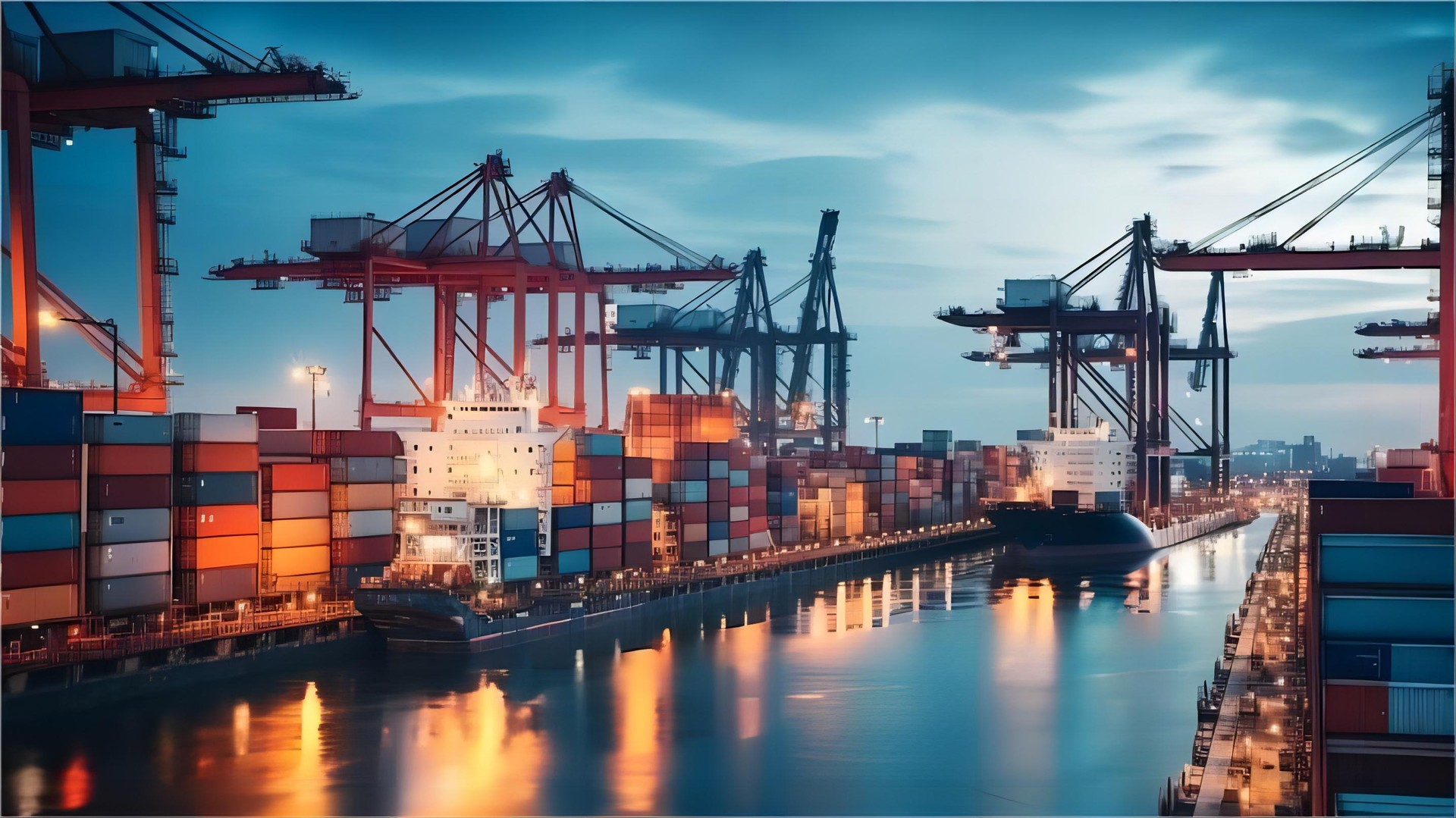
Why Choose Sea Freight China to Saudi Arabia for Your Business?
Ocean transport offers unparalleled advantages for companies moving large volumes of goods across the Middle East. Specifically, sea freight provides the capacity needed for oversized machinery, construction materials, and bulk consumer goods that other methods cannot accommodate. Furthermore, the cost per unit is significantly lower than air transport, making it the primary choice for maintaining healthy profit margins.
Businesses often prefer maritime shipping because it allows for flexible scheduling and a variety of container options. Moreover, modern tracking technologies now provide real-time visibility, reducing the uncertainty traditionally associated with long-haul ocean routes. Consequently, importers can manage their inventory levels with greater precision and respond more effectively to market demands in the Kingdom.
Environmental considerations also play a growing role in corporate decision-making in 2026. Meanwhile, sea transport remains a more sustainable option compared to air transit, producing fewer carbon emissions per ton of cargo. Therefore, choosing ocean routes aligns with the global shift toward greener supply chains while providing a robust solution for heavy-duty shipping requirements.
How Does Sea Freight Compare to Other Shipping Options?
Evaluating the best transport method requires a careful balance between speed, cost, and cargo requirements. While sea freight is the leader for volume, air freight is often necessary for high-value electronics or urgent medical supplies. Additionally, express services provide door-to-door convenience for smaller parcels but at a much higher price point.
Choosing the wrong method can lead to significant budgetary overruns or missed deadlines. For instance, a shipment that takes 30 days by sea might cost 80% less than an air shipment that takes 5 days. However, if the goods are seasonal or perishable, the extra cost of air transit may be justified to ensure market readiness.
Hybrid solutions have also gained popularity in 2026 as a way to optimize the supply chain. Specifically, sea-air combinations allow cargo to move by ship to a regional hub like Dubai before being flown into Saudi Arabia. As a result, shippers can achieve a middle ground between the low cost of sea and the high speed of air.
| Shipping Method | Cost Range (USD) | Transit Time | Best For | Limitations |
|---|---|---|---|---|
| Sea Freight (FCL) | $1,800 – $3,800 | 25-35 Days | Bulk & Heavy Goods | Slower Delivery |
| Sea Freight (LCL) | $60 – $160/CBM | 30-45 Days | Small Inventories | Handling Risks |
| Air Freight | $5.00 – $10.00/kg | 3-7 Days | Urgent/High Value | Weight Limits |
| Express Service | $12.00 – $25.00/kg | 2-5 Days | Small Packages | Highest Cost |
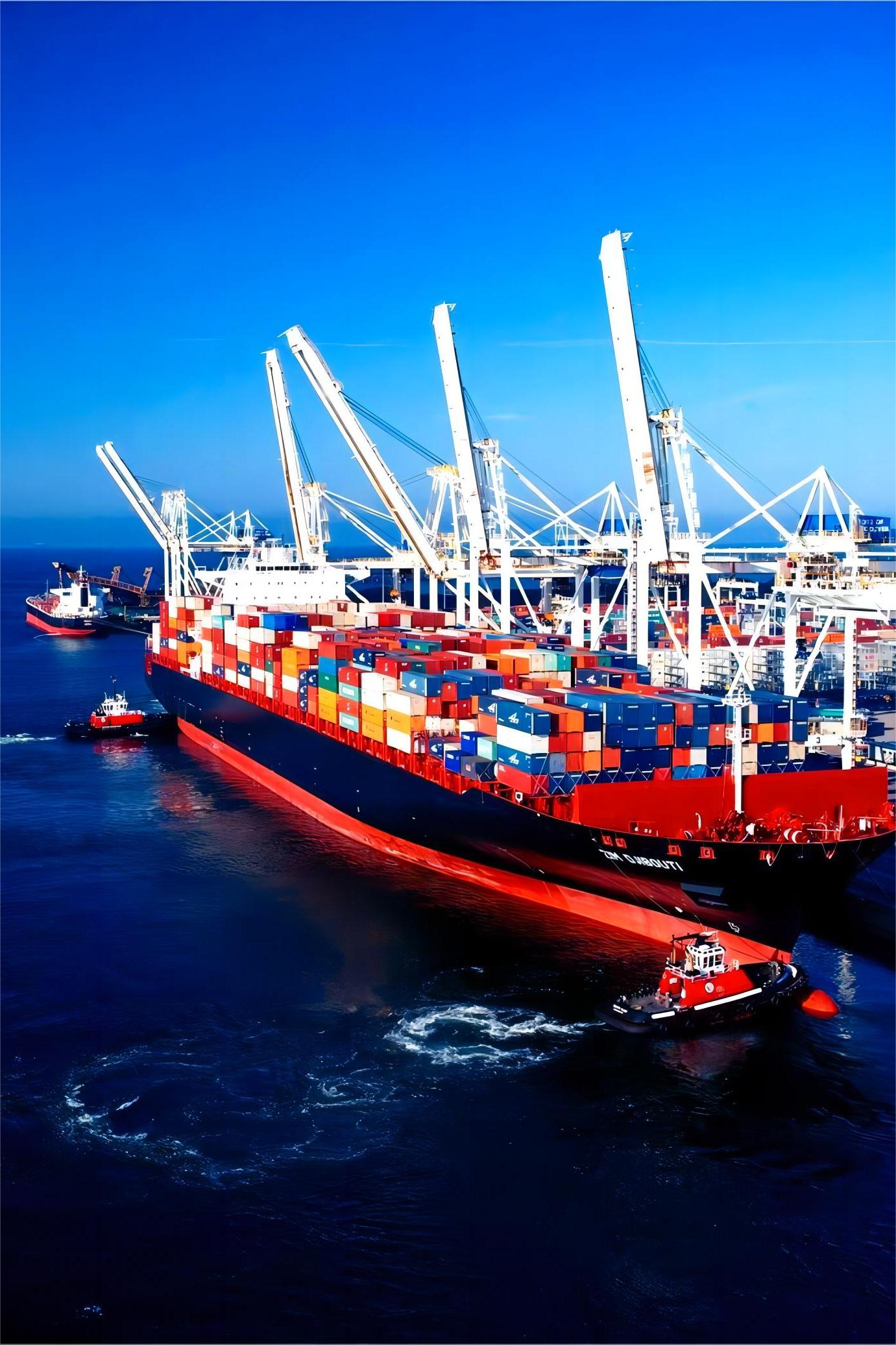
Understanding 2026 Shipping Costs and Pricing Factors
Determining the exact cost of sea freight involves analyzing several fluctuating variables. In early 2026, freight rates have stabilized following the infrastructure upgrades in major Chinese ports and the expansion of Saudi port capacities. Nevertheless, fuel surcharges and seasonal demand spikes still influence the final invoice significantly.
Market data suggests that peak season typically occurs from August to October as retailers prepare for year-end demand. During this period, prices can increase by 15% to 25% due to limited vessel space. Consequently, savvy importers often book their shipments at least four weeks in advance to secure more favorable rates and guaranteed equipment.
Local charges at both the origin and destination also add to the total landed cost. For example, terminal handling charges (THC), documentation fees, and port security surcharges must be factored into the budget. Indeed, working with a transparent logistics provider ensures that all these costs are clearly outlined before the shipment departs.
Which Option Should You Choose?
Budget priority: If your primary goal is to minimize expenses, sea freight FCL is the most economical choice for shipments over 15 cubic meters. On the other hand, for smaller loads, LCL allows you to share container space and only pay for the volume you use.
Speed priority: When time is of the essence, air freight is the only viable solution, though it requires a much larger budget allocation. Meanwhile, direct sea routes are faster than transshipment options, saving approximately 5-7 days of transit time.
Cargo type considerations: Hazardous materials, oversized machinery, and temperature-controlled goods require specialized handling. Therefore, you must select a carrier with the specific equipment and certifications needed for your unique cargo profile.
Transit Times and Major Shipping Routes
The duration of sea freight from China to Saudi Arabia depends largely on the specific departure and arrival ports. Typically, shipments from South China ports like Shenzhen or Guangzhou arrive faster than those departing from Northern ports like Tianjin. Furthermore, direct sailings to Jeddah Islamic Port are generally quicker than routes to Dammam or Riyadh via transshipment.
Transit times in 2026 have improved due to better port efficiency and faster vessel speeds. Nevertheless, weather conditions and port congestion can still cause occasional delays. Accordingly, it is wise to include a buffer of 3-5 days in your supply chain planning to account for unforeseen circumstances.
Note: Freight rates and transit times are subject to change based on fuel costs, carrier capacity, and seasonal demand. Contact us for a current quote tailored to your specific shipment.
| Origin Port (China) | Destination Port (KSA) | Direct/Transshipment | Average Time |
|---|---|---|---|
| Shanghai | Jeddah | Direct | 22-26 Days |
| Shenzhen | Dammam | Transshipment | 28-32 Days |
| Ningbo | Jeddah | Direct | 24-28 Days |
| Qingdao | Riyadh (Dry Port) | Transshipment | 30-35 Days |
Customs Brokerage and Import Regulations in Saudi Arabia
Navigating the Saudi customs landscape requires strict adherence to the latest regulations and documentation standards. Specifically, the SABER platform and SASO certifications are mandatory for most consumer goods entering the Kingdom. Failure to comply with these digital requirements can result in lengthy port delays and expensive storage fees.
Utilizing a professional customs brokerage service is highly recommended for first-time and regular importers alike. Experienced brokers understand the nuances of the Harmonized System (HS) codes and can ensure that your duties are calculated accurately. Moreover, they can facilitate the pre-clearance process, allowing goods to move through the port more rapidly upon arrival.
Documentation remains the backbone of a successful import operation. For instance, a commercial invoice, packing list, certificate of origin, and bill of lading must all be perfectly aligned. Consequently, any discrepancy in these documents can trigger a manual inspection, adding days or even weeks to the total delivery timeline.

FCL vs. LCL: Selecting the Right Container Load
Full Container Load (FCL) is the gold standard for businesses with enough inventory to fill a 20ft or 40ft container. This method offers the highest level of security and the fastest transit time, as the container is sealed at the origin and only opened at the destination. Additionally, FCL reduces the risk of damage since your goods are not handled alongside other shippers’ cargo.
Less than Container Load (LCL) provides a flexible alternative for smaller shipments that do not justify the cost of an entire container. In this scenario, your goods are consolidated with other shipments at a warehouse before being loaded. While this is more cost-effective for low volumes, it does involve more handling and slightly longer transit times due to the consolidation and deconsolidation processes.
Deciding between FCL and LCL often comes down to a simple volume threshold. Generally, if your shipment exceeds 13-15 cubic meters, FCL becomes more economical than paying for individual CBM rates in an LCL arrangement. Furthermore, the peace of mind provided by a dedicated container often outweighs the small cost savings of LCL for fragile or high-value items.
Real Case Studies: Successful Shipments to Saudi Arabia
Analyzing real-world examples provides valuable insight into the practical challenges and costs of international logistics. These cases reflect actual market conditions in late 2025 and early 2026, showcasing how different strategies impact the final outcome. Specifically, they highlight the importance of port selection and service type in achieving business goals.
+———————————————————+ | Case Study 1: Electronics from Shenzhen to Jeddah | | Route: Shenzhen, China to Jeddah, Saudi Arabia | | Cargo: Consumer Electronics, 65 CBM, 14,000 kg | | Container: 40HQ (FCL) | | | | Shipping Details: | | – Carrier/Service: Major Direct Carrier | | – Port of Loading: Yantian (Shenzhen) | | – Port of Discharge: Jeddah Islamic Port | | – Route Type: Direct | | | | Cost Breakdown: | | – Ocean Freight: $3,400 | | – Origin Charges: $480 | | – Destination Charges: $650 | | – Customs & Duties (est): $1,500 | | – Total Landed Cost: $6,030 | | | | Timeline: | | – Booking to Loading: 3 days | | – Sea Transit: 24 days | | – Customs Clearance: 2 days | | – Total Door-to-Door: 29 days | | | | Key Insight: Direct routing saved 6 days vs transship. | +———————————————————+
+———————————————————+ | Case Study 2: Furniture from Ningbo to Dammam | | Route: Ningbo, China to Dammam, Saudi Arabia | | Cargo: Home Furniture, 14 CBM, 4,200 kg | | Container: LCL Service | | | | Shipping Details: | | – Carrier/Service: Consolidation Service | | – Port of Loading: Ningbo-Zhoushan | | – Port of Discharge: King Abdulaziz Port (Dammam) | | – Route Type: Transshipment via Singapore | | | | Cost Breakdown: | | – Ocean Freight: $1,120 ($80/CBM) | | – Origin Charges: $350 | | – Destination Charges: $500 | | – Customs & Duties (est): $900 | | – Total Landed Cost: $2,870 | | | | Timeline: | | – Booking to Loading: 5 days | | – Sea Transit: 34 days | | – Customs Clearance: 4 days | | – Total Door-to-Door: 43 days | | | | Key Insight: LCL was 50% cheaper than a 20GP for this. | +———————————————————+
Specialized Logistics: Door to Door and Amazon FBA
Modern commerce often requires more than just port-to-port transport. Specifically, door to door services handle the entire journey, from the factory floor in China to the final warehouse in Saudi Arabia. This end-to-end solution simplifies the logistics chain and allows business owners to focus on sales rather than shipping paperwork.
For e-commerce sellers, Amazon FBA logistics are specialized to meet the strict requirements of fulfillment centers. In 2026, this includes precise labeling, palletization, and appointment scheduling at Amazon warehouses in Riyadh and Jeddah. Furthermore, choosing a provider that understands these specific protocols is essential to avoid rejected shipments and costly returns.
Whether you are a large corporation or a small online retailer, these tailored services provide the flexibility needed in today’s fast-paced market. Meanwhile, the integration of last-mile delivery ensures that even the most remote locations in the Kingdom are accessible. Therefore, investing in a comprehensive logistics package often yields the best long-term value for your business.

Optimizing Your China to Saudi Arabia Supply Chain
Successfully managing sea freight china to Saudi Arabia requires a deep understanding of market trends, regulatory changes, and logistical strategies. By selecting the right container load, leveraging professional customs brokerage, and choosing the most efficient routes, businesses can significantly reduce costs and improve delivery reliability. As 2026 continues to bring new opportunities in the Middle Eastern market, staying informed and adaptable remains the key to long-term success.
In conclusion, while the maritime corridor presents its share of challenges, the rewards of a well-executed logistics plan are substantial. Whether you are shipping bulk industrial materials or delicate consumer goods, the right partnership will ensure your cargo arrives safely and on time. Start planning your next shipment today to take full advantage of the growing economic ties between China and Saudi Arabia.
Ready to streamline your logistics?
Ready to streamline your sea freight china to Saudi Arabia operations for 2026? Contact our expert team at Top China Logistics today for a customized quote and professional guidance on your next shipment. Visit our website to learn more about our comprehensive shipping solutions. Send Inquiry link:
Request Quote