

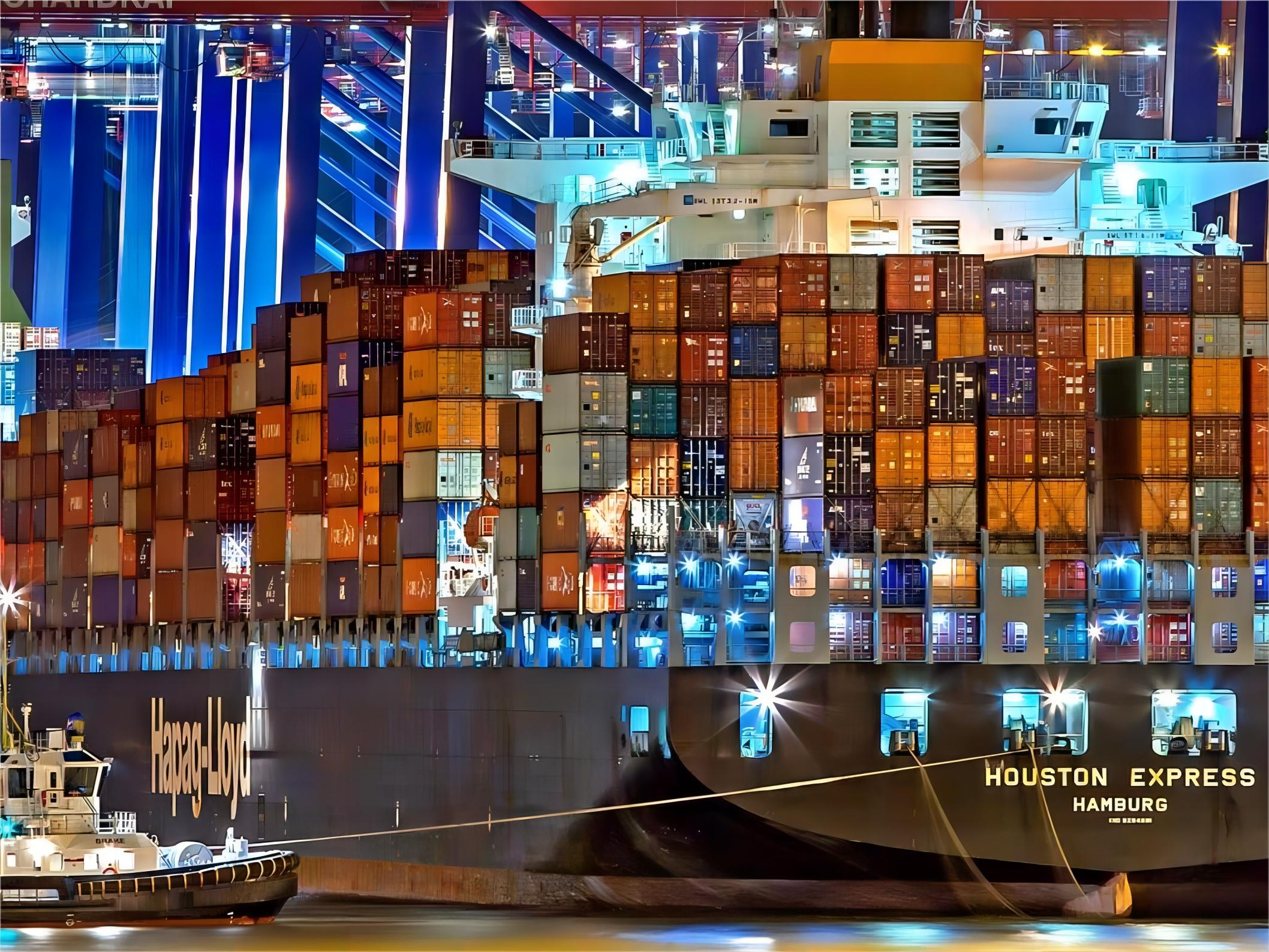
Amazon FBA Shipping China to Mexico: The Complete 2026 Guide
Navigating the complexities of Amazon FBA shipping China to Mexico requires a deep understanding of international trade routes and local regulations. In 2026, the Mexican market continues to expand rapidly, offering immense opportunities for global sellers who can master their supply chains effectively. Consequently, finding a reliable logistics partner is no longer just an advantage but a necessity for sustainable business growth in Latin America.

Understanding the Logistics of Amazon FBA Shipping China to Mexico
Expanding your e-commerce reach into Mexico involves more than just listing products on a new marketplace. Sellers must account for the geographical distance and the specific logistical hurdles present in the trans-Pacific route. Moreover, the integration of efficient shipping methods determines your final landed cost and your ability to compete with local vendors.
Choosing the right entry point into the Mexican market is crucial for minimizing transit times. Most shipments from China arrive at major Pacific ports, where they undergo rigorous inspections before being transported to inland fulfillment centers. Therefore, planning your inventory flow at least three months in advance is recommended to avoid seasonal disruptions and stockouts.
Reliability in your supply chain ensures that your Amazon seller rating remains high and your customers receive their orders promptly. In 2026, technological advancements in tracking have made it easier to monitor shipments in real-time. Nevertheless, the human element of customs coordination remains a vital component of the overall process.
Choosing the Best Method for Amazon FBA Shipping China to Mexico
Selecting the most appropriate transportation mode is the first step in optimizing your air freight strategy for the North American region. While speed is often a priority for high-demand items or seasonal launches, cost-effectiveness remains the primary driver for high-volume inventory. Indeed, the choice between air and sea often depends on your specific margin requirements and inventory turnover rates.
Air cargo provides the fastest route to Mexican fulfillment centers, typically reaching the destination within a week. This method is ideal for high-value electronics or lightweight fashion items where the cost of capital outweighs the higher freight rates. Additionally, air transport reduces the risk of damage and theft compared to longer maritime journeys.
Ocean transport remains the standard for the majority of global trade due to its unparalleled capacity for bulk goods. Using sea freight allows sellers to move large quantities of stock while keeping per-unit costs at a minimum. Consequently, most successful Amazon sellers utilize sea freight for their baseline inventory while reserving air freight for emergency restocks.
| Method | Cost Range | Transit Time | Best For |
|---|---|---|---|
| Air Freight | $5.50 – $9.00 / kg | 5 – 8 Days | Urgent / High Value |
| Sea Freight (LCL) | $180 – $320 / CBM | 25 – 35 Days | Small Volumes |
| Sea Freight (FCL) | $3,200 – $4,800 | 22 – 30 Days | Bulk Inventory |
| Express Shipping | $9.00 – $14.00 / kg | 3 – 5 Days | Samples / Small Parcels |
How to Calculate Costs for Amazon FBA Shipping China to Mexico
Calculating the total landed cost involves more than just the freight rate quoted by your forwarder. You must also account for port charges, documentation fees, and the specific taxes levied by the Mexican government. Furthermore, fluctuations in fuel surcharges can impact your final bill, making it essential to obtain updated quotes regularly.
Import duties in Mexico can vary significantly depending on the product category and the country of origin. While some items benefit from trade agreements, others may face compensatory duties designed to protect local industries. Accordingly, performing a thorough HS code classification before shipping is the only way to ensure financial accuracy.
Warehouse handling fees and last-mile delivery costs to the Amazon warehouse also contribute to the total expenditure. Using an integrated Amazon FBA service can often consolidate these costs into a single, manageable invoice. This transparency allows for better budgeting and more accurate product pricing on the Amazon platform.

Navigating Customs and NOM Certifications in Mexico
Compliance with Mexican customs regulations is often cited as the most challenging aspect of shipping to this region. The Mexican government requires specific safety and quality certifications, known as NOMs, for a wide range of consumer products. Specifically, electronics, textiles, and toys must meet these standards before they can be legally sold within the country.
Working with a professional customs brokerage service is highly recommended to navigate these complex legal requirements. A qualified broker ensures that all paperwork, including the Pedimento, is filed correctly to avoid costly delays or seizures at the border. Moreover, they can advise on whether your products require a specialized importer of record.
Documentation must be precise, as even minor errors in the commercial invoice or packing list can lead to significant penalties. In 2026, the digital integration of customs systems has increased the speed of processing but also the strictness of data validation. Therefore, double-checking every detail of your shipment documentation is a non-negotiable step in the logistics process.
Case Studies: Real-World Shipping Scenarios
Case Study 1: Electronics from Shenzhen to Mexico City. Route: Shenzhen, China to Mexico City, Mexico. Cargo: Consumer Electronics, 8 CBM, 1800 kg. Container: LCL 8 CBM. Shipping Details: Carrier: Major ocean carrier. Port of Loading: Shenzhen. Port of Discharge: Manzanillo. Route Type: Direct. Cost Breakdown: Ocean Freight: $2,100. Origin Charges: $450. Destination Charges: $680. Customs and Duties: $1,200. Total Landed Cost: $4,430. Timeline: Booking to Loading: 4 days. Sea Transit: 24 days. Customs Clearance: 5 days. Total Door-to-Door: 33 days. Key Insight: Early NOM certification prevented a potential 15-day delay at the port.
Case Study 2: Home Decor from Ningbo to Monterrey. Route: Ningbo, China to Monterrey, Mexico. Cargo: Home Decor Items, 28 CBM. Container: 20GP Full Container. Shipping Details: Carrier: COSCO. Port of Loading: Ningbo. Port of Discharge: Lazaro Cardenas. Route Type: Direct. Cost Breakdown: Ocean Freight: $3,400. Origin Charges: $550. Destination Charges: $720. Customs and Duties: $2,800. Total Landed Cost: $7,470. Timeline: Booking to Loading: 6 days. Sea Transit: 28 days. Customs Clearance: 4 days. Total Door-to-Door: 38 days. Key Insight: Using FCL reduced the per-unit shipping cost by 18 percent compared to previous LCL shipments.
How Does Sea Freight Compare to Other Shipping Options?
Analyzing the alternatives to standard ocean transport reveals various strategies for different business needs. While sea freight is the most common, air freight and hybrid solutions offer unique advantages for specific scenarios. For instance, air freight for a 500kg shipment might cost $4,000 and arrive in 6 days, whereas sea freight would cost $900 but take 30 days.
Hybrid solutions, such as sea-air combinations, attempt to bridge the gap between cost and speed. These routes often involve shipping by sea to a hub like Los Angeles and then trucking or flying the goods into Mexico. Such strategies can save up to 30 percent in costs compared to pure air freight while still beating ocean transit times by two weeks.
Direct shipping routes from China to Mexican ports are generally 10 to 15 percent more expensive than routes with transshipment in Southeast Asia. However, direct routes save approximately 7 to 10 days of transit time and reduce the risk of cargo mishandling during port transfers. Consequently, the choice often depends on whether your priority is the absolute lowest price or a more reliable schedule.
| Shipping Method | Cost Range | Transit Time | Limitations |
|---|---|---|---|
| Direct Sea | $3,200 – $4,500 | 22 – 28 Days | Higher freight rates |
| Transshipment | $2,800 – $3,800 | 32 – 45 Days | Higher damage risk |
| Sea-Air Hybrid | $2.50 – $4.00 / kg | 15 – 18 Days | Complex paperwork |
| Courier Express | $10.00+ / kg | 3 – 5 Days | Very high cost |

Which Option Should You Choose?
Budget priority dictates a move toward FCL or LCL sea freight, especially for non-perishable goods with steady demand. If your margins are tight, the 30-day wait is a necessary trade-off for the significant savings provided by maritime transport. Conversely, if you are launching a new product with high marketing spend, the speed of air freight ensures you do not miss the initial sales momentum.
Speed priority is best served by air cargo or express services, particularly for high-value items where inventory carrying costs are a concern. Getting products to the Amazon warehouse in under 10 days allows for faster capital reinvestment and better responsiveness to market trends. Furthermore, smaller shipments are often easier to clear through customs when handled by express couriers.
Cargo type considerations play a final role in your decision-making process. Bulky, heavy items like furniture are virtually impossible to ship profitably via air. In contrast, small, high-margin electronics are the perfect candidates for a rapid door to door air service that minimizes handling and maximizes security.
Final Thoughts on Mexico FBA Logistics
Mastering the logistics of Amazon FBA shipping China to Mexico is a journey that requires patience, expertise, and the right partnerships. By understanding the differences between air and sea freight, and preparing for the unique customs requirements of the Mexican market, you can build a resilient supply chain. As the market evolves in 2026, staying informed about freight trends and regulatory changes will be your greatest competitive advantage.
Effective planning and clear communication with your freight forwarder will mitigate most risks associated with international shipping. Whether you choose the cost-efficiency of ocean transport or the speed of air cargo, ensuring compliance and accurate documentation remains the foundation of success. Ultimately, a well-executed logistics strategy will allow your Amazon business to thrive in one of the world’s most exciting emerging markets.
Start Your Shipment
Optimizing your Amazon FBA shipping China to Mexico strategy is essential for maximizing your profit margins in 2026. Contact Top China Logistics today to receive a customized quote and expert guidance on navigating Mexican customs. Let our team handle the complexities of your international supply chain so you can focus on growing your business. Visit our inquiry page to start your shipment today.
Request Quote