
Customs Clearance China to Netherlands: 2026 Shipping Guide
Managing customs clearance china to Netherlands requires a deep understanding of European Union trade regulations and local Dutch tax laws. Therefore, businesses must prepare accurate documentation to avoid costly delays at major ports like Rotterdam or Schiphol. Top China Logistics provides comprehensive support to ensure your cargo moves efficiently through every checkpoint.
How Customs Clearance China to Netherlands Works in 2026
Navigating the complex landscape of international trade involves multiple layers of digital filings and physical inspections. Specifically, the Dutch Customs Authority uses advanced risk management systems to screen shipments before they even arrive in the country. Consequently, importers must submit their declarations electronically through the Dutch Customs system well in advance.
Success in shipping from China to Europe depends heavily on the accuracy of your EORI number and commercial data. Furthermore, the Netherlands serves as a gateway to the rest of the EU, making strict compliance mandatory for all transit cargo. If you provide incorrect data, authorities may hold your shipment for weeks of intensive auditing.
Moreover, market conditions in early 2026 indicate a shift toward even more automated clearance processes. Indeed, the integration of AI-driven scanning at the Port of Rotterdam has significantly reduced the time required for physical checks. However, this technology also means that discrepancies in weight or volume are detected almost instantly by the system.
Essential Documents for Netherlands Import Clearance
Preparing the correct paperwork is the most critical step in the entire logistics chain. For instance, you must provide a detailed commercial invoice that clearly lists the value, origin, and description of every item. Additionally, a comprehensive packing list helps customs officers verify the contents of each container without manual unpacking.
Meanwhile, the Bill of Lading serves as the primary contract of carriage and must be perfectly aligned with other documents. If the information on the Bill of Lading contradicts the invoice, the shipment will likely face immediate rejection. Therefore, double-checking every field is essential for a smooth arrival in the Netherlands.
Notably, certain products like electronics or chemicals require specialized certificates of conformity or safety data sheets. In fact, failing to include these specific documents can lead to permanent seizure of the goods by Dutch authorities. Consequently, you should always consult with your supplier in China to ensure all technical documentation is ready before the vessel departs.
| Document Type | Purpose | Required By | Key Detail |
|---|---|---|---|
| Commercial Invoice | Value Assessment | Customs/VAT | Must match HS codes |
| Packing List | Cargo Verification | Port Authority | Detailed weight/volume |
| Bill of Lading | Title of Goods | Carrier/Customs | Original or Telex |
| Certificate of Origin | Duty Rate Determination | EU Customs | Proof of manufacture |
Understanding VAT and Import Duties in the Netherlands
Calculating the total landed cost requires a precise understanding of the Dutch Value Added Tax (VAT) and various import duties. Typically, the standard VAT rate in the Netherlands is 21%, which is applied to the customs value of the goods plus the shipping costs. However, many businesses utilize specific tax deferment licenses to improve their cash flow.
Specifically, Article 23 of the Dutch VAT Act allows importers to defer the payment of VAT until they file their periodic tax return. As a result, you do not have to pay the VAT at the moment of import, which provides a significant financial advantage. Nevertheless, you must apply for this license through the Dutch Tax Administration before your shipment arrives.
Furthermore, duty rates vary significantly based on the Harmonized System (HS) code of your product. For example, many electronics from China enjoy 0% duty rates, while textiles may face duties as high as 12%. Consequently, choosing the correct HS code is not just about compliance but also about optimizing your overall shipping budget.
How Does Sea Freight Compare to Other Shipping Options?
Choosing the right transport mode is a balance between speed, cost, and the nature of your cargo. While sea freight remains the most popular choice for large volumes, it requires the longest lead times. In contrast, air freight offers unparalleled speed for high-value or time-sensitive items.
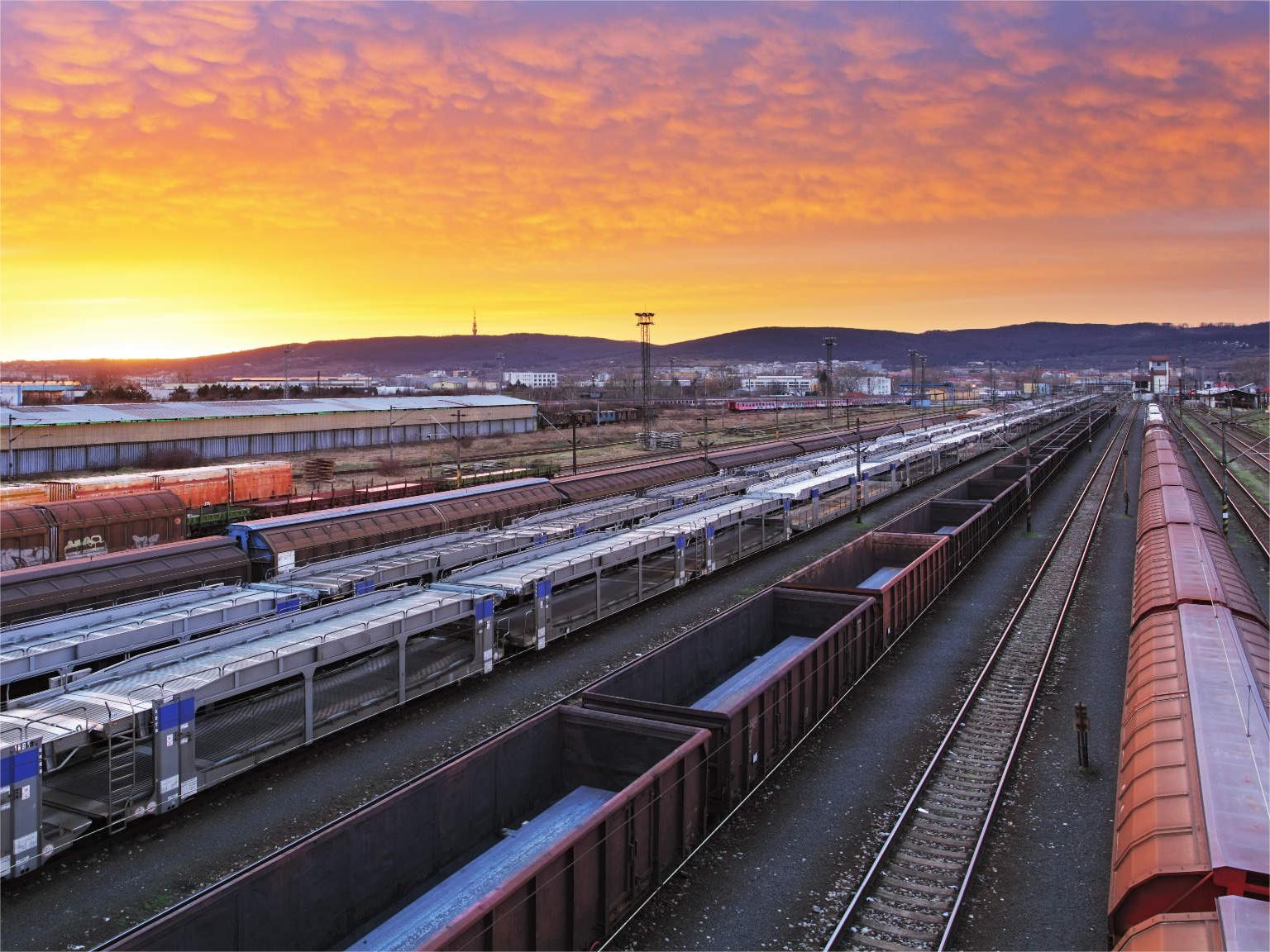
Additionally, rail freight has emerged as a reliable middle ground for shipments traveling from inland China to the Netherlands. This method typically takes about 18 to 22 days, which is much faster than the ocean route via the Cape of Good Hope. Therefore, rail is an excellent alternative when sea rates are high or schedules are congested.
Moreover, the cost difference between these methods can be substantial depending on the season. For instance, during the Q4 peak season in 2025, air freight rates often tripled compared to standard periods. Consequently, planning your logistics strategy months in advance is the only way to maintain predictable margins in the 2026 market.
| Shipping Method | Cost Range (2026) | Transit Time | Best For |
|---|---|---|---|
| Sea Freight (FCL) | $3,200 – $4,500 | 30 – 40 Days | Bulk / Heavy Cargo |
| Air Freight | $4.50 – $8.00/kg | 3 – 7 Days | Electronics / Urgent |
| Rail Freight | $2,500 – $3,800 | 18 – 25 Days | Industrial Parts |
| Express Service | $8.00 – $12.00/kg | 2 – 4 Days | Small Samples |
Which Shipping Option Should You Choose for the Netherlands?
Decision-making should focus on your specific business priorities, whether that is cost reduction or rapid inventory turnover. If budget is your primary concern, sea freight is nearly always the most economical choice for shipments exceeding 15 CBM. On the other hand, if you are launching a product and need stock immediately, air freight is the only viable solution.
Furthermore, consider the volume thresholds that make switching methods profitable. For small shipments under 100kg, express services are often cheaper than LCL sea freight once you factor in port handling fees. Consequently, calculating the total door-to-door cost is the only way to make an informed decision.
Additionally, hybrid solutions like sea-air combinations can offer unique advantages for certain routes. For example, shipping by sea to Dubai and then by air to Amsterdam can save 15 days compared to pure sea freight while costing much less than pure air freight. Indeed, these alternative strategies are becoming more common as 2026 logistics trends favor flexibility over rigid routing.
The Role of a Customs Broker in the Logistics Chain
Hiring a professional customs brokerage service can prevent most of the common pitfalls associated with international shipping. These experts act as intermediaries between your business and the tax authorities, ensuring all filings meet current legal standards. Moreover, they can provide valuable advice on duty relief programs and trade agreements that you might otherwise miss.
Specifically, a broker will verify your HS codes to ensure you are not overpaying on duties. They also handle the complex Article 23 VAT deferment applications, which can be difficult for non-resident companies to navigate alone. Therefore, the small fee paid to a broker often pays for itself through avoided fines and faster clearance times.
In fact, many Dutch customs brokers now offer integrated digital platforms that allow you to track your clearance status in real-time. This level of transparency is vital for modern supply chains where timing is everything. Consequently, partnering with a technologically advanced broker is a strategic move for any serious importer in 2026.
Real-World Case Studies for 2026 Logistics
Case Study 1: High-Volume Electronics Route: Shenzhen, China to Rotterdam, Netherlands Cargo: Solar Inverters, 68 CBM, 15,000 kg Container: 40HQ Carrier: Maersk Port of Loading: Shenzhen Port of Discharge: Rotterdam Route Type: Direct Cost Breakdown: – Ocean Freight: $4,100 – Origin Charges: $400 – Destination Charges: $550 – Customs and Duties: $0 (Duty-free HS code) – Total Landed Cost: $5,050 Timeline: – Booking to Loading: 5 days – Sea Transit: 32 days – Customs Clearance: 1 day – Total Door-to-Door: 38 days Key Insight: Using a direct route saved 6 days compared to transshipment options.
Case Study 2: Urgent Fashion Inventory Route: Shanghai, China to Amsterdam, Netherlands Cargo: Seasonal Apparel, 4 CBM, 950 kg Shipping Method: Air Freight Carrier: KLM Cargo Port of Loading: Shanghai Pudong Port of Discharge: Schiphol Airport Cost Breakdown: – Air Freight: $5,225 ($5.50/kg) – Origin Charges: $250 – Destination Charges: $300 – Customs and Duties: $1,400 (12% Duty) – Total Landed Cost: $7,175 Timeline: – Booking to Loading: 2 days – Air Transit: 1 day – Customs Clearance: 6 hours – Total Door-to-Door: 4 days Key Insight: Pre-clearing the goods while the plane was in the air allowed for immediate delivery upon landing.
Case Study 3: Industrial Machinery via Rail Route: Chengdu, China to Tilburg, Netherlands Cargo: Precision Lathes, 12 CBM, 4,500 kg Container: LCL (Less than Container Load) Carrier: China Railway Express Port of Loading: Chengdu Rail Terminal Port of Discharge: Tilburg Terminal Cost Breakdown: – Rail Freight: $2,800 – Origin Charges: $300 – Destination Charges: $400 – Customs and Duties: $450 (1.7% Duty) – Total Landed Cost: $3,950 Timeline: – Booking to Loading: 6 days – Rail Transit: 20 days – Customs Clearance: 2 days – Total Door-to-Door: 28 days Key Insight: Rail provided a 14-day speed advantage over sea freight for a moderate price increase.
Final Thoughts on Shipping Success
Achieving consistent success with customs clearance china to Netherlands requires a proactive approach to documentation and tax planning. By understanding the nuances of the Dutch import system, you can significantly reduce transit times and operational costs.
Always remember to verify your HS codes and explore VAT deferment options like Article 23 to protect your cash flow. Whether you choose sea, air, or rail, partnering with a reliable logistics provider remains the best way to navigate the complexities of global trade in 2026.
Need a tailored shipping solution?
Streamline your supply chain today with expert assistance. Our team specializes in navigating every aspect of customs clearance china to Netherlands to ensure your goods arrive on time and within budget. Visit our website to request a personalized quote or contact our specialists for a free consultation on your 2026 shipping strategy.