

Export Logistics China to Spain: The 2026 Complete Guide
Export logistics China to Spain involves navigating complex international trade regulations and diverse transport modes to ensure goods reach European markets efficiently. Businesses looking for reliable solutions should partner with Top China Logistics to ensure seamless delivery across the Iberian Peninsula and beyond. Consequently, understanding the nuances of this route helps in reducing overhead while simultaneously improving delivery schedules for various cargo types.
✦
What Are the Main Methods for Export Logistics China to Spain?
Selecting the right transportation mode is the first critical step in managing your supply chain effectively. Currently, three primary methods dominate the trade route between these two nations: sea freight, air freight, and rail freight. Each option offers distinct advantages regarding budget, speed, and safety for your valuable merchandise.
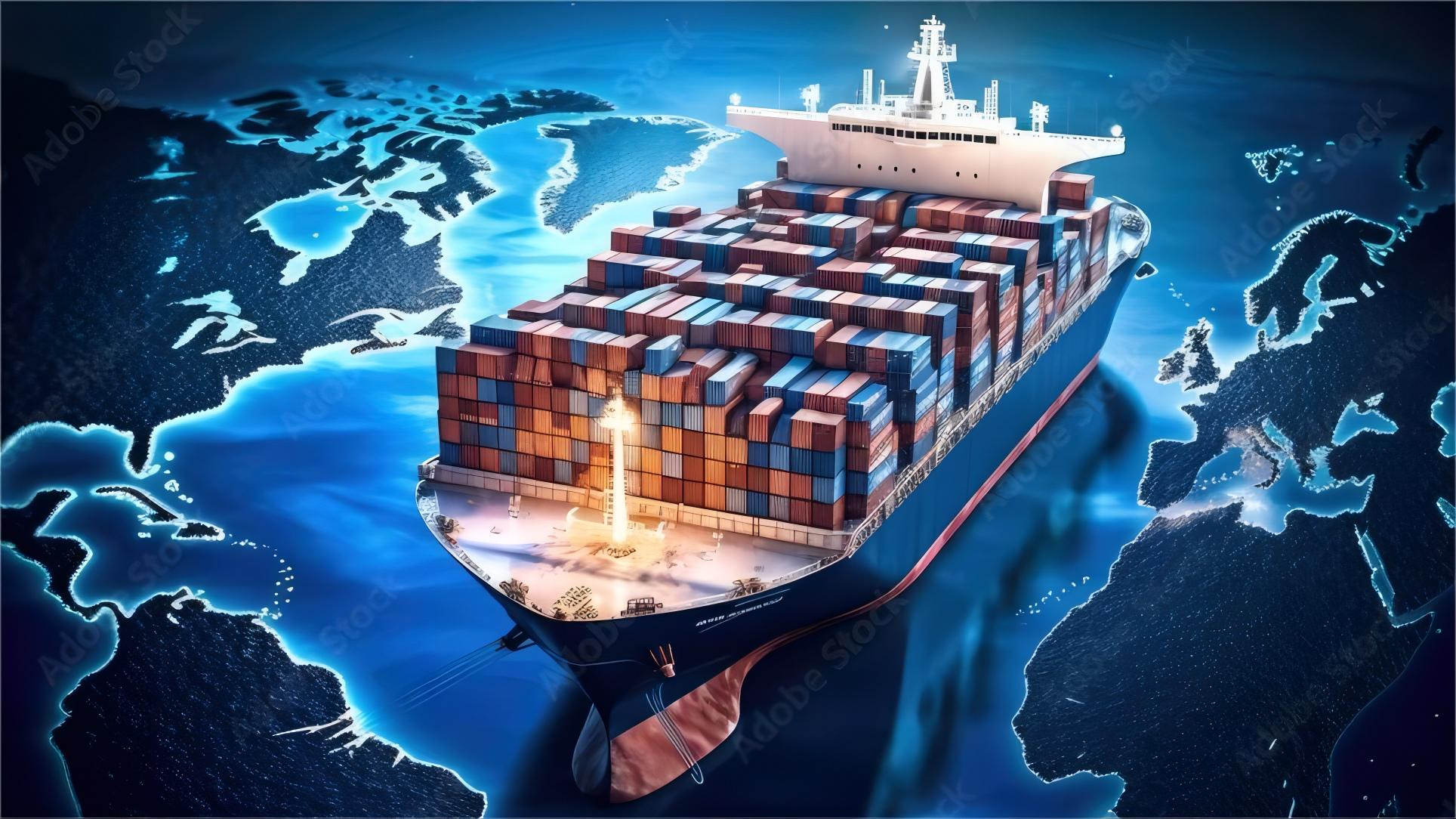
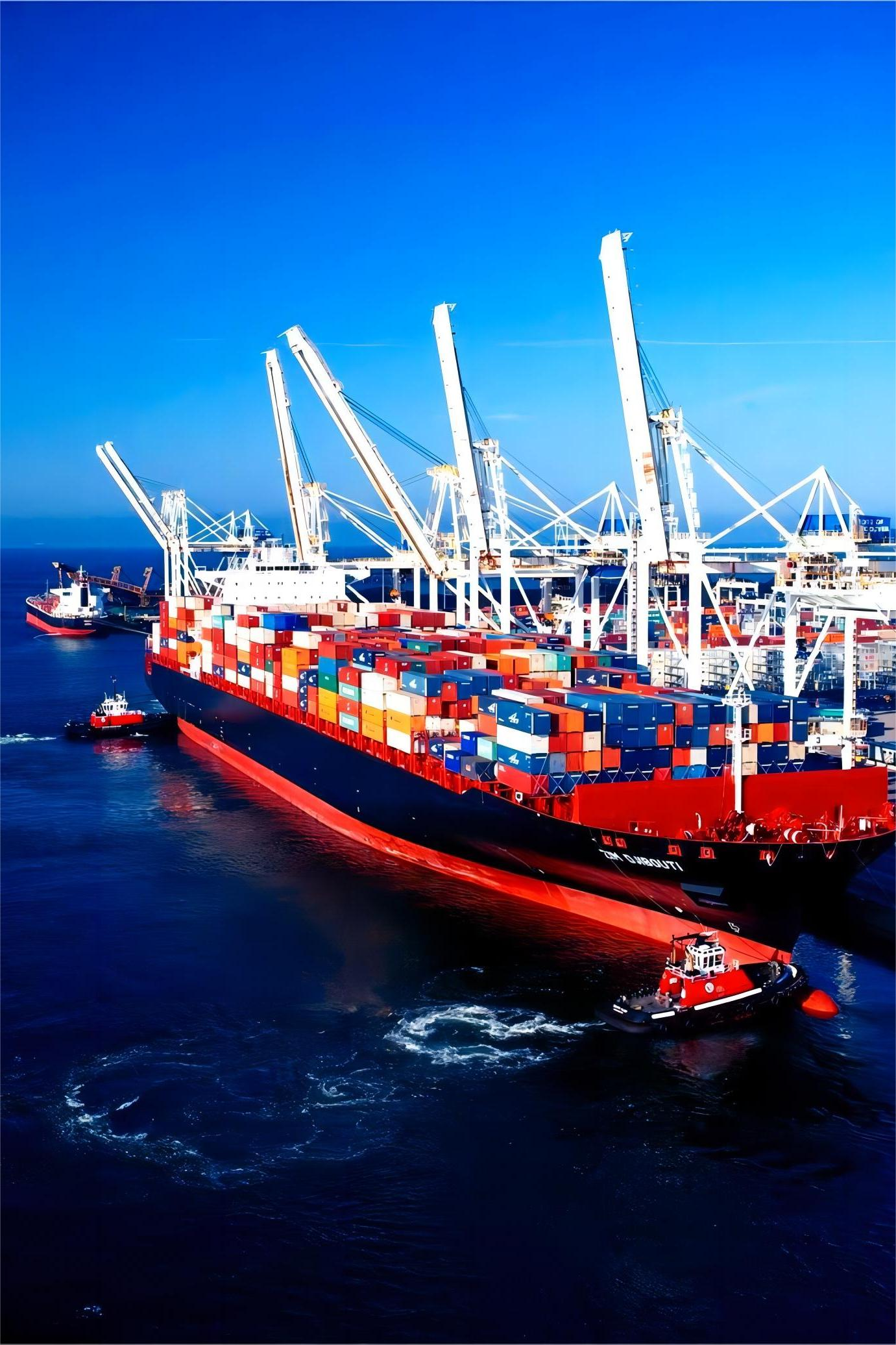
Choosing sea freight remains the most popular choice for high-volume shipments due to its cost-effectiveness. Large containers move through major ports like Shanghai or Ningbo and arrive at Spanish hubs such as Valencia or Algeciras. Furthermore, ocean transport allows for both Full Container Load (FCL) and Less than Container Load (LCL) configurations depending on your specific volume needs.
Air transport provides the fastest solution for urgent or high-value items that require rapid turnaround times. Most electronics and fashion items utilize air freight to reach Madrid or Barcelona within a matter of days. Indeed, the speed of air transit often offsets the higher costs by reducing inventory holding times and meeting strict market deadlines.
The Rise of Rail Freight in 2026
Rail transport has emerged as a powerful middle-ground solution for modern importers. Utilizing the Yiwu-Madrid railway line, rail freight offers a faster alternative to sea and a cheaper alternative to air. This method is particularly useful for industrial machinery and automotive parts that require a balance of speed and economy.
How Does Sea Freight Compare to Other Shipping Options?
Analyzing the trade-offs between different shipping methods is essential for optimizing your logistics budget. Sea freight typically offers the lowest price per kilogram, making it the default choice for bulk commodities. However, the transit time is significantly longer than other modes, often taking over a month to complete the journey.
Conversely, air freight costs significantly more but slashes delivery times to less than a week. Rail freight sits comfortably in the middle, providing a predictable schedule that avoids the volatility of ocean weather. Therefore, your choice depends heavily on whether your priority lies in cost savings or time-to-market speed.
| Shipping Method | Cost Range | Transit Time | Best For |
|---|---|---|---|
| Sea Freight | Low ($2,500 – $4,500 per 40HQ) | 30 – 45 Days | Bulk goods and large machinery |
| Air Freight | High ($5.00 – $9.00 per kg) | 3 – 7 Days | Electronics and urgent cargo |
| Rail Freight | Medium ($3,000 – $5,500 per 40HQ) | 18 – 24 Days | Industrial parts and textiles |
| Express | Premium ($9.00+ per kg) | 2 – 4 Days | Samples and small documents |
What Documentation Is Required for Spanish Customs Clearance?
Navigating the legal requirements of the European Union is a vital component of export logistics China to Spain. Spanish customs authorities require specific documentation to verify the nature, value, and origin of imported goods. Without accurate paperwork, shipments can face lengthy delays or expensive fines at the port of entry.
Professional customs brokerage services ensure that all filings comply with current 2026 EU regulations. Documentation must be precise, as even minor errors in a commercial invoice or packing list can trigger a full physical inspection. Additionally, ensuring your goods meet CE marking standards is mandatory for many product categories entering the Spanish market.
| Document Type | Purpose | Key Details Included | Required By |
|---|---|---|---|
| Commercial Invoice | Value Declaration | Unit price, total value, Incoterms | Customs / Tax Authority |
| Packing List | Physical Verification | Weight, dimensions, item count | Port Authorities |
| Bill of Lading | Title of Goods | Consignee details, route info | Carrier / Bank |
| Certificate of Origin | Duty Calculation | Country of manufacture | Spanish Customs |
How to Optimize Shipping Costs from China to Spain in 2026?
Managing expenses requires a strategic approach to cargo consolidation and route selection. Importers can significantly reduce their landed costs by choosing FCL over LCL when shipping volumes exceed 15 cubic meters. Moreover, booking shipments at least three to four weeks in advance helps secure lower rates before peak season price hikes occur.
Another effective strategy involves negotiating better terms with your suppliers to use favorable Incoterms like FOB or EXW. This allows you more control over the logistics chain and prevents hidden markups from the seller side. Finally, optimizing your packaging to minimize dead space can lead to substantial savings on both air and sea freight charges.
Note: Freight rates are subject to change based on fuel costs, carrier capacity, and seasonal demand. Contact us for a current quote tailored to your specific shipment.
Which Option Should You Choose for Your Cargo?
Determining the most suitable logistics path depends on several variables including budget, urgency, and product type. If you are shipping seasonal fashion items that must hit the shelves next week, air freight is the only viable path. On the other hand, if you are importing construction materials for a project starting in three months, sea freight is the logical financial choice.
Hybrid solutions like sea-air or rail-sea combinations are also gaining traction in 2026 for their flexibility. These methods allow businesses to adapt to port congestion or sudden shifts in consumer demand. Ultimately, a balanced supply chain often utilizes a mix of these methods to mitigate risks and maintain a steady flow of inventory.
Decision Framework Criteria
Budget priority: Recommend sea freight for maximum savings on large volumes. Speed priority: Recommend air freight or express services for time-sensitive cargo. Cargo type considerations: Recommend rail freight for high-value industrial goods that are too heavy for air. Volume thresholds: Switch from LCL to FCL once your cargo exceeds 15-20 CBM to lower the per-unit cost.
How Does Rail Freight Compare to Sea and Air Alternatives?
Comparing rail freight to its counterparts reveals a unique value proposition for the China-Spain route. While sea freight might cost $3,500 for a 40HQ container, rail freight for the same volume might cost $4,800 but arrives 15 days sooner. This time saving can be crucial for maintaining cash flow and reducing warehouse storage needs in Spain.
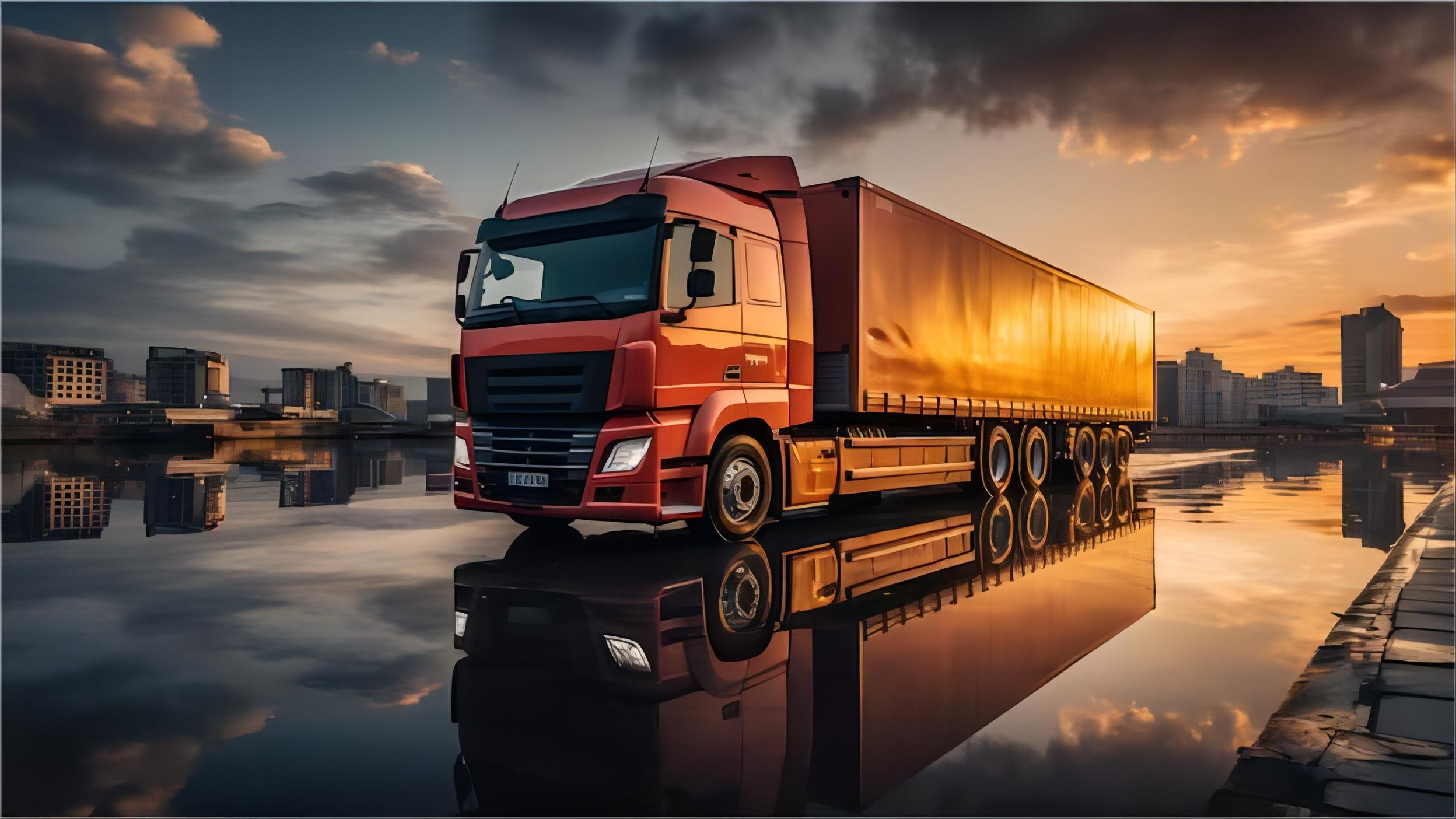
Alternative strategies often involve using rail for the ‘middle-mile’ and trucks for the final mile. This door to door approach ensures that goods are picked up from the factory in China and delivered directly to the warehouse in Madrid. Consequently, businesses avoid the complexity of managing multiple carriers and disparate tracking systems.
Real Case Studies in China-Spain Logistics
Examining real-world examples provides insight into how professional logistics management overcomes common challenges. These cases reflect typical market conditions and pricing structures observed in early 2026. By reviewing these scenarios, importers can better anticipate the costs and timelines associated with their own upcoming shipments.
Case Study 1: High-Volume Textile Import. Route: Ningbo, China to Valencia, Spain. Cargo: Cotton fabrics, 68 CBM, 18,000 kg. Container: 40HQ FCL. Shipping Details: Major carrier, Port of Loading: Ningbo, Port of Discharge: Valencia, Route Type: Direct Sea. Cost Breakdown: Ocean Freight: $3,850, Origin Charges: $450, Destination Charges: $600, Customs: $1,200, Total Landed Cost: $6,100. Timeline: Booking to Loading: 5 days, Sea Transit: 32 days, Customs Clearance: 2 days, Total Door-to-Door: 39 days. Key Insight: Early booking secured a rate 15 percent below the peak season average.
Case Study 2: Urgent Automotive Components. Route: Chengdu, China to Barcelona, Spain. Cargo: Engine parts, 12 CBM, 4,500 kg. Container: LCL. Shipping Details: Rail Service, Port of Loading: Chengdu Rail Terminal, Port of Discharge: Barcelona Terminal, Route Type: Transshipment via Poland. Cost Breakdown: Rail Freight: $2,400, Origin Charges: $300, Destination Charges: $400, Customs: $900, Total Landed Cost: $4,000. Timeline: Booking to Loading: 3 days, Rail Transit: 22 days, Customs Clearance: 1 day, Total Door-to-Door: 26 days. Key Insight: Rail provided a 10-day advantage over sea freight at a fraction of the air freight cost.
Case Study 3: Premium Electronics Launch. Route: Shenzhen, China to Madrid, Spain. Cargo: Consumer tablets, 2 CBM, 600 kg. Shipping Method: Air Freight. Shipping Details: Direct Air Cargo, Port of Loading: Shenzhen Baoan, Port of Discharge: Madrid Barajas, Route Type: Direct. Cost Breakdown: Air Freight: $4,800, Origin Charges: $200, Destination Charges: $350, Customs: $2,100, Total Landed Cost: $7,450. Timeline: Booking to Loading: 1 day, Air Transit: 2 days, Customs Clearance: 1 day, Total Door-to-Door: 4 days. Key Insight: Speed was the primary driver to meet a nationwide retail launch date.
Final Thoughts on Export Logistics China to Spain
Mastering export logistics China to Spain requires a comprehensive understanding of transport modes, customs regulations, and market trends. By carefully weighing the pros and cons of sea, air, and rail freight, businesses can create a resilient supply chain that adapts to the evolving global landscape. Furthermore, implementing cost-saving strategies like early booking and container optimization ensures long-term profitability.
Reliable logistics partners play a crucial role in navigating the challenges of 2026, from port congestion to regulatory shifts. Whether you are shipping bulk commodities or high-value electronics, the right strategy will ensure your goods arrive safely and on time. Ultimately, staying informed about the latest logistics developments is the best way to maintain a competitive edge in the Spanish market.
Streamline your export logistics China to Spain today by partnering with industry experts who understand the complexities of international trade. Our team provides tailored solutions to reduce your shipping costs and ensure timely delivery of your cargo. Visit our inquiry page to request a personalized quote and start optimizing your global supply chain now. Visit https://topchinalogistics.com/ for more information.
Request Quote