


Air Freight China to Australia: 2026 Shipping Guide and Costs
Navigating the complexities of international trade requires a reliable partner for your logistics needs. Choosing air freight china to Australia ensures that your high-value or time-sensitive cargo reaches its destination with maximum efficiency. Top China Logistics provides comprehensive solutions to bridge the gap between Chinese manufacturers and Australian businesses. This guide explores the essential factors of air cargo, helping you optimize your supply chain in 2026.
✦
How Does Air Freight China to Australia Compare to Other Shipping Options?
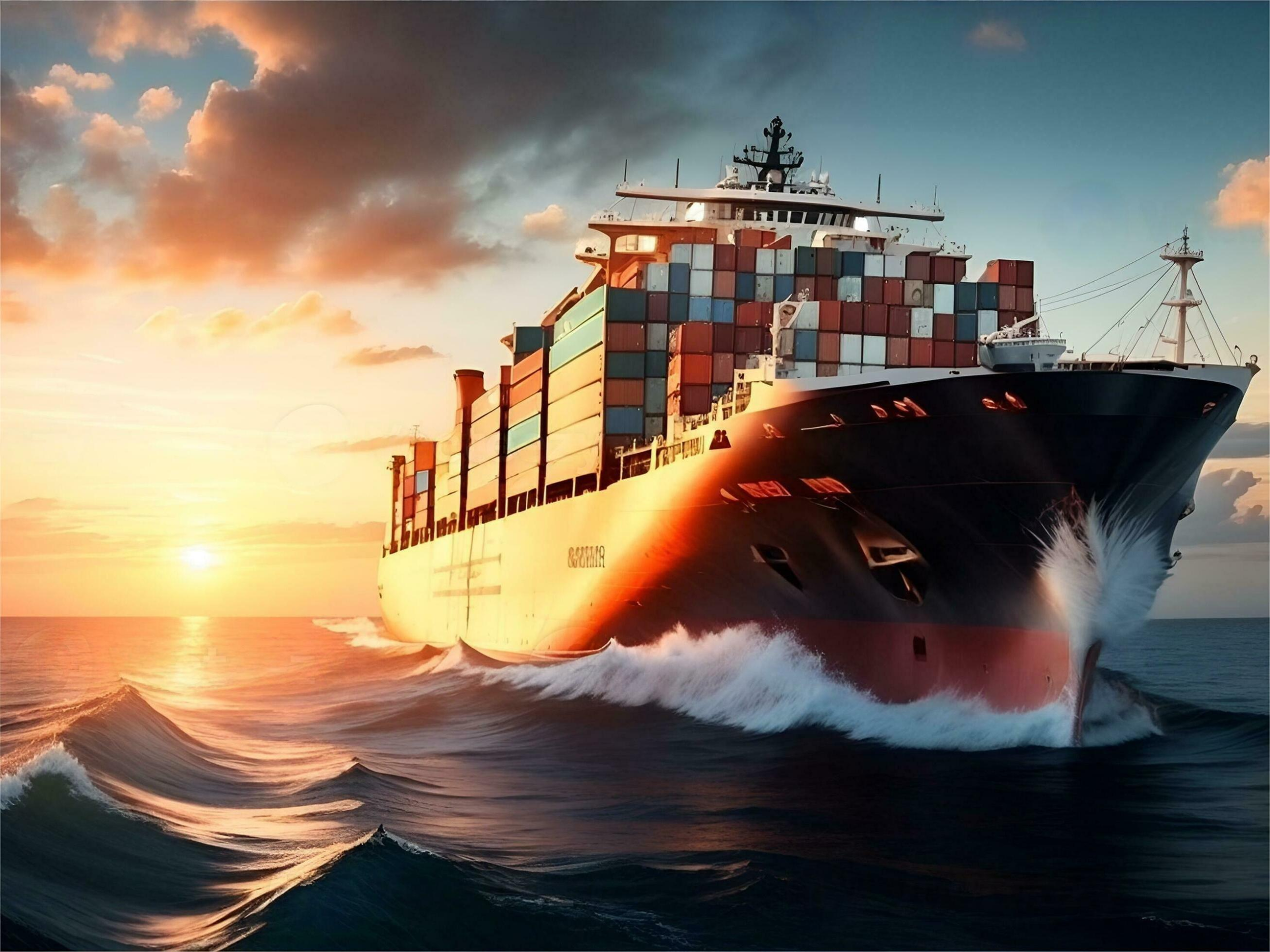
Selecting the right transport method depends heavily on your budget and timeline requirements. While sea freight offers lower costs for massive volumes, air transport provides unmatched speed for urgent inventory. Consequently, businesses often choose air cargo for electronics, pharmaceuticals, and fashion items that require rapid turnaround. Furthermore, the security of air transport reduces the risk of damage or theft compared to long ocean voyages.
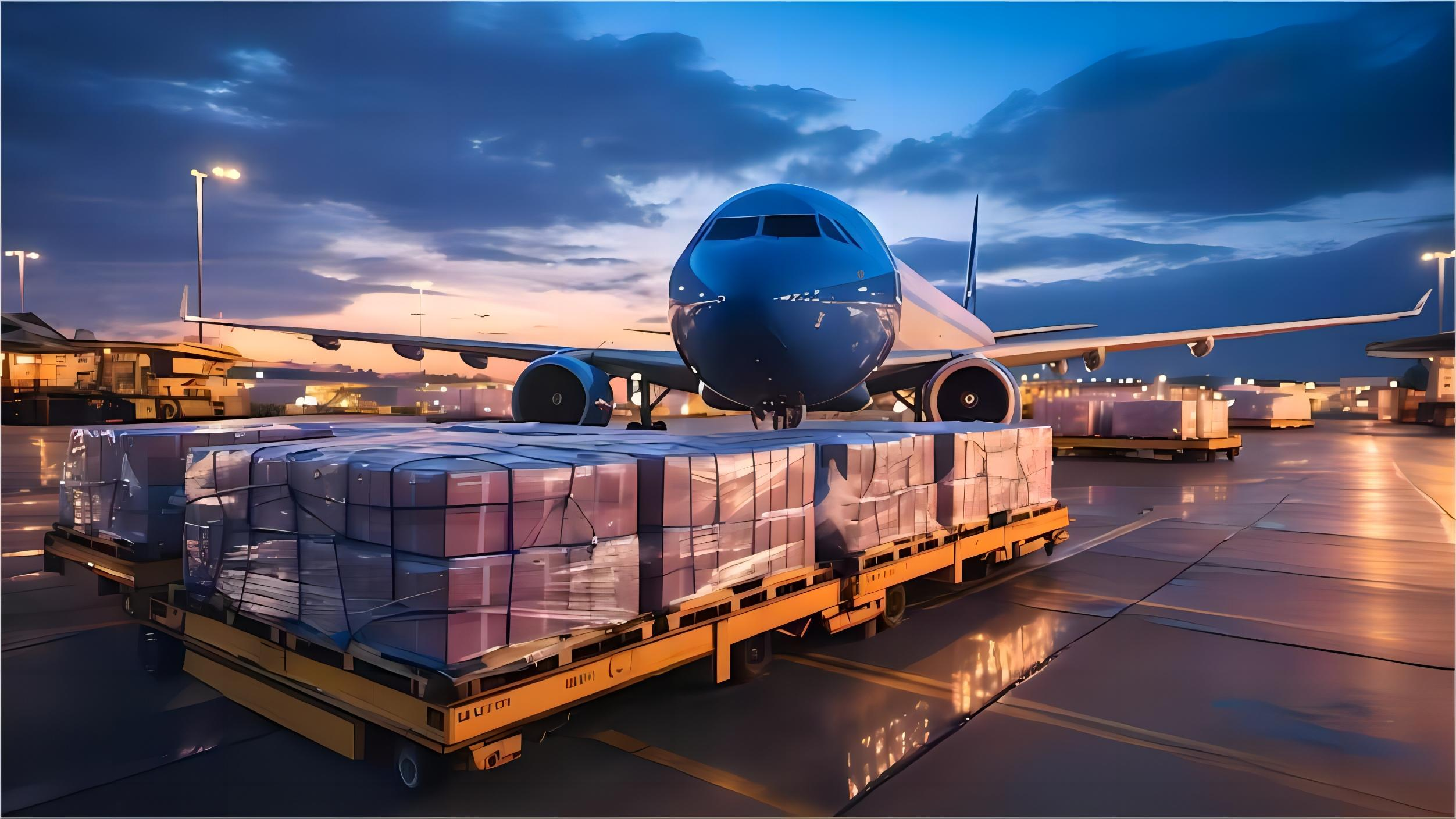
Specifically, air freight is the gold standard for high-value goods that cannot afford weeks of transit. In contrast, sea freight remains the preferred choice for bulk commodities and heavy machinery. Meanwhile, express services offer even faster delivery for small parcels, though at a significantly higher price point per kilogram. Therefore, understanding the trade-offs between these methods is crucial for maintaining a lean and responsive supply chain.
Notably, geographic constraints mean that some popular Eurasian options are unavailable for this route. While rail freight is a popular option for shipments to Europe, it is not a viable strategy for shipments to Australia. Businesses must instead choose between the speed of air and the volume capacity of ocean transport. Ultimately, a hybrid approach often yields the best results for growing enterprises.
| Shipping Method | Cost Range | Transit Time | Best For |
|---|---|---|---|
| Air Freight | $3.50-$6.50/kg | 3-7 Days | High-value goods |
| Sea Freight | $800-$2000/cntr | 12-25 Days | Bulk cargo |
| Express Service | $7.00-$12.00/kg | 2-4 Days | Small samples |
| Sea-Air Hybrid | $2.50-$4.50/kg | 10-15 Days | Cost balancing |
Understanding Air Freight Rates China to Australia in 2026
Freight rates fluctuate based on market demand, fuel surcharges, and seasonal peaks throughout the year. As of Q1 2026, air cargo rates have remained relatively stable due to increased belly capacity in passenger planes. However, you should expect price increases during the peak season from September to December. Therefore, booking your shipments at least two weeks in advance can help secure better rates and guaranteed space.
Moreover, the chargeable weight of your shipment is calculated based on either actual weight or volumetric weight. Carriers apply the higher of the two to determine the final cost of the air freight china to Australia. Consequently, optimizing your packaging to minimize empty space is one of the most effective ways to lower your expenses. Indeed, many shippers find that switching to custom-sized boxes significantly reduces their monthly logistics spend.
Note: Freight rates are subject to change based on fuel costs, carrier capacity, and seasonal demand. Contact us for a current quote tailored to your specific shipment.
What is the Transit Time for Air Cargo from China to Australia?
Transit times typically range from 3 to 7 days depending on the specific route and service level selected. Direct flights from major hubs like Shanghai or Shenzhen to Sydney often arrive within 24 to 48 hours. Meanwhile, indirect flights with transshipment in hubs like Singapore or Hong Kong may take longer but often offer cost savings. Consequently, you must balance your need for speed with your overall logistics budget.
Additionally, the total door-to-door time includes more than just the flight duration. You must account for factory pickup, export customs in China, and import clearance once the plane lands in Australia. Furthermore, local trucking in Australia can add another 1-2 days depending on the distance from the airport to your warehouse. Therefore, planning for a 7-day window is a safe strategy for most standard air freight shipments.
| Origin City | Destination City | Service Type | Est. Transit |
|---|---|---|---|
| Shenzhen | Sydney | Direct Air | 1-2 Days |
| Shanghai | Melbourne | Standard Air | 3-5 Days |
| Guangzhou | Brisbane | Indirect Air | 5-7 Days |
| Beijing | Perth | Standard Air | 4-6 Days |
Why Should You Use Door to Door Air Shipping?
Streamlining your logistics through door to door services eliminates the hassle of managing multiple providers. This comprehensive solution covers everything from factory pickup in China to final delivery at your Australian doorstep. Additionally, it provides a single point of contact for tracking, invoicing, and troubleshooting. Indeed, most modern importers prefer this model to reduce administrative overhead and potential delays.
Furthermore, this service level includes the management of all local handling fees and terminal charges. Consequently, you avoid the surprise costs that often occur when cargo is handled by multiple uncoordinated agents. Moreover, integrated tracking systems allow you to monitor your shipment’s progress in real-time. Therefore, door to door shipping is the most efficient way to manage air freight china to Australia for growing businesses.
How to Manage Customs Clearance for Australian Imports?
Professional customs brokerage is essential for navigating the strict regulations of the Australian Border Force. You must ensure that all documentation, including commercial invoices and packing lists, is accurate and complete. Moreover, understanding the specific duties and taxes for your product category prevents unexpected financial burdens. Consequently, partnering with an expert ensures your cargo clears customs without unnecessary inspections.
Specifically, Australia has rigorous biosecurity laws that apply to many types of imported goods. Any items containing wood, plant matter, or organic materials may require special treatment or certification. Furthermore, the misclassification of goods can lead to significant fines and shipment delays. In contrast, a well-prepared shipment with correct HS codes moves through the system with minimal friction. Indeed, compliance is the most important factor in maintaining a reliable supply chain.
Shipping Lithium Batteries and Dangerous Goods
Transporting lithium batteries requires strict adherence to international aviation safety standards and IATA regulations. You must provide a valid Material Safety Data Sheet (MSDS) and ensure the packaging meets UN-certified specifications. Furthermore, many airlines have specific limitations on the quantity and state of charge for these batteries during transit. Consequently, working with a knowledgeable forwarder is vital to avoid shipment rejection or safety incidents.
Notably, other items like perfumes, aerosols, and certain chemicals are classified as dangerous goods. These items require specialized handling and may only be transported on dedicated cargo aircraft. Additionally, the documentation for these goods is more complex and requires certified personnel for preparation. Therefore, you should always disclose the full nature of your cargo to your logistics provider to ensure compliance and safety.
Optimizing Logistics for Amazon FBA Australia
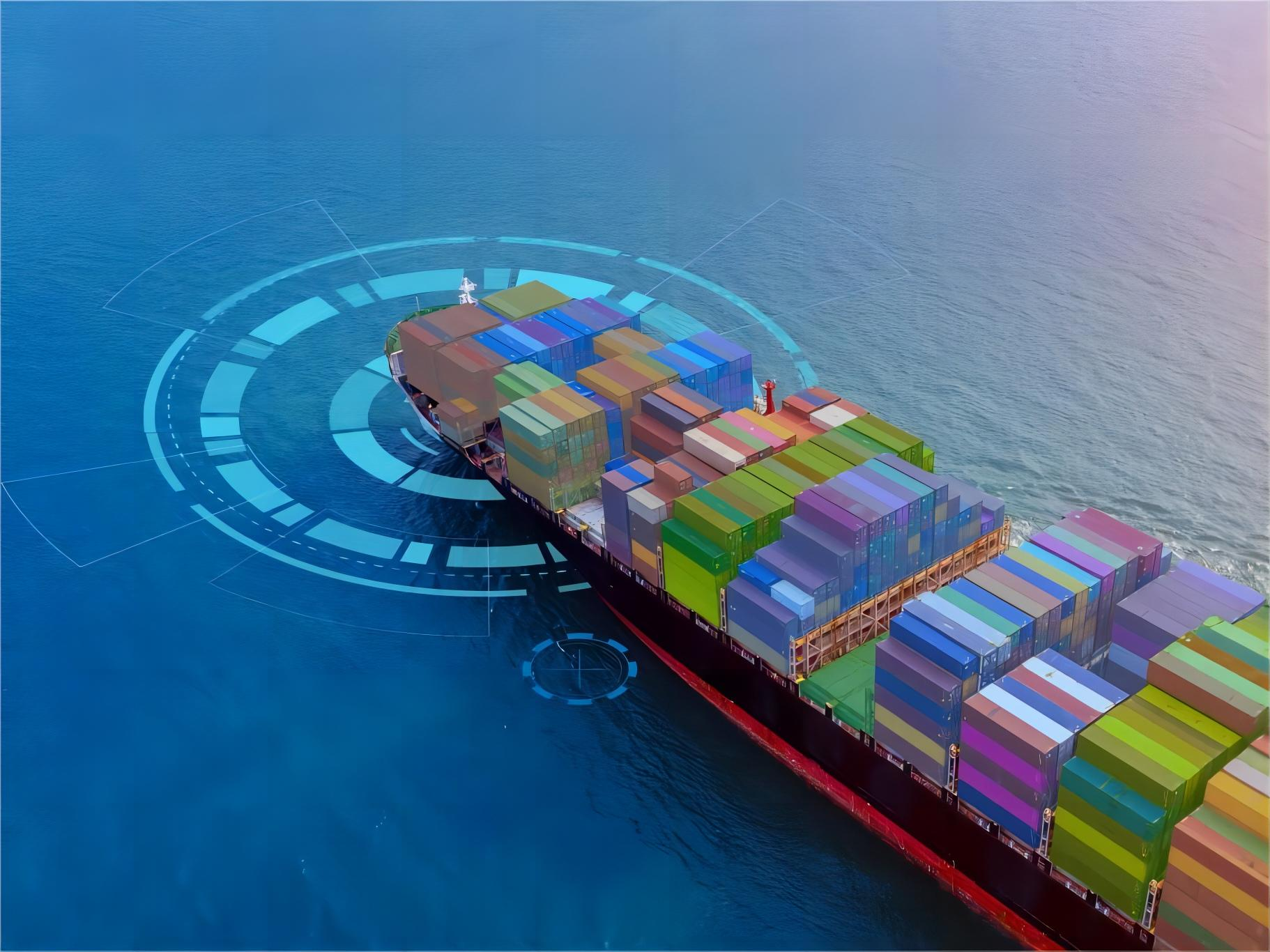
Selling on Amazon Australia requires precise logistics to meet the strict delivery windows of fulfillment centers. Using specialized Amazon FBA logistics solutions ensures your products are labeled and packaged correctly before arrival. Additionally, air freight provides the speed necessary to restock popular items and avoid costly stockouts. Therefore, many successful sellers utilize a hybrid model of sea and air to maintain optimal inventory levels.
Moreover, Amazon has specific requirements for palletization and carton marking that must be followed. Failure to comply with these rules can result in the rejection of your shipment at the warehouse gate. Furthermore, air freight allows you to test new products in the Australian market with smaller, faster batches. Consequently, you can gather customer feedback and sales data before committing to large-scale sea freight shipments.
Which Major Airports Handle Air Freight between China and Australia?
China boasts several world-class airports that serve as primary departure points for Australian cargo. Shanghai Pudong International Airport (PVG) and Shenzhen Bao’an International Airport (SZX) handle the majority of high-tech exports. Meanwhile, Guangzhou Baiyun International Airport (CAN) is a major hub for fashion and general consumer goods. Furthermore, Hong Kong International Airport remains a vital transshipment point for cargo originating from across the Pearl River Delta.
On the Australian side, Sydney Kingsford Smith (SYD) and Melbourne Airport (MEL) are the busiest hubs for incoming freight. These airports feature extensive cold chain facilities and specialized handling areas for various cargo types. Additionally, Brisbane (BNE) and Perth (PER) airports provide vital access for regional distribution networks across the continent. Notably, choosing the airport closest to your final destination can significantly reduce your domestic trucking costs.
Real-World Case Studies: Air Freight Success Stories
Case Study 1: High-Value Electronics for Sydney Retailer. Route: Shenzhen to Sydney. Cargo: 500kg of premium smartphones. Shipping Method: Direct Air Freight. Total Landed Cost: $3,450. Transit Time: 3 days. Key Insight: Choosing a direct flight avoided transshipment risks and ensured the product launch deadline was met without delay.
Case Study 2: Urgent Medical Equipment for Melbourne Hospital. Route: Shanghai to Melbourne. Cargo: 150kg of diagnostic sensors. Shipping Method: express service. Total Landed Cost: $1,800. Transit Time: 2 days. Key Insight: Priority handling ensured that the life-saving equipment cleared customs in under four hours upon arrival.
Case Study 3: Seasonal Fashion Apparel for Brisbane Boutique. Route: Guangzhou to Brisbane. Cargo: 300kg of summer dresses. Shipping Method: Standard Air Freight. Total Landed Cost: $1,950. Transit Time: 6 days. Key Insight: Consolidated shipping allowed the boutique to maintain a fresh inventory rotation throughout the peak shopping season.
Which Option Should You Choose? Decision Framework
Determining the best shipping strategy requires an objective analysis of your business priorities. If your primary goal is cost reduction and you have a lead time of over 30 days, sea freight is the logical choice. However, if you are shipping high-value items or perishable goods, air freight is the only viable solution. Additionally, consider the volume of your shipment; small parcels under 100kg are often more economical via express services.
Specifically, use air freight when the cost of a stockout exceeds the additional freight expense. Furthermore, air transport is ideal for high-margin products where the shipping cost represents a small percentage of the retail price. In contrast, for low-margin, heavy items, the long-term sustainability of your business may depend on utilizing ocean transport. Ultimately, a balanced logistics strategy that utilizes both methods will provide the greatest flexibility for your supply chain.
Final Thoughts on Air Freight from China to Australia
Mastering air freight china to Australia is essential for any business looking to compete in the fast-paced modern market. By understanding the nuances of transit times, customs regulations, and pricing trends, you can make informed decisions that benefit your bottom line. Furthermore, partnering with an experienced logistics provider ensures that your cargo is handled with the highest level of care and professionalism.
Ultimately, the goal of your logistics strategy should be to provide consistent value to your customers. Whether you are shipping urgent medical supplies or the latest consumer electronics, air cargo offers the speed and reliability you need. As we move through 2026, staying adaptable and informed will remain the key to successful international trade between China and Australia.