
Shipping from China to Australia DDP Shipping: 2026 Guide
Navigating international trade requires a clear understanding of logistics to ensure your goods arrive safely and on time. Business owners often struggle with complex customs regulations and hidden fees when managing their supply chains. At Top China Logistics, we simplify this process by offering comprehensive shipping from china to Australia ddp shipping solutions that cover every step from the factory floor to your warehouse. This guide provides the most current 2026 market data to help you optimize your import strategy.
✦
What is DDP Shipping and How Does it Benefit Your Business?
Delivered Duty Paid (DDP) is an incoterm where the seller assumes all responsibility, risks, and costs associated with transporting goods. This includes paying for export and import duties, taxes, and other charges until the goods reach the destination. Consequently, the buyer experiences a hassle-free process without worrying about local customs complications in Australia.
Choosing this method provides maximum price certainty for Australian importers. Since the freight forwarder handles the entire process, you do not have to manage multiple vendors or unexpected port charges. Furthermore, it allows small to medium enterprises to compete more effectively by knowing their landed cost upfront.
How Does DDP Shipping Compare to Other Shipping Options?
Comparing DDP to other terms like FOB (Free on Board) or CIF (Cost, Insurance, and Freight) is essential for budget planning. While FOB might appear cheaper initially, the buyer must handle Australian customs and local delivery separately. On the other hand, DDP bundles all these services into a single, predictable rate.
To illustrate the differences, consider that FOB requires you to hire your own customs broker and arrange transport from the Australian port. Meanwhile, DDP ensures the freight forwarder manages the entire chain. Therefore, DDP is often the preferred choice for those seeking a streamlined door-to-door experience.
| Shipping Method | Cost Range | Transit Time | Best For |
|---|---|---|---|
| DDP Sea Freight | $1,200 – $2,500 | 18-25 Days | Bulk inventory |
| DDP Air Freight | $5.50 – $9.00/kg | 5-8 Days | High-value goods |
| FOB (Port Only) | $800 – $1,500 | 12-18 Days | Large companies |
| Express DDP | $8.00 – $12.00/kg | 3-5 Days | Urgent samples |
Choosing Between Sea Freight and Air Freight for Australia
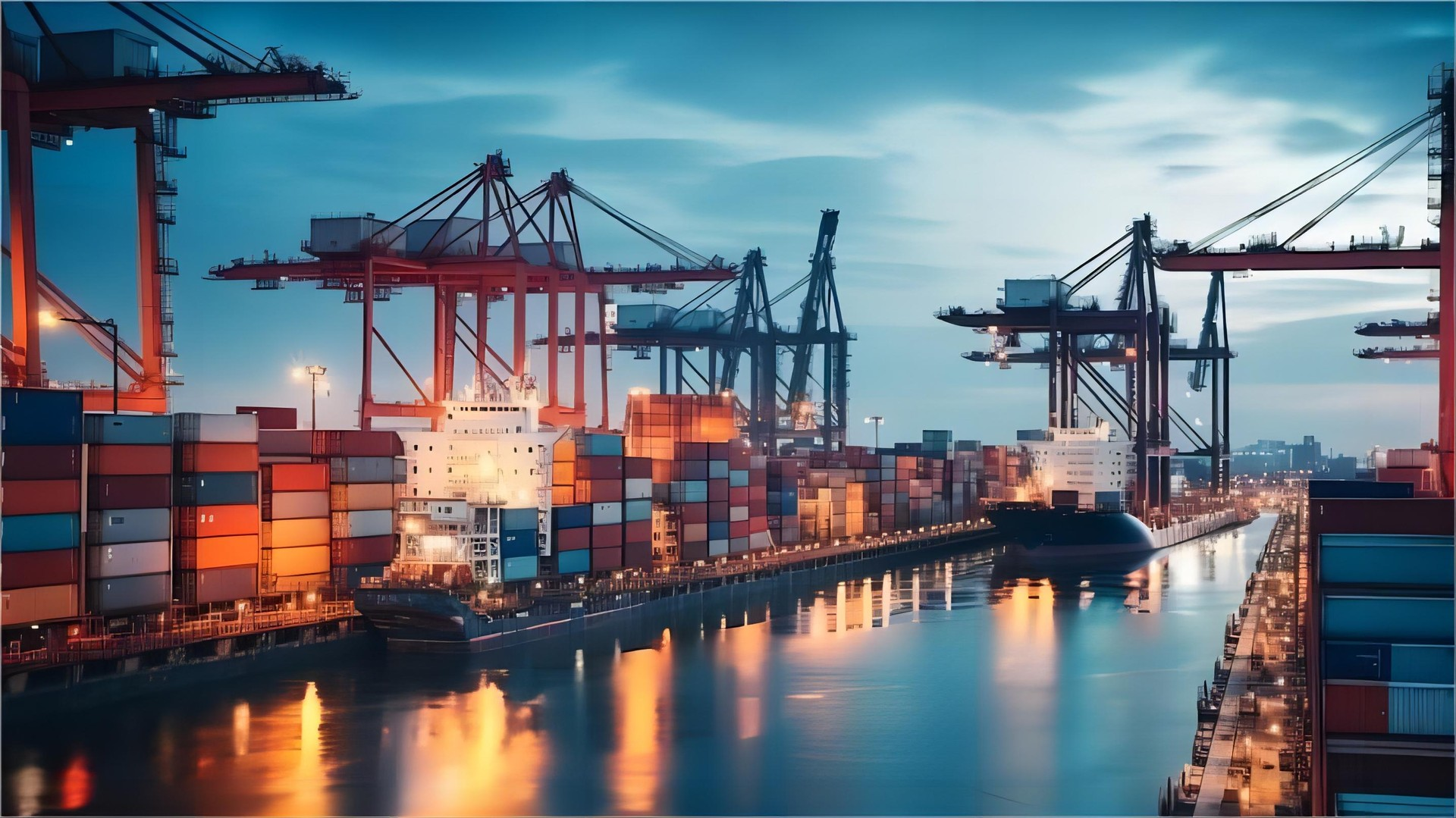
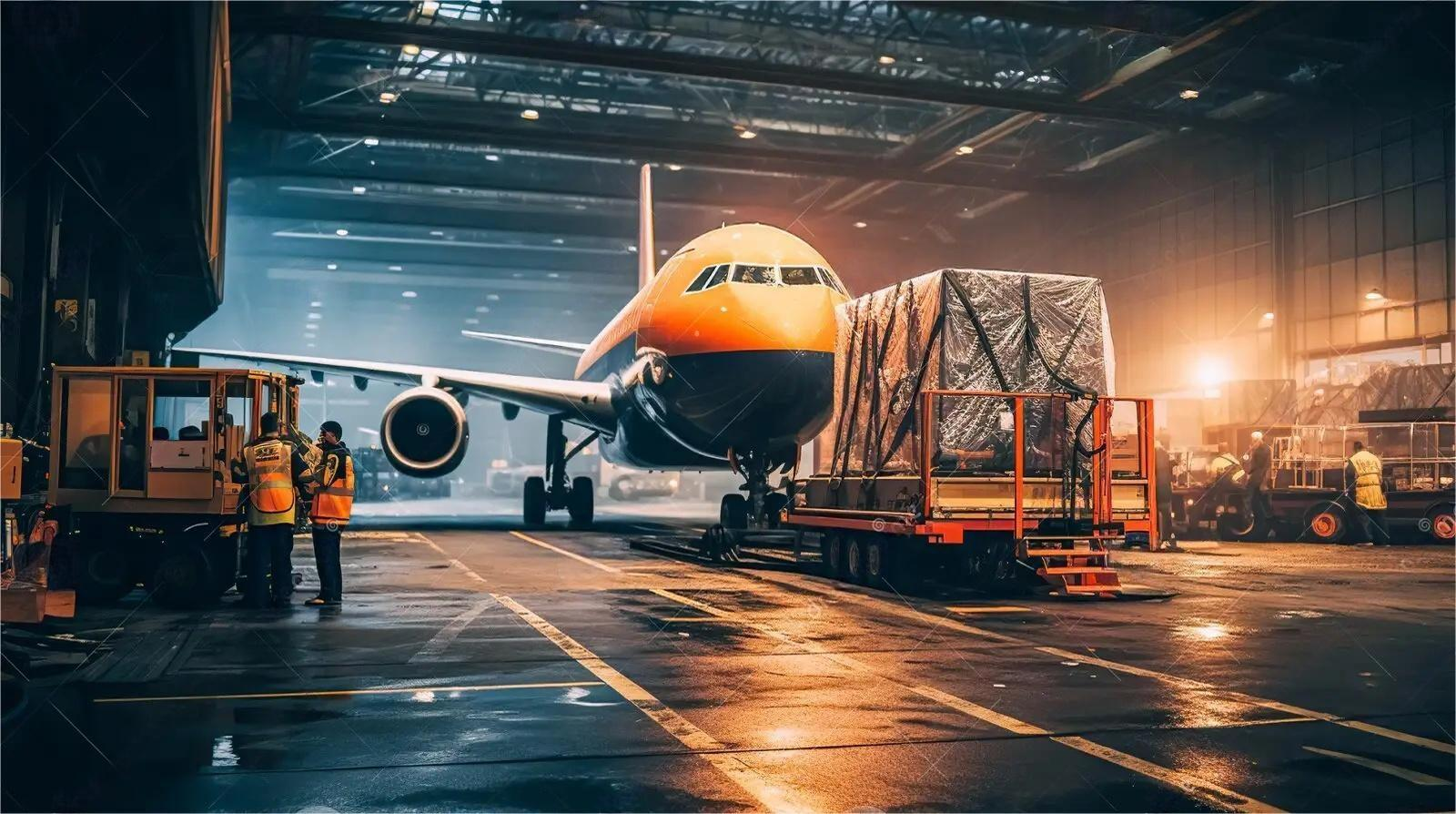
Selecting the right transport mode depends heavily on your budget and timeline requirements. For instance, sea freight is the most economical choice for large volumes of furniture, electronics, or machinery. However, if you are launching a new product and need it in Melbourne quickly, air freight is significantly faster.
Market trends in early 2026 show that sea freight remains the backbone of Australia-China trade. Indeed, most FCL (Full Container Load) shipments arrive at major ports like Sydney or Brisbane within three weeks. Conversely, air cargo provides a reliable alternative when sea ports experience seasonal congestion during the Q4 peak period.

The DDP Shipping Process from China to Australia
Initiating a shipment starts with picking up the goods from your supplier in hubs like Shenzhen or Ningbo. After that, the logistics provider handles export clearance and loads the cargo onto the vessel or aircraft. Our door to door service ensures that every milestone is tracked and managed professionally.
Once the cargo arrives in Australia, the local team manages the import declaration. They pay the GST and any applicable customs duties on your behalf. Finally, the goods are loaded onto a truck for the last-mile delivery to your specific Australian address, completing the DDP cycle without your direct intervention.
Understanding 2026 Shipping Costs and Transit Times
Freight rates have stabilized in 2026 following the disruptions of previous years. Specifically, shipping from china to Australia ddp shipping costs are influenced by fuel surcharges and seasonal demand. During the pre-Chinese New Year rush, you should expect rates to increase by approximately 20 percent.
Transit times also vary based on the specific port of loading in China. For example, shipments from Guangzhou to Perth usually take longer than those from Shanghai to Sydney. To maintain a lean supply chain, we recommend booking your space at least two weeks in advance to secure the best current market rates.
| Route | 20GP Container | 40HQ Container | Sea Transit |
|---|---|---|---|
| Shenzhen to Sydney | $950 – $1,300 | $1,600 – $2,100 | 12-15 Days |
| Shanghai to Melbourne | $1,050 – $1,400 | $1,750 – $2,300 | 15-18 Days |
| Ningbo to Brisbane | $1,000 – $1,350 | $1,700 – $2,200 | 14-17 Days |
| Qingdao to Adelaide | $1,200 – $1,600 | $2,000 – $2,600 | 20-24 Days |
Customs Clearance and Documentation Requirements
Navigating Australian Border Force (ABF) requirements is a critical step in the logistics chain. You must provide an accurate commercial invoice, packing list, and a certificate of origin to qualify for trade agreements. Utilizing a professional customs brokerage service prevents costly delays and ensures compliance with biosecurity laws.
Australia has strict biosecurity standards, especially for wood packaging and organic materials. Consequently, ensuring your supplier uses treated pallets is vital for a smooth entry. If your documentation is incomplete, customs may hold your cargo for inspection, resulting in additional storage fees and delivery setbacks.
Which Option Should You Choose? Decision Framework
Deciding on the best shipping route requires balancing cost against speed. If your priority is the lowest possible price, sea freight LCL (Less than Container Load) is usually the winner. However, for shipments over 15 CBM, upgrading to a full 20GP container often becomes more cost-effective per unit.
Speed-oriented businesses should always opt for DDP air freight or express services. To summarize, use sea freight for inventory restock and air freight for urgent market demands or high-value electronics. Our experts at Australia logistics can help you calculate the exact thresholds for switching between these methods based on current 2026 data.
Realistic Case Studies from 2026
Case Study 1: E-commerce Electronics restock. Route: Shenzhen to Sydney. Cargo: 500kg of smart home devices. Method: DDP Air Freight. Total Landed Cost: $3,250. Total Door-to-Door: 6 days. Key Insight: Fast clearance allowed the client to meet a sudden surge in consumer demand without stockouts.
Case Study 2: Furniture Import. Route: Foshan to Melbourne. Cargo: 1x20GP Container. Method: DDP Sea Freight. Total Landed Cost: $4,800 (including duties). Total Door-to-Door: 22 days. Key Insight: Pre-paying duties via DDP avoided port congestion delays during the busy autumn season.
Case Study 3: Industrial Machinery
Route: Shanghai to Brisbane. Cargo: CNC Machine, 4.5 CBM, 1,200 kg. Shipping Method: LCL Sea Freight DDP. Ocean Freight: $650. Origin/Destination Charges: $450. Customs and Duties: $1,100. Total Landed Cost: $2,200. Sea Transit: 16 days. Total Door-to-Door: 25 days. Key Insight: Accurate HTS code classification saved the client 5 percent in unnecessary duty payments.
Final Thoughts on Australian DDP Shipping
Successfully managing shipping from china to Australia ddp shipping requires a combination of strategic planning and reliable partnerships. By choosing DDP, you eliminate the uncertainty of hidden fees and complex customs procedures. This allows you to focus on growing your business while we handle the heavy lifting of global logistics.
Whether you choose air or sea freight, understanding the 2026 market landscape is essential for maintaining a competitive edge. Always verify your documentation and work with experienced forwarders who understand the specific nuances of the Australian market. With the right approach, your international trade operations will become a seamless part of your business success.