

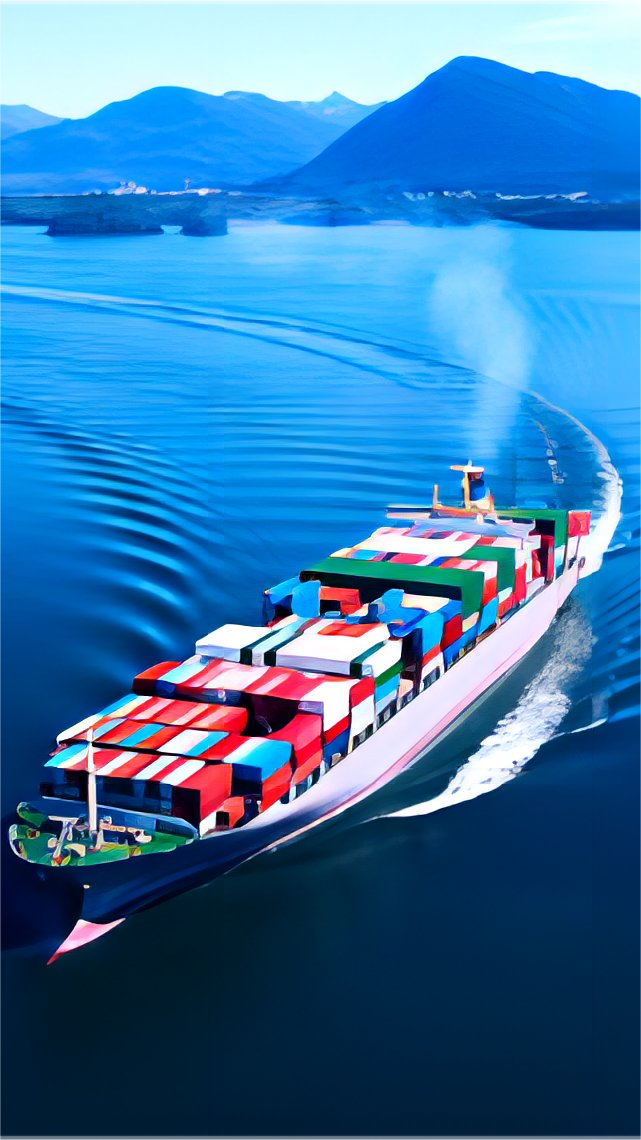
FCL Shipping China to Germany: 2026 Guide to Rates and Logistics
FCL shipping China to Germany remains the most cost-effective and secure method for transporting large volumes of commercial goods across the Eurasian corridor. Navigating the complexities of international maritime trade requires a strategic approach and a reliable partner like Top China Logistics to manage your supply chain efficiently. Consequently, understanding the nuances of full container load logistics is essential for businesses looking to minimize overhead while maintaining a consistent delivery schedule in the 2026 market.
Why Choose FCL Shipping China to Germany for Your Business?
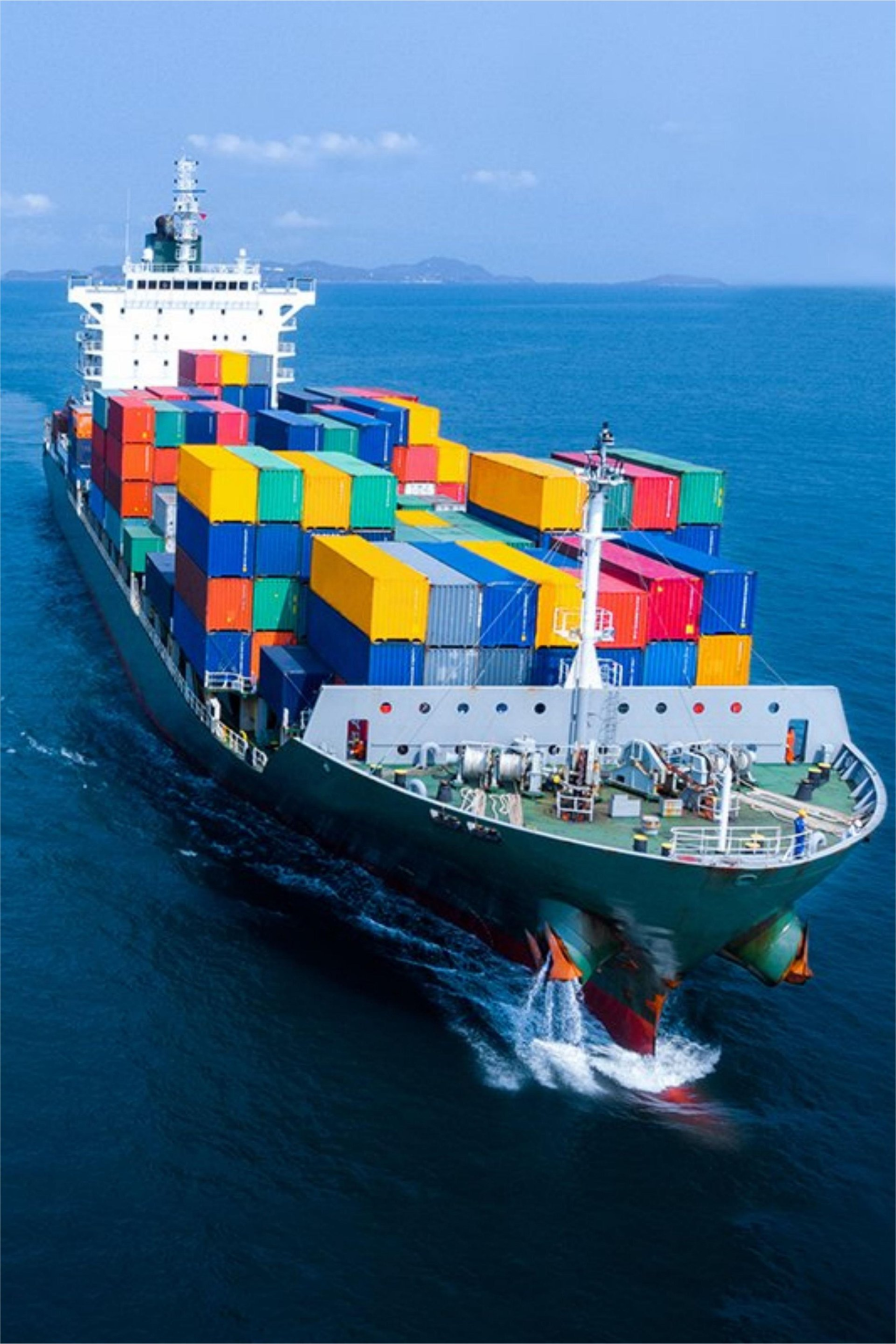
FCL shipping China to Germany offers unparalleled security because your goods occupy the entire container, reducing the risk of damage or loss during handling. Since the container is sealed at the point of origin and only opened at the final destination, the integrity of your cargo is significantly higher than with shared shipments.
Furthermore, choosing a full container often results in faster transit times compared to less-than-container load options. This is because FCL shipments bypass the time-consuming consolidation and deconsolidation processes at port warehouses, allowing for a more direct route to the German market.
Moreover, the cost-per-unit for high-volume shipments is substantially lower when utilizing FCL. For businesses moving more than 15 cubic meters of goods, the flat rate for a 20GP or 40HQ container typically provides better value than paying by the cubic meter.
Indeed, the 2026 logistics landscape favors FCL for its predictability and ease of tracking. Most major carriers provide real-time GPS monitoring for full containers, ensuring you always know the exact location of your inventory as it moves from Shenzhen or Shanghai to Hamburg.
How Does FCL Shipping Compare to Other Shipping Options?
Evaluating different transport modes is critical for optimizing your budget and meeting customer expectations. While sea freight is the standard for FCL, rail and air alternatives offer different trade-offs regarding speed and expense.
On the other hand, rail freight has become a formidable competitor for FCL shipping China to Germany. It provides a middle ground, being faster than sea but significantly cheaper than air, making it ideal for high-value machinery or seasonal consumer goods.
In contrast, air freight is reserved for urgent shipments where the time-value of the cargo justifies the premium cost. For most bulk commodities, the environmental impact and high price of air transport make FCL sea freight the preferred sustainable choice in 2026.
| Shipping Method | Cost Range (USD) | Transit Time | Best For |
|---|---|---|---|
| FCL Sea Freight | $2,200 – $4,500 | 30-40 Days | Bulk goods, low cost |
| FCL Rail Freight | $5,500 – $7,800 | 18-24 Days | Mid-value, urgent |
| Air Freight | $15,000+ | 5-8 Days | High-value, emergency |
| LCL Sea Freight | $80 – $150/CBM | 35-45 Days | Small shipments |
Major Shipping Routes and Transit Times to Germany
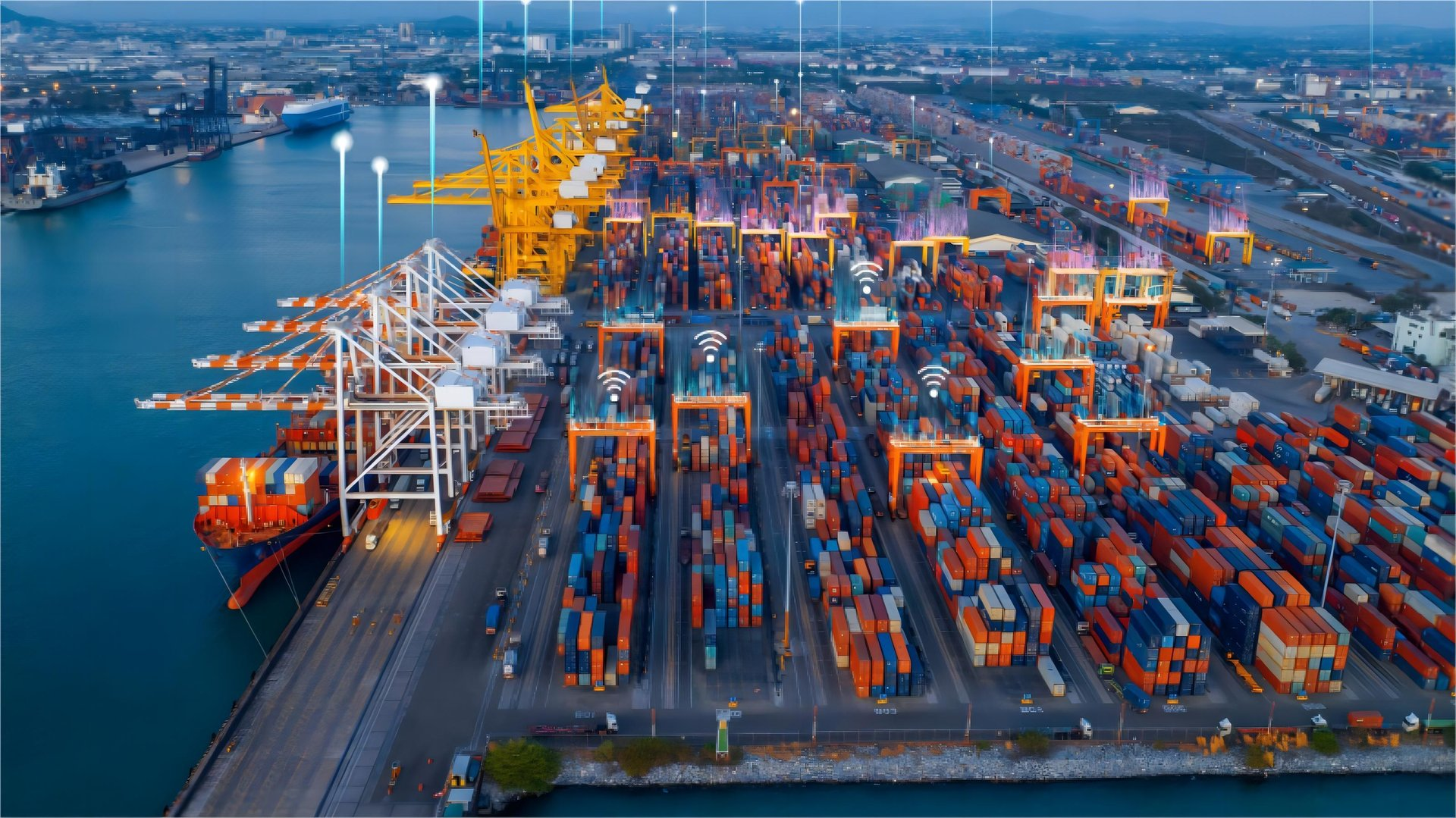
Selecting the right port of loading in China can shave days off your total transit time. Major hubs like Shanghai, Ningbo, and Shenzhen offer the highest frequency of direct sailings to German ports like Hamburg and Bremerhaven.
Additionally, the choice of the German port depends on your final inland destination. For shipments destined for Southern Germany or neighboring countries, the port of Wilhelmshaven often provides efficient rail connections that bypass the congestion of older terminals.
As a result of improved infrastructure in 2026, the average transit time from China to Germany has stabilized. However, seasonal factors and weather conditions in the Indian Ocean or North Sea can still cause minor fluctuations in the delivery schedule.
| Origin Port | Destination Port | Average Transit | Route Type |
|---|---|---|---|
| Shanghai | Hamburg | 32 Days | Direct |
| Shenzhen | Bremerhaven | 30 Days | Direct |
| Ningbo | Wilhelmshaven | 34 Days | Transshipment |
| Qingdao | Hamburg | 36 Days | Direct |
Understanding FCL Shipping Costs in 2026
Shipping costs for FCL shipping China to Germany are influenced by several dynamic factors, including fuel surcharges and carrier capacity. In early 2026, we have seen a stabilization of rates following the previous year’s disruptions, but peak seasons still command a premium.
Consequently, businesses must account for origin and destination charges beyond the base ocean freight. These include Terminal Handling Charges (THC), documentation fees, and inland haulage, which can add $500 to $1,000 to the total landed cost.
Meanwhile, the implementation of the EU Emissions Trading System (ETS) for maritime transport has introduced a small green surcharge. Therefore, optimizing container space and choosing fuel-efficient carriers is more important than ever for maintaining competitive pricing.
Essential Documentation for German Customs Clearance
Navigating the German customs process requires meticulous attention to detail to avoid costly delays and fines. Utilizing a professional customs brokerage service is highly recommended for first-time importers and complex cargo types.
For instance, you must provide a commercial invoice, a detailed packing list, and the Bill of Lading. Furthermore, certain goods may require a Certificate of Origin or specific CE certifications to meet European Union safety and quality standards.
Additionally, the EORI number is a mandatory requirement for any business importing goods into Germany. Without this identification number, your container will be held at the port, incurring significant demurrage and storage charges.
Real-World Scenario Analysis: FCL Shipping Case Studies
Case Study 1: Electronics from Shenzhen to Hamburg
Route: Shenzhen, China to Hamburg, Germany. Cargo: Consumer Electronics, 68 CBM, 14,000 kg. Container: 40HQ. Shipping Details: Direct service via a major carrier. Port of Loading: Shenzhen. Port of Discharge: Hamburg. Route Type: Direct.
Cost Breakdown: Ocean Freight: $4,150. Origin Charges: $320. Destination Charges: $450. Customs and Duties: $1,200. Total Landed Cost: $6,120. Timeline: Booking to Loading: 4 days. Sea Transit: 31 days. Customs Clearance: 2 days. Total Door-to-Door: 37 days.
Key Insight: By utilizing a 40HQ container, the client maximized volume efficiency, reducing the shipping cost per unit by 12% compared to using two 20GP containers. Based on Q1 2026 market rates, this was a highly successful shipment.
Case Study 2: Industrial Machinery via Rail Freight
Route: Xi’an, China to Duisburg, Germany. Cargo: Precision Machinery, 28 CBM, 18,000 kg. Container: 40GP. Shipping Details: rail freight via the New Silk Road. Port of Loading: Xi’an Inland Terminal. Port of Discharge: Duisburg Rail Terminal. Route Type: Direct Rail.
Cost Breakdown: Rail Freight: $6,200. Origin Charges: $250. Destination Charges: $380. Customs and Duties: $2,100. Total Landed Cost: $8,930. Timeline: Booking to Loading: 3 days. Rail Transit: 19 days. Customs Clearance: 3 days. Total Door-to-Door: 25 days.
Key Insight: The client needed the machinery for a factory opening in Bavaria. While more expensive than sea freight, the 12-day time saving was critical for their production schedule. Typical rates as of early 2026 suggest rail remains a viable alternative for time-sensitive FCL.
Which Container Size is Right for Your Shipment?
Choosing between a 20GP, 40GP, and 40HQ container depends entirely on your cargo volume and weight. While a 20GP is ideal for heavy, dense goods like stone or metal, the 40HQ is the gold standard for lighter, bulky items like textiles or furniture.
Moreover, the price difference between a 40GP and a 40HQ is often negligible, despite the extra foot of height provided by the HQ version. Consequently, most shippers prefer the 40HQ to ensure they have enough space for palletized goods without exceeding height limits.
In addition, you should consider the loading requirements of your warehouse. Some older facilities in Germany may have height restrictions that make a standard 40GP a safer choice than the taller 40HQ model.
| Container Type | Internal Volume | Max Payload | Best For |
|---|---|---|---|
| 20GP (Standard) | 33 CBM | 28,000 kg | Heavy, compact cargo |
| 40GP (Standard) | 67 CBM | 26,000 kg | General merchandise |
| 40HQ (High Cube) | 76 CBM | 26,000 kg | Bulky, light goods |
| 40RF (Reefer) | 59 CBM | 27,000 kg | Perishables |
Strategies for Reducing FCL Shipping Costs
Implementing a few strategic changes can lead to significant savings on FCL shipping China to Germany. For example, booking your shipment at least three to four weeks in advance allows you to secure lower ‘early bird’ rates from carriers.
Furthermore, consider utilizing door to door services to consolidate your logistics costs. This approach often eliminates hidden fees from multiple third-party handlers and provides better visibility into the total landed cost.
Additionally, many e-commerce sellers find success by shipping directly to Amazon FBA centers in Germany. By optimizing the container loading according to Amazon’s strict requirements, you can avoid costly rejection fees and storage surcharges at the port.
Note: Freight rates are subject to change based on fuel costs, carrier capacity, and seasonal demand. Contact us for a current quote tailored to your specific shipment.
Final Thoughts on FCL Shipping to Germany
FCL shipping China to Germany continues to be the most reliable method for international trade between these two nations. By understanding the differences in container sizes, transit times, and customs requirements, businesses can make informed decisions that protect their bottom line.
Therefore, staying updated on 2026 market trends and maintaining a flexible logistics strategy is key to success. Whether you choose the speed of rail or the cost-efficiency of sea freight, a well-managed FCL shipment is the foundation of a robust global supply chain.
Get Your Shipping Quote Today
Streamline your supply chain today with professional FCL shipping China to Germany solutions. Contact our expert team at Top China Logistics to receive a competitive, transparent quote and ensure your cargo reaches the German market safely. Visit our website to learn more about our integrated logistics services. Send Inquiry: Visit https://topchinalogistics.com/
Request Quote