

Shipping Cost China to Canada: 2026 Freight Rates Guide
Calculating the shipping cost China to Canada is a fundamental requirement for businesses striving to optimize their global supply chains in 2026. Navigating the complexities of international logistics requires a deep understanding of fluctuating market rates and reliable partnerships. By collaborating with experts like Top China Logistics, importers can streamline their operations while ensuring cost-effective delivery of goods across the Pacific. This comprehensive guide explores current pricing trends and provides the data necessary for informed decision-making.
What Factors Influence the Shipping Cost China to Canada in 2026?
Determining the final price for transporting goods involves several dynamic variables that change based on global economic conditions. Fuel surcharges remain a significant component of the total expense, as energy prices fluctuate due to geopolitical shifts in early 2026. Furthermore, the volume and weight of your cargo dictate whether you should opt for Full Container Load (FCL) or Less than Container Load (LCL) services.
Seasonal demand plays a pivotal role in pricing structures, especially during the peak months leading up to the holiday season. Consequently, businesses often see a 20 percent increase in rates between August and October. Additionally, the choice of departure and arrival ports significantly impacts the overall shipping cost China to Canada, with West Coast ports like Vancouver generally being more affordable than East Coast destinations like Montreal or Halifax.
Labor costs and port efficiency also contribute to the final invoice. Meanwhile, currency exchange rates between the Yuan and the Canadian Dollar can influence the purchasing power of importers. Therefore, maintaining a flexible shipping schedule can help businesses capitalize on lower rates during off-peak periods.
Impact of Fuel and Peak Season Surcharges
Bunker Adjustment Factors (BAF) are updated monthly by carriers to reflect current oil prices. In 2026, these surcharges have stabilized compared to previous years but still represent a substantial portion of the ocean freight bill. Moreover, peak season surcharges (PSS) are applied when vessel capacity is tight, making it essential to book shipments at least three to four weeks in advance.
Comparing Air Freight vs Sea Freight Costs
Choosing between different modes of transport requires a careful balance between speed and budget. For large, heavy shipments, sea freight is almost always the most economical choice. Conversely, for high-value or time-sensitive items, air freight provides the necessary speed to maintain inventory levels.
Market data suggests that air freight rates in 2026 range from 5.50 to 9.00 USD per kilogram, depending on the urgency and cargo type. On the other hand, ocean freight is calculated per container or per cubic meter, making it significantly cheaper for bulk commodities. Indeed, the cost-per-unit for sea transport is often a fraction of what air transport requires.
| Shipping Method | Average Cost (2026) | Transit Time | Recommended For |
|---|---|---|---|
| Air Freight | $5.50 – $9.00 per kg | 5 – 8 Days | Electronics, Fashion |
| Sea Freight (LCL) | $150 – $300 per CBM | 25 – 40 Days | Small business stock |
| Sea Freight (FCL) | $3,200 – $5,500 (40HQ) | 20 – 35 Days | Bulk manufacturing |
| Express | $8.00 – $12.00 per kg | 3 – 5 Days | Samples, Documents |
How Does Sea Freight Compare to Other Shipping Options?
Objective analysis shows that while sea freight is the backbone of trans-Pacific trade, alternative strategies can offer unique benefits. For instance, express service is ideal for shipments under 100 kilograms that need door-to-door delivery within a week. Although the per-kilogram rate is higher, the inclusion of all-in pricing often simplifies the budgeting process for small enterprises.
Hybrid solutions like sea-air combinations have gained popularity in 2026 for cargo moving to inland Canadian cities. This method involves shipping by sea to a hub like Vancouver and then flying the goods to Toronto or Ottawa. Consequently, this approach offers a middle ground, being faster than pure sea freight and cheaper than pure air freight.
Comparing these options requires looking at the total landed cost rather than just the freight rate. While sea freight costs $3,000 to $5,000 for a 40HQ container, air freight for the same volume would exceed $20,000. However, the 30-day difference in transit time might justify the higher cost if it prevents a stockout or production delay.
| Method | Cost Range | Transit Time | Limitations |
|---|---|---|---|
| Sea Freight | Low ($) | 25-45 Days | Longer lead times |
| Air Freight | High ($$$) | 5-9 Days | Weight restrictions |
| Express | Highest ($$$$) | 3-6 Days | Very expensive for bulk |
| Sea-Air Hybrid | Medium ($$) | 15-20 Days | Complex coordination |

Which Option Should You Choose for Your Business?
Decision-making frameworks should prioritize your specific business goals, whether that is cost reduction or speed to market. If your priority is budget and you are moving more than 15 cubic meters of goods, FCL sea freight is the clear winner. Conversely, for shipments under 1 cubic meter, express couriers or LCL sea freight are more appropriate.
Volume thresholds often dictate the switch between methods. For example, once a shipment exceeds 500 kilograms, the gap between air freight and sea freight costs widens significantly. Furthermore, cargo type considerations such as hazardous materials or oversized equipment may limit your choices to specific specialized sea carriers.
Strategic planning involves evaluating the risk of delays. While direct routes cost 10 percent more, they save nearly a week in transit time compared to transshipment through third-country ports. Therefore, for high-demand products, paying a premium for direct service is often a wise investment.
Understanding Customs Brokerage and Duties in Canada
Navigating the Canadian Border Services Agency (CBSA) requirements is a critical step in managing your shipping cost China to Canada. Utilizing a professional customs brokerage service ensures that all documentation is accurate, preventing costly storage fees at the port. Indeed, improper paperwork is one of the leading causes of unexpected logistics expenses.
Import duties are calculated based on the Harmonized System (HS) code of the products. Additionally, the Goods and Services Tax (GST) of 5 percent is typically applied to the value of the imported goods. To summarize, your total landed cost must include freight, insurance, duties, taxes, and brokerage fees to provide a true picture of your expenses.
Real-World Case Studies for 2026
Case Study 1: Efficient Bulk Transport Route: Shenzhen, China to Vancouver, Canada Cargo: Consumer Electronics, 28 CBM, 4500 kg Container: 1 x 20GP Shipping Details: – Carrier: COSCO – Port of Loading: Shenzhen – Port of Discharge: Vancouver – Route Type: Direct Cost Breakdown: – Ocean Freight: $2,450 – Origin Charges: $450 – Destination Charges: $600 – Customs & Duties: $1,200 (estimated) – Total Landed Cost: $4,700 Timeline: – Booking to Loading: 4 days – Sea Transit: 16 days – Customs Clearance: 2 days – Total Door-to-Door: 22 days Key Insight: Using a direct route to the West Coast minimized transit time and avoided transshipment risks.
Case Study 2: Urgent Inventory Replenishment Route: Shanghai, China to Toronto, Canada Cargo: Fashion Apparel, 2.5 CBM, 400 kg Container: Air Freight (Standard) Shipping Details: – Carrier: Cathay Pacific – Port of Loading: Shanghai Pudong – Port of Discharge: Toronto Pearson – Route Type: Transshipment via Hong Kong Cost Breakdown: – Air Freight: $2,800 – Origin Charges: $200 – Destination Charges: $350 – Customs & Duties: $850 (estimated) – Total Landed Cost: $4,200 Timeline: – Booking to Loading: 2 days – Air Transit: 3 days – Customs Clearance: 1 day – Total Door-to-Door: 6 days Key Insight: High-margin seasonal goods justified the premium cost of air transport to meet market demand.
Optimizing Your Supply Chain with Door to Door Services
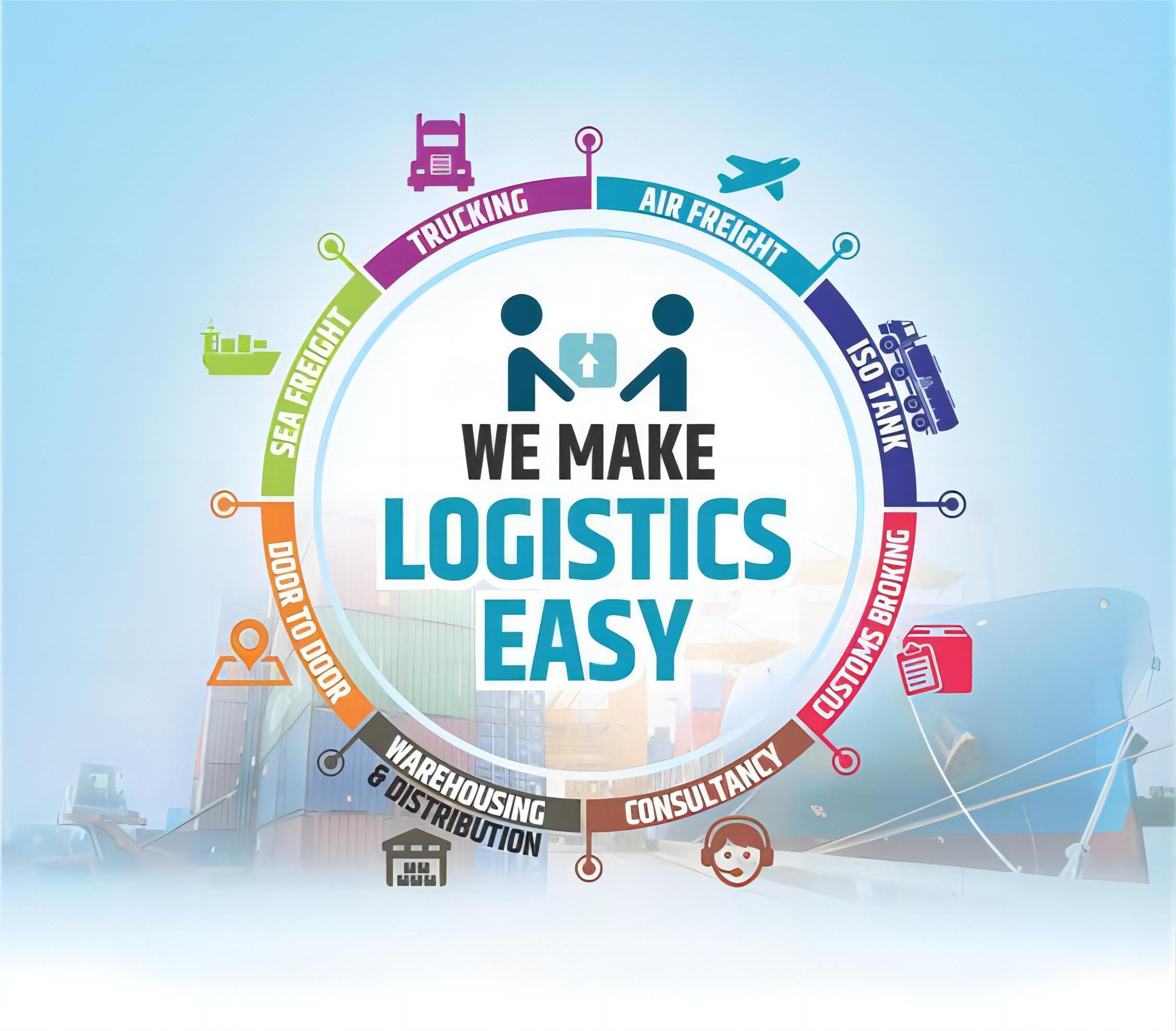
Implementing a door to door strategy can significantly reduce the administrative burden on your team. This service covers every step from the factory floor in China to your warehouse in Canada, providing a single point of contact for the entire journey. Consequently, it eliminates the need to coordinate with multiple local truckers and port authorities.
Pricing for door-to-door services is often more transparent, as it bundles various fees into a single quote. Moreover, this model provides better visibility through integrated tracking systems, allowing you to monitor your shipping cost China to Canada in real-time. Without a doubt, the convenience and reliability of this end-to-end solution make it a favorite for modern e-commerce businesses.
Final Thoughts on Managing Shipping Costs
Successfully managing the shipping cost China to Canada requires a combination of strategic planning, market awareness, and the right logistics partner. By understanding the trade-offs between speed and expense, businesses can select the most appropriate transport mode for their specific needs. Whether you choose sea, air, or express services, staying informed about 2026 market trends is essential for maintaining a competitive edge.
Note: Freight rates are subject to change based on fuel costs, carrier capacity, and seasonal demand. Contact us for a current quote tailored to your specific shipment.
Get Your Shipping Quote Today
Ready to optimize your supply chain and reduce your shipping cost China to Canada? Contact our expert team today for a personalized quote and professional logistics advice. Visit our inquiry page to get started: Send Inquiry
Request Quote